
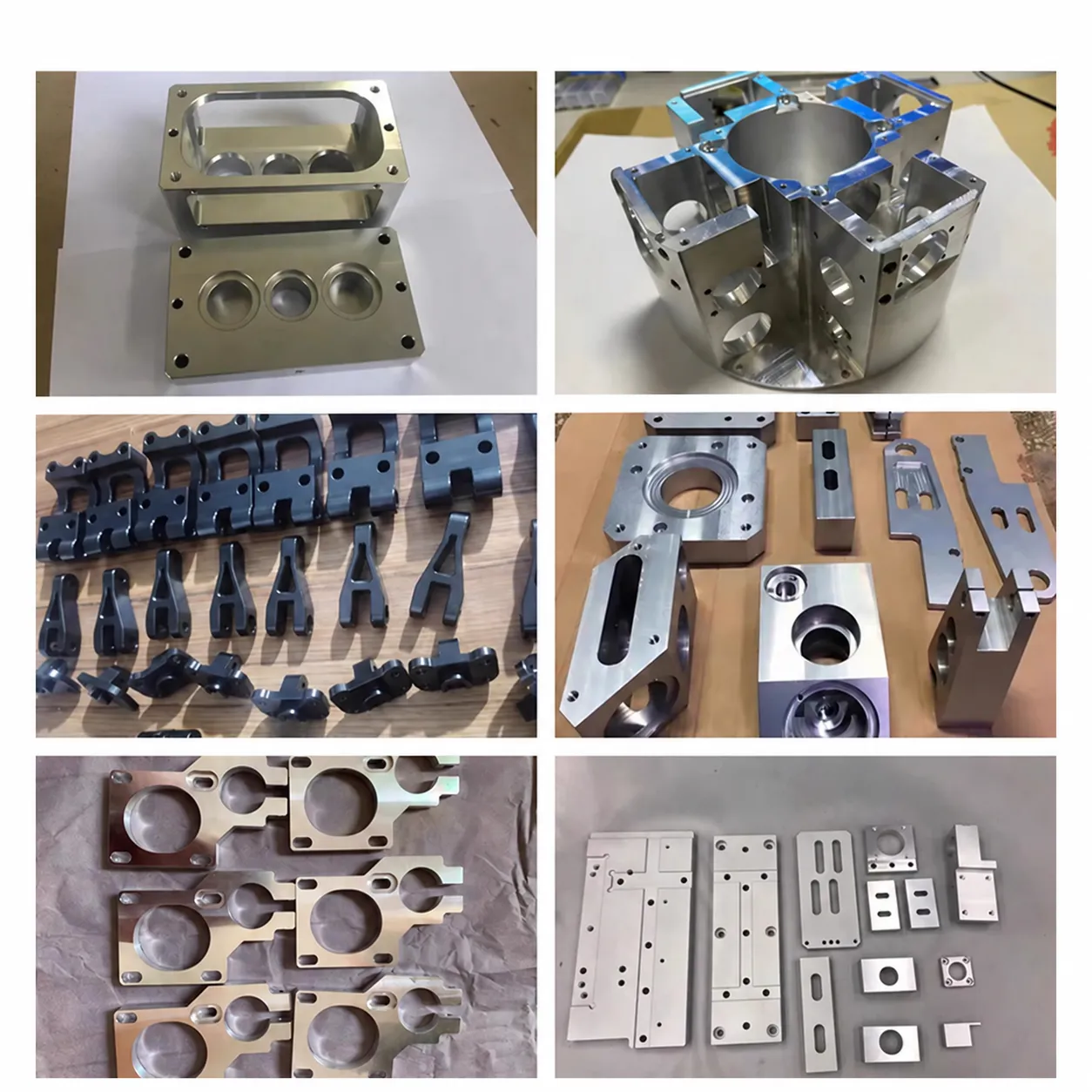
Custom Stainless Steel Aluminum and Brass Parts | Sand Die Lost Wax Investment Casting with CNC
Let’s define your requirement
Send a product link, drawing or short brief. We’ll work through the details with you.
- Confirm the specificationGrade or model, size and intended use.
- Define your orderQuantity, finish or configuration, and samples.
- Agree the quotation scopeIncluded work, key checks and delivery needs.
-
Surface FinishSandblasted , Polished
-
ProcessCasting
-
KeywordInvestment CastingOther ProcessDie casting,CNC machining,Injection molding,Stamping,etc
-
MaterialStainless Steel,Carbon Steel,Aluminum,Brass,etcCustomizedAvailable
-
Surface treatmentPolish,Sand blasting,Powder coating,Painting,Plating,etcMOQ1 Piece
-
RoughnessRa1.6~3.2ToleranceCT4-CT6
-
Drawing formatSTP,STEP,etc
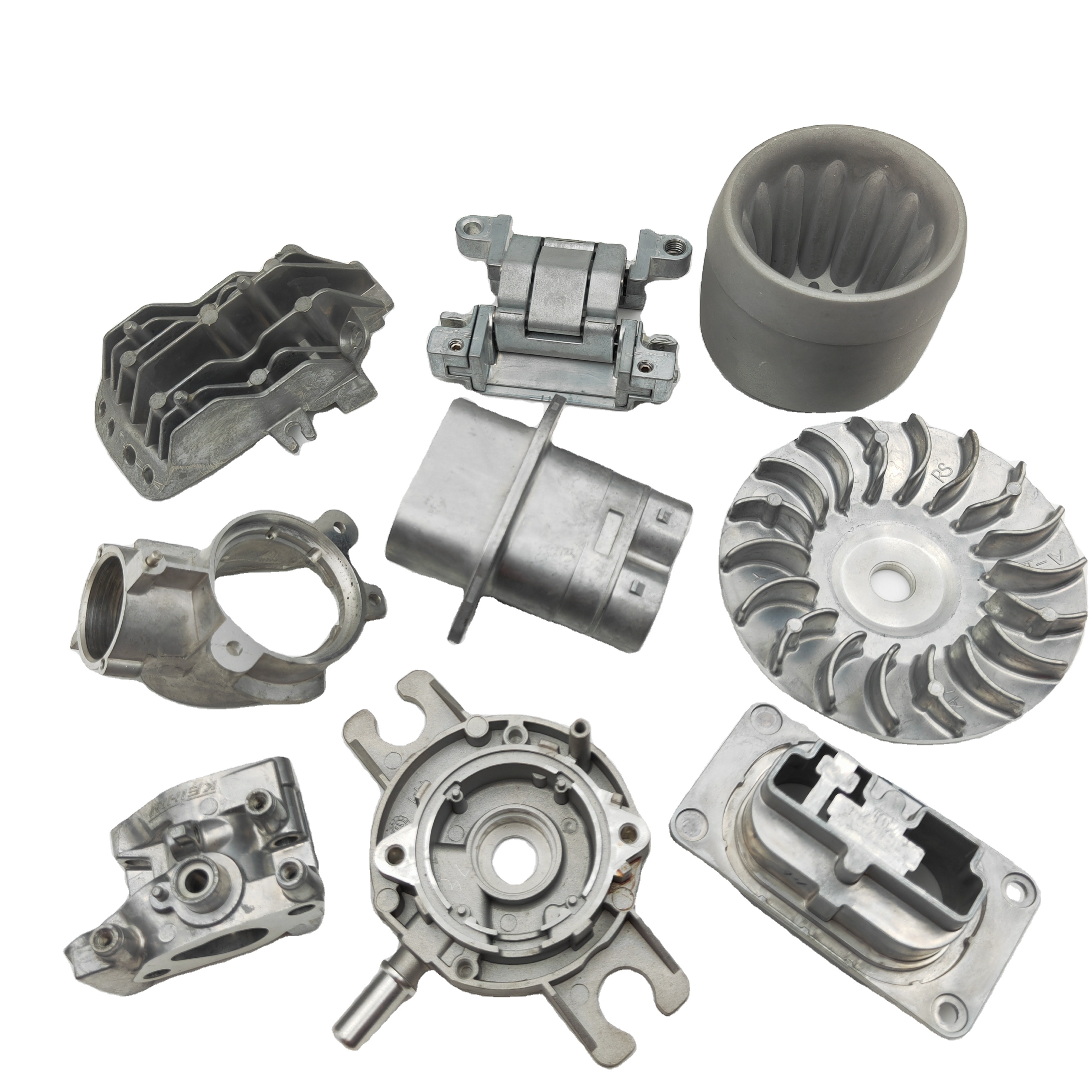
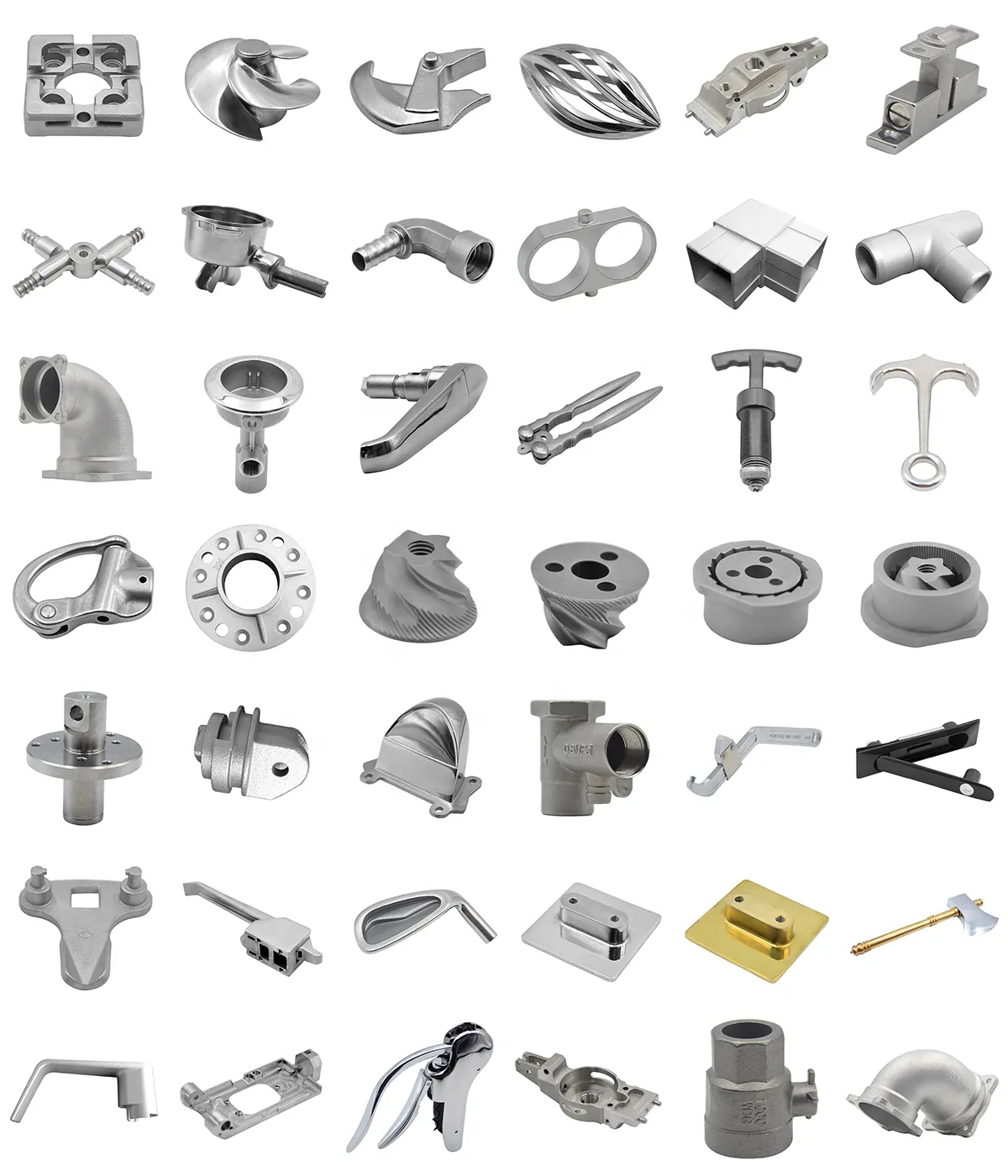
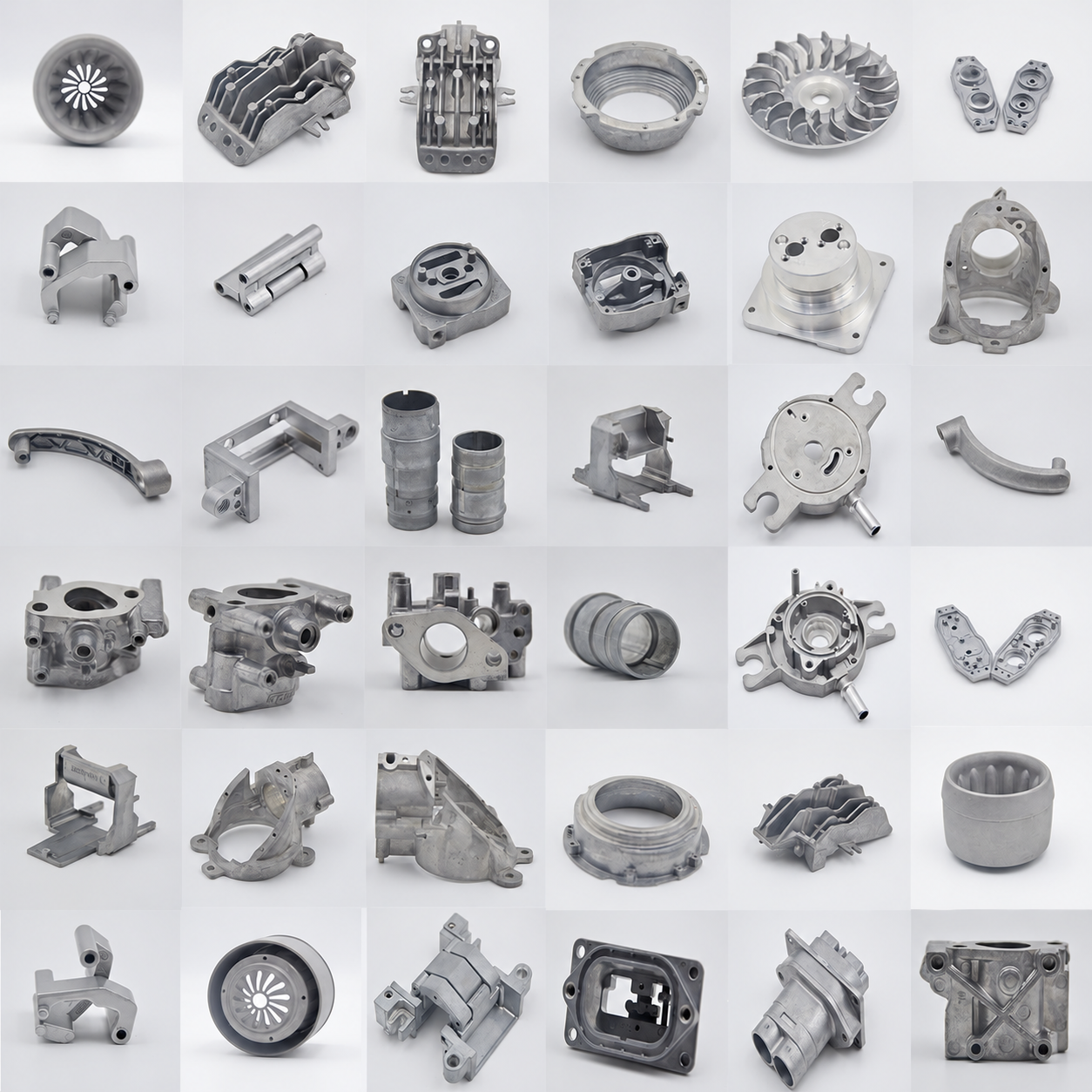
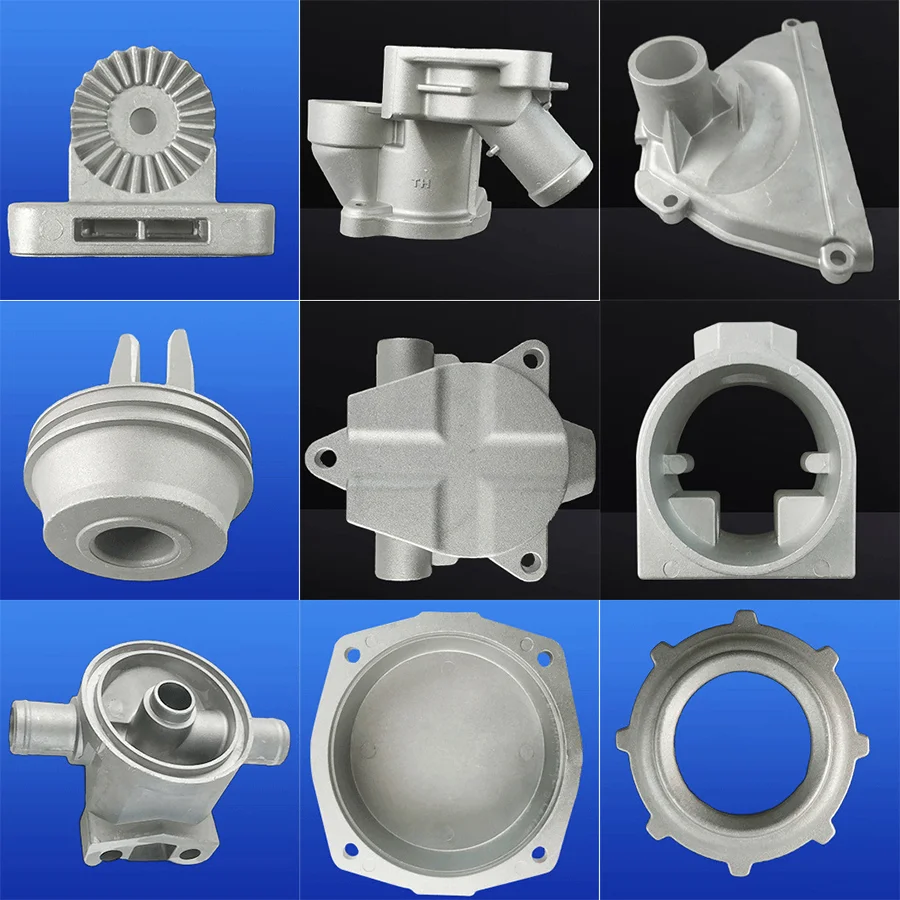
Custom foundry enquiries include stainless steel, carbon steel, aluminum and brass directions. Sand, die and lost wax/investment casting are service directions for the actual component. CNC machining, injection molding and stamping are other process enquiries whose material and component scope should be agreed before defining the manufacturing plan.
Choose the actual component process
Select the grade, part geometry and process required for the requested component. Treat the casting and other-process names as choices for the enquiry rather than a mandatory sequence or a promise that every material uses every method. Keep that process selection with the component requirements used for acceptance.
Define dimensional and roughness acceptance
CT4-CT6 is the casting-tolerance reference, and Ra1.6-3.2 is the roughness reference. Agree the controlled dimensions, process stage and roughness measurement basis for the actual part. Separate the cast-dimension criteria from the finished acceptance needed after any selected CNC work. Agree the roughness unit and measurement basis for the actual surfaces to be accepted on the component.
Select the surface and drawing input
Polishing, sandblasting, powder coating, painting and plating are finish directions. Choose the required treatment for the actual material and define the finished surface to be accepted. STP and STEP are drawing-format directions. Provide the component geometry, selected grade, process and dimensional/surface requirements together to establish the custom foundry enquiry and the acceptance needed for the completed part.








