Custom Powder-Coated Aluminum Die Casting and Machining for Auto and Machinery Components
Let’s define your requirement
Send a product link, drawing or short brief. We’ll work through the details with you.
- Confirm the specificationGrade or model, size and intended use.
- Define your orderQuantity, finish or configuration, and samples.
- Agree the quotation scopeIncluded work, key checks and delivery needs.
-
Surface FinishPowder Coated
-
SizeOEM, Customer's 3D Drawing
-
Surface TreatmentOEMMaterialsAluminum
-
MaterialAluminum AlloyApplicationMachinery
-
Product namecustom aluminum alloy die cast aluminum die casting productsSurface treatmentPowder Coating
-
ProcessDie Casting + MachiningCertificationISO9001:2015 / IATF16949
-
ServiceOEM SeriviceStandardGB ASTM AISI DIN BS
-
Machining ProcessAluminum Die Casting Molding
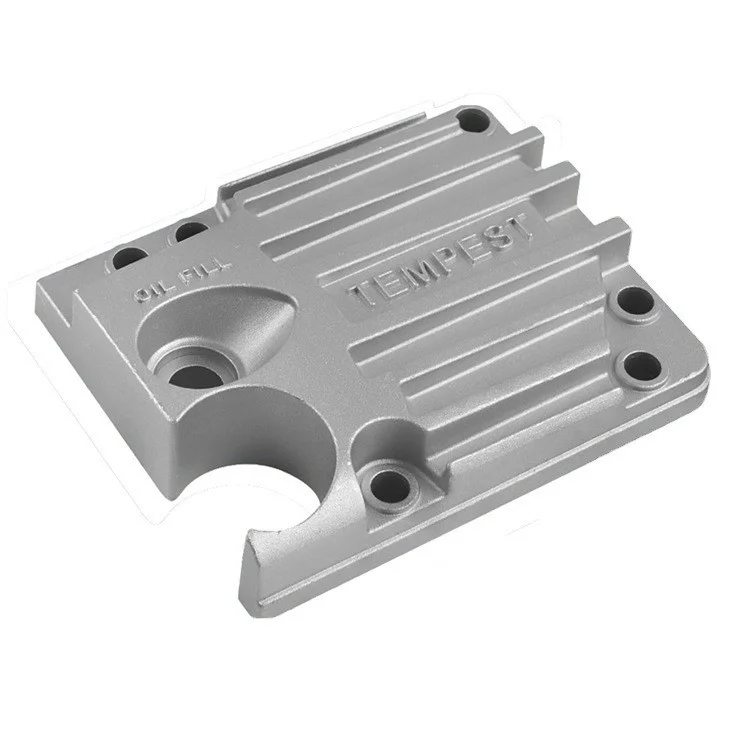
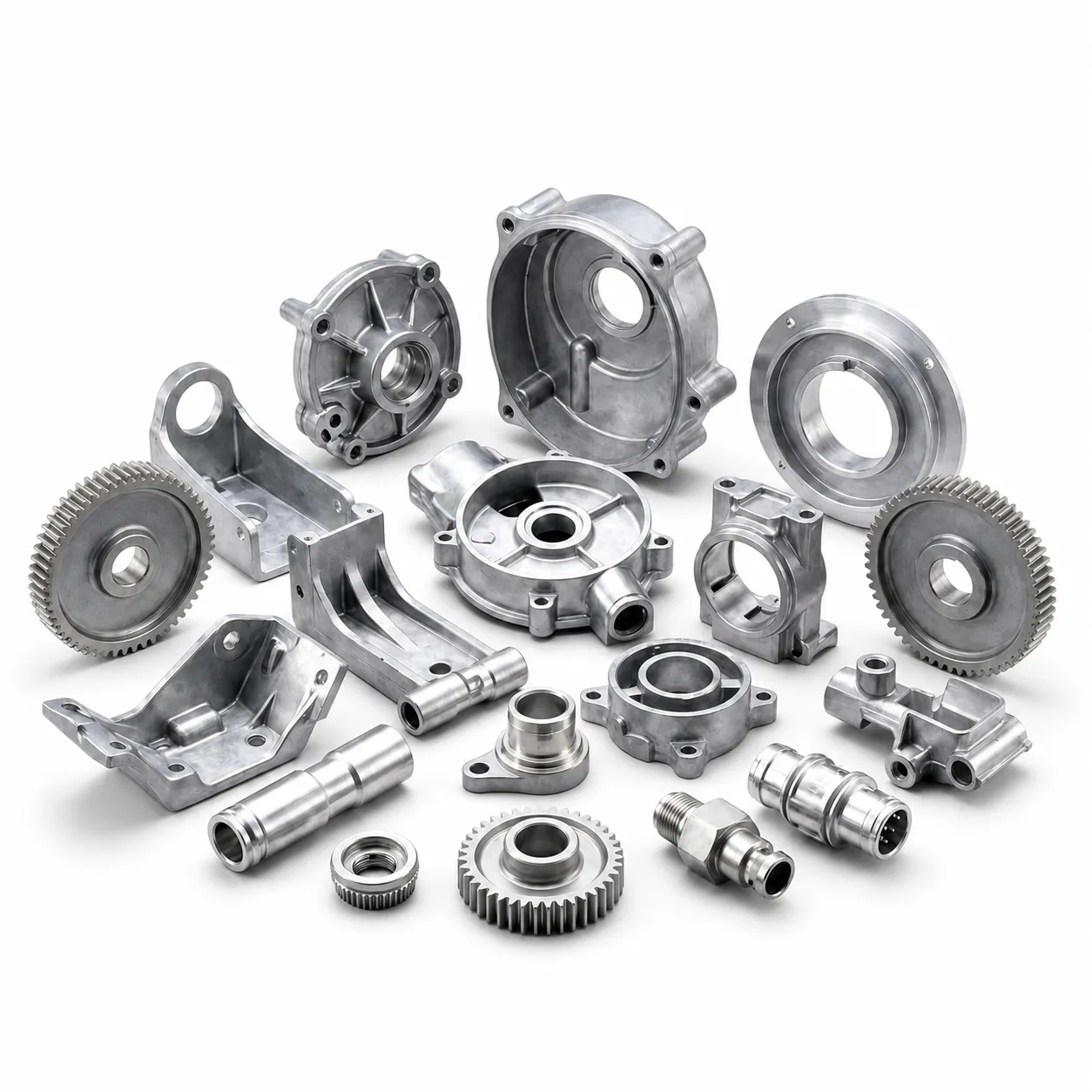
Powder-coated aluminum-alloy components can be developed through die casting and machining to an OEM brief. Automotive and machinery applications are inquiry directions, with the customer's 3D drawing providing the basis for the custom part's size and geometry.
Use the 3D drawing to define the component
A custom component begins with the shape and interfaces required by its assembly. Identify the aluminum-alloy grade, overall geometry and important mating dimensions in the drawing package. These details make the intended part clearer than an automotive or machinery label alone, especially when several similar components share a general appearance.
Coordinate die casting, machining and powder coating
Die casting and machining are both included in the process direction. Indicate which surfaces need machining and how their finished condition relates to the powder coating. Agree the coating requirements and any areas that need particular dimensional control, so acceptance concerns the finished component rather than an unspecified casting blank.
- Define the alloy and cast geometry from the customer model.
- Mark machined surfaces and the dimensions used for assembly acceptance.
- Specify the powder-coated surface and its required appearance.
- State quantity and the purchasing requirements for the OEM component.
Make standards meaningful to the order
GB, ASTM, AISI, DIN and BS references need an exact designation and an applicable requirement for the selected part. Include those details when a material or component standard forms part of approval. If ISO9001:2015 or IATF16949 documents are required, confirm the relevant holder and scope for the agreed supply arrangement.
This approach connects the 3D design, machining and coated surface with the intended auto or machinery assembly. It also makes the acceptance basis explicit while keeping the material and finish open to the actual OEM requirement.