
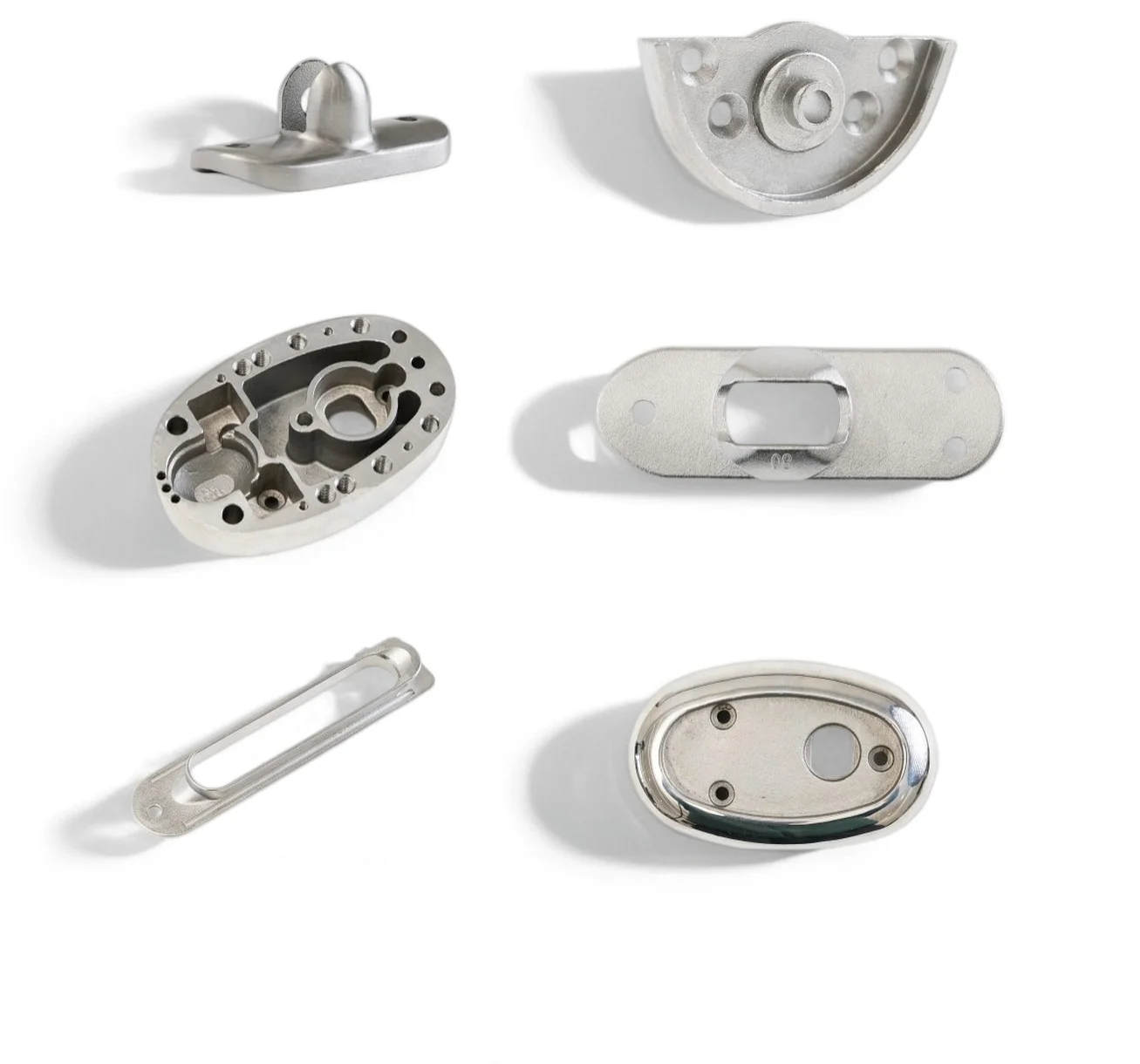
Custom OEM Stainless/Alloy-Steel Investment/Lost-Wax Parts | 304/316/310/1.4301 Material Inquiry, CT4–CT6 and CNC
Let’s define your requirement
Send a product link, drawing or short brief. We’ll work through the details with you.
- Confirm the specificationGrade or model, size and intended use.
- Define your orderQuantity, finish or configuration, and samples.
- Agree the quotation scopeIncluded work, key checks and delivery needs.
-
Surface FinishSandblasted , PolishedAlloy Grade316 , 304
-
Material304, 316, 310, 1.4301 carbon steel etc
-
Processlost wax casting, investment castingNameOEM Investment Casting
-
CertificationISO9001:2015Casting ToleranceCT4-CT6
-
Surface treatmentSand Blasting, PolishingApplicationMachinery, Industrial Parts
-
Quality Control100% InspectionMachining ProcessCNC Precision Machining
-
Lead Time25-30 Days
Custom OEM precision investment/lost-wax industrial parts include CNC precision machining. Material directions cover stainless/alloy-steel work, 304, 316, 310 and 1.4301 references, plus carbon-steel inquiries. The actual material designation and component geometry should be selected for the intended machinery or industrial task and operating conditions.
Material designation and machinery function
Agree the actual grade and governing material requirements for the component. Connect that selection to its function, operating conditions and important interfaces. The grade references should be considered within that part definition, with dimensional and material acceptance tied to the actual industrial duty and the finished geometry needed for it.
CT4–CT6 and the cast/CNC interfaces
CT4–CT6 is the casting-tolerance reference for the selected work. Identify the dimensions governed by the actual casting requirements and the interfaces addressed through CNC precision machining. Agree the inspection and measurement basis for those areas, keeping casting acceptance and finished-part fit connected to the component geometry.
Sand blasting, polishing and component inspection
Sand blasting and polishing are the surface-treatment directions to select for the requested part. Inspection covers 100% of the industrial castings within the agreed scope. Define the treated areas and their finished appearance, then connect those criteria to the selected material and dimensional checks. The actual grade, geometry, cast/CNC interfaces and surface acceptance together establish a specific component request for the intended machine or industrial use.








