
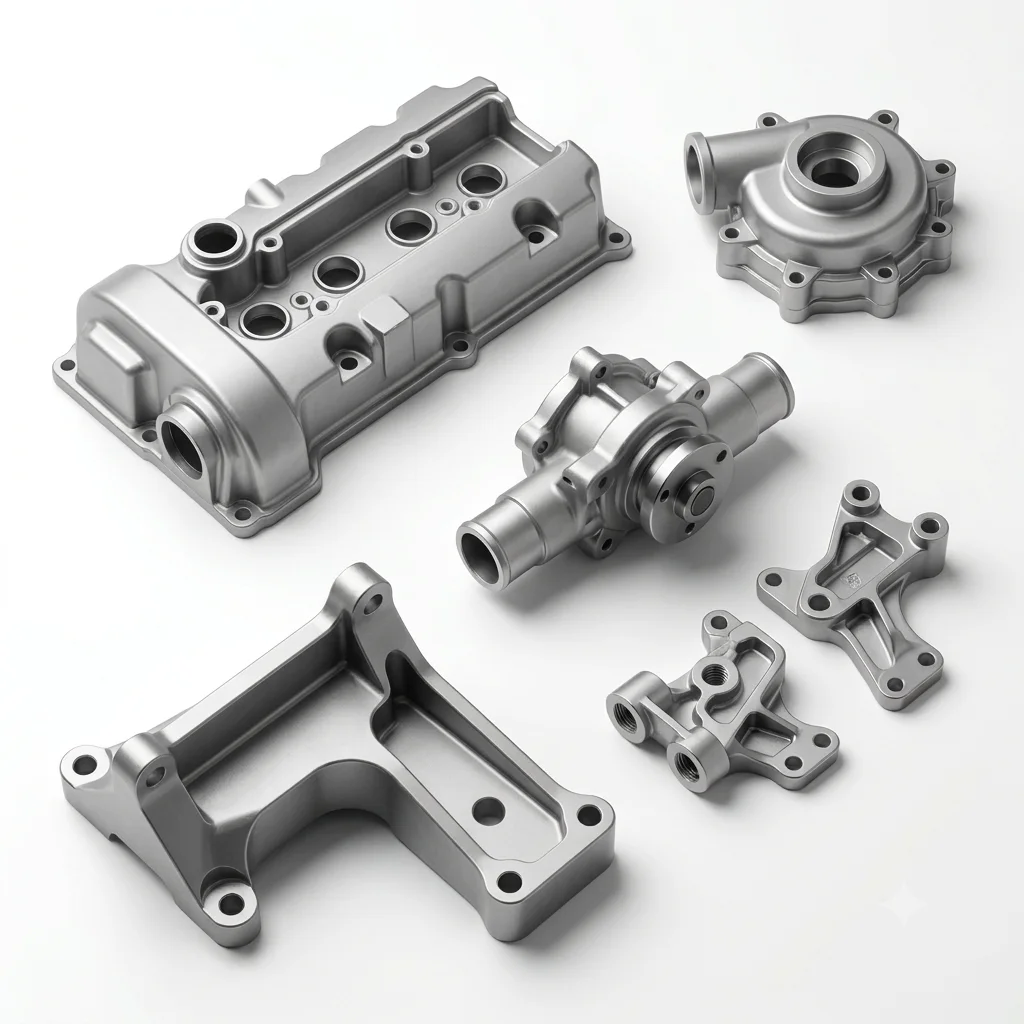
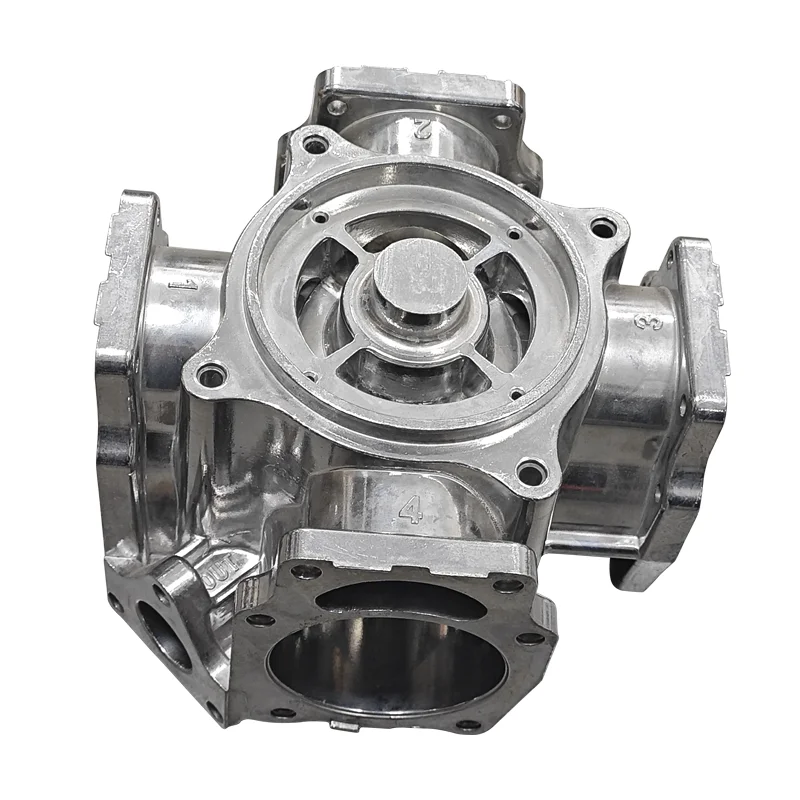
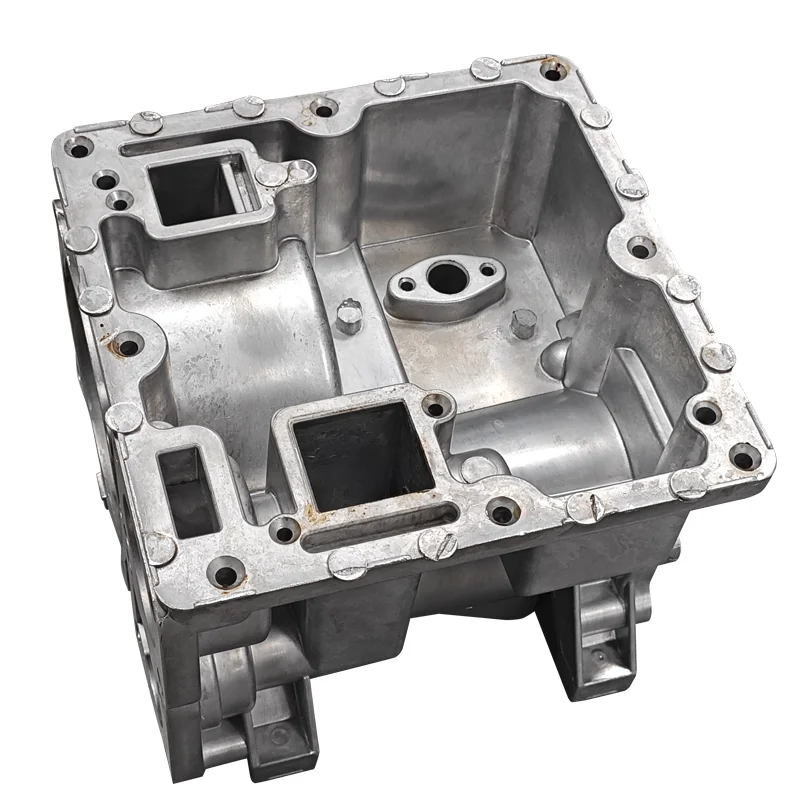
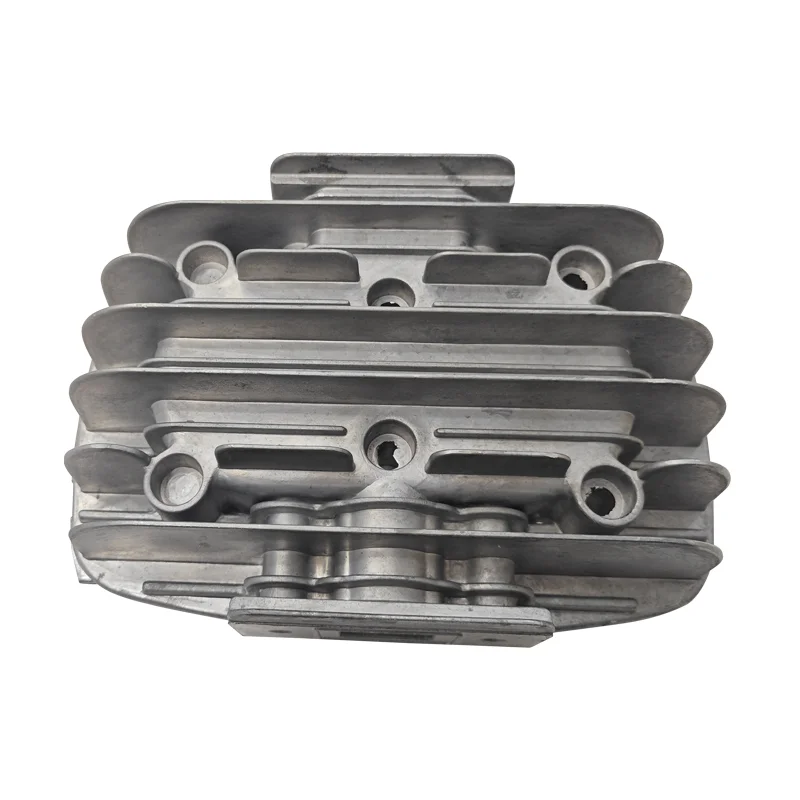
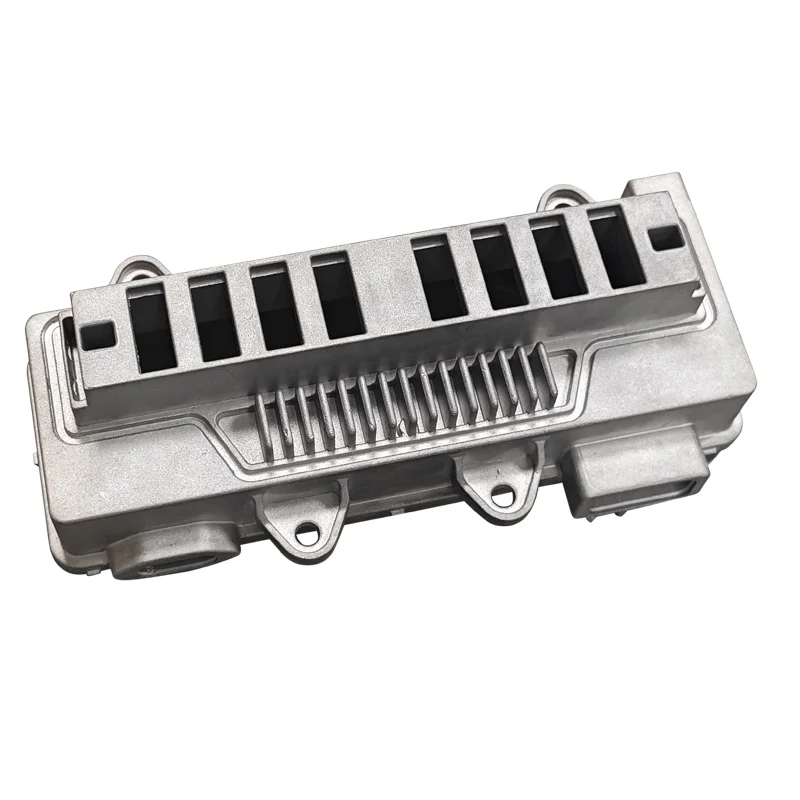
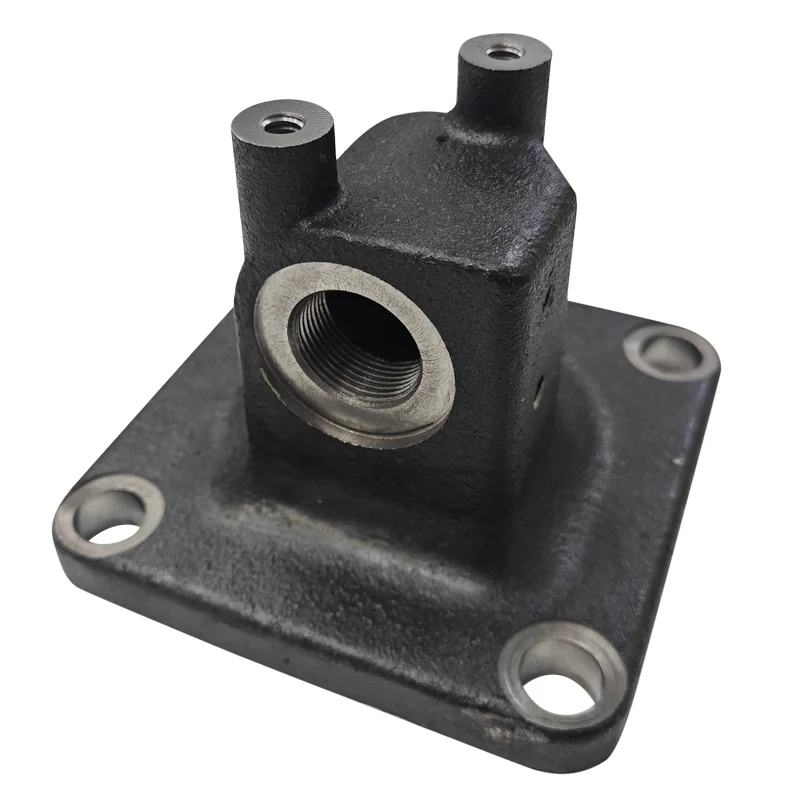
Custom OEM Precision Aluminum Die-Cast Auto-Engine Parts with Plain or Requested Finishing
Let’s define your requirement
Send a product link, drawing or short brief. We’ll work through the details with you.
- Confirm the specificationGrade or model, size and intended use.
- Define your orderQuantity, finish or configuration, and samples.
- Agree the quotation scopeIncluded work, key checks and delivery needs.
-
Product nameCustom Casting Parts
-
Drawing Format2D/3D/CAD/DWG//STEP/PDF/IGSProcessCasting +Machining(if Need)+surface Treatment
-
FinishingPlain or as per customer requestMaterialAluminum
-
ApplicationIndustryCertificationISO9001:2015,Rohs,Reach
-
PackingCustomized PackingSurface treatmentCustomers' Demand
Custom OEM precision aluminum die-cast parts are offered for automotive-engine component inquiries. The manufacturing scope includes casting, machining when needed and surface treatment. Plain finishing is available alongside a finish to the customer's request, with 2D/3D files used to define the selected component.
Aluminum engine casting and optional work
The material direction is aluminum, with the exact alloy requirement to be chosen for the engine part. Define its cast shape and identify any dimensions or interfaces that need machining. This keeps the optional work attached to the actual component and gives the precision discussion a clear dimensional basis.
Plain or requested finished condition
Plain finishing and customer-requested finishing provide two directions for the delivered component. Select the required condition for the chosen aluminum part and identify the relevant surfaces. The finish can then be considered alongside the machined dimensions and the intended engine assembly, so appearance and dimensional acceptance follow one component definition.
Defining the part with 2D/3D inputs
CAD, DWG, STEP, PDF and IGS are drawing-input choices in 2D/3D form. Use the selected file to describe the actual engine component, material requirement and geometry. The request can also identify the dimensional, material and intended-use acceptance needed for the part, connecting the manufacturing scope to the engine assembly.
- Cast geometry
- Define the aluminum engine component and the alloy requirement.
- Additional work
- Identify any machining and choose plain or requested finishing.
- Component acceptance
- Connect the drawing dimensions and delivered condition to the intended engine use.








