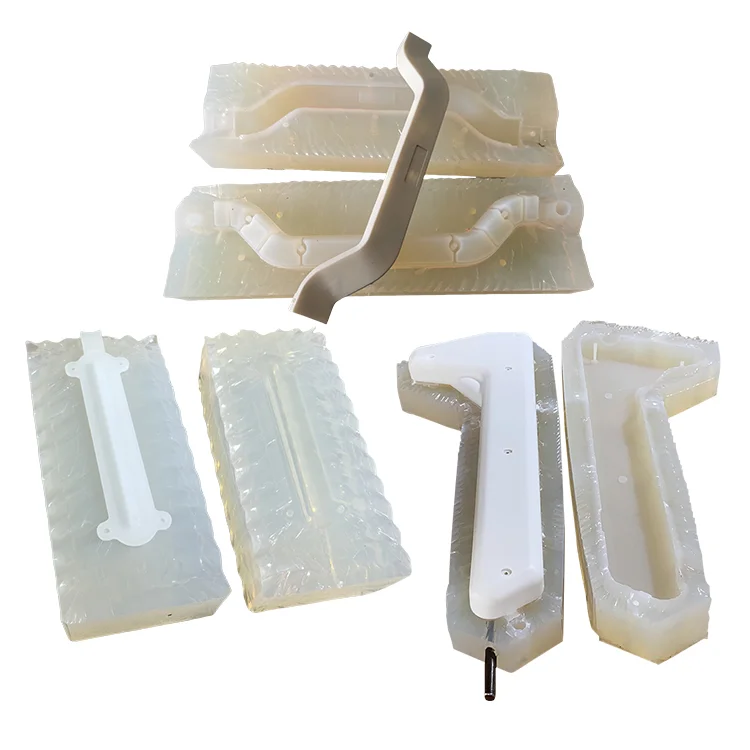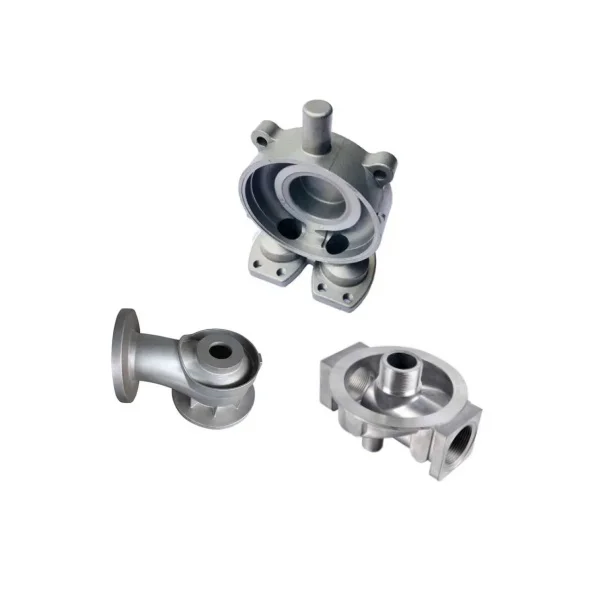
Custom OEM ODM Stainless Steel Precision Investment Casting Parts with Sand Blasting
Let’s define your requirement
Send a product link, drawing or short brief. We’ll work through the details with you.
- Confirm the specificationGrade or model, size and intended use.
- Define your orderQuantity, finish or configuration, and samples.
- Agree the quotation scopeIncluded work, key checks and delivery needs.
-
Surface FinishSandblasted
-
Product nameInvestment Casting Parts
-
MaterialStainless SteelSurface treatmentSand Blasting
-
ApplicationIndustryTolerance0.01-0.05mm
-
ServiceOEM\ODMStandardISO Standard
-
ProcessCasting +Machining(if Need)+surface TreatmentDimensionsCustomized Dimension
-
Drawing Format2D/(PDF/CAD)3D(IGES/STEP)
Custom stainless steel precision investment casting supports industrial OEM/ODM parts with customer-defined dimensions. The manufacturing enquiry can include machining when needed, followed by surface treatment. Sand blasting is the named finish, giving the component discussion a specific surface process to consider alongside its cast geometry.
Define the industrial part in two and three dimensions
Drawing inputs include 2D PDF/CAD and 3D IGES/STEP. Use these to communicate the stainless steel grade, component form and dimensions needed for the project. The geometry and dimensional requirements should describe the same revision so the custom enquiry has a clear target. Areas requiring machining can be identified separately from surfaces accepted in the cast condition.
Apply the tolerance to selected dimensions
The tolerance reference is 0.01-0.05 mm. Agree the sign convention, controlled dimensions and acceptance stage for the part before using that range as a drawing requirement. Optional machining can then be discussed against the dimensions and surfaces that actually require it. Connecting the tolerance to the relevant geometry is more useful than treating a single range as the complete definition of precision.
Bring the blast condition into acceptance
Sand blasting forms part of the surface-treatment enquiry, with the required finished condition established for the selected component. Identify the faces to be treated and any dimensional or surface checks needed after that work. An applicable ISO standard designation and scope should also be specified for the project. Combining these requirements with the actual drawing, grade and machining areas provides a practical basis for reviewing the industrial casting and its final acceptance.