
Custom OEM Nonstandard Alloy-Steel Investment Casting and CNC | VDG P690 D2
Let’s define your requirement
Send a product link, drawing or short brief. We’ll work through the details with you.
- Confirm the specificationGrade or model, size and intended use.
- Define your orderQuantity, finish or configuration, and samples.
- Agree the quotation scopeIncluded work, key checks and delivery needs.
-
ProcessInvestment casting
-
MaterialAlloy steelServiceCasting and machining
-
SizeAs customer's drawings or samplesCasting ToleranceVDG P690 D2
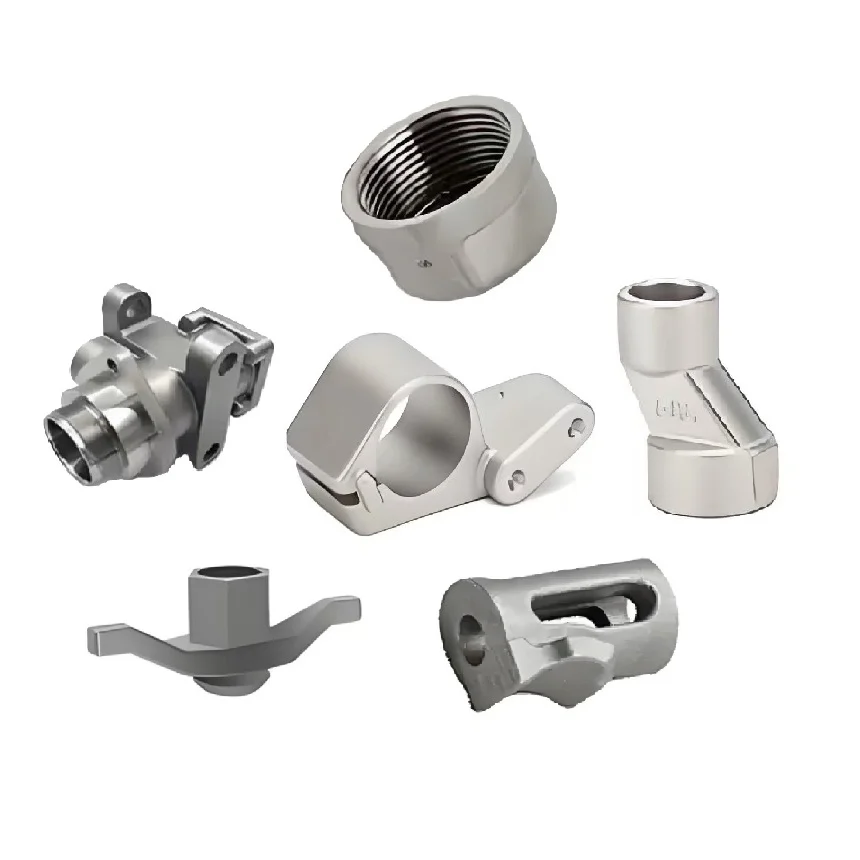
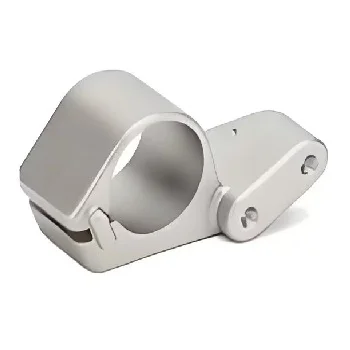
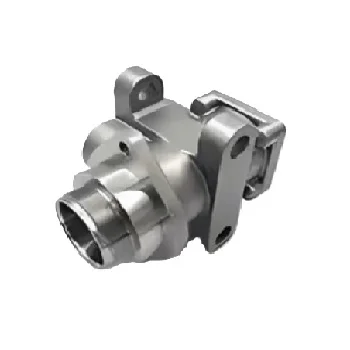
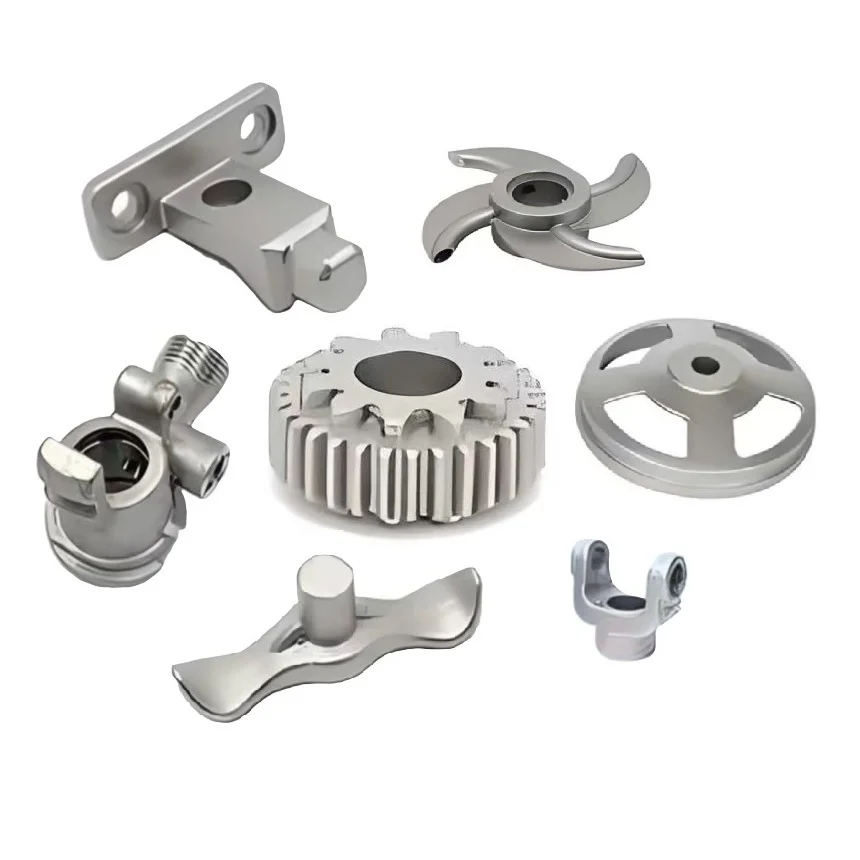
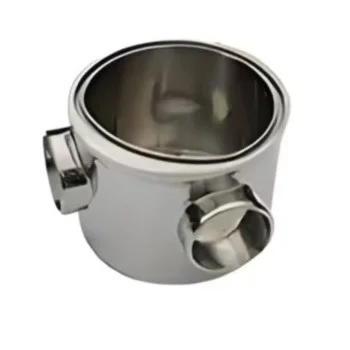
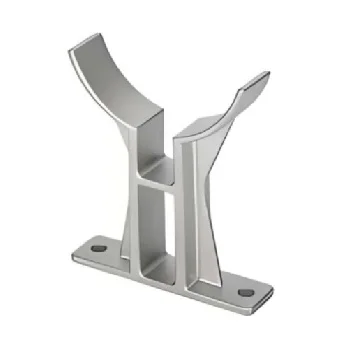
Custom OEM nonstandard alloy-steel work combines investment casting with CNC machining services. Component size follows the customer's drawing or reference sample. VDG P690 D2 is the casting-tolerance reference, with the actual grade, geometry and applicable dimensional requirements to be defined for the custom part.
Use the customer drawing or reference sample
Identify the actual component geometry and alloy-steel grade for the request. Use the customer drawing or reference sample to establish the required size and the dimensions that govern the part definition. Agree how that input describes the supplied condition so that the casting and machining work follows one clear geometry basis. Identify the reference revision used for that request.
Locate the VDG P690 D2 casting requirements
Keep VDG P690 D2 associated with the casting-tolerance scope for the selected component. Confirm the applicable requirements and identify the dimensions to which they relate. Distinguish those cast dimensions from any controlled through CNC machining, and agree the machined-dimension acceptance separately for the actual geometry and supplied condition.
Define acceptance for the nonstandard part
Agree the casting and CNC operations required for the component rather than leaving their scope implicit. Establish the part-specific inspection criteria for the selected alloy grade, geometry and controlled dimensions. Keep the customer input, casting reference and machining requirements connected in the finished-component definition, so that acceptance addresses the actual nonstandard OEM part being requested.








