
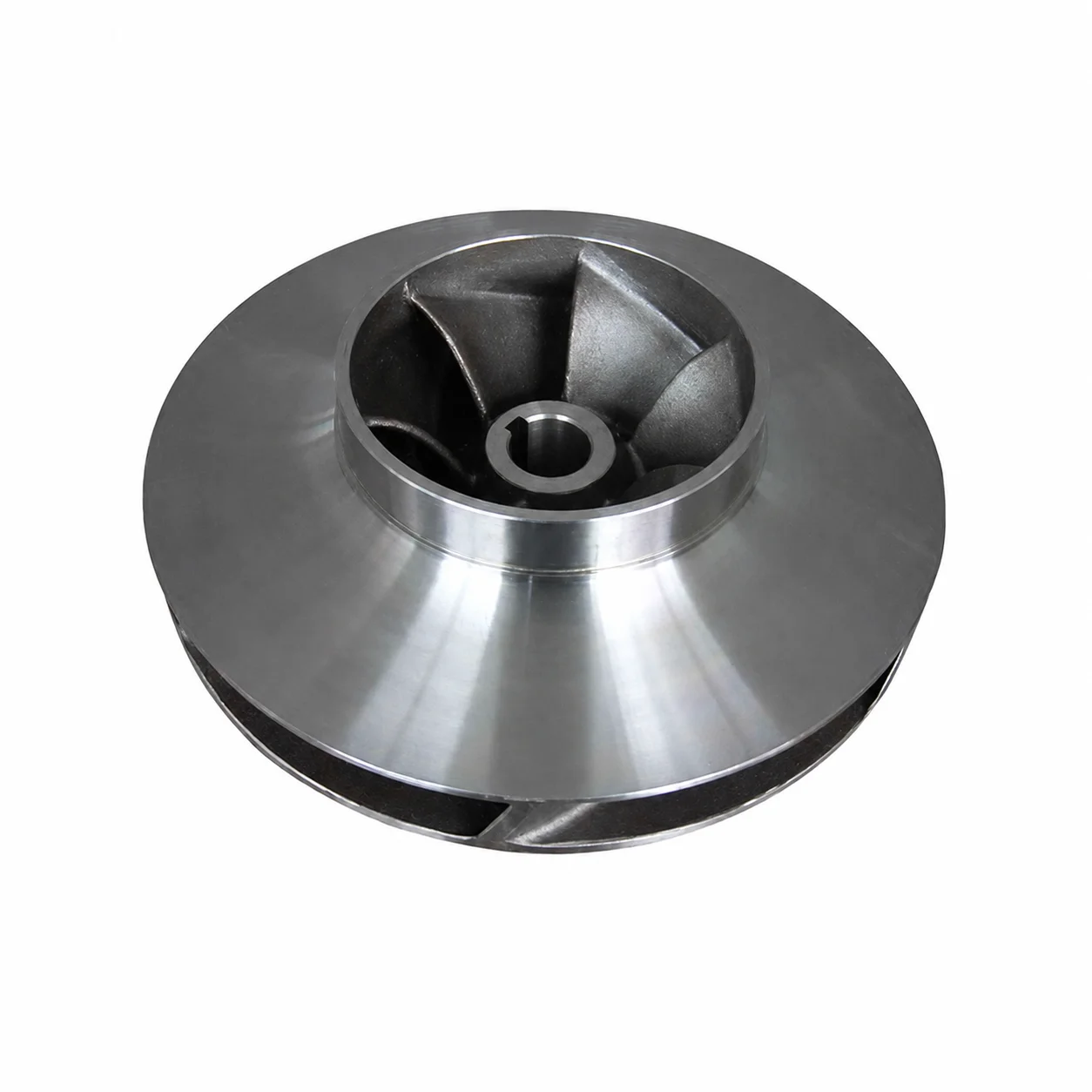
Custom OEM 304/316 Double-Impeller/Blade Casting Inquiry, Precision Lost-Wax Investment and CNC for Marine Components
Let’s define your requirement
Send a product link, drawing or short brief. We’ll work through the details with you.
- Confirm the specificationGrade or model, size and intended use.
- Define your orderQuantity, finish or configuration, and samples.
- Agree the quotation scopeIncluded work, key checks and delivery needs.
-
Component FormImpeller / RotorSurface FinishSandblasted
-
Product nameImpeller Blade
-
KeywordPrecision Steel CastingMaterialStainless Steel
-
ProcessPresicion Lost Wax Investment Casting+CNC MachiningStandardGB ASTM AISI DIN BS
-
ServiceOEM ODM CustomizedSurface TreatmentSand Blasting
-
ApplicationMarine Explosion Proof LightCertificationISO 9001:2015
-
UsageLighting Fixture Housing
Custom OEM/ODM casting work combines 304/316 stainless-steel directions with precision lost-wax investment casting, CNC machining and sand blasting. Double-impeller or impeller-blade inquiries and lighting-housing inquiries need the actual component established before its material and manufacturing requirements are assigned.
Define the marine component and its interfaces
An impeller or blade request should establish the particular geometry and assembly function being considered. Identify the selected stainless requirement and the interfaces that determine its fit within that assembly. The actual component role and operating conditions should guide its cast form and the dimensions requiring CNC work.
Lighting-housing application scope
If the request concerns a housing for marine explosion-proof lighting, specify the assembly it belongs to and the application requirements it must satisfy. Agree the component's geometry, interfaces and required acceptance within that selected assembly. These details establish the actual housing inquiry and its qualification requirements before the casting scope is chosen.
Sand blasting and the selected standard
Sand blasting is the surface-treatment direction for the custom work. Define its affected areas and the finished condition required for the selected material. Standard families include GB, ASTM, AISI, DIN and BS. Choose the applicable requirement for the actual component and connect it to the drawing, cast/CNC dimensions and intended-use acceptance. This gives the OEM/ODM discussion a defined impeller/blade or housing request with a component-specific manufacturing scope.








