Custom Iron/Zinc/Stainless-Steel/Aluminum-Alloy/Brass Precision Parts | Sand, Lost-Wax Investment and Die Casting
Let’s define your requirement
Send a product link, drawing or short brief. We’ll work through the details with you.
- Confirm the specificationGrade or model, size and intended use.
- Define your orderQuantity, finish or configuration, and samples.
- Agree the quotation scopeIncluded work, key checks and delivery needs.
-
Product namecasting services
-
MaterialCustomer's RequirementsColorCustormer's Requirements
-
SizeCustomer's Drawing RequiredSurface treatmentCustomers' Demand
-
CertificationISO9001StandardCustomers' Drawings
-
ToleranceCustomer's Drawing RequestQuality ControlStrictly 100% Inspection
-
ServiceDrawing Custom
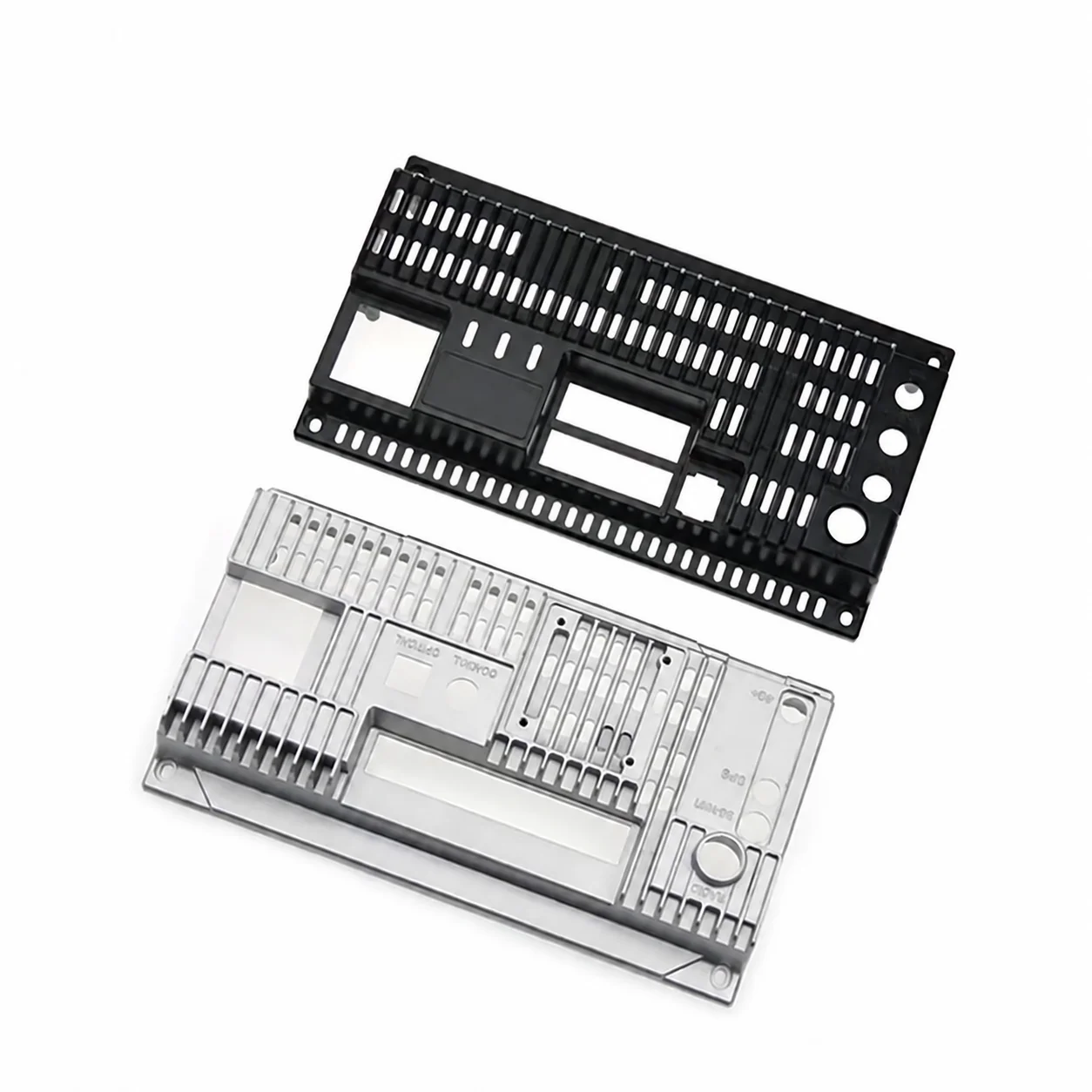
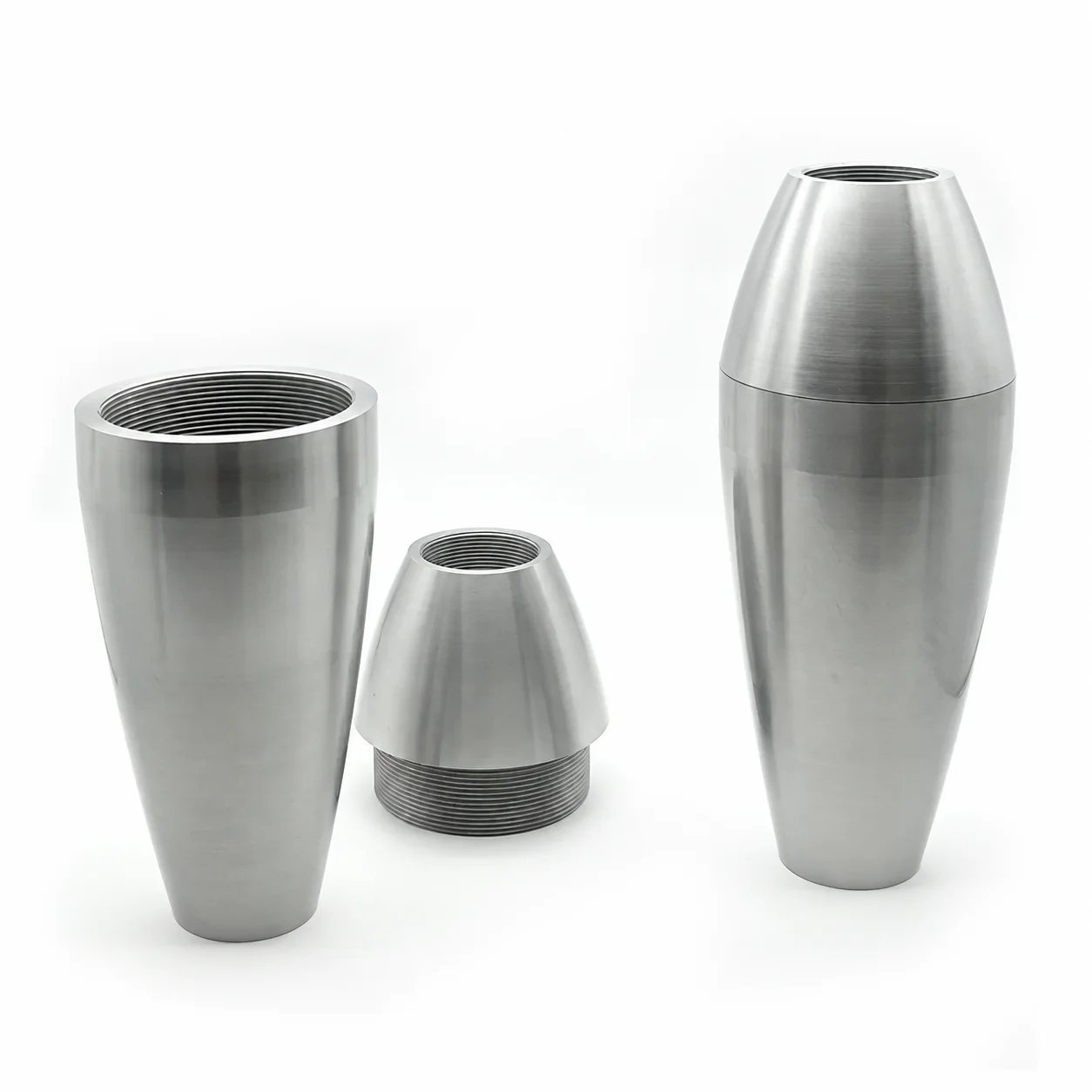
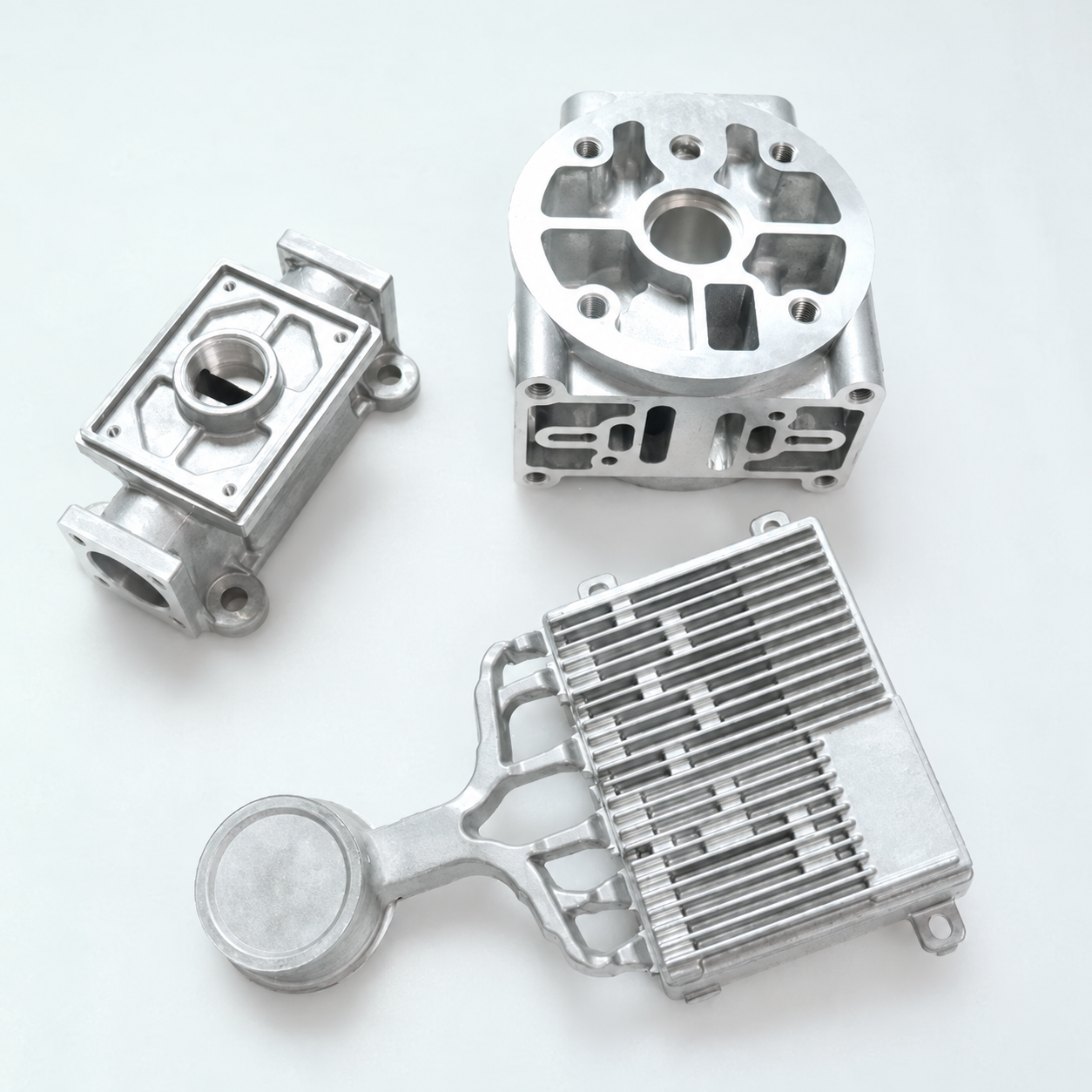
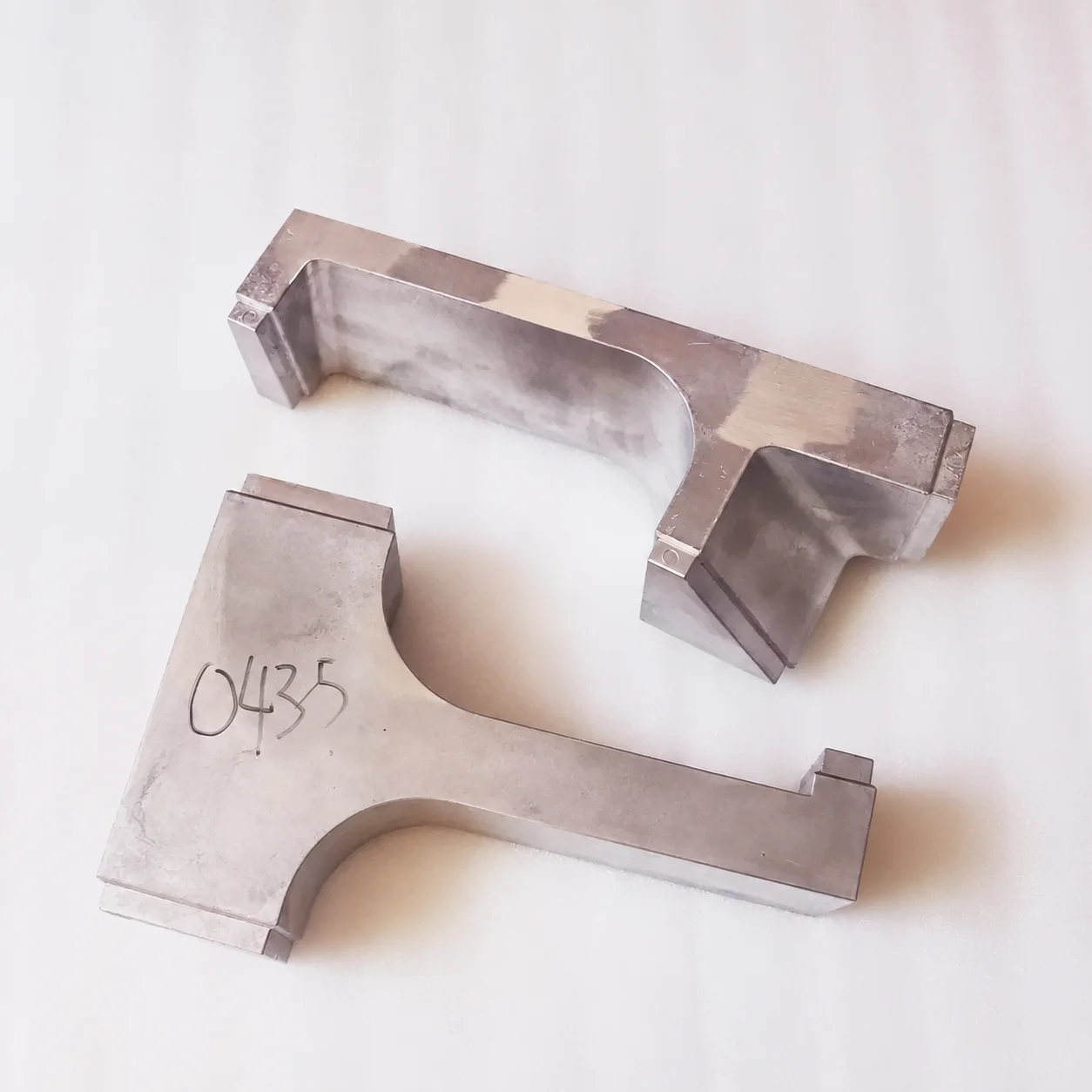
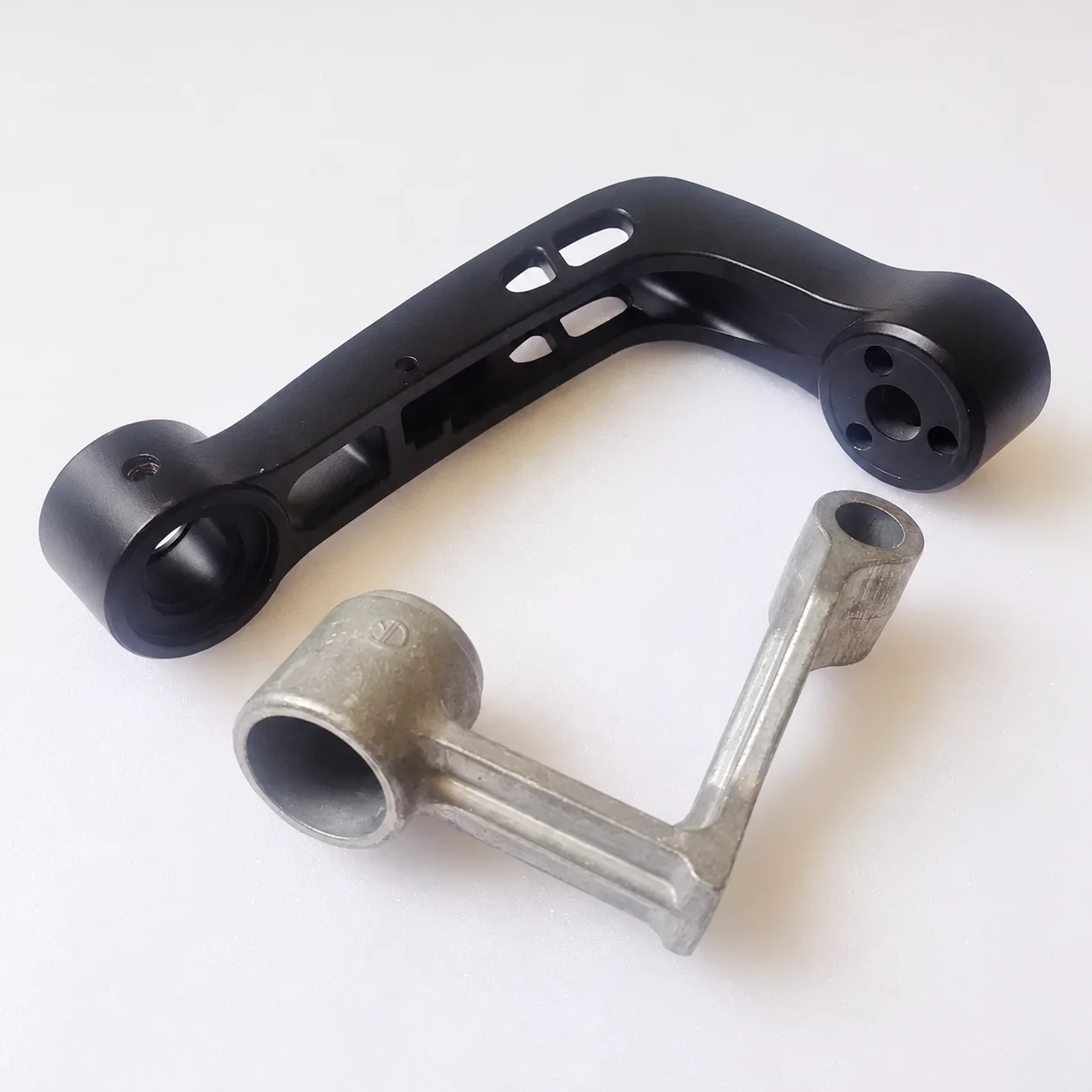
Drawing-custom casting inquiries span iron, zinc, stainless steel, aluminum alloy and brass. Sand casting, precision lost-wax investment casting and die casting provide route directions for the selected part. Customer requirements define the material, color, size and surface treatment, with dimensions and tolerances tied to the component drawing.
Five material families and a selected casting route
Choose the exact material grade before defining which casting process applies to the component. The five material families provide a useful starting point, while the part's geometry and intended function give that choice a practical context. Establish the actual route and relevant material condition together, then connect them to the interfaces and operating requirements of the finished component.
Dimensions and tolerance from the drawing
Size, standard and tolerance follow the customer's drawing requirements. Mark the dimensions important to the part's fit and identify the acceptance required at those locations. A complete component definition can connect the requested material with the geometry, dimensional requirements and intended interfaces, keeping the casting inquiry focused on the actual custom part.
Color, surface condition and complete inspection
Color and surface treatment follow customer requirements for the selected material. Describe the required appearance and the areas where surface condition matters for assembly or use. The quality-control direction includes 100% inspection of the casting parts; agree the actual checks, dimensions and surface criteria for that scope. Combining those criteria with the drawing makes the requested finish and inspection acceptance specific to the component.