Custom Iron/Zinc/Stainless/Aluminum-Alloy/Brass Parts | Sand/Investment/Lost-Wax/Die Precision Casting to Customer Drawings
Let’s define your requirement
Send a product link, drawing or short brief. We’ll work through the details with you.
- Confirm the specificationGrade or model, size and intended use.
- Define your orderQuantity, finish or configuration, and samples.
- Agree the quotation scopeIncluded work, key checks and delivery needs.
-
Product namecasting services
-
MaterialCustomer's RequirementsColorCustormer's Requirements
-
SizeCustomer's Drawing RequiredSurface treatmentCustomers' Demand
-
CertificationISO9001StandardCustomers' Drawings
-
ToleranceCustomer's Drawing RequestQuality ControlStrictly 100% Inspection
-
ServiceDrawing Custom
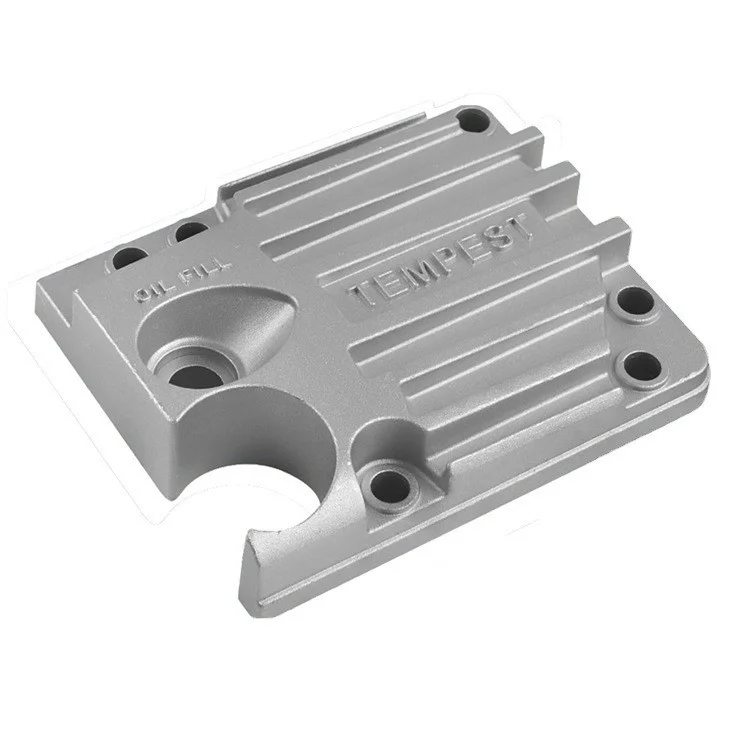
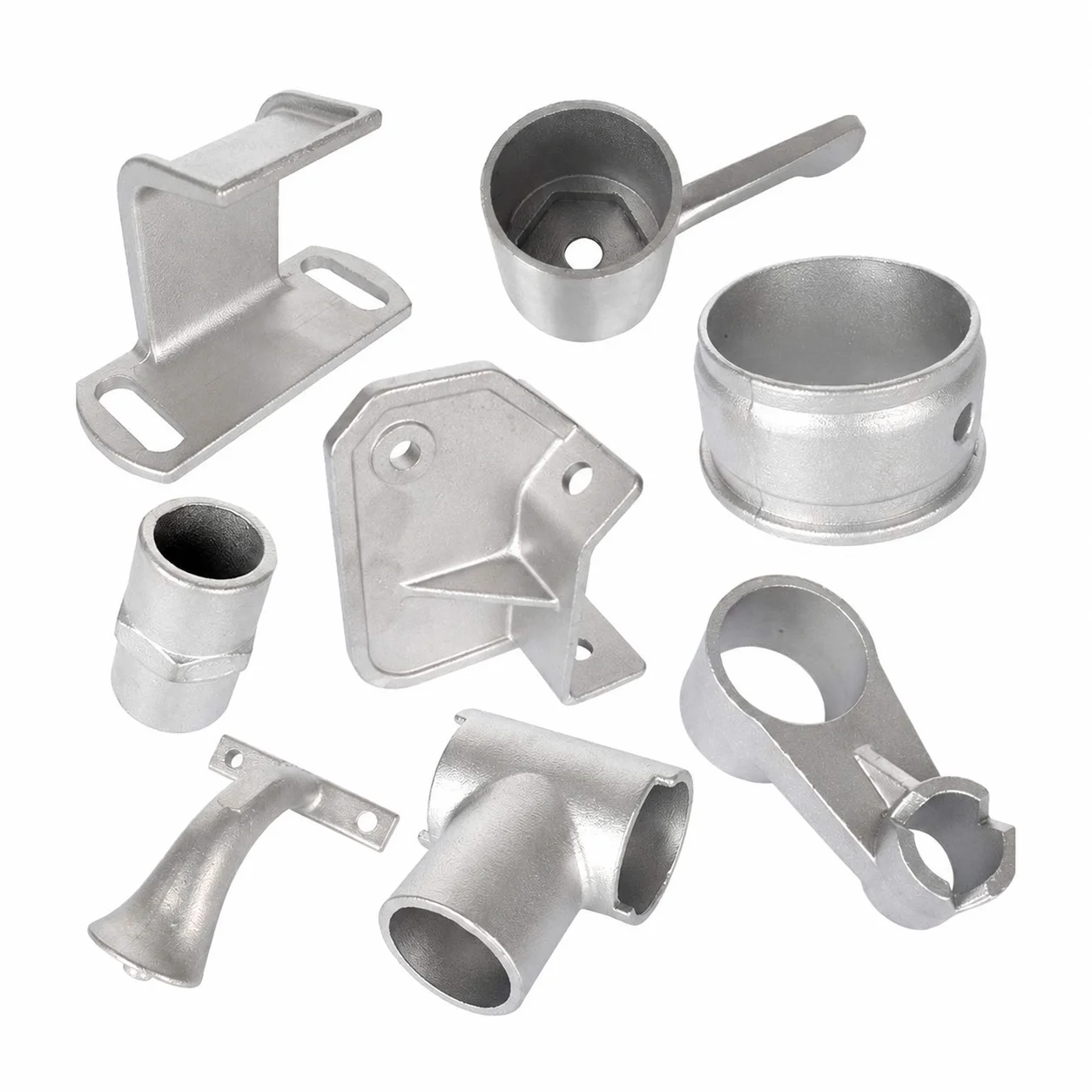
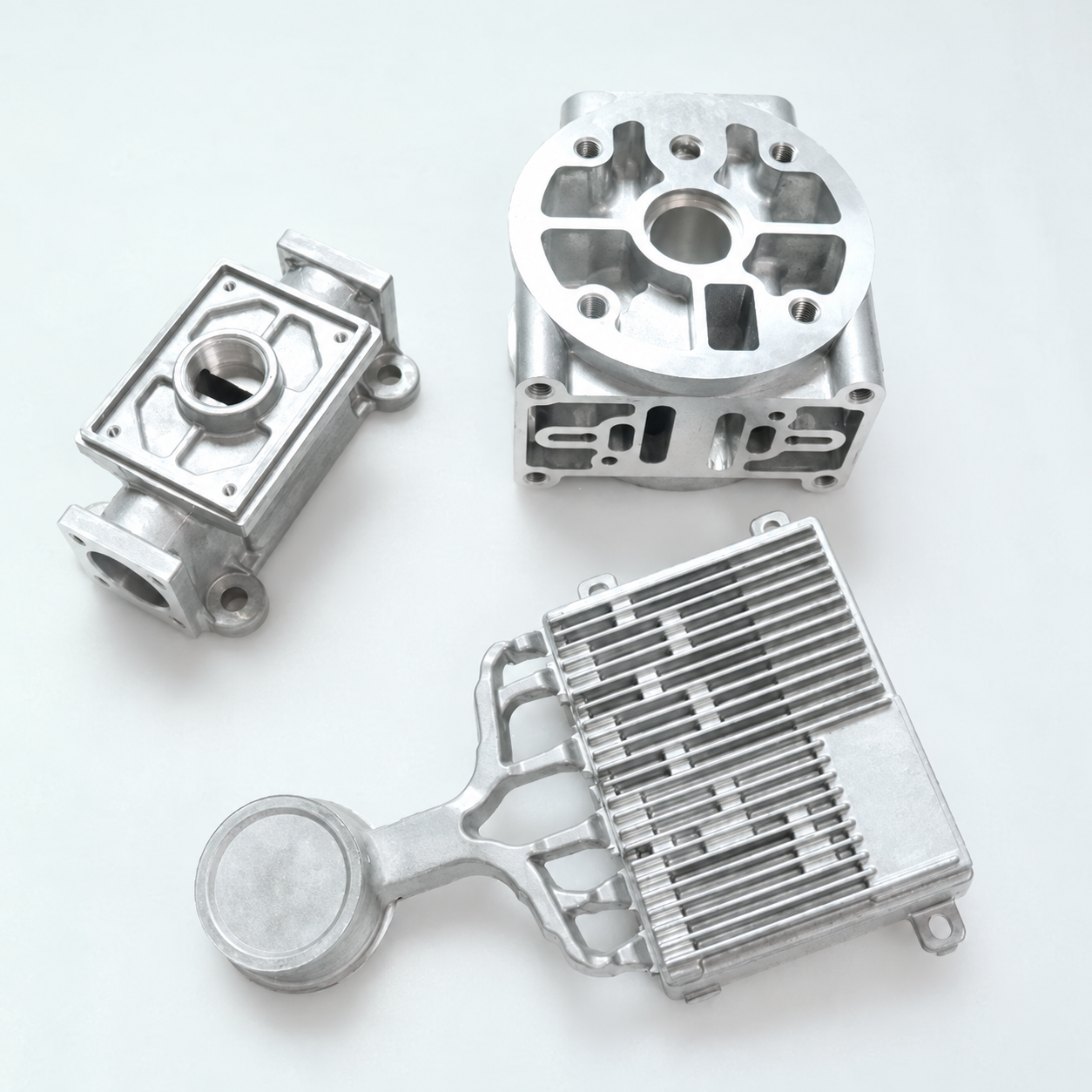
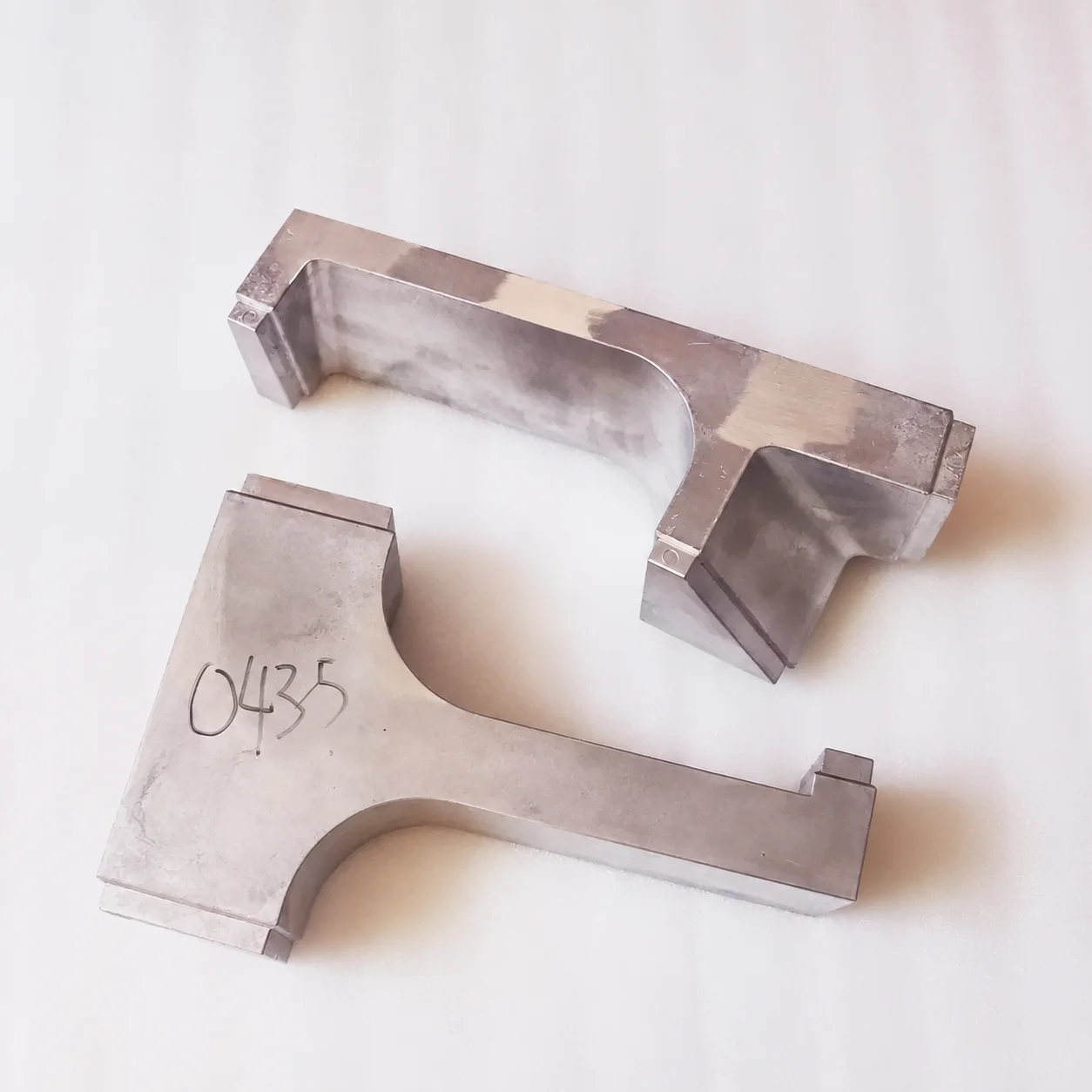
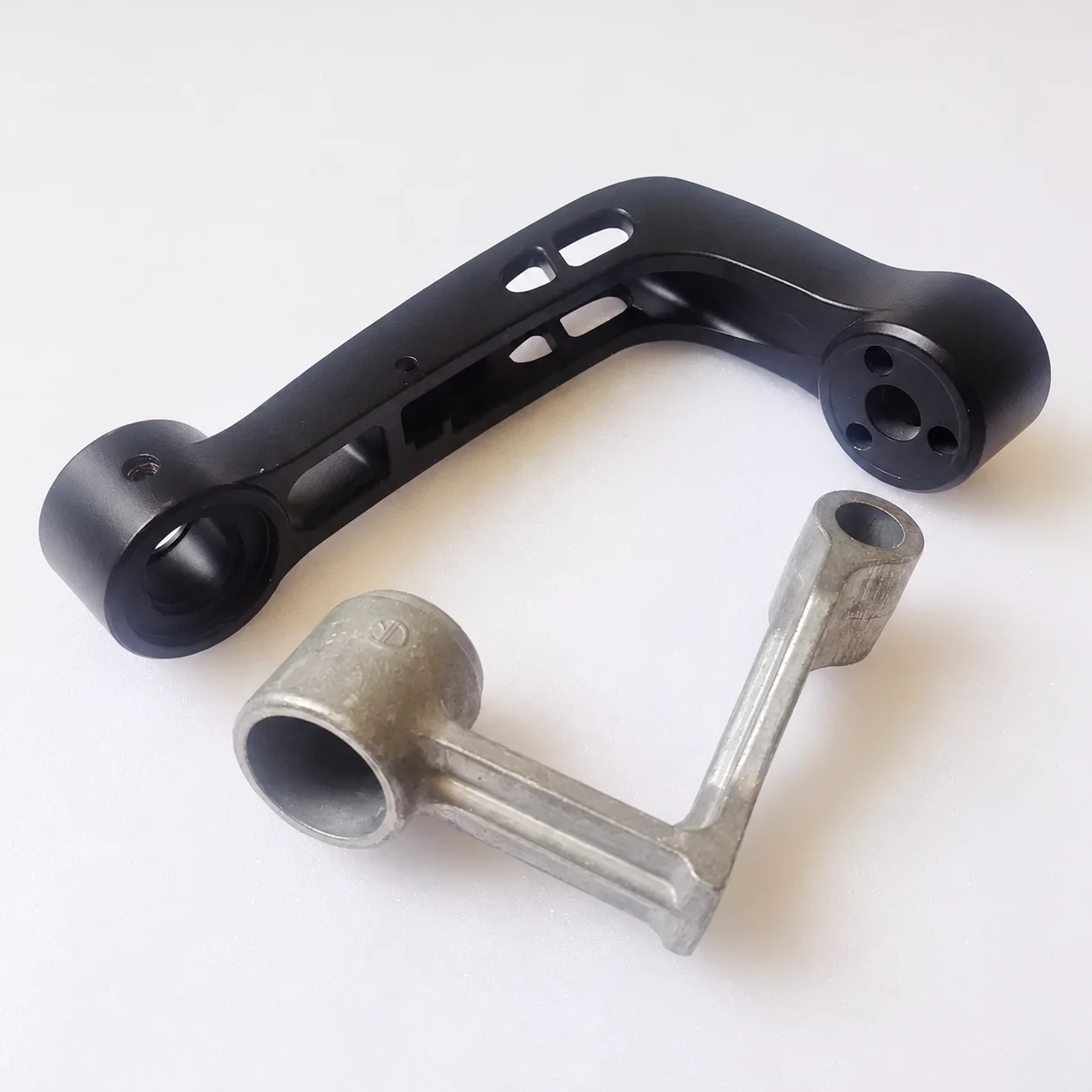
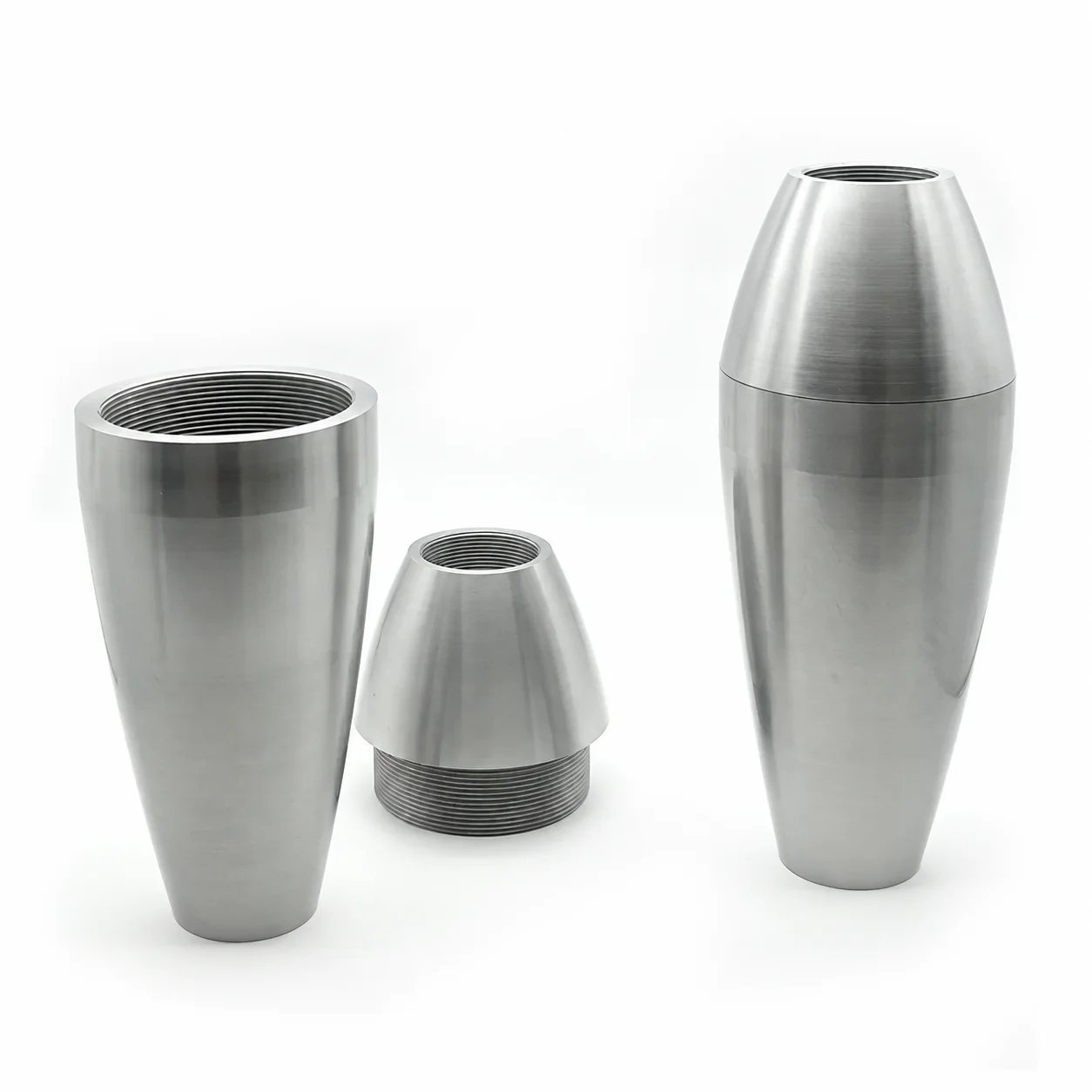
Custom precision casting inquiries cover iron, zinc, stainless steel, aluminum alloy and brass. Sand, investment/lost-wax and die-casting routes are selected for the actual component. Material, color and surface treatment follow customer requirements, with size and tolerance defined by the customer drawing.
Material and casting route on the drawing
Identify the actual material designation and part geometry required for the customer's defined component task. Select which casting route applies to that material and component, then connect the choice to the important dimensions and interfaces. The drawing should establish the particular part and finished condition that the manufacturing request needs to address.
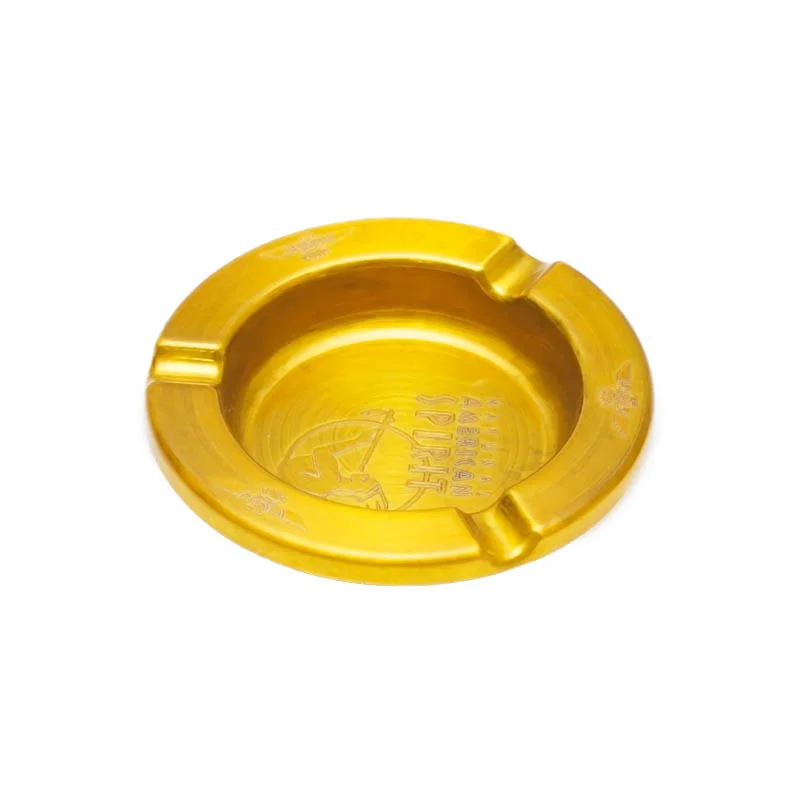
Customer color and surface requirements
Define the required color and the surface treatment needed for the selected casting. Identify the areas receiving that work and their relationship to the component's function. Agree the appearance and dimensional acceptance for those areas, keeping the material and surface requirements within the same drawing-defined part scope.
Drawing tolerances and inspection coverage
Size, tolerance and applicable acceptance requirements follow the customer drawing. Inspection covers 100% of the custom parts in that defined casting request. Identify the controlled dimensions, measurement methods and surfaces to assess, and agree the inspection criteria for the selected material and route. Include the actual function and operating conditions with those requirements so the finished component is assessed against its specific drawing and use.