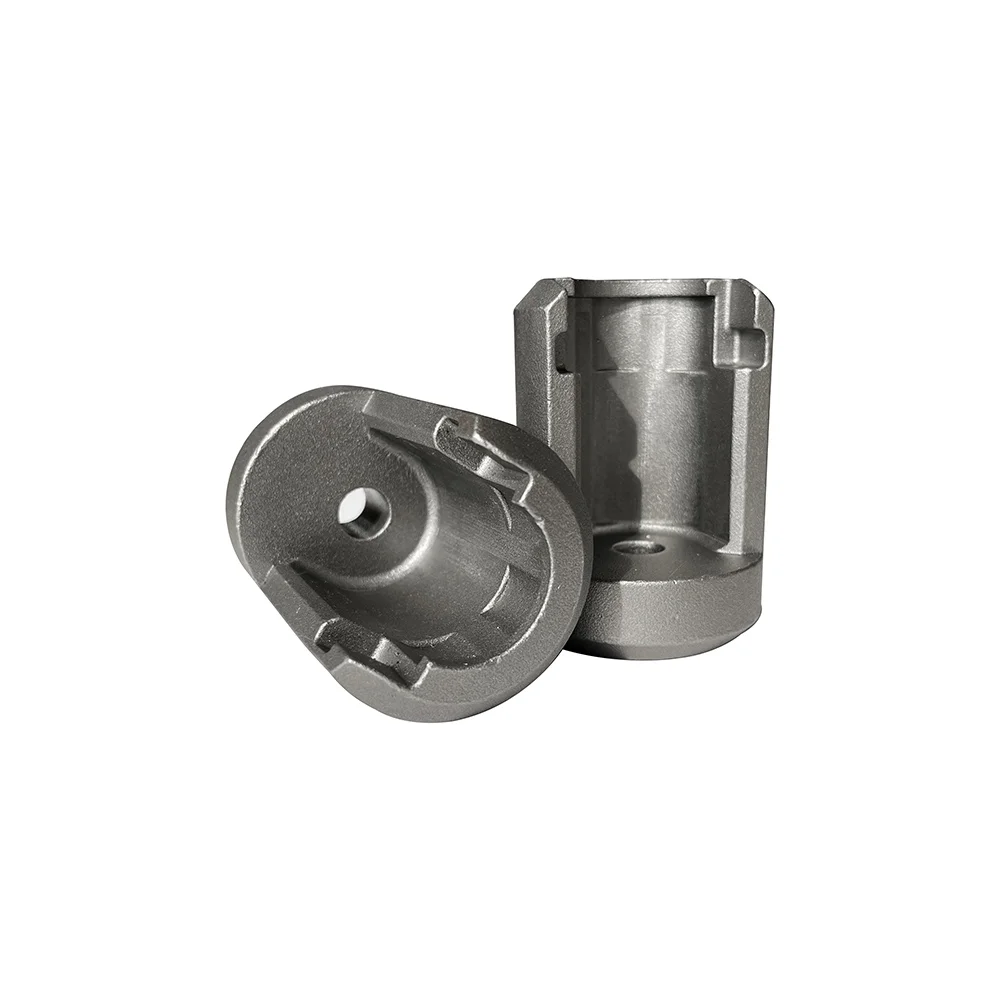
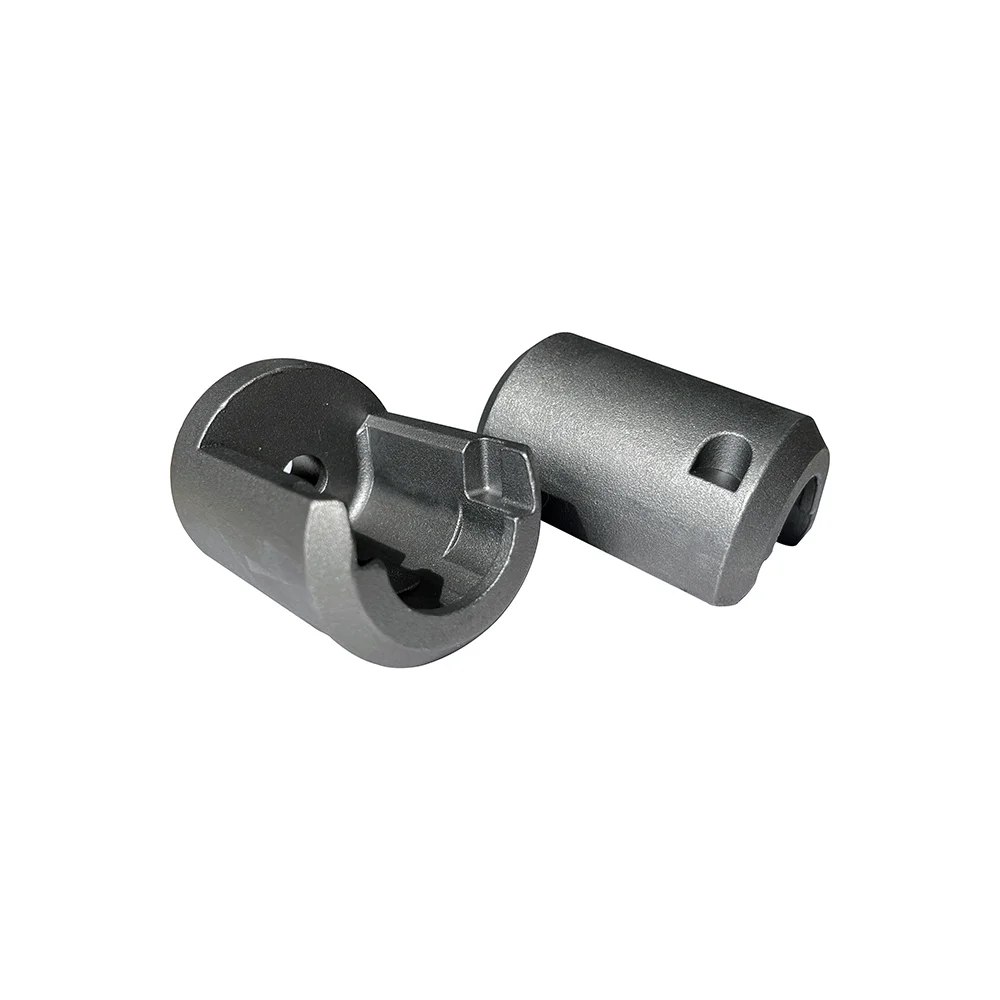
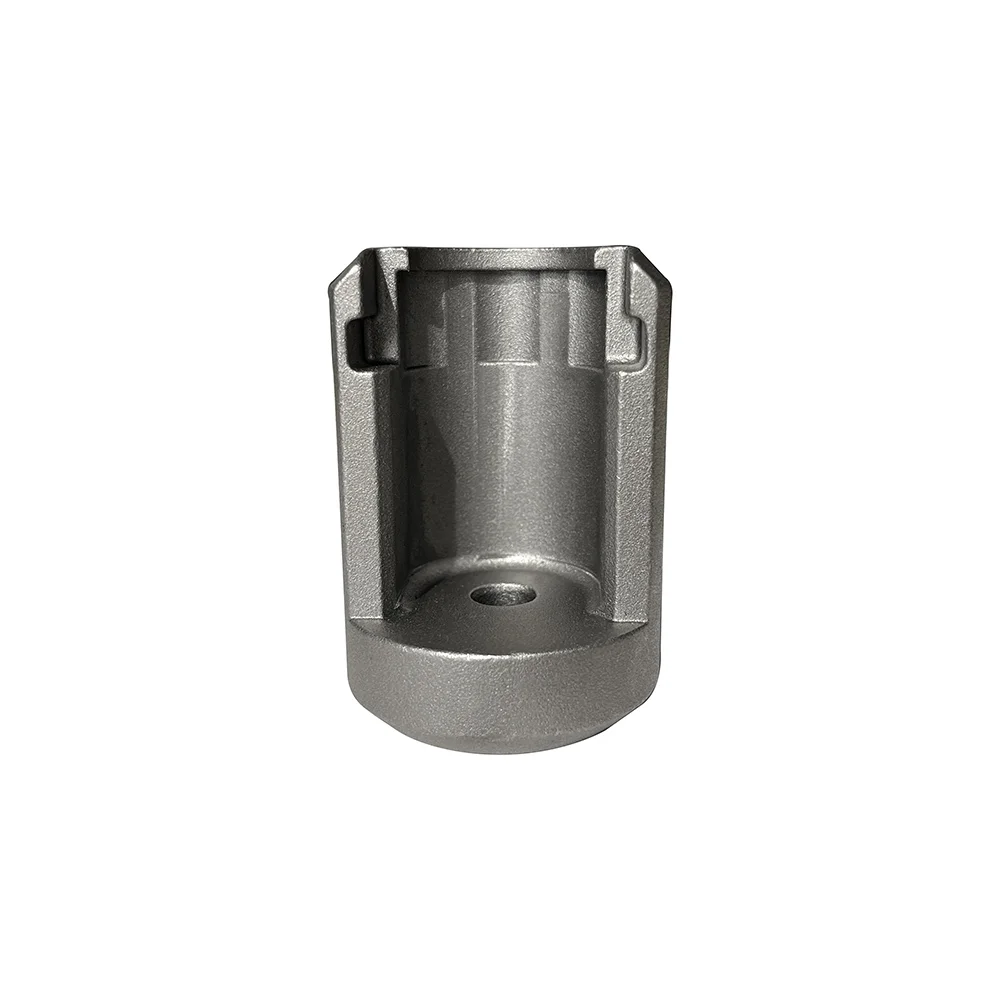
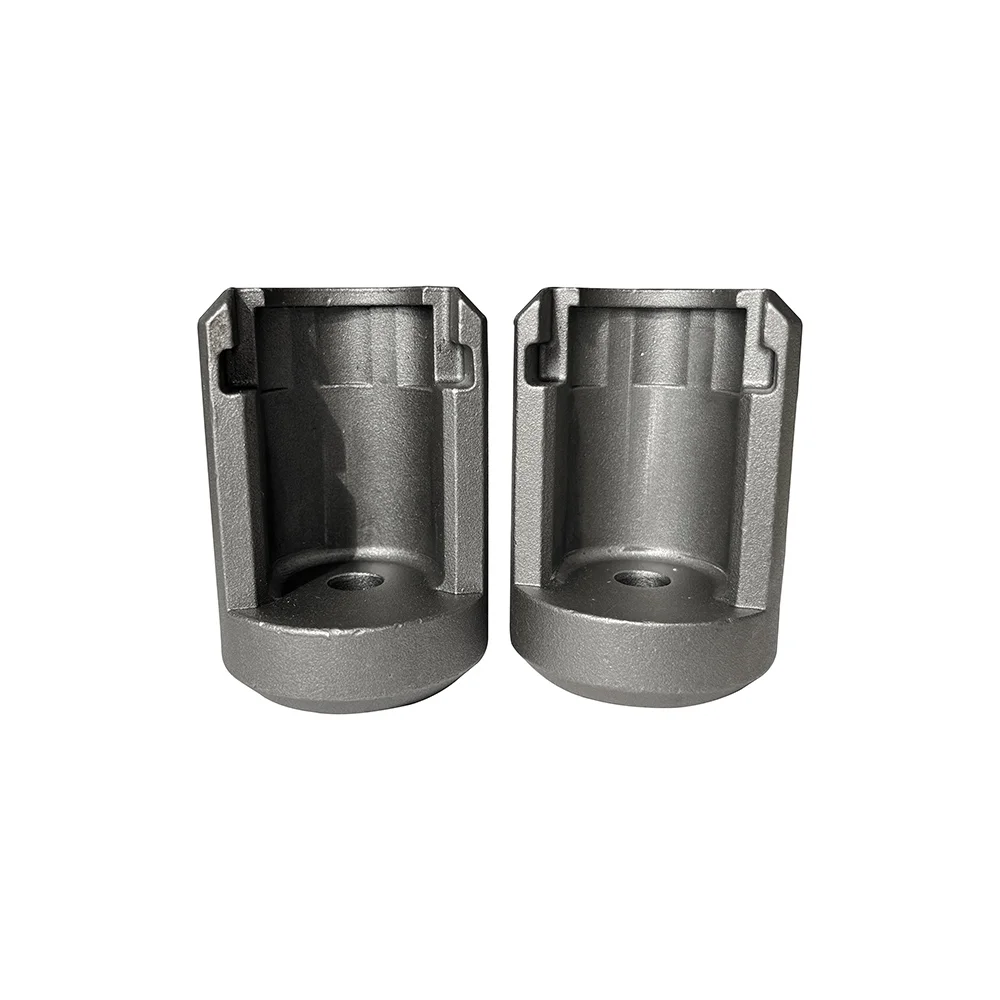
Custom Iron Agricultural Machinery Investment Castings | Stainless/Alloy Enquiries and CT6–CT7
Let’s define your requirement
Send a product link, drawing or short brief. We’ll work through the details with you.
- Confirm the specificationGrade or model, size and intended use.
- Define your orderQuantity, finish or configuration, and samples.
- Agree the quotation scopeIncluded work, key checks and delivery needs.
-
MaterialStainless Steel,Alloy
-
ApplicationAgricultural Machinery Parts,Industrial EquipmentProcessCasting +Machining(if Need)+surface Treatment
-
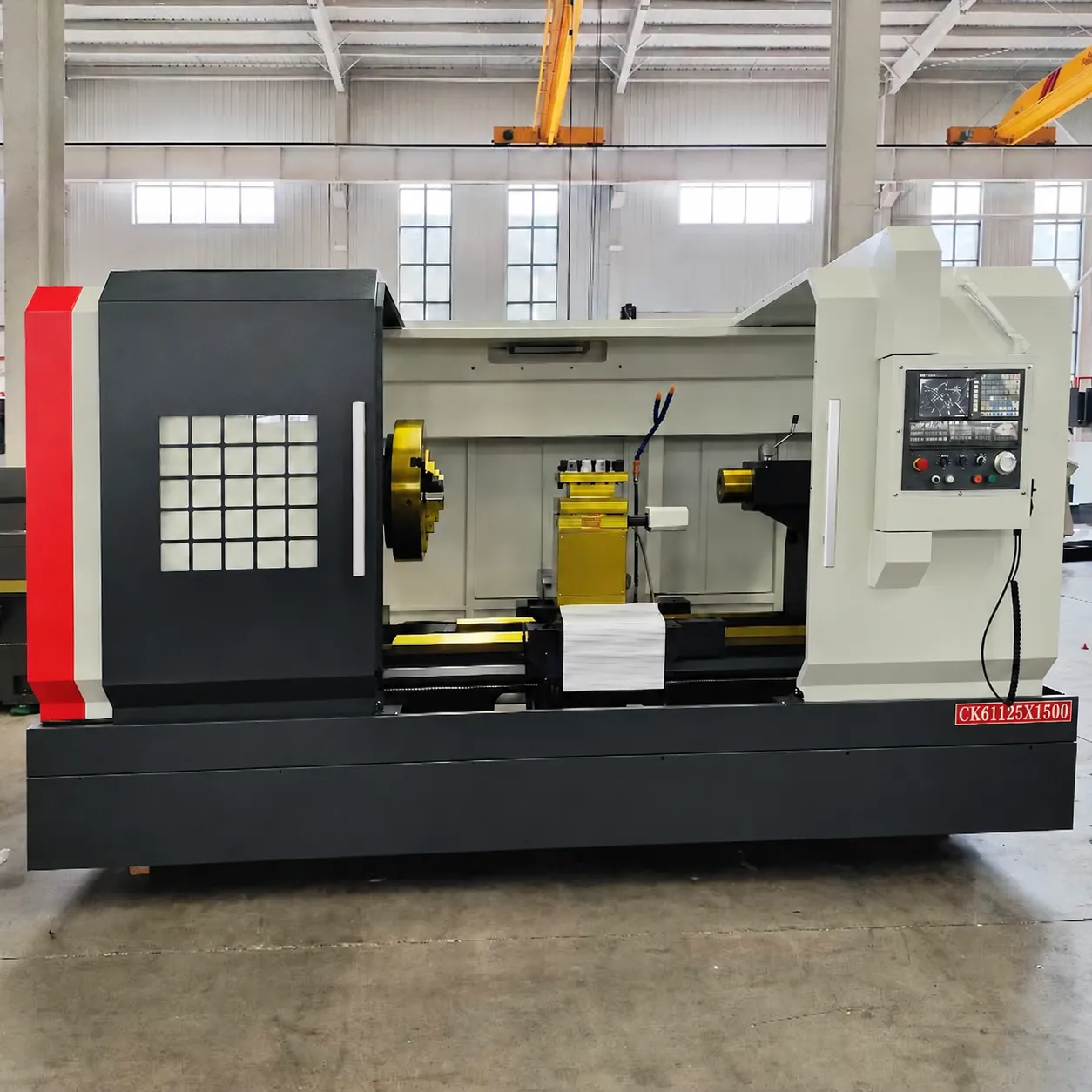
DimensionsCustmer's DrawingsMachining ProcessMachining Center
-
ToleranceCT6-CT7Drawing format2D/(PDF/CAD)3D(IGES/STEP)
-
MOQ500pcsLead Time45-50 Days
-
InspectionSkilled QC
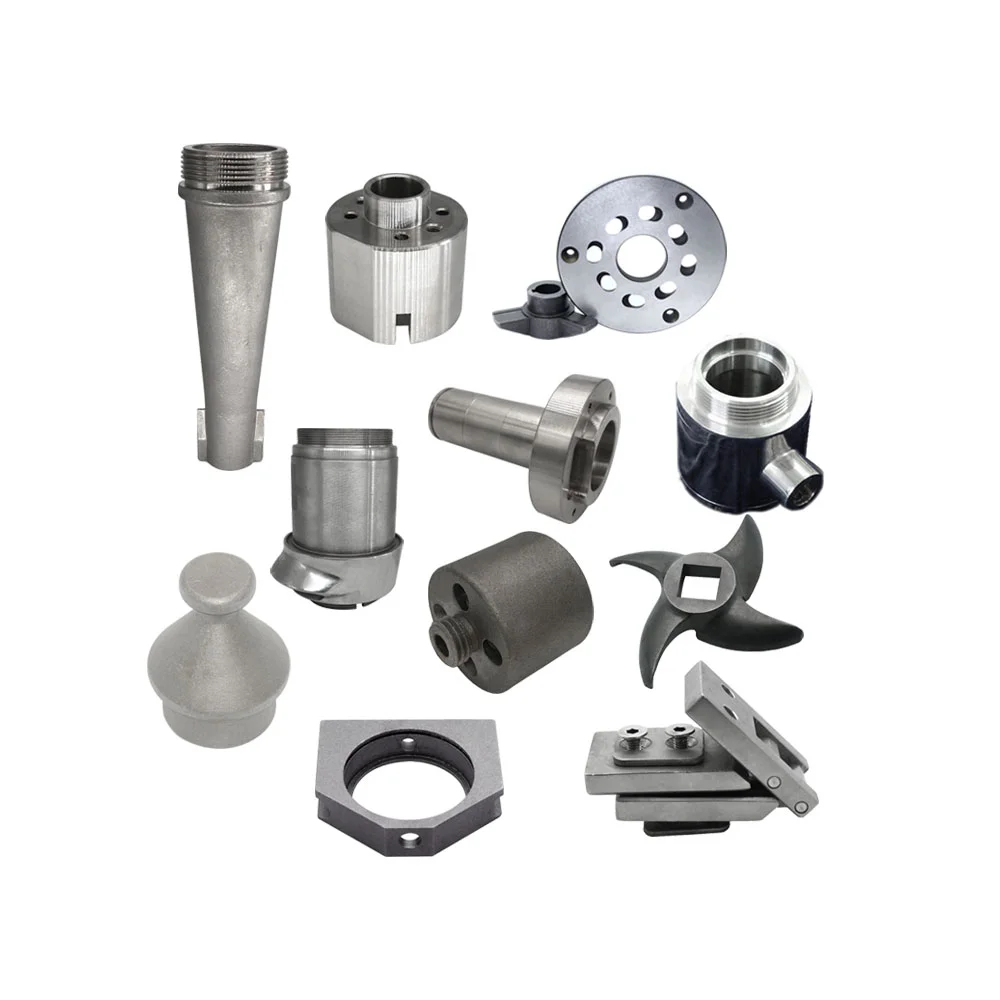
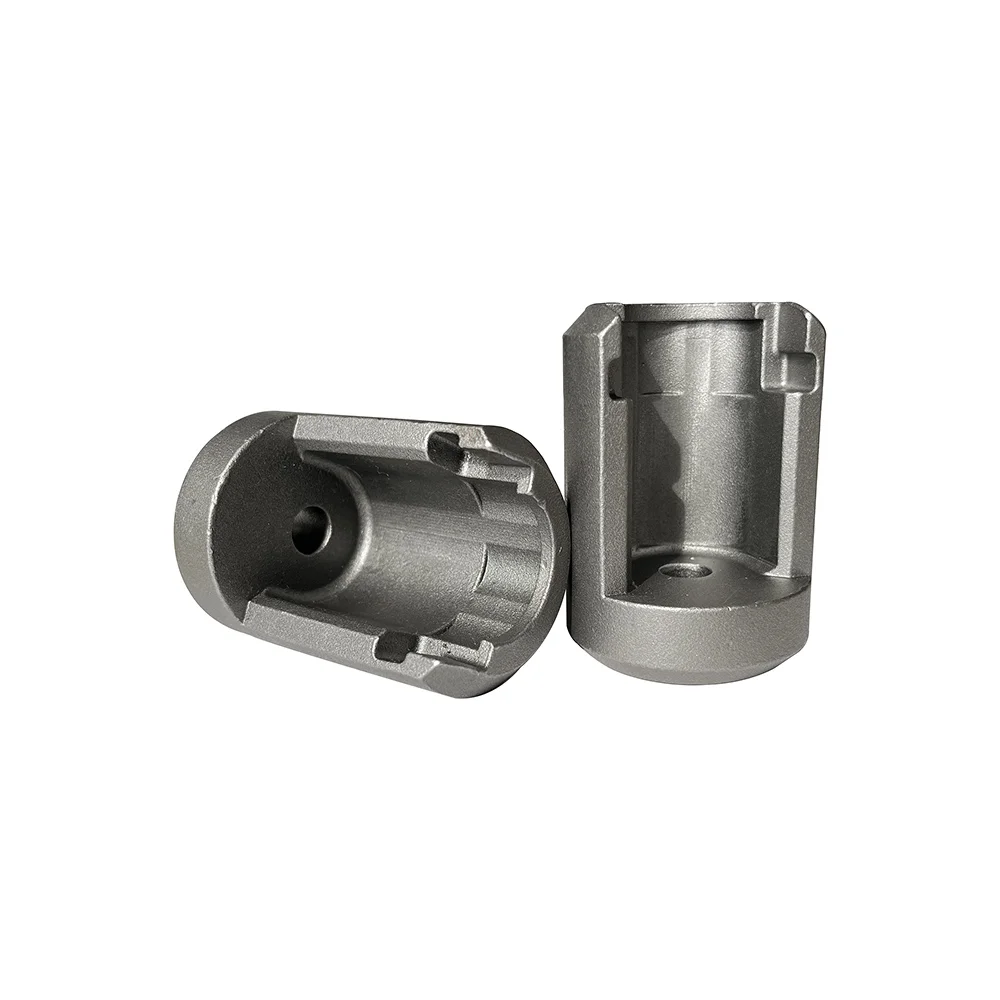
Custom agricultural-machinery and industrial-equipment part enquiries include iron investment-casting directions. Stainless steel and alloy are further material directions. Choose the actual grade and component drawing, then agree the manufacturing scope and accepted finished requirements.
Application and drawing requirements
Dimensions follow the customer's drawing for the selected part. Identify the component's working conditions and the geometry relevant to its agricultural or industrial use. PDF and CAD are 2D drawing formats, while IGES and STEP support 3D geometry. Agree the drawing revision and the requirements controlled by the drawing and model.
Casting and selected machining
Casting with machining if needed and surface treatment is offered. Machining-center capability supports the machining direction. The tolerance reference is CT6–CT7, with covered dimensions and manufacturing stage to agree. Identify the details needing selected machining and their dimensional and surface acceptance.
Surface result and skilled quality control
Define the surface treatment and accepted condition for the actual material. Skilled quality control is offered for the component. Agree the characteristics to inspect and the criteria used to accept the requested result.
- Identify the grade, component drawing and operating conditions.
- Define the selected casting, machining and surface-treatment scope.
- Agree the covered dimensions, finished surfaces and inspection requirements.