
Custom Furniture Door-Lock Parts | 304 Stainless Steel, Aluminum, Precision Investment/Lost-Wax Casting and Machining
Let’s define your requirement
Send a product link, drawing or short brief. We’ll work through the details with you.
- Confirm the specificationGrade or model, size and intended use.
- Define your orderQuantity, finish or configuration, and samples.
- Agree the quotation scopeIncluded work, key checks and delivery needs.
-
Surface FinishPolishedAlloy Grade304
-
Namelost wax casting parts
-
Material304ApplicationFurniture door locks
-
Processlost wax castingSurface treatmentpolished surface
-
SizeCustomizedDimensionsCustomized Size
-
ColorAs customer requestLead Time10-20Days
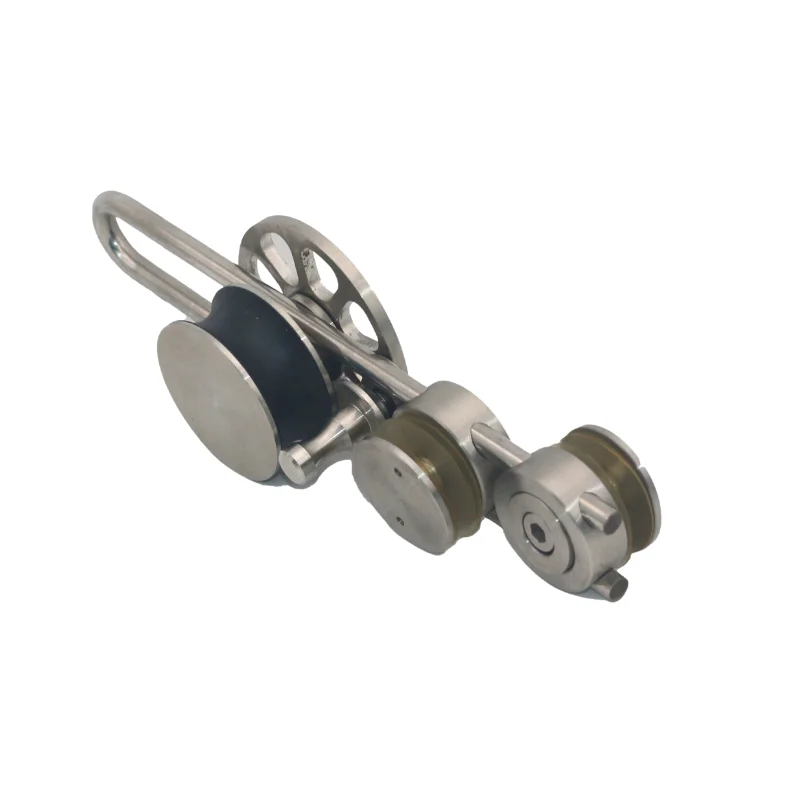
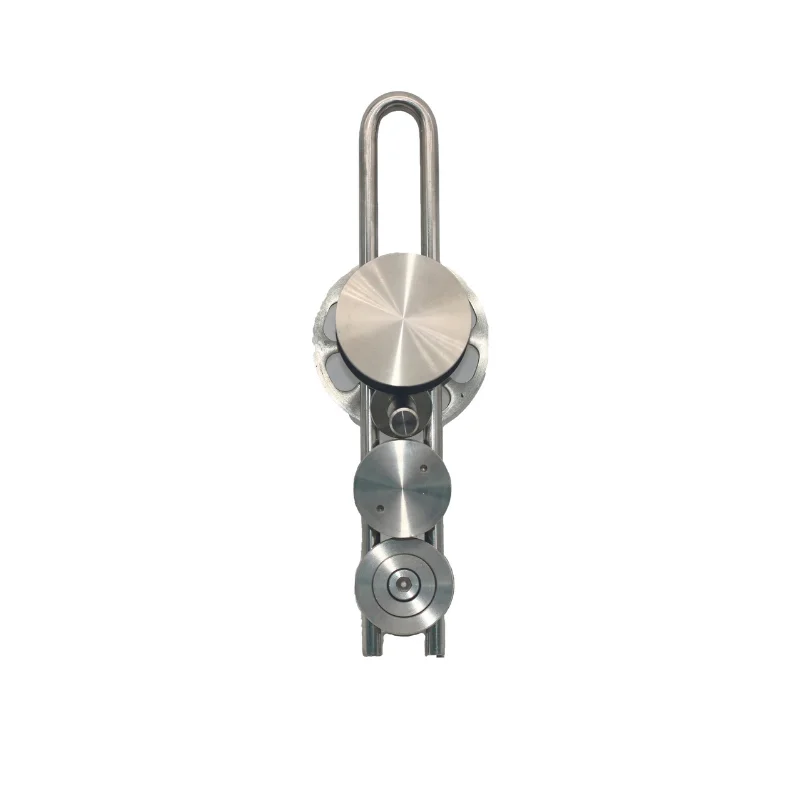
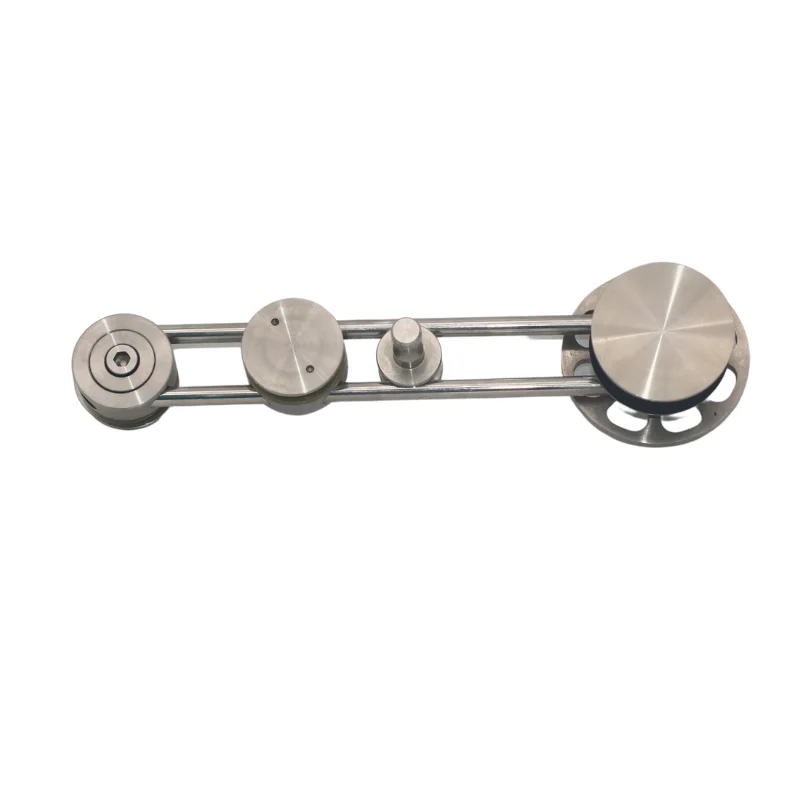
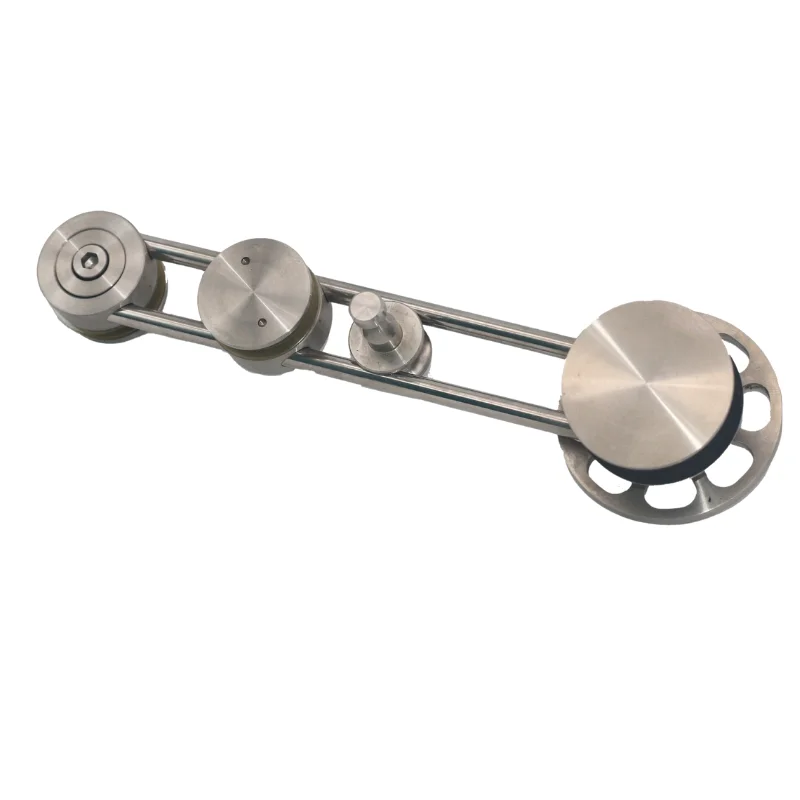
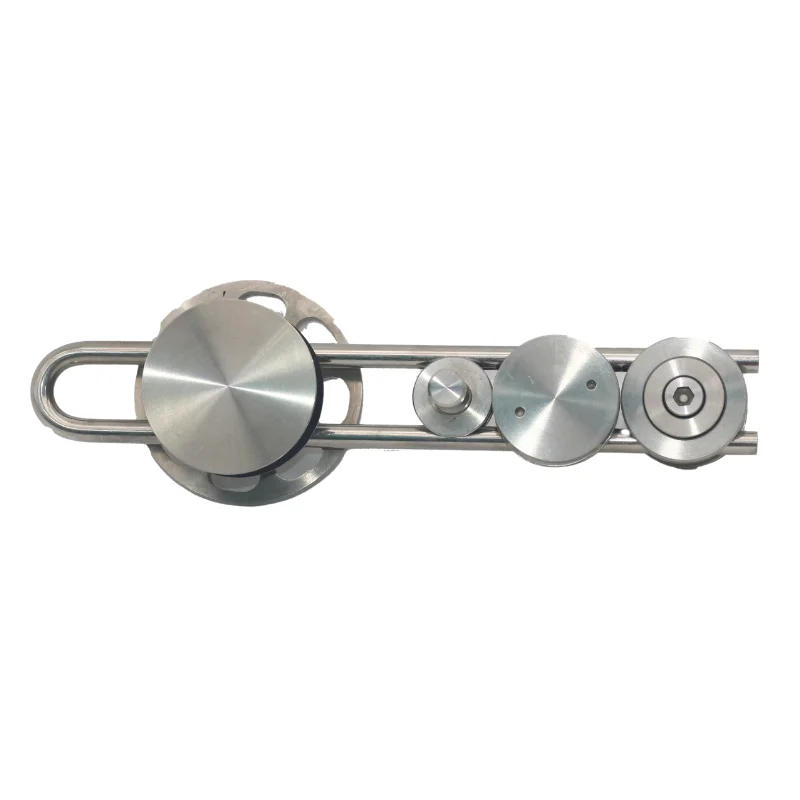
Custom furniture door-lock parts are directed to precision investment/lost-wax casting and machining. A 304 stainless-steel material reference accompanies aluminum/steel material directions for selection. Size, dimensions and color follow customer requirements, with a polished-surface direction for the actual component.
304 or the selected material and lock geometry
Identify the actual lock component and material needed for the furniture or door task. Select the stainless 304 or other requested material direction with its geometry and important interfaces. Connect those requirements to the cast and any machined areas so the manufacturing discussion concerns one defined furniture-door-lock part and its intended function.
Customized dimensions and mating interfaces
Specify the size and dimensions required at the part's actual furniture/door interfaces. Agree which dimensions are accepted as cast and which require machining within the selected work scope. Relate their dimensional and inspection criteria to the component's geometry and use, keeping the custom casting and finished-part requirements clear for the selected material.
Polished surfaces, color and finished acceptance
Define the areas that need a polished surface and the customer's requested color. Connect their appearance acceptance to the chosen material and the component surfaces that matter to the furniture lock. Agree the dimensional, surface and color inspection needed for those requirements. The selected grade, geometry, interfaces and polished appearance then establish a concrete custom-part inquiry and its finished acceptance.








