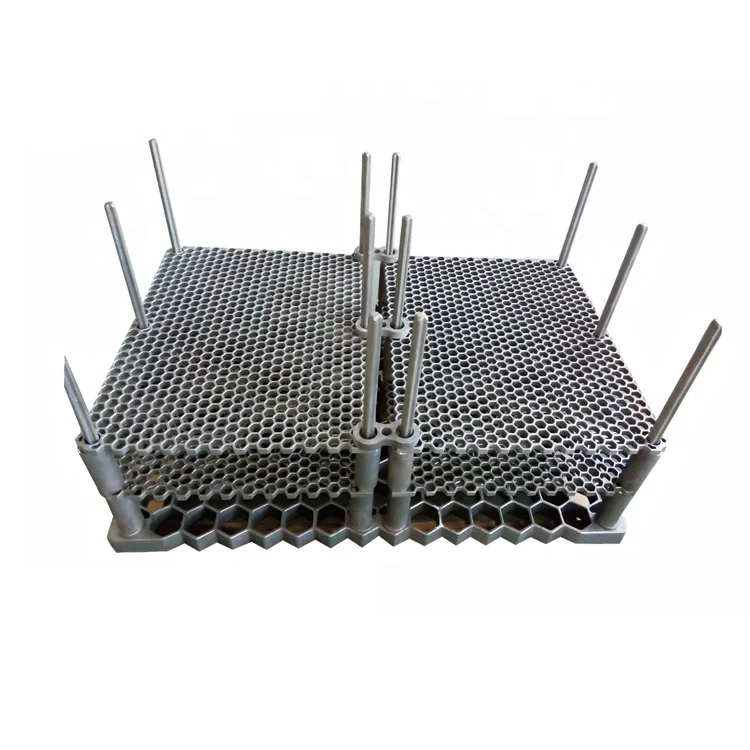
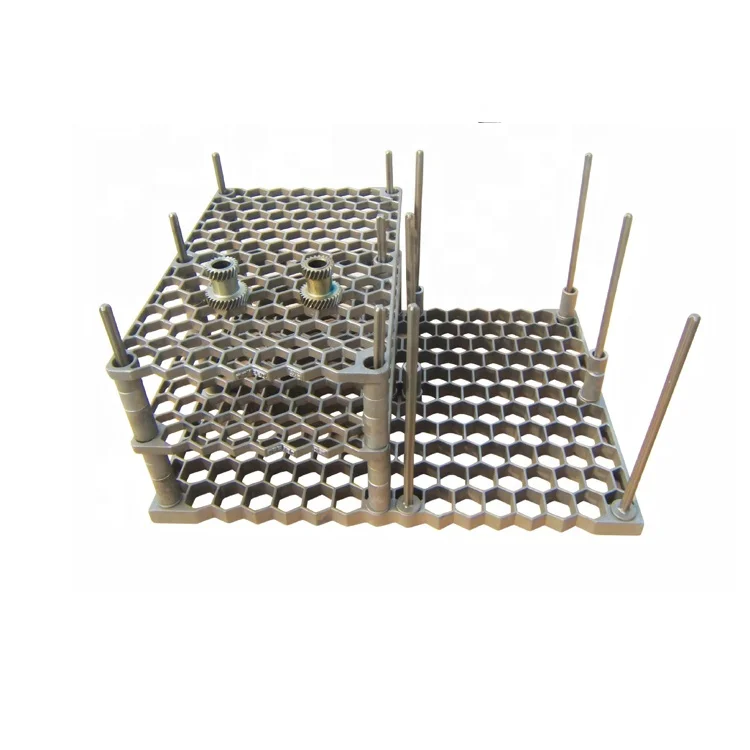
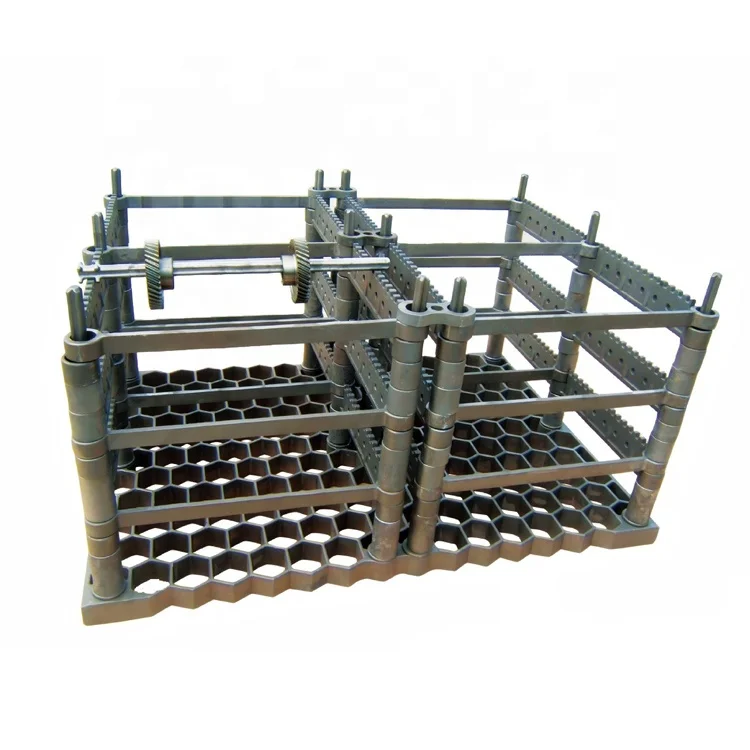
Custom Cr25Ni35Si2 Industrial-Furnace Material Trays | Lost-Wax Casting, Shot Blasting and Precision Finishing
Let’s define your requirement
Send a product link, drawing or short brief. We’ll work through the details with you.
- Confirm the specificationGrade or model, size and intended use.
- Define your orderQuantity, finish or configuration, and samples.
- Agree the quotation scopeIncluded work, key checks and delivery needs.
-
Surface FinishShot Blasted
-
Main MaterialCr25Ni35Si2
-
Cast TypeLost Wax CastingSurface TreatmentShot Blasting
-
Quality ControlProfessional Inspection;SpectrometerCertificationISO9001
-
ProcessCasting,Forming,Precision Finishing,Surface TreatmentCustomizedYes
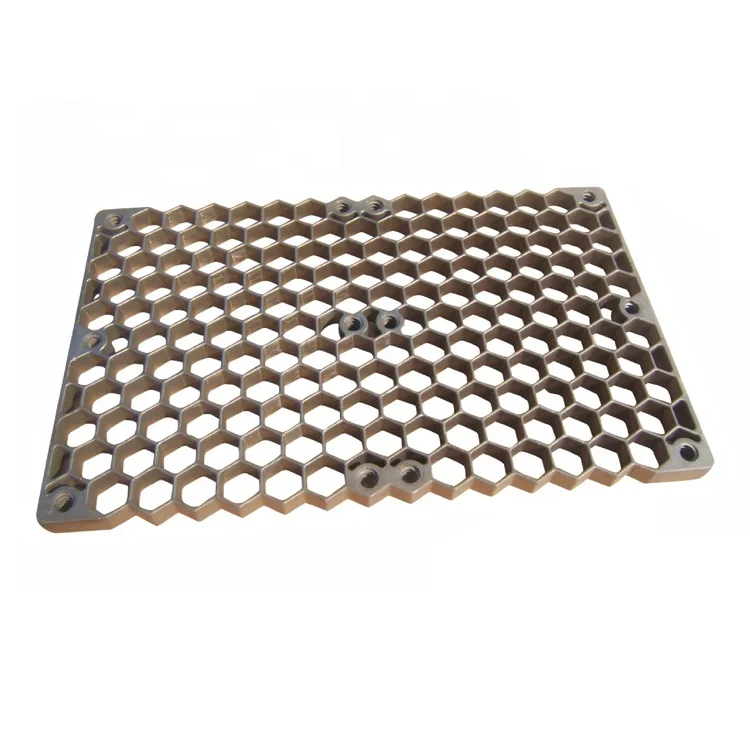
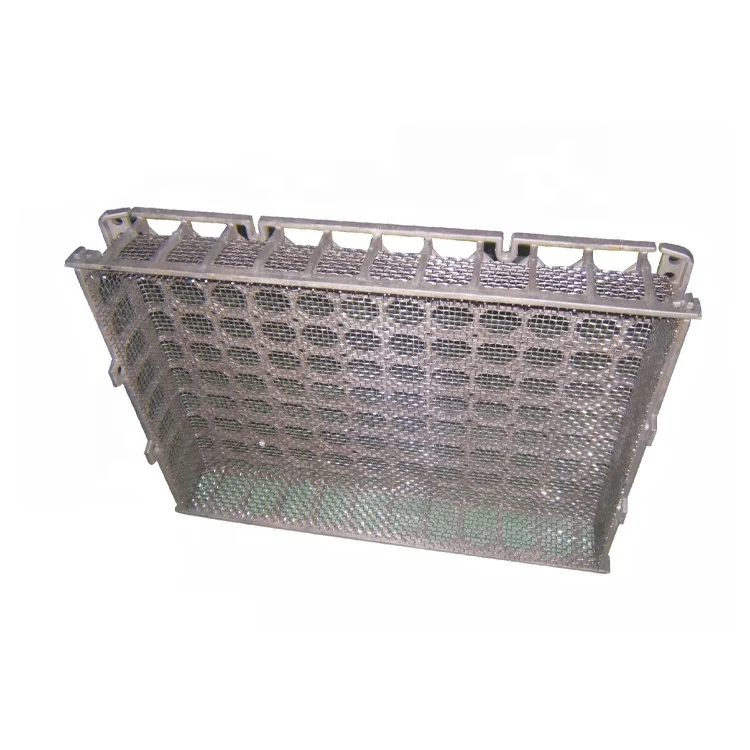
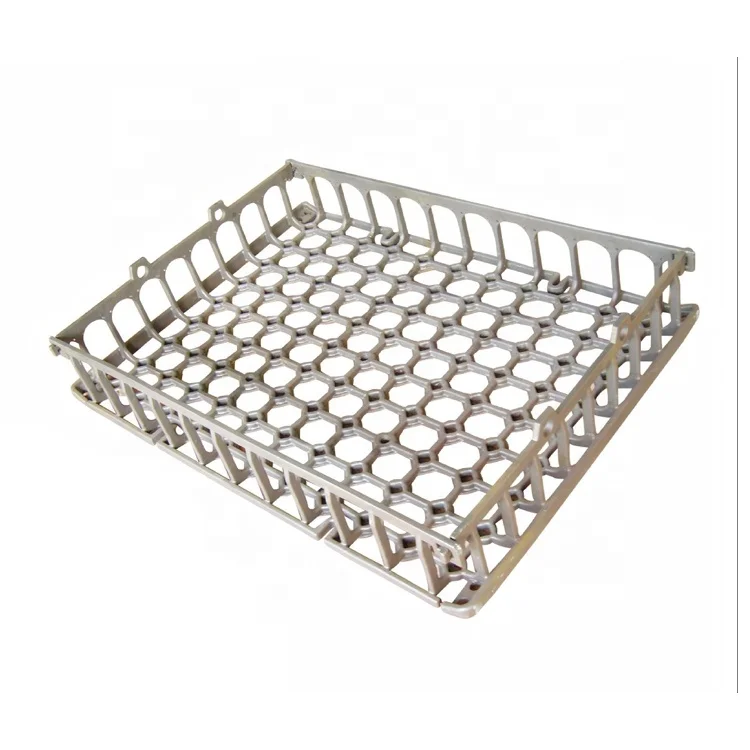
Custom industrial-furnace material trays use Cr25Ni35Si2 lost-wax casting and shot blasting. The manufacturing scope includes casting, forming, precision finishing and surface treatment. Professional inspection and spectrometer use accompany the quality-control direction for the requested tray.
Tray geometry within the furnace
Define the tray dimensions, support points and contact areas needed for the actual furnace arrangement. Connect the custom geometry to the material it carries and the way the tray is supported during the intended operation. These details give the Cr25Ni35Si2 component a specific dimensional and functional definition, including the interfaces that need inspection.
Lost-wax work through the finished surface
Casting, forming and precision finishing are the manufacturing stages to define for the selected tray. Shot blasting is the named surface-treatment direction. Identify the areas requiring that treatment and agree their finished condition with the tray dimensions and contact geometry. The process and surface requirements should address the actual component and the acceptance needed at its working interfaces.
Furnace duty and inspection agreement
Specify the operating temperature, atmosphere, load and cycle conditions for the furnace task. Relate those conditions to the selected tray geometry and Cr25Ni35Si2 material requirement. Agree the professional-inspection scope, spectrometer criteria and dimensional/surface acceptance for that particular tray. A defined duty and inspection plan allow the material designation and finished component to be considered together for the intended furnace operation.