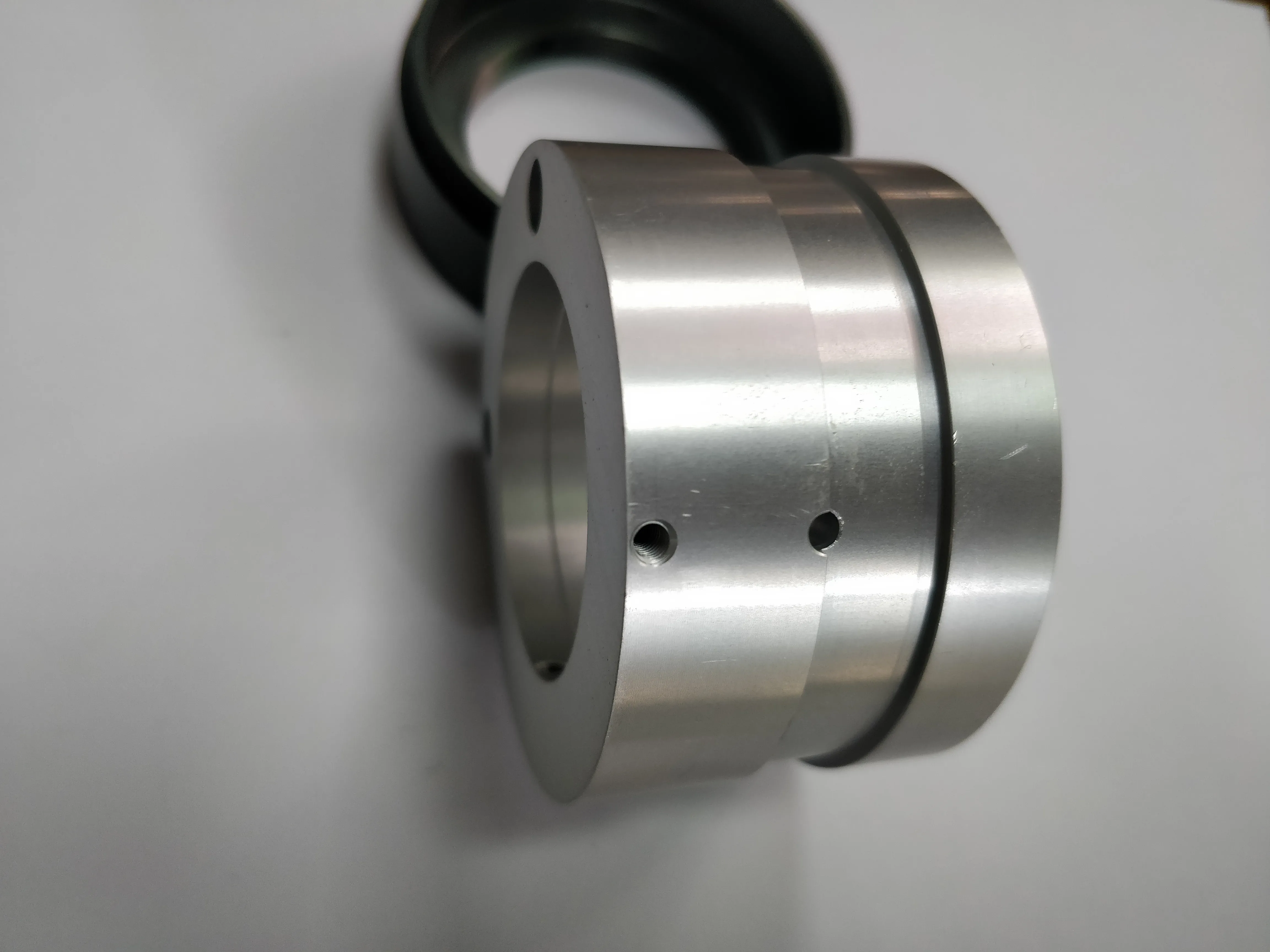
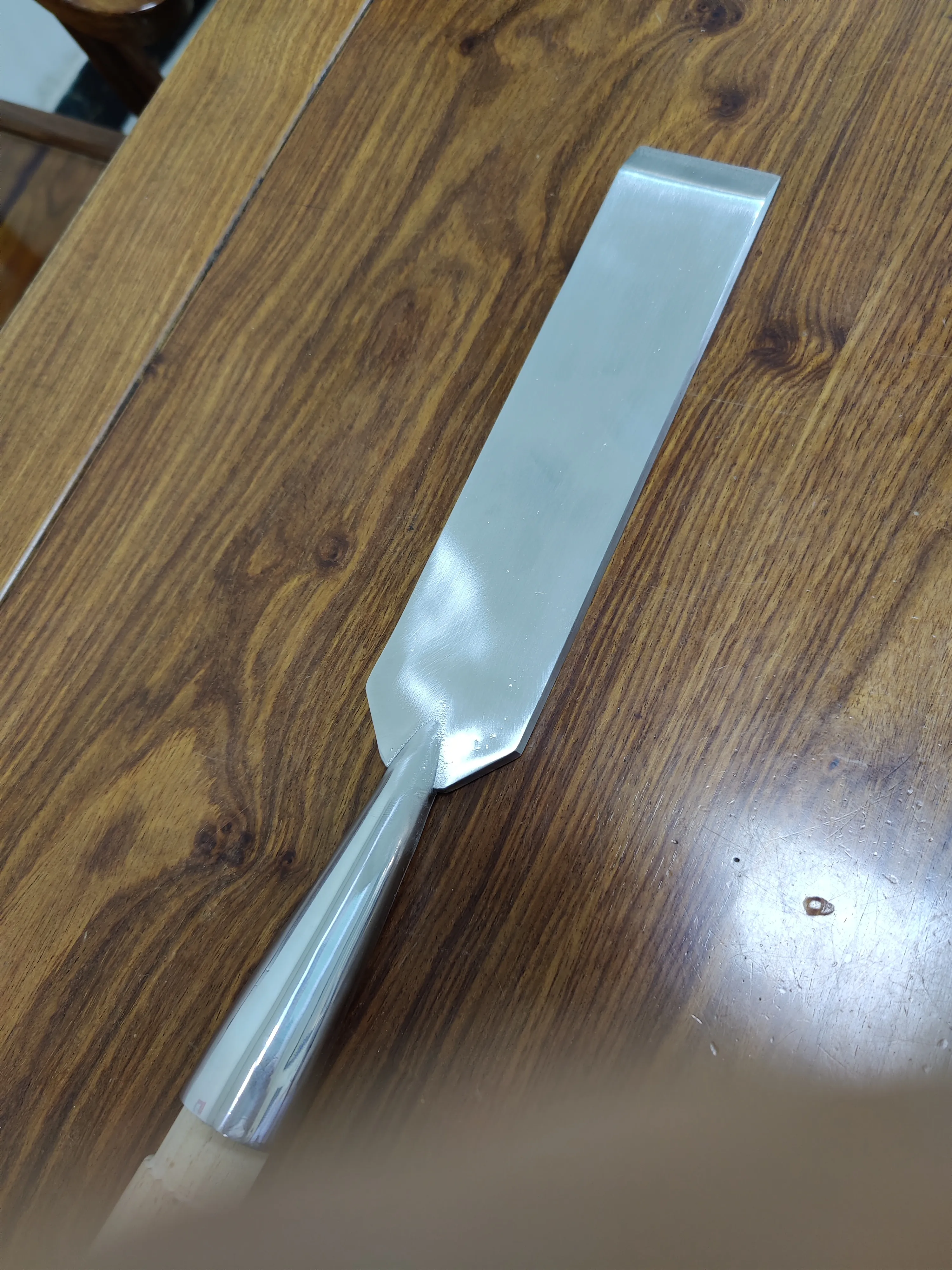
Custom Copper/Brass/Iron & 304/316 Stainless Steel Investment/Lost Wax Castings | Polishing
Let’s define your requirement
Send a product link, drawing or short brief. We’ll work through the details with you.
- Confirm the specificationGrade or model, size and intended use.
- Define your orderQuantity, finish or configuration, and samples.
- Agree the quotation scopeIncluded work, key checks and delivery needs.
-
Surface FinishPolished
-
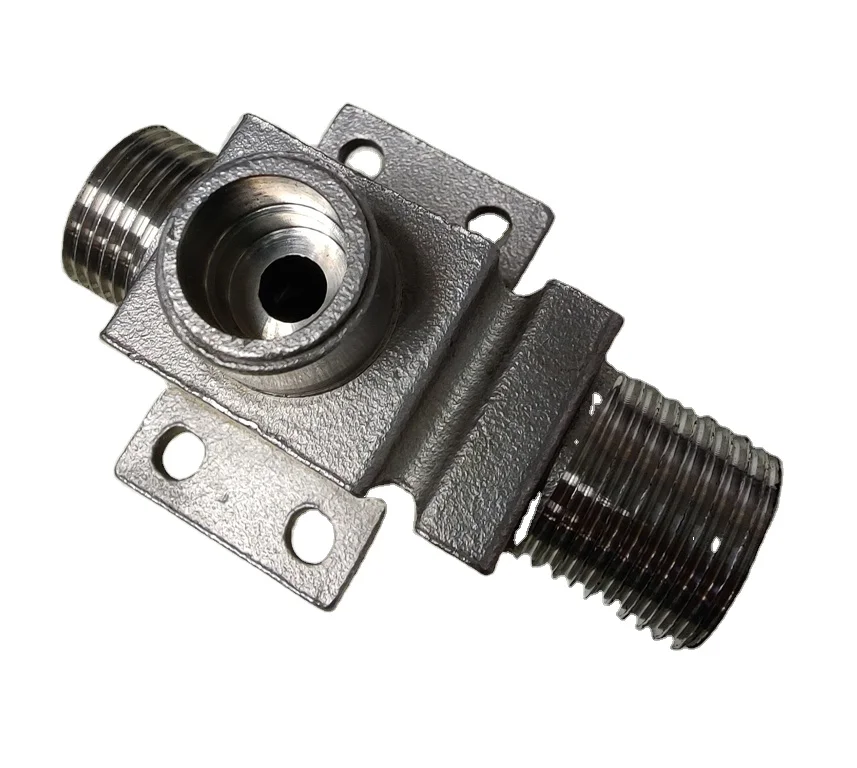
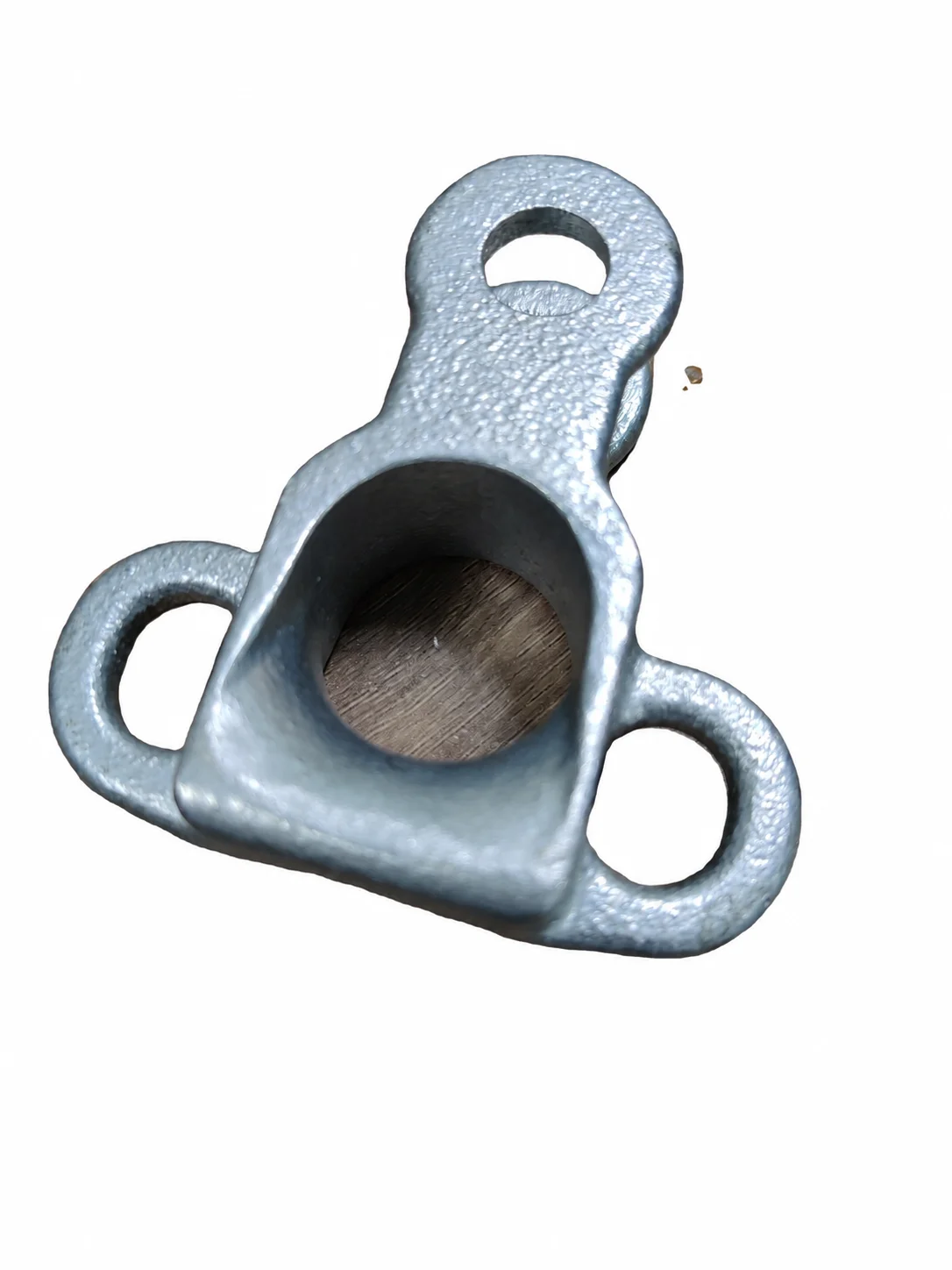
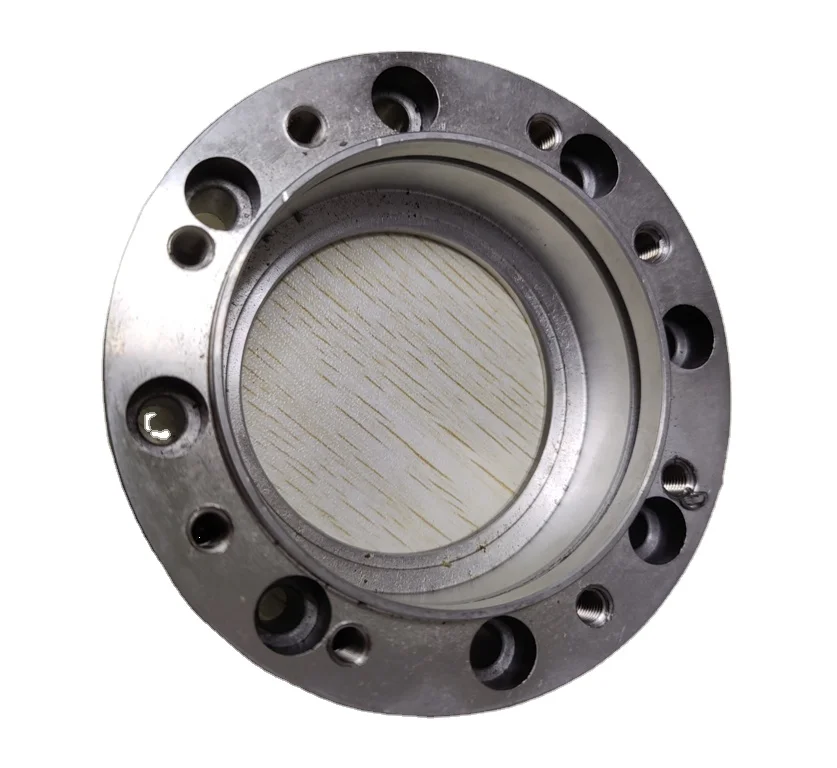
Product nameLost Wax Cast Iron Stainless Steel 304 316 Investment Casting
-
MaterialStainless Steel,Iron, Copper, BrassProcessCasting +Machining(if Need)+surface Treatment
-
Tolerance0.02mmSurface treatmentPolishing
-
StandardCustomers' DrawingsServiceOEM ODM Customised
-
Quality Control100% Inspected /ISO9001 SystemCertificationISO9001/TS16949/RoHS
-
MOQ1 Piece
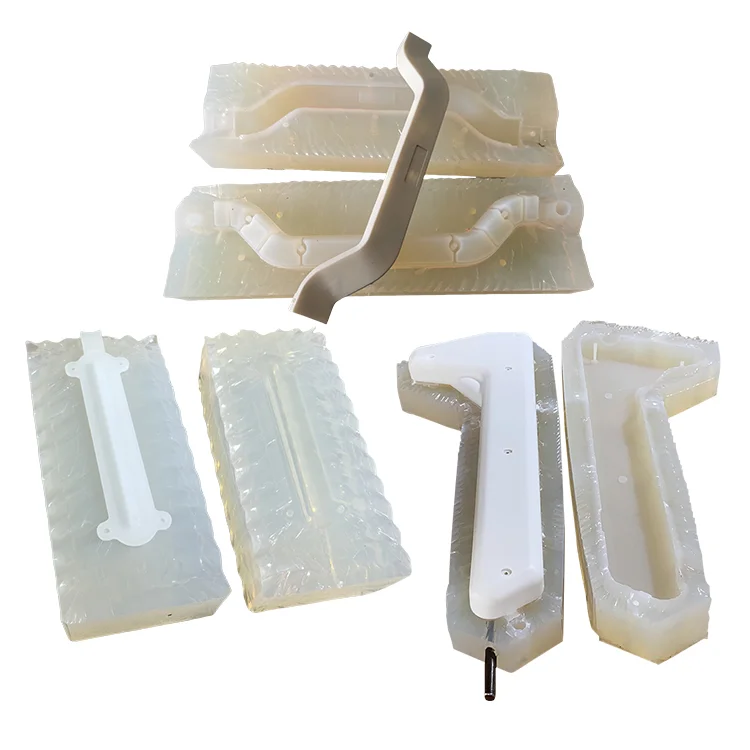
Custom precision casting covers copper, brass, iron and stainless steel through investment and lost wax casting. Stainless choices include 304 and 316, with OEM/ODM customization, optional machining and polishing supporting the finished component requirement.
304 or 316 alongside other casting metals
Choose the actual copper, brass, iron or stainless steel direction for the part. When stainless steel is required, identify 304, 316 or the exact grade being requested and connect that choice to the component drawing. This keeps the material selection precise while allowing the custom casting discussion to address the geometry and requirements of one defined component.
Polished surfaces and the 0.02 mm reference
The 0.02 mm tolerance is a reference to assign to the relevant dimensions and processing stage. Machining can be included when needed, with polishing providing a defined surface-treatment direction. Mark the surfaces requiring polish and distinguish their finished condition from the dimensions used to assess the component, so both requirements can be considered together.
Customer drawings and inspected acceptance
The standard for the custom work follows customer drawings. These metal castings are 100% inspected, with the specific dimensional and surface acceptance points to be agreed for the selected part. Keep the alloy, geometry, polished areas and measurement requirements in the same component definition, and confirm any relevant ISO9001, TS16949 or RoHS documentation scope when sourcing requires it.