
Custom Complex Steel Investment/Lost-Wax Casting Parts | Carbon, Alloy, Stainless and Bronze
Let’s define your requirement
Send a product link, drawing or short brief. We’ll work through the details with you.
- Confirm the specificationGrade or model, size and intended use.
- Define your orderQuantity, finish or configuration, and samples.
- Agree the quotation scopeIncluded work, key checks and delivery needs.
-
Surface FinishSandblasted
-
Item Namelost wax casting
-
Materialcarbon steel, alloy steel, stainless steel, bronze castingWeight0.1-200kgs
-
Surface treatment 1grinding, sand blastingApplicationagricultural equipment, automotive industry, railways, oil exploration
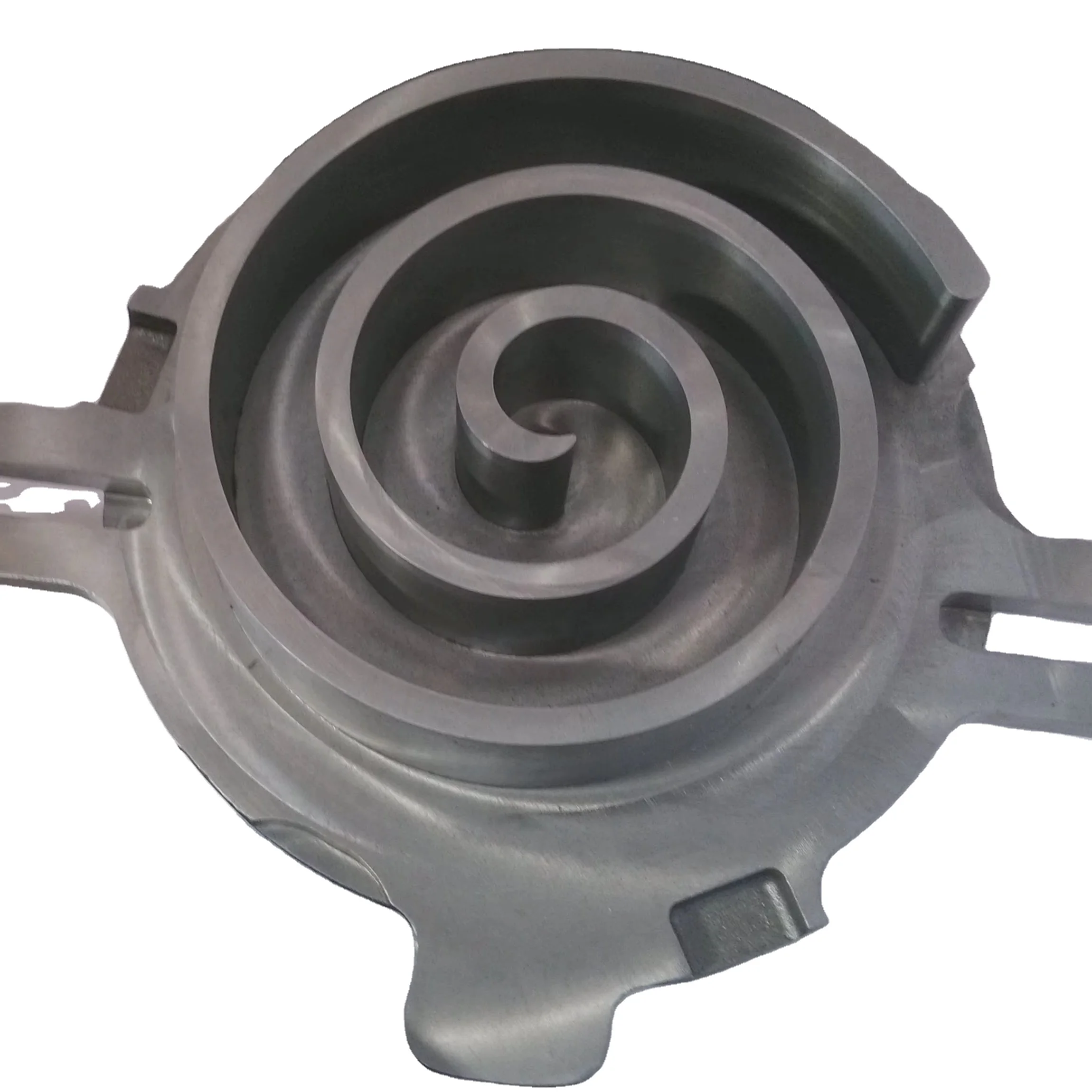
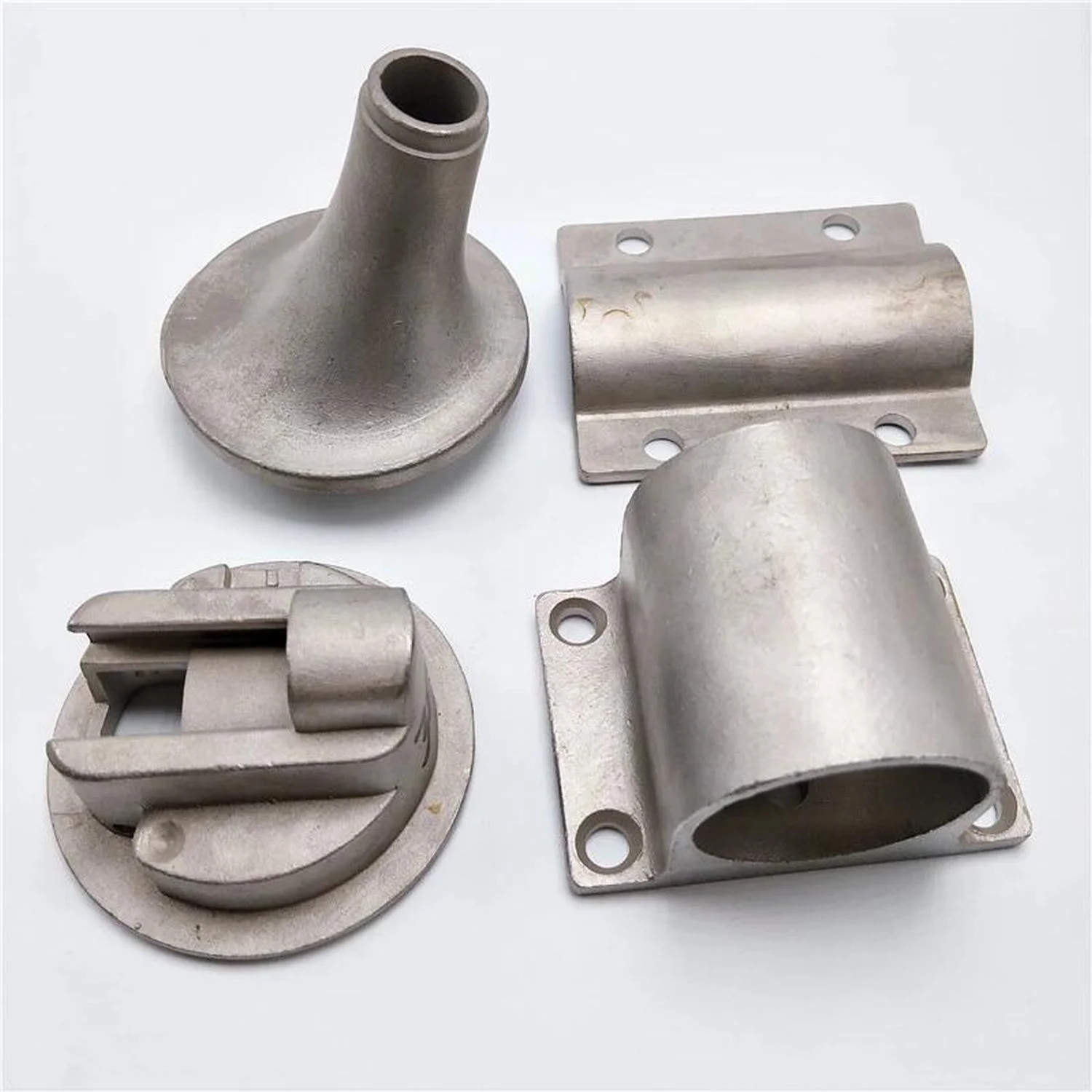
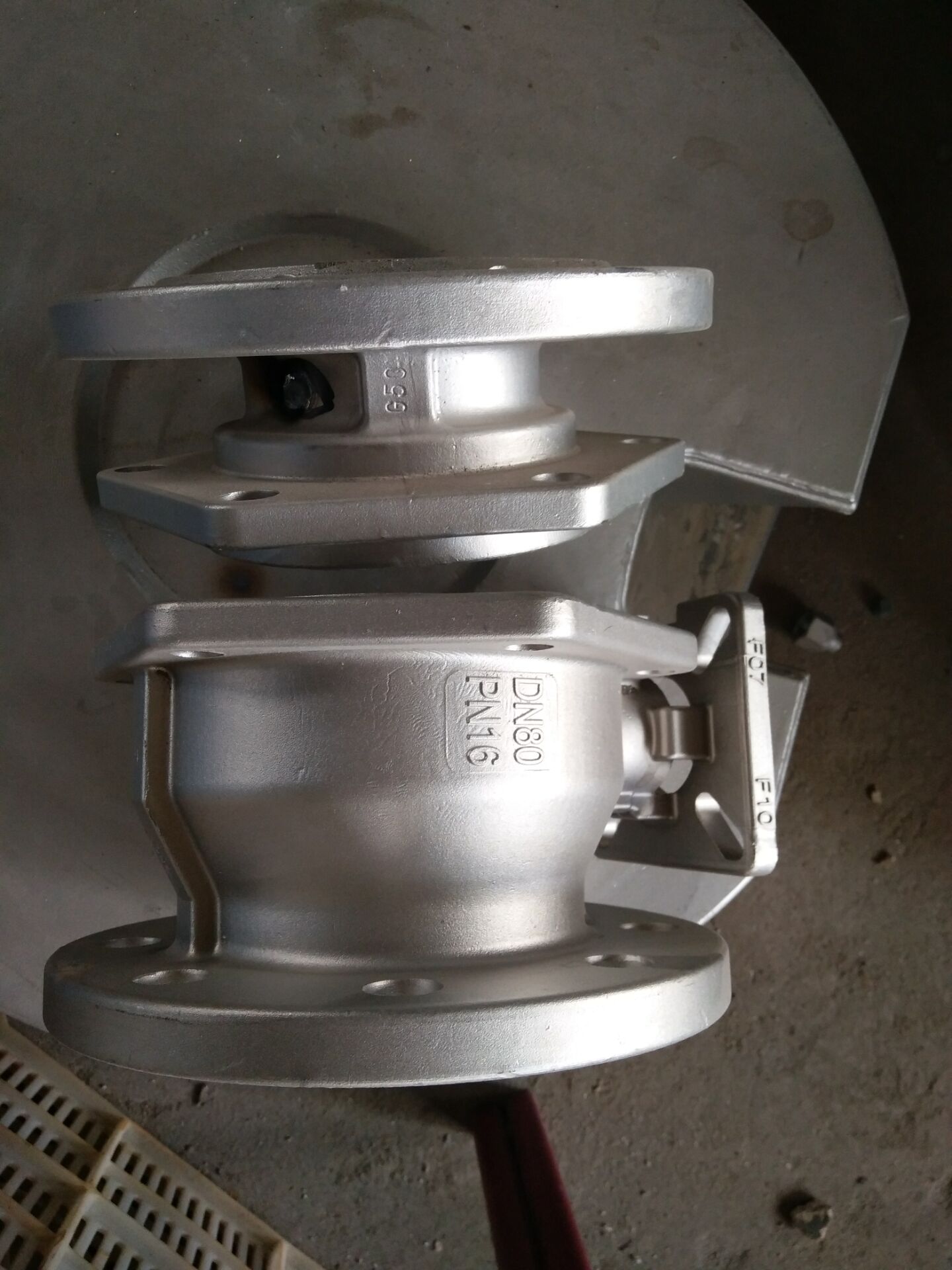
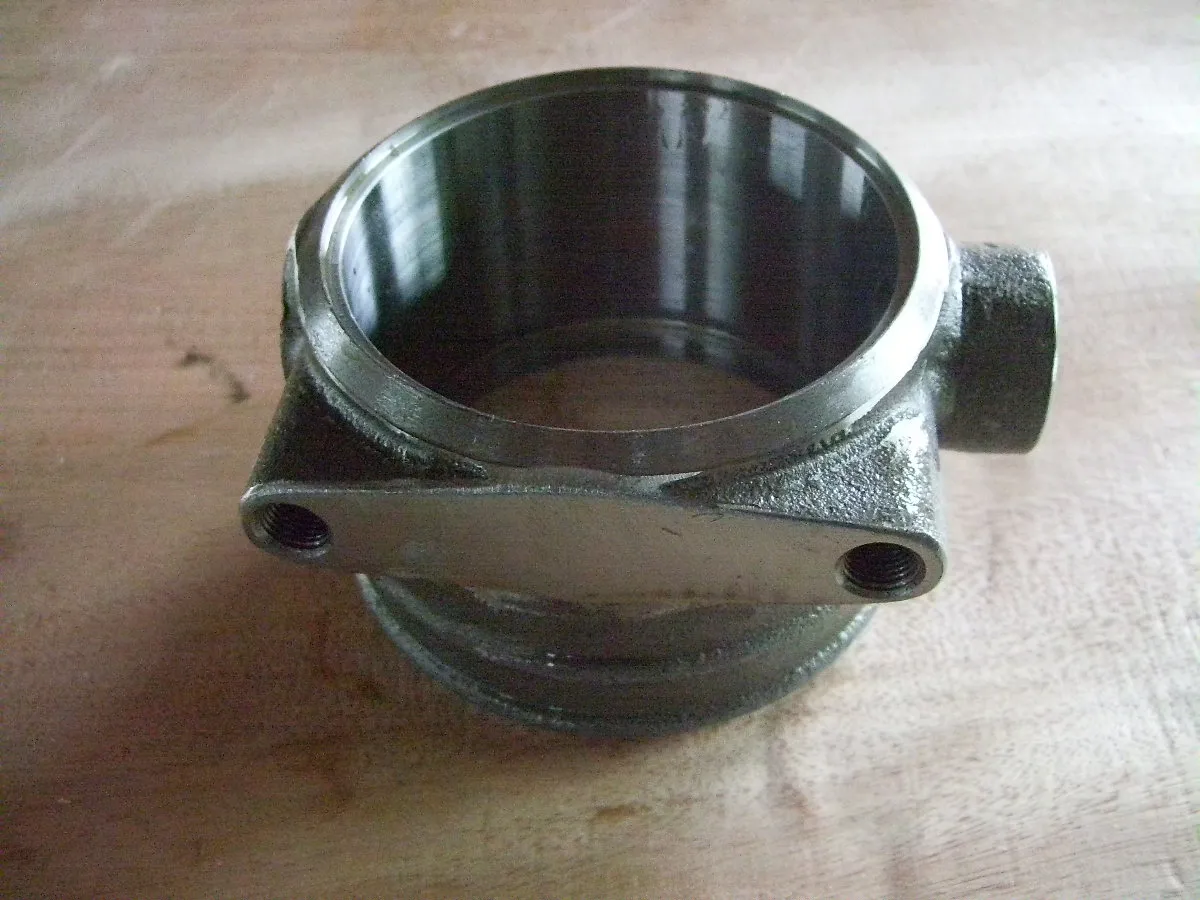
Custom complex metal parts are directed to investment/lost-wax casting in carbon steel, alloy steel and stainless steel, with bronze casting another material direction. Grinding and sandblasting are the named surface treatments. Agricultural equipment, the automotive industry, railways and oil exploration are actual application directions for the selected component inquiry.
Steel or bronze and the complex part geometry
Select the actual material grade within the carbon, alloy, stainless or bronze direction needed for the part. Define its complex geometry and the dimensions that matter to the intended component. Those requirements should describe the same casting and its intended duty, giving the material and investment/lost-wax scope a specific purpose.
Grinding and sandblasting on selected surfaces
Identify which areas require grinding or sandblasting and agree the desired surface acceptance. Relate those areas to the part's geometry, mating interfaces and actual use. This keeps the finish discussion focused on the surfaces that matter for the selected cast component and the work required on them.
Four application directions and finished acceptance
An agricultural-equipment part, automotive component, railway item or oil-exploration casting needs its own material and service definition. Establish the actual component function and operating conditions, then connect them to the chosen grade, geometry and surface-treatment areas. Agree dimensional and inspection criteria for those requirements. The resulting custom-part request can address a defined casting, its critical dimensions and its finished acceptance within the actual application.








