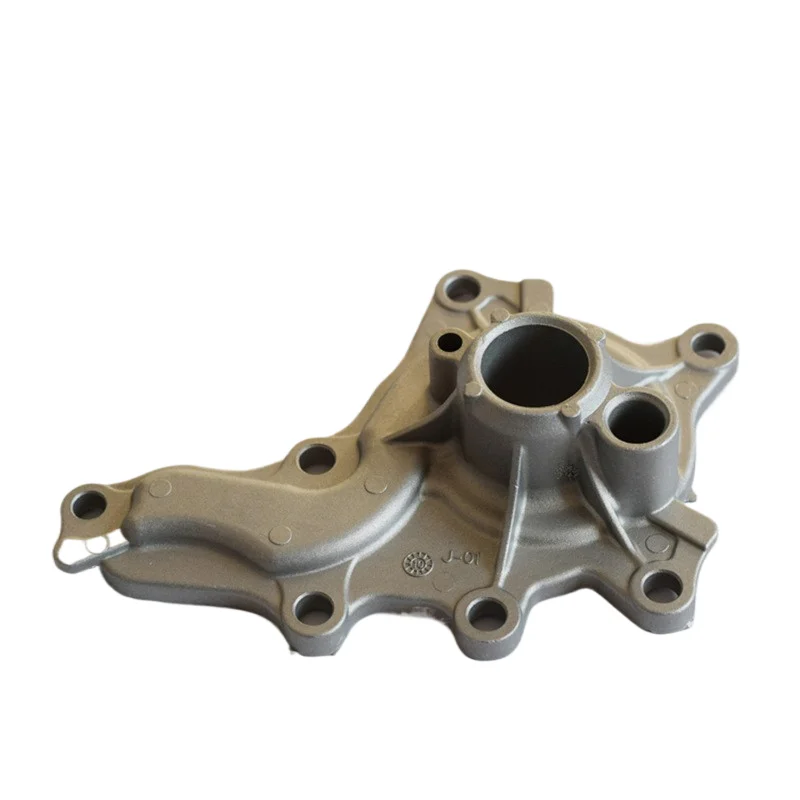
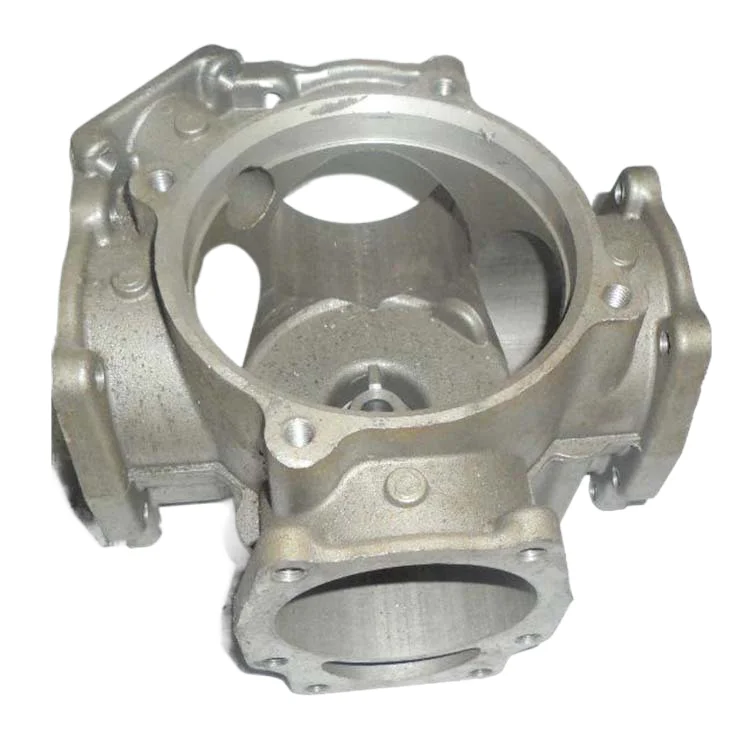
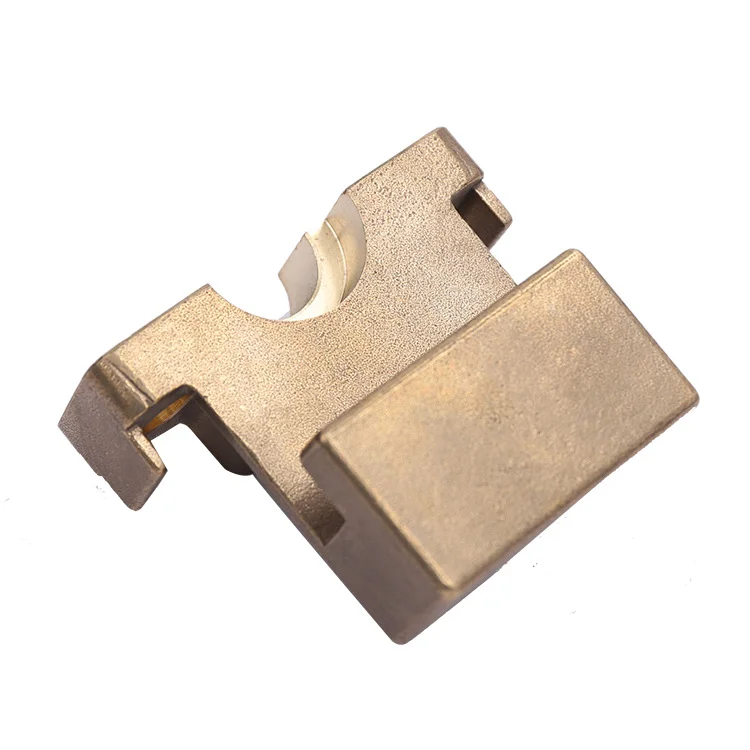
Custom CNC Machining and Die Casting for Brass, Stainless Steel, Aluminum and Titanium, with Anodizing by Material
Let’s define your requirement
Send a product link, drawing or short brief. We’ll work through the details with you.
- Confirm the specificationGrade or model, size and intended use.
- Define your orderQuantity, finish or configuration, and samples.
- Agree the quotation scopeIncluded work, key checks and delivery needs.
-
Surface treatmentCustomers' Demand
-
MaterialCustomer's RequirementsServiceOEM\ODM
-
SizeCustomized SizeMOQ1 Piece
-
Tolerance0.01mmProduct nameCustom Casting Parts
-
Lead Time15-35 DaysDrawing Format2D/(PDF/CAD)3D(IGES/STEP)
-
PackageBubble Bag+ Carton+ Wooden Box
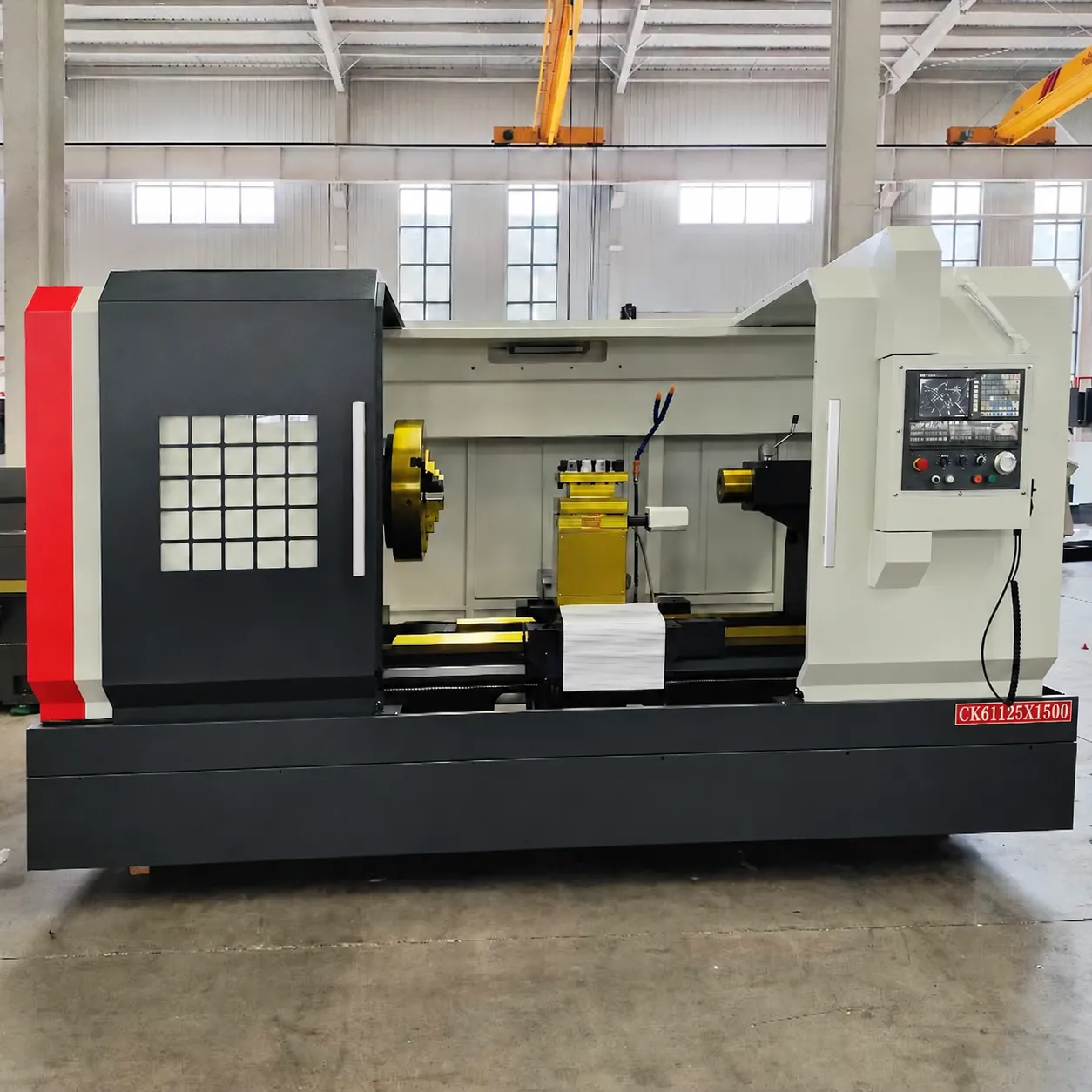
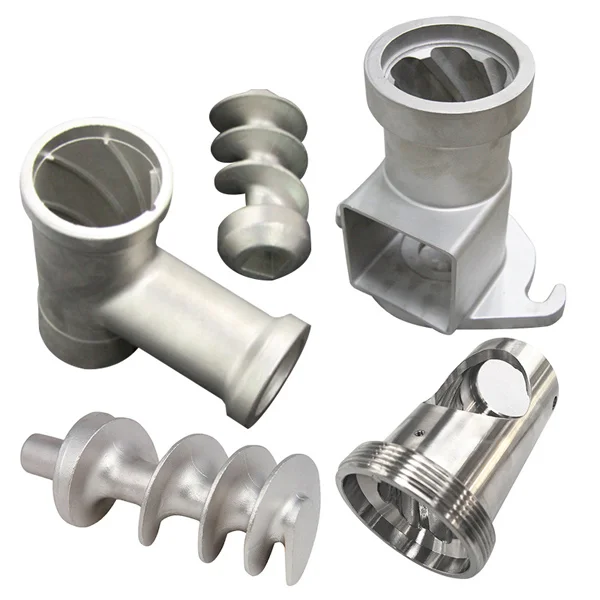
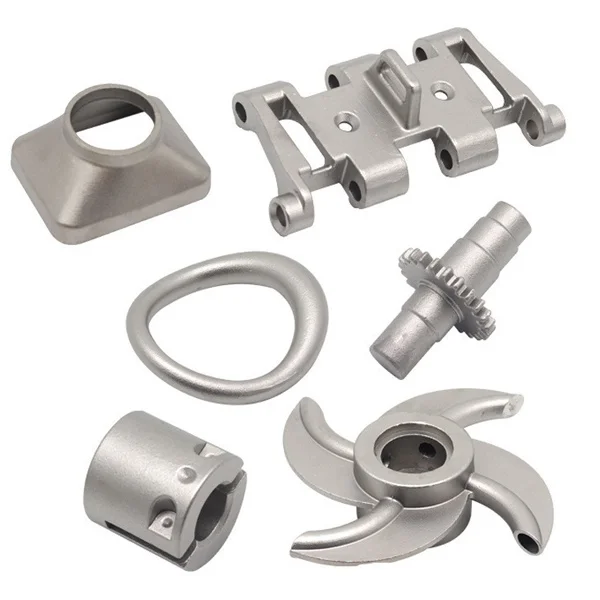
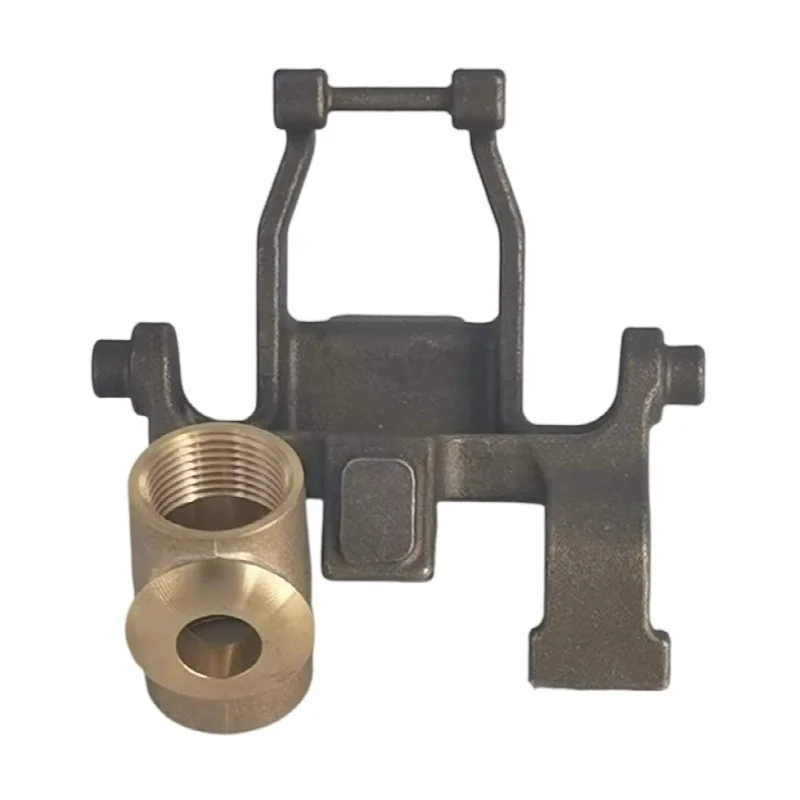
Connect the material choice, custom geometry and finished surface in one component request. This OEM/ODM service covers CNC machining and casting inquiries for brass, stainless steel, aluminum and titanium, with size and surface treatment developed around customer requirements.
Start with the metal and the finished component
The four named metal families provide material directions for a custom-parts discussion. State the alloy grade required for the component and identify the surfaces or interfaces that govern its use. Keeping the metal specification close to the finished geometry helps define the requested manufacturing work without assuming one process applies to every material.
Use the geometry files to identify the CNC work
Drawing inputs may be supplied as PDF or CAD for 2D geometry, or IGES and STEP for a 3D model. Identify the features that need CNC machining and relate them to the cast shape under discussion. The drawing should distinguish finished dimensions, mating areas and any surface condition required on those features.
Custom sizing makes the component definition specific to the project. Agree the applicable dimensional tolerances for the actual geometry and selected route, including how the finished features will be checked. A clear tolerance definition is more useful than assuming that the same numerical requirement applies equally to every surface.
Choose an appropriate treatment for the selected alloy
Anodizing is a finish direction to consider where it is appropriate to the selected metal. Surface treatment is customized to customer demand, so the material and the requested finish should be settled together. Identify the areas to receive treatment and the appearance or surface condition to be accepted, keeping those choices consistent with the machined interfaces of the custom part.