Custom Carbon-Steel/Cast-Iron/304 Stainless Auto Parts | Precision Lost-Wax Investment Casting & CNC Machining
Let’s define your requirement
Send a product link, drawing or short brief. We’ll work through the details with you.
- Confirm the specificationGrade or model, size and intended use.
- Define your orderQuantity, finish or configuration, and samples.
- Agree the quotation scopeIncluded work, key checks and delivery needs.
-
Surface FinishPolishedAlloy Grade304
-
SizeCustomized
-
Surface TreatmentPolishing, matte finishMaterialsCarbon steel, 304 stainless steel
-
Product TypeCustom Precision Metal CastingsMaterialCustomer-Specified Metals and Alloys
-
Ferrous OptionsCarbon Steel, Cast Steel and Cast IronCasting ProcessInvestment Casting / Lost Wax Casting
-
Service ScopeCustom Casting and Secondary MachiningApplicationAutomotive Parts and Industrial Hardware
-
Component TypesHousings, Brackets, Clamps and Flanges
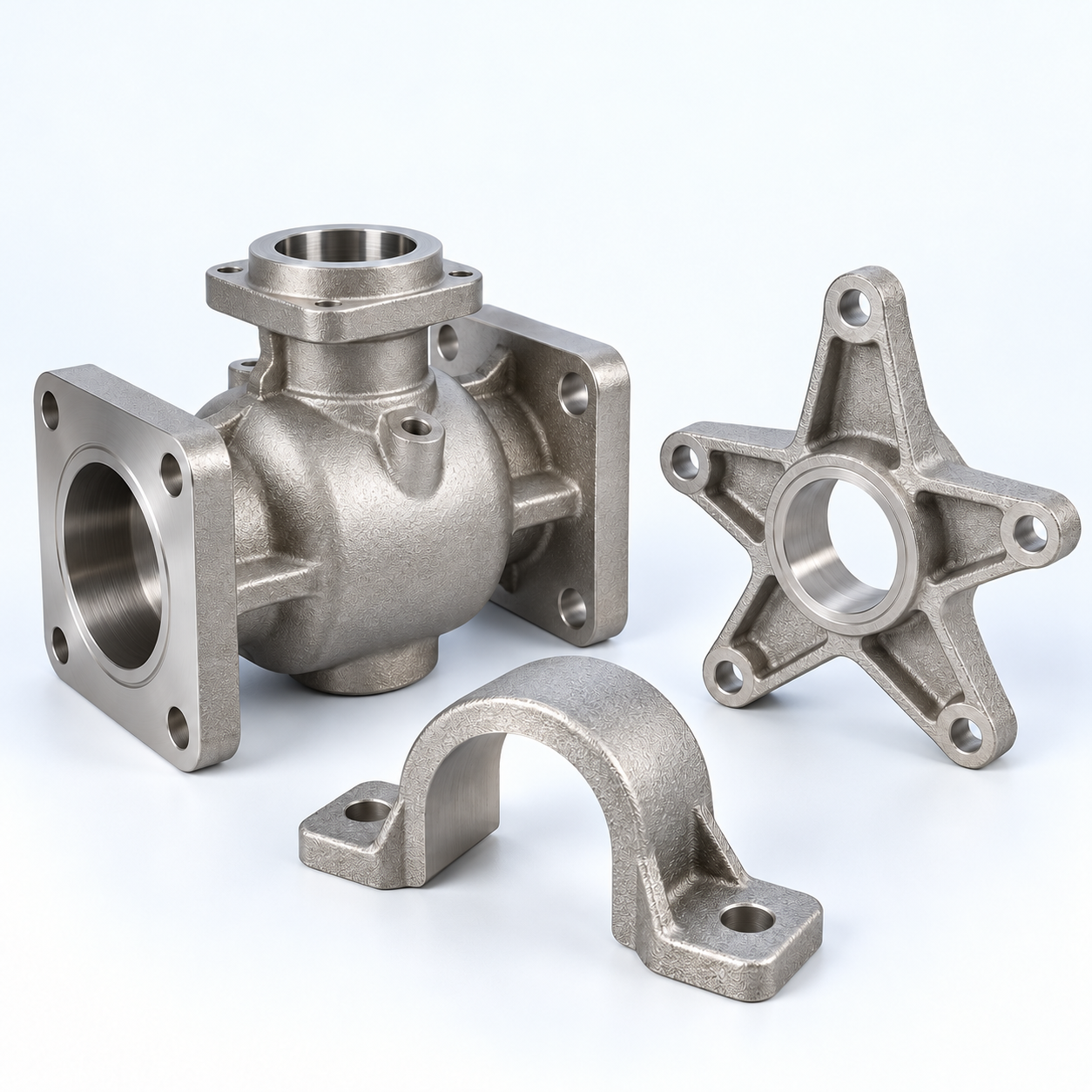
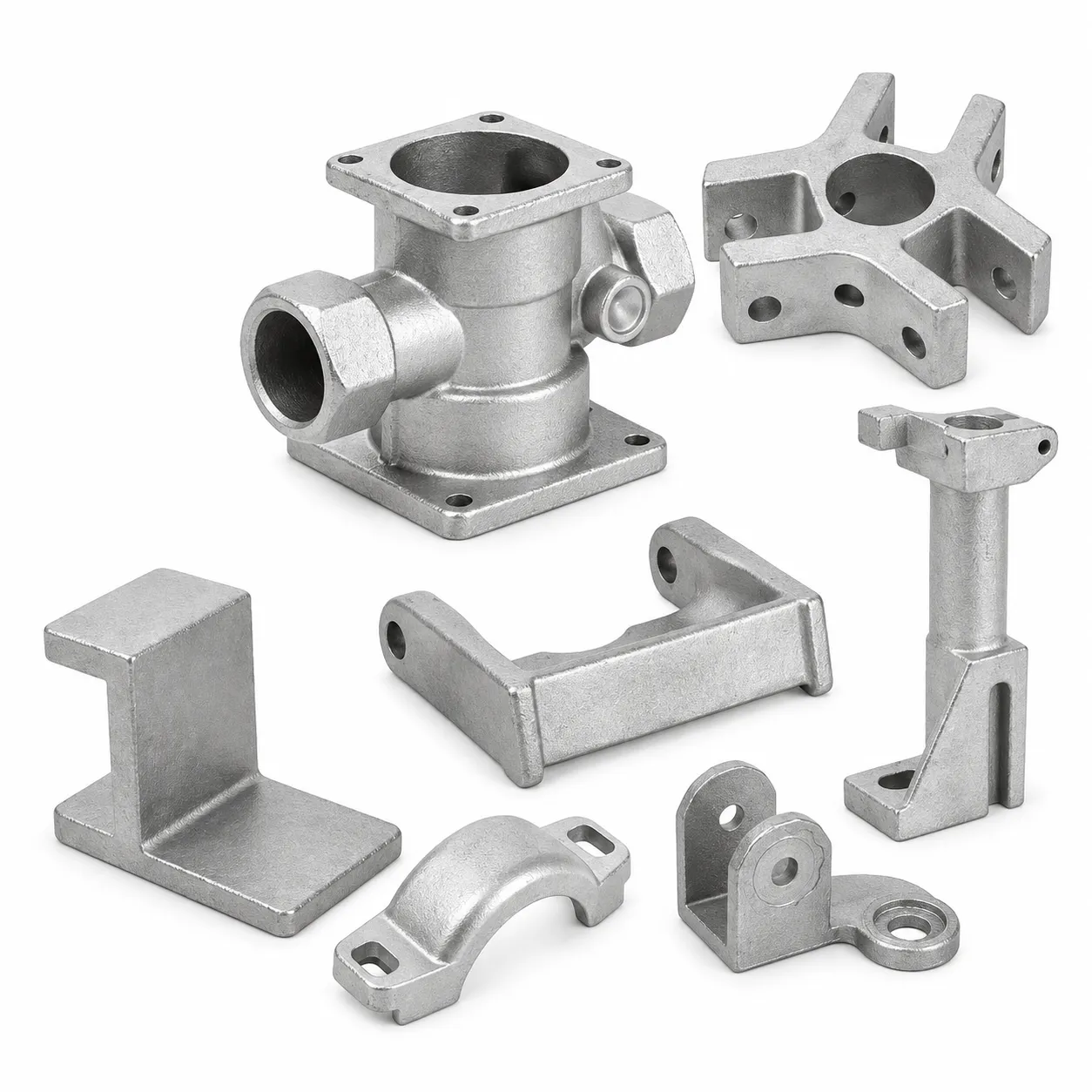
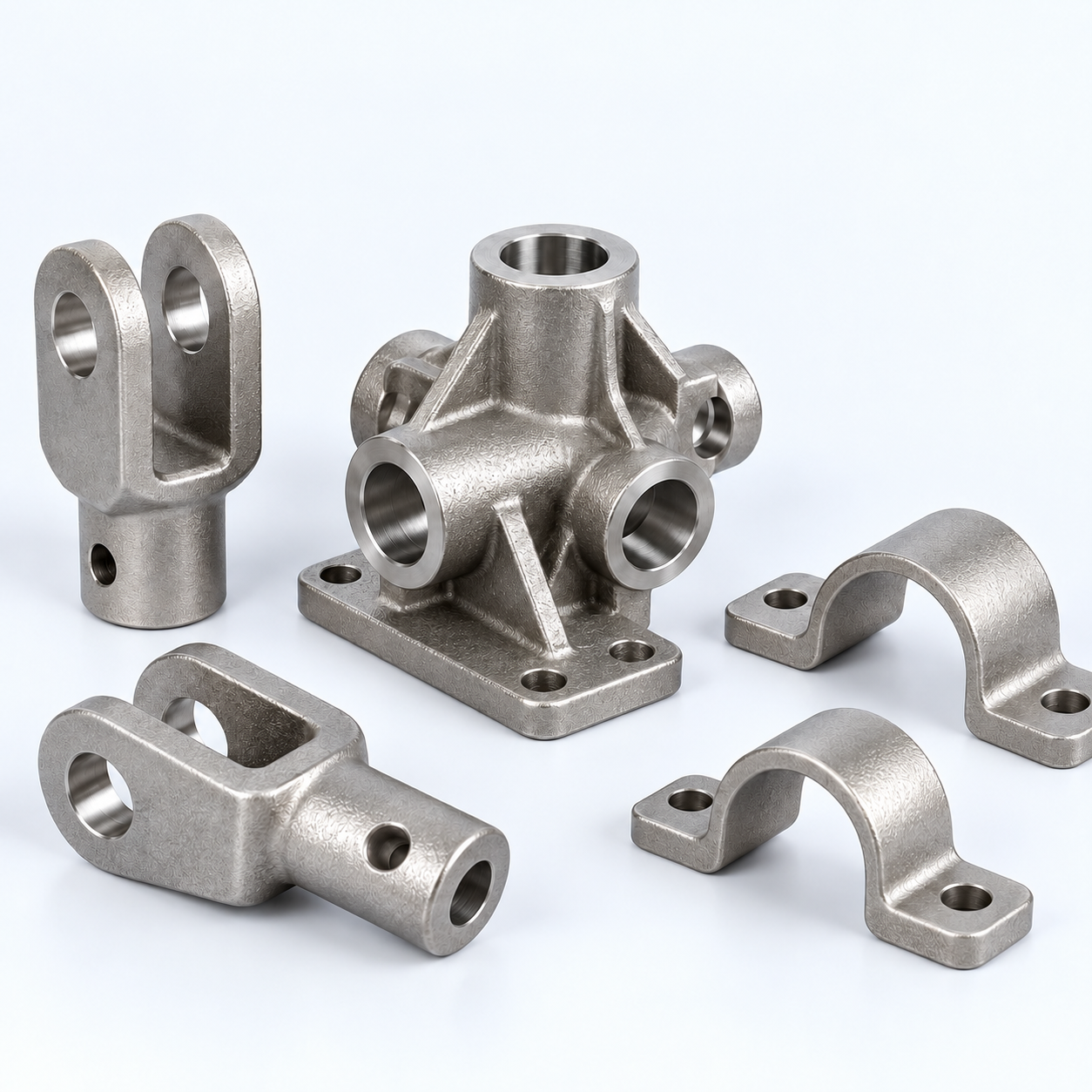
Custom precision metal castings support automotive parts and industrial hardware, including housings, brackets, clamps and flanges. Investment casting, also identified as lost-wax casting, is paired with secondary machining that includes CNC. Customized size and polished or matte-finish choices help define the particular component being developed.
Choose the component and its ferrous material
Material directions include carbon steel, cast steel, cast iron and 304 stainless steel, together with customer-specified metals and alloys. Select the actual grade for the component rather than treating the different ferrous materials as interchangeable. The component type and its intended automotive or industrial service provide the context for that choice.
- Housings and brackets
- Define the geometry and interfaces required by the assembly.
- Clamps and flanges
- Identify the connection dimensions and finished mating requirements.
Define the casting and secondary CNC scope
Separate dimensions controlled by the investment casting from those requiring secondary machining. Specify the actual machined areas and finished tolerances for the selected material. This gives the component request a dimensional basis without assuming a universal tolerance for every housing, bracket, clamp or flange.
Specify polished and matte surface areas
Polishing and a matte finish are surface directions for the custom parts. Identify which areas require each result and describe the appearance expected after processing. Agree those surface criteria alongside the finished interface dimensions so the casting and machining request describes one consistent component.