
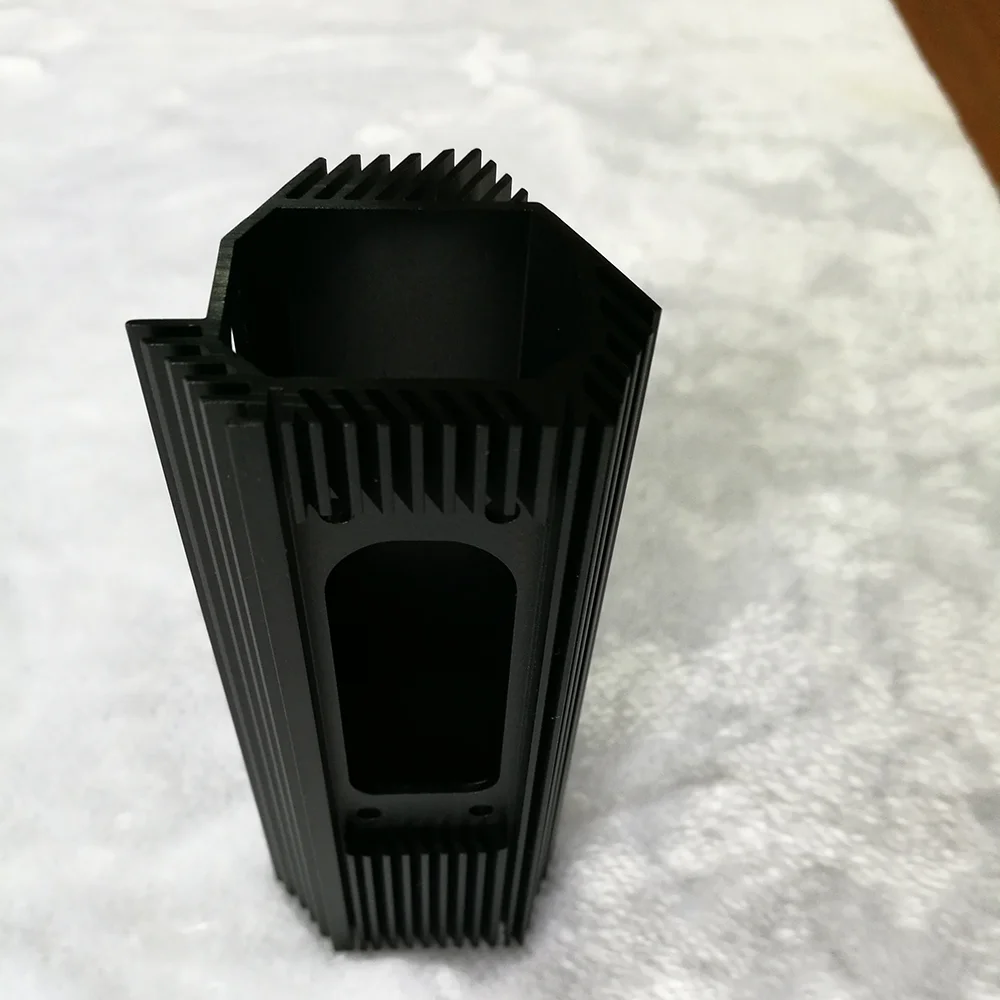
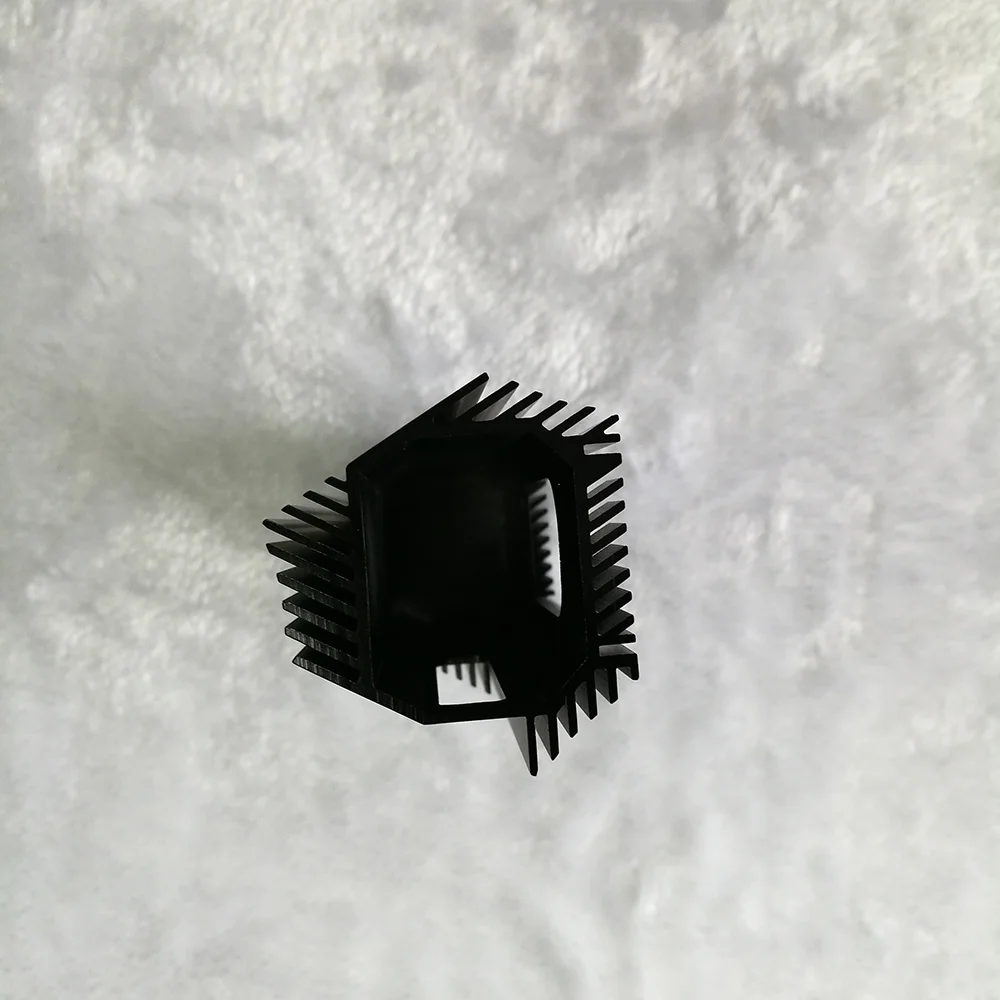
Custom Brass Vessel Investment Casting for Equipment Industry Parts and Surface Treatment Enquiries
Let’s define your requirement
Send a product link, drawing or short brief. We’ll work through the details with you.
- Confirm the specificationGrade or model, size and intended use.
- Define your orderQuantity, finish or configuration, and samples.
- Agree the quotation scopeIncluded work, key checks and delivery needs.
-
Surface FinishPowder Coated , Polished
-
Part NameInvestment casting parts
-
MaterialSteel, Brass, Aluminum, Magnesium, Plastic, rubber, etcSurfaceBurr Free, Electrolytic Polishing, Anodizing, Powder Coating, etc
-
ProcessInvestment CastingApplicationElectrical Appliances, Building Accessories, Sports Equipment, etc
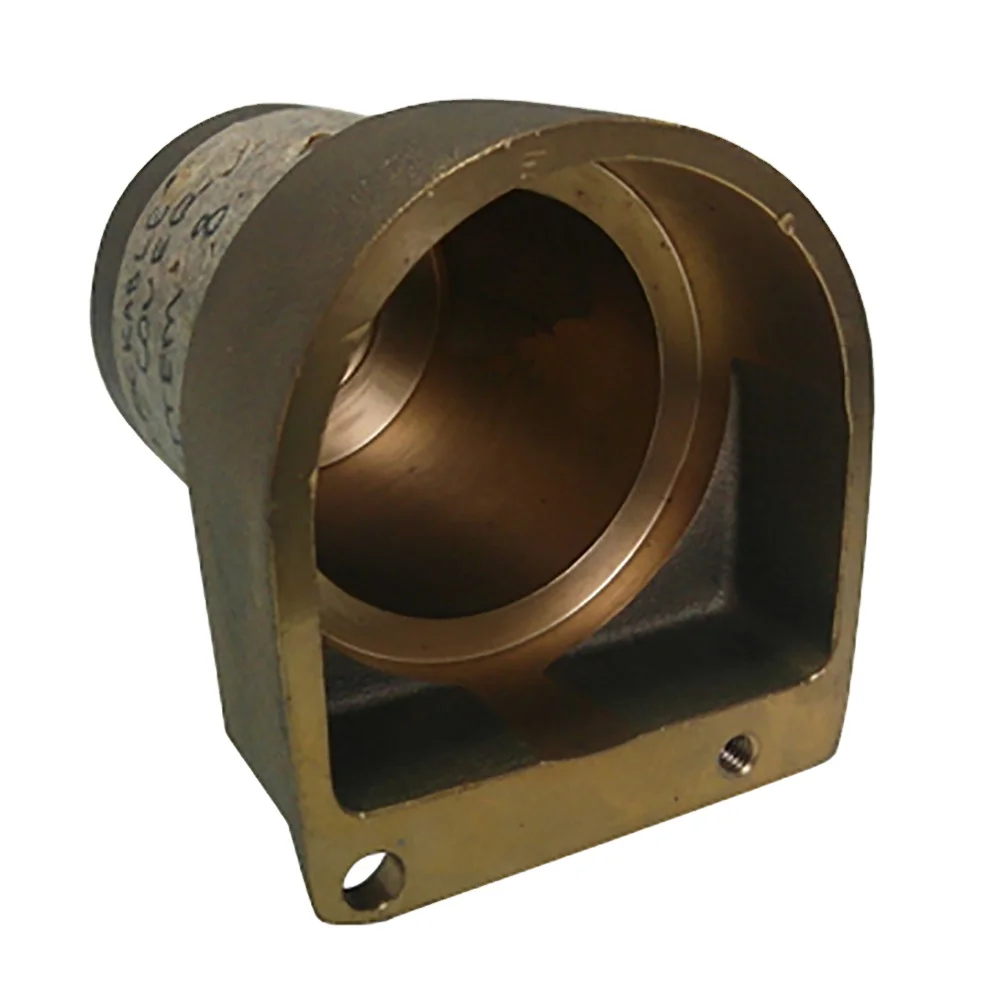
Custom brass vessel investment-casting enquiries serve equipment-industry parts, with the actual vessel geometry and accepted result to be defined. Investment casting is the stated route. Select the required brass grade and working conditions before choosing the dimensional and surface requirements for the component.
Material and component definition
Steel, brass, aluminum and magnesium are broader metal material directions. Plastic and rubber requests require their own component and manufacturing scope. Specify the actual material and provide the drawing for the part being requested, rather than applying one metal-casting route to the entire material menu. For a brass vessel enquiry, identify the intended use and the interfaces or dimensions that govern its acceptance.
Burr-free condition and selected finish
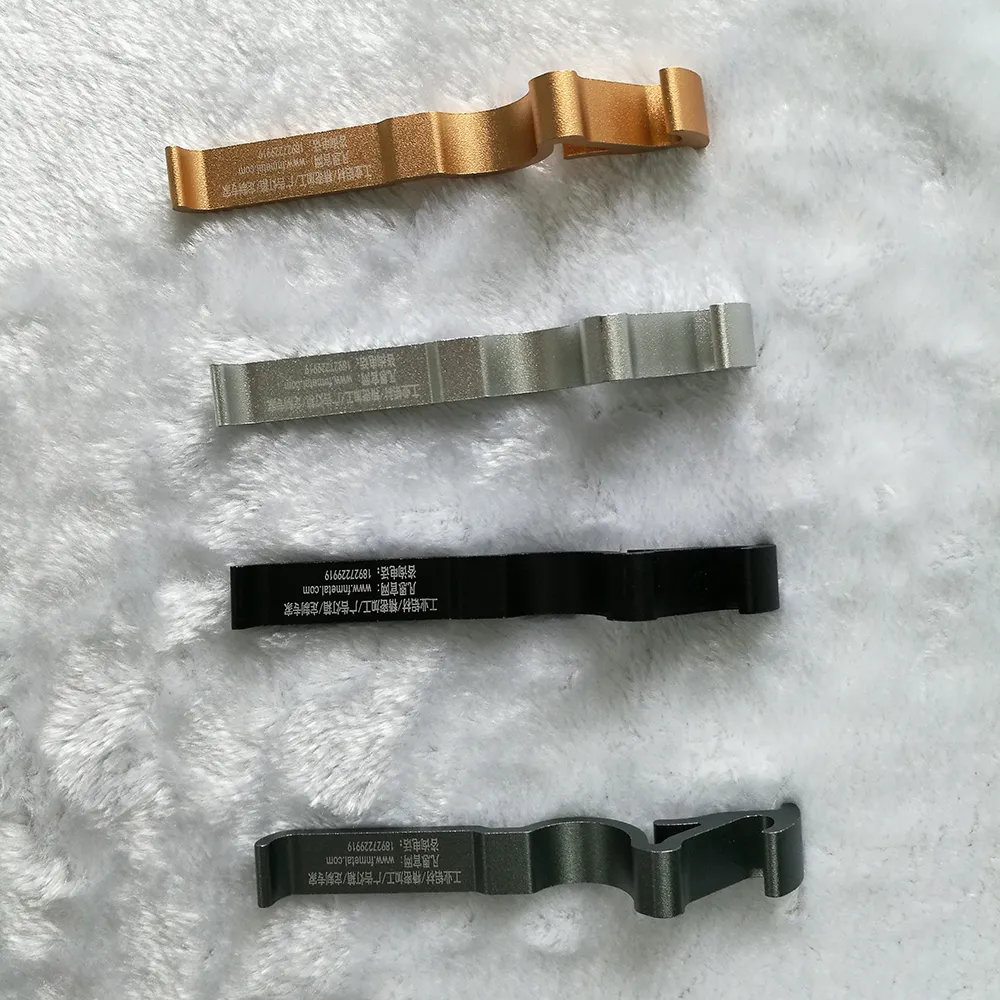
A burr-free surface condition is stated for the casting work. Electrolytic polishing, anodizing and powder coating are offered finish directions. Select a treatment suitable for the actual material and define which surfaces receive it. Agree the required appearance, surface result and inspection criteria for the requested component.
Equipment application and accepted result
Electrical appliances, building accessories and sports equipment are named application directions. Each needs the component's own drawing, service conditions and finished requirements. Define those details together with the selected material and surface treatment. The grade, vessel geometry, dimensional criteria and accepted finish provide the technical basis for the equipment-part casting enquiry.








