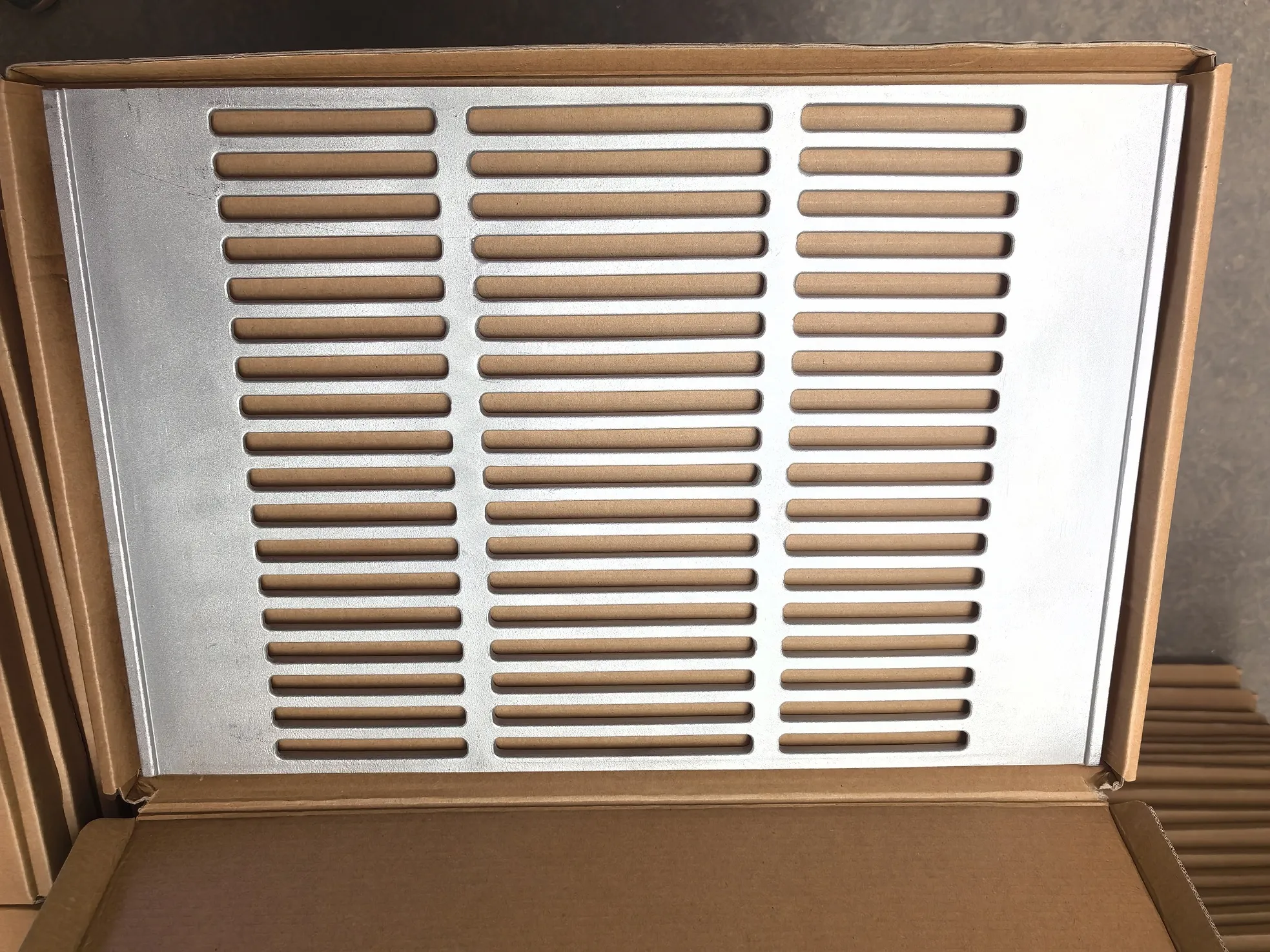
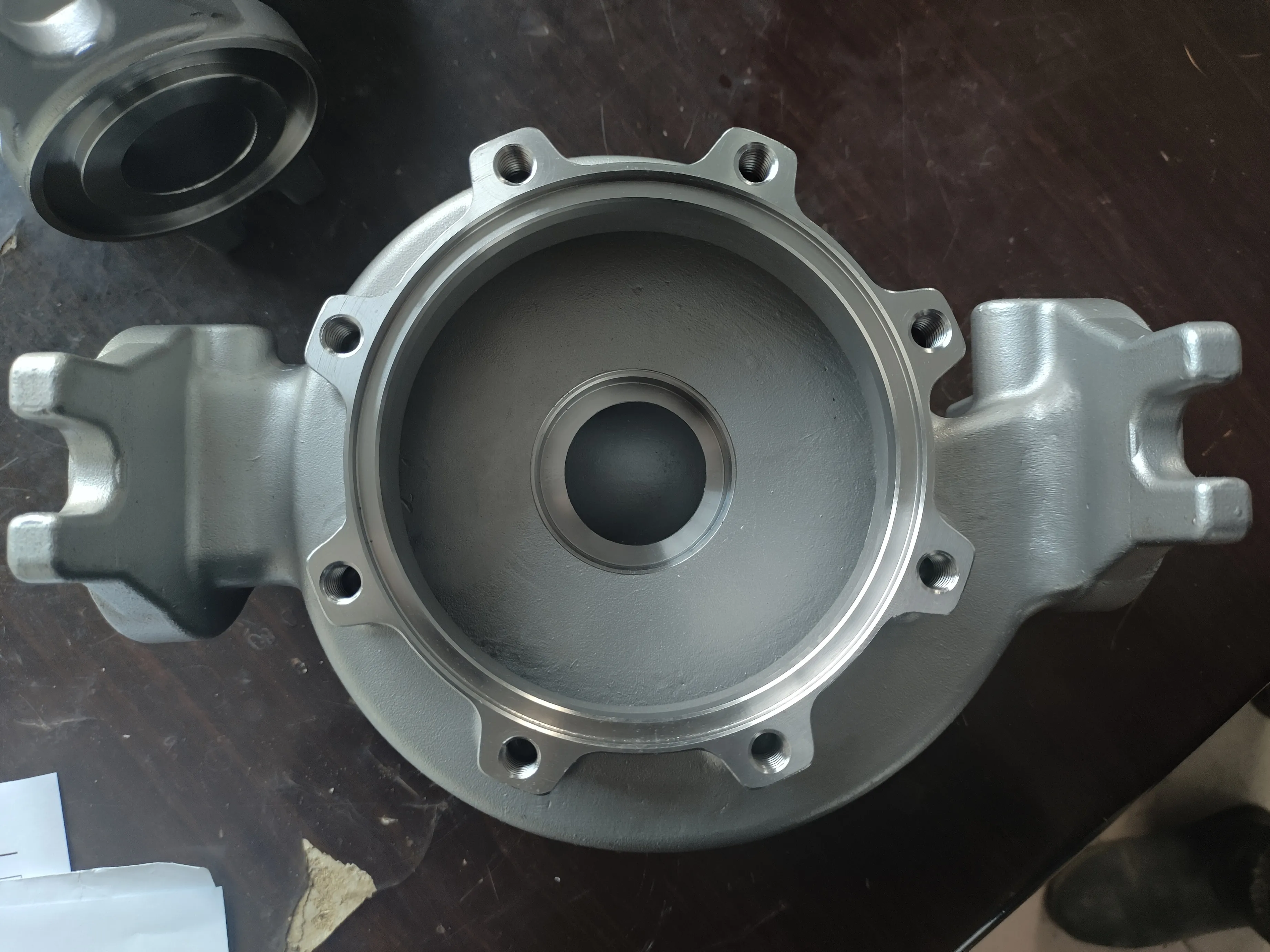
Custom Brass/Stainless and Precious-Metal Casting Inquiries: Lost-Wax/Silica-Sol, Precision Machining and Polishing
Let’s define your requirement
Send a product link, drawing or short brief. We’ll work through the details with you.
- Confirm the specificationGrade or model, size and intended use.
- Define your orderQuantity, finish or configuration, and samples.
- Agree the quotation scopeIncluded work, key checks and delivery needs.
-
Surface FinishPolished
-
Product nameLost Wax Casting
-
Materialinvestment casting brass/stainless steelApplicationIndustry
-
DimensionsOEM investment castingSurface treatmentPolishing
-
StandardISO9001:2008CertificationISO 9001
-
Quality ControlProfessional InspectionServiceOEM Investment Casting
-
ToleranceCustomer's Drawing Request
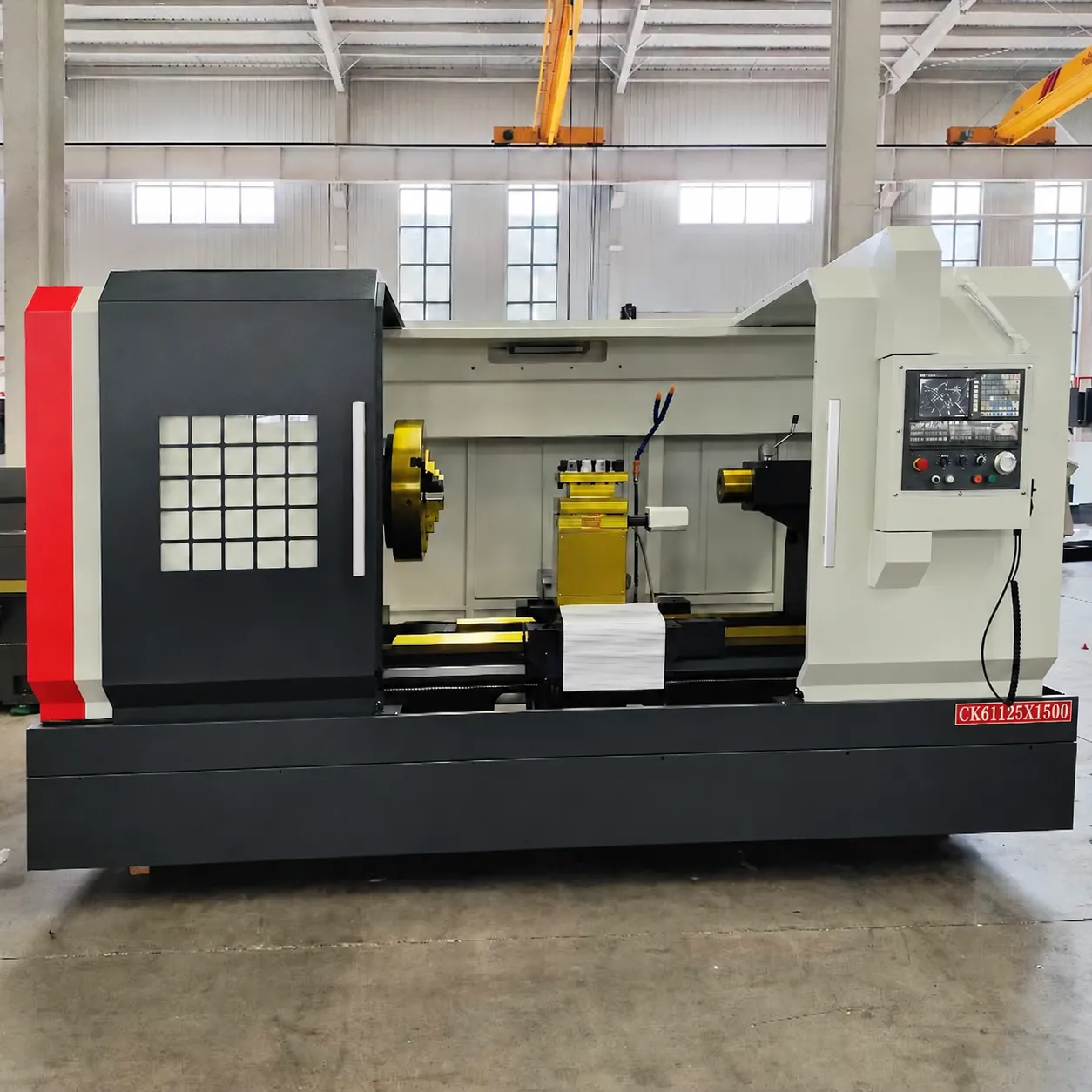
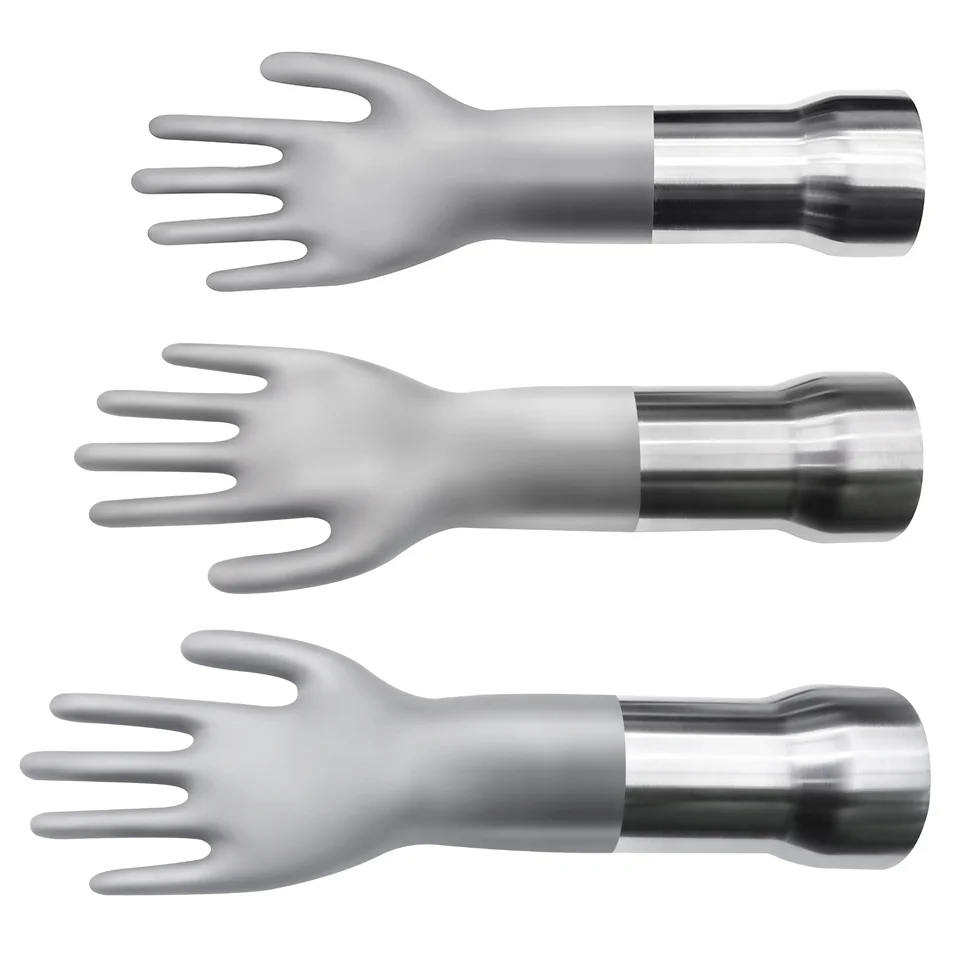
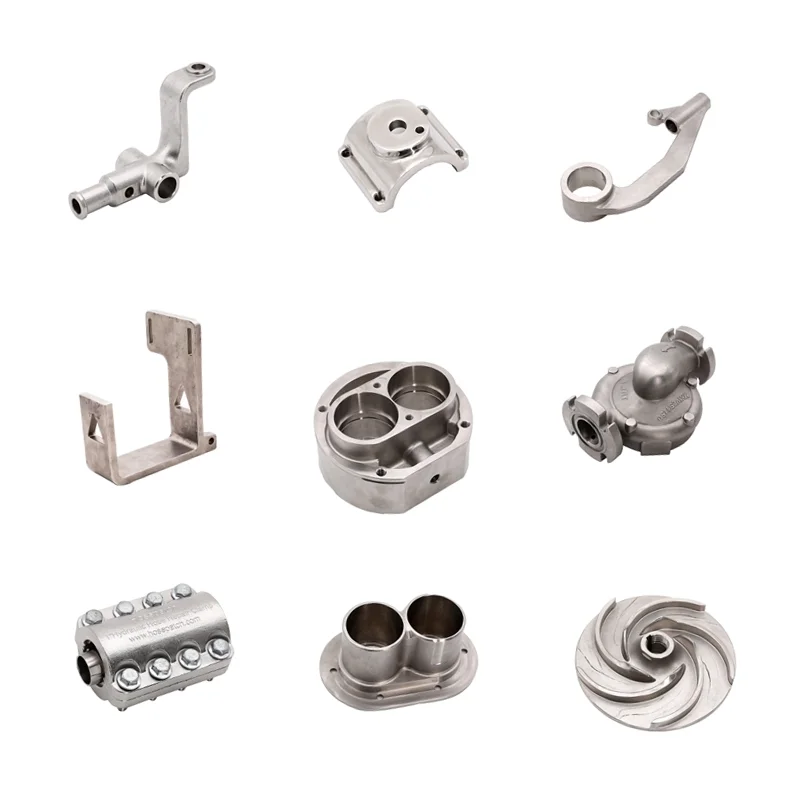
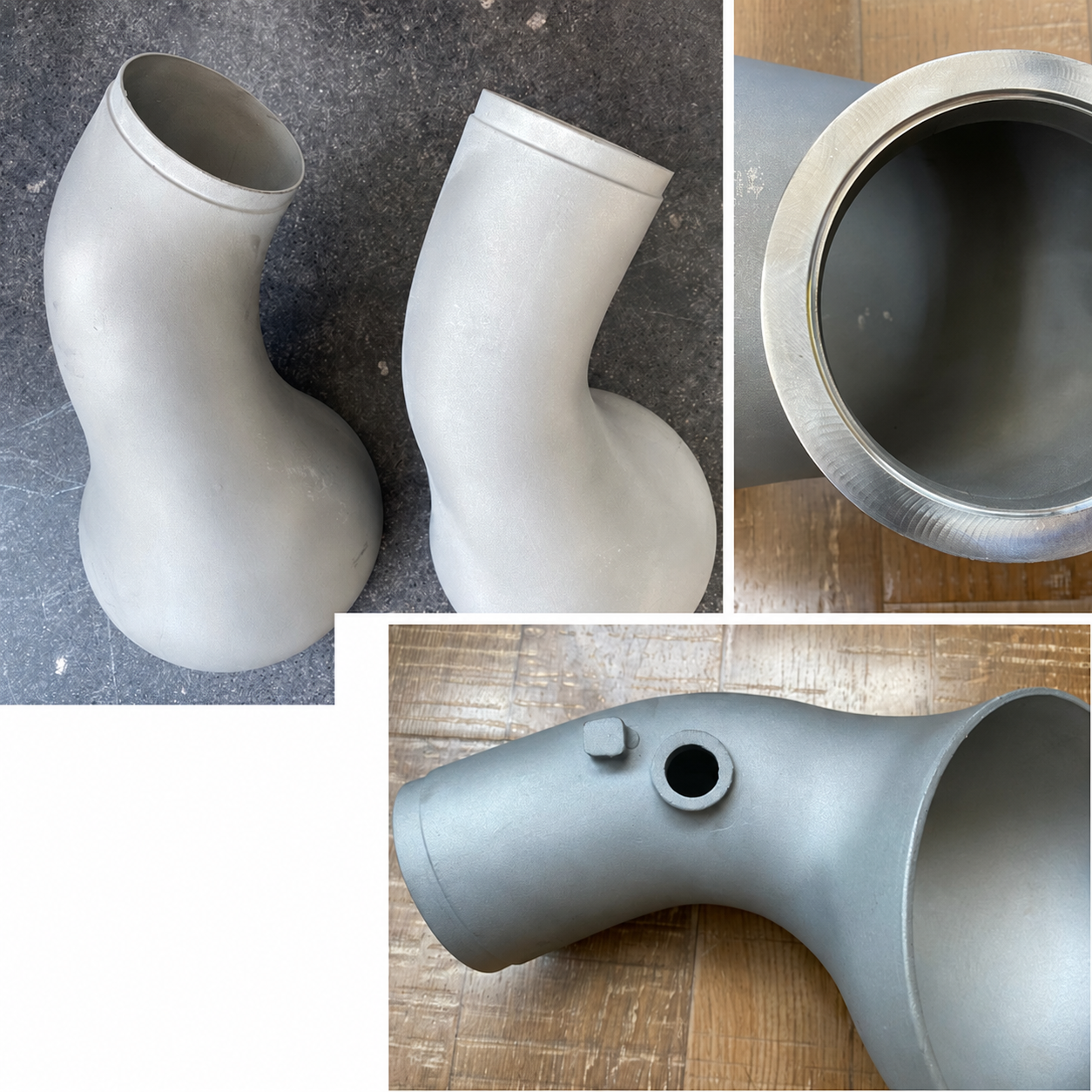
Custom OEM investment-casting requests include brass and stainless-steel parts, with lost-wax/silica-sol work, precision machining and polishing. Precious-metal requests can also be discussed, with the actual alloy and manufacturing scope agreed for the intended industrial component.
Choose the metal for the individual casting
Identify the actual brass, stainless or precious-metal alloy required for the part. Keep that selection with its geometry, dimensions and intended use. This connects the material inquiry with the component to be made and gives the casting and precision-machining discussion a particular work scope.
Relate polishing to the drawing requirements
Tolerances follow the customer's drawing request. Define the finished dimensions and the areas requiring polishing, including any surfaces that also govern assembly fit. Agree the required surface condition so the polishing work and drawing acceptance address the same component geometry.
- Manufacturing scope
- Identify the lost-wax/silica-sol and precision-machining work required for the part.
- Drawing scope
- Define the dimensional limits and relevant polished interfaces.
Set the inspection and material acceptance
Inspection support is offered for the OEM casting request. Agree which material, dimensional and surface characteristics need review and how they will be accepted. Include any qualification documents required for the actual project, with the selected alloy and component definition kept together.
A complete industrial-part inquiry combines its material, geometry, polished condition and drawing tolerances. Confirm the manufacturing and inspection scope for those requirements before ordering the custom casting work.