
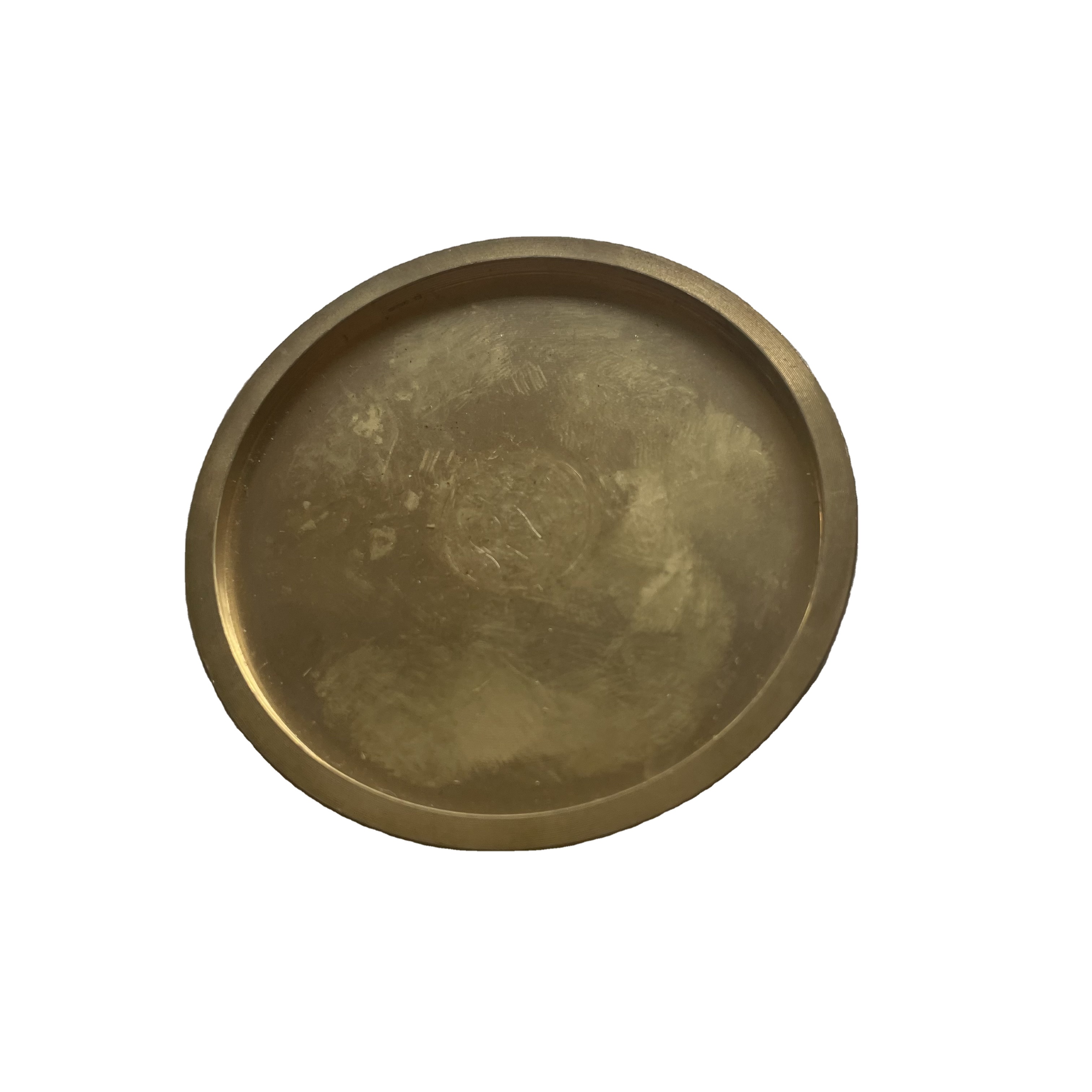
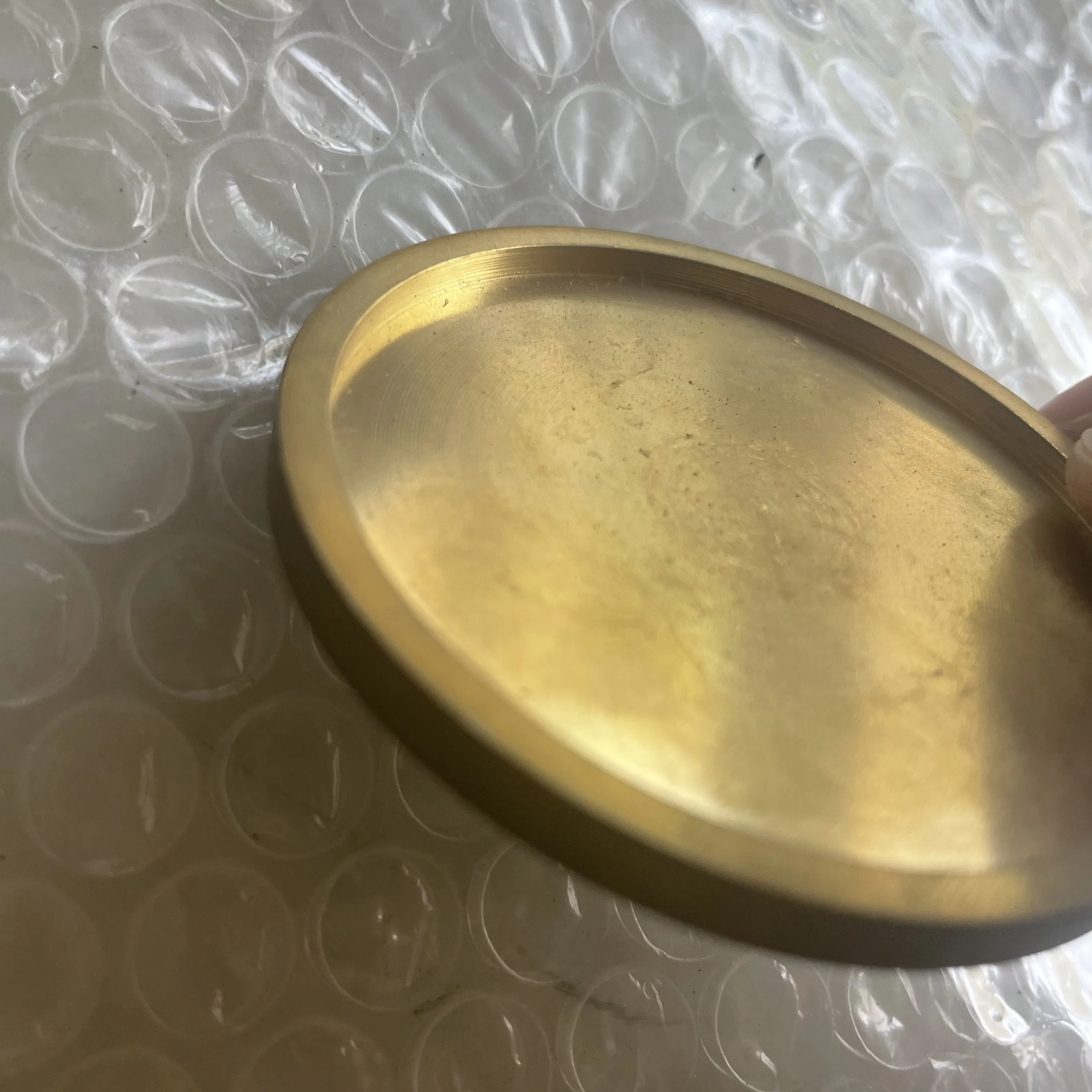
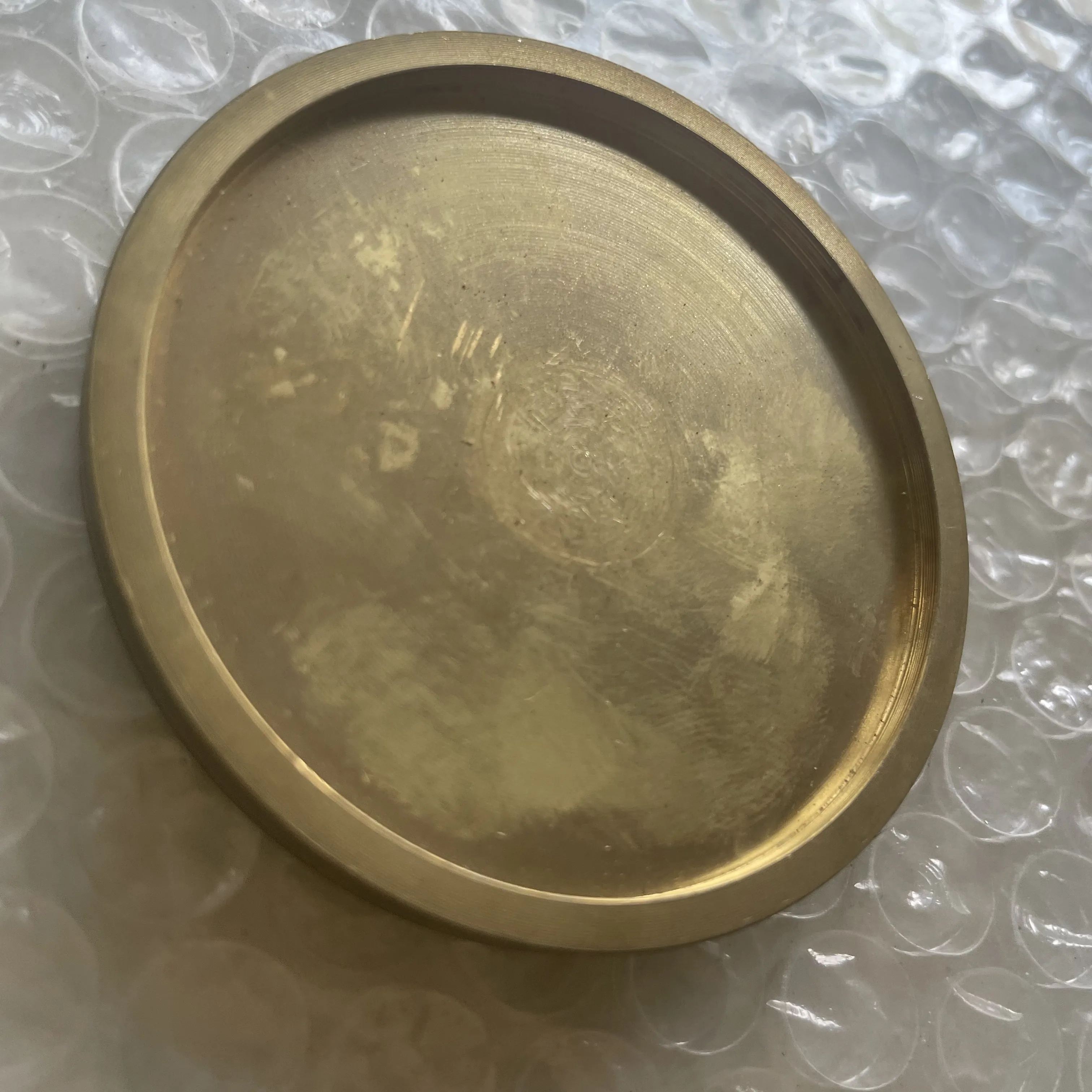
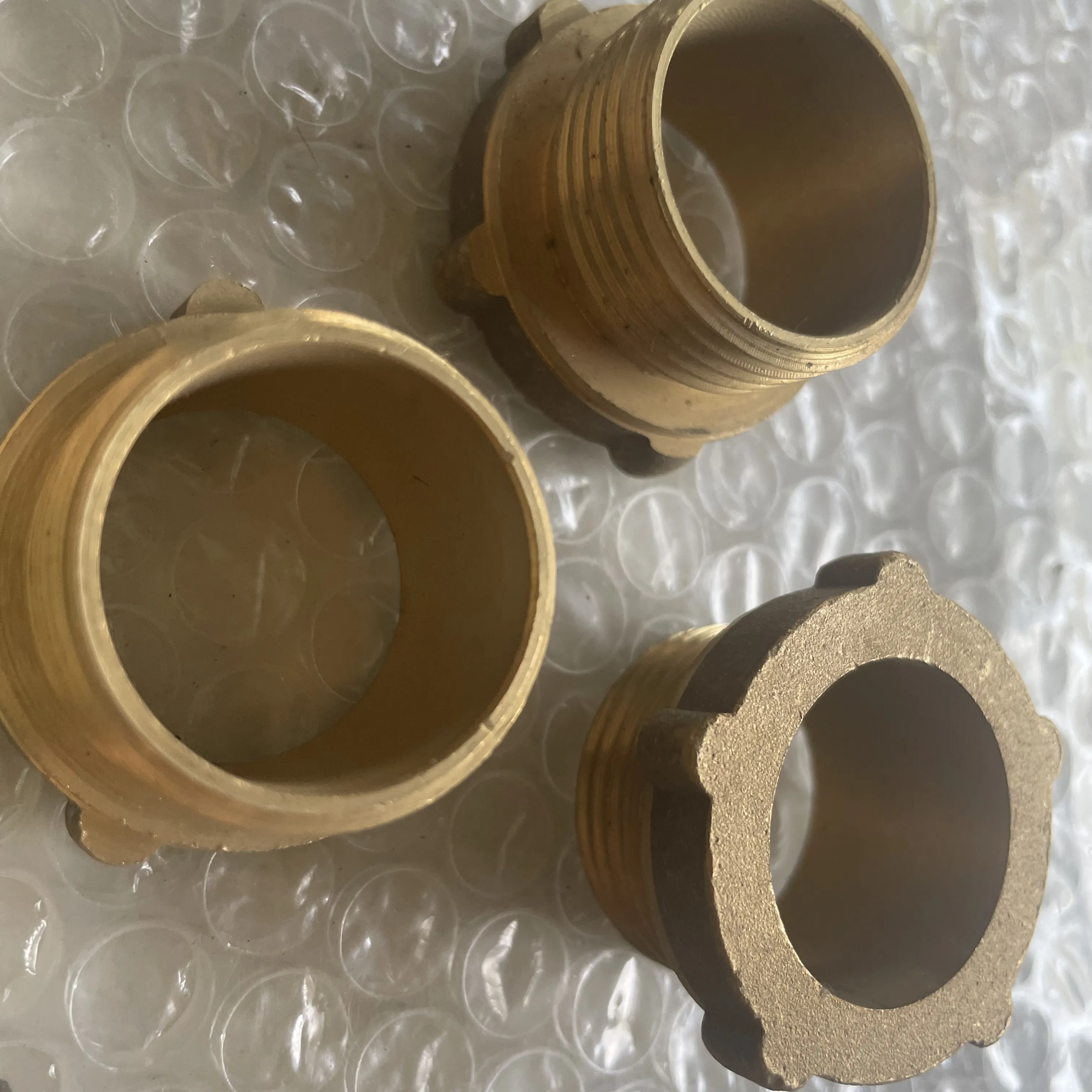
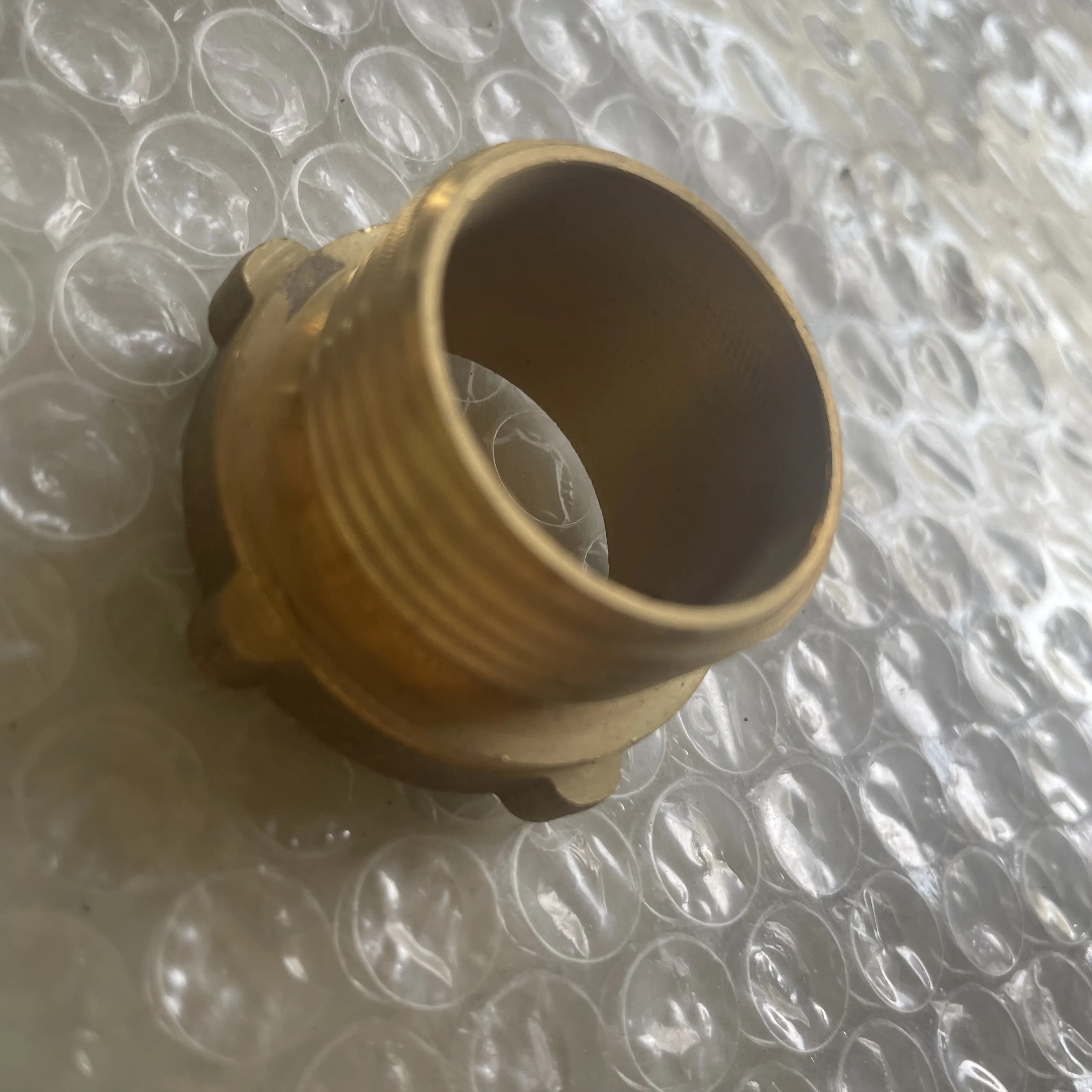
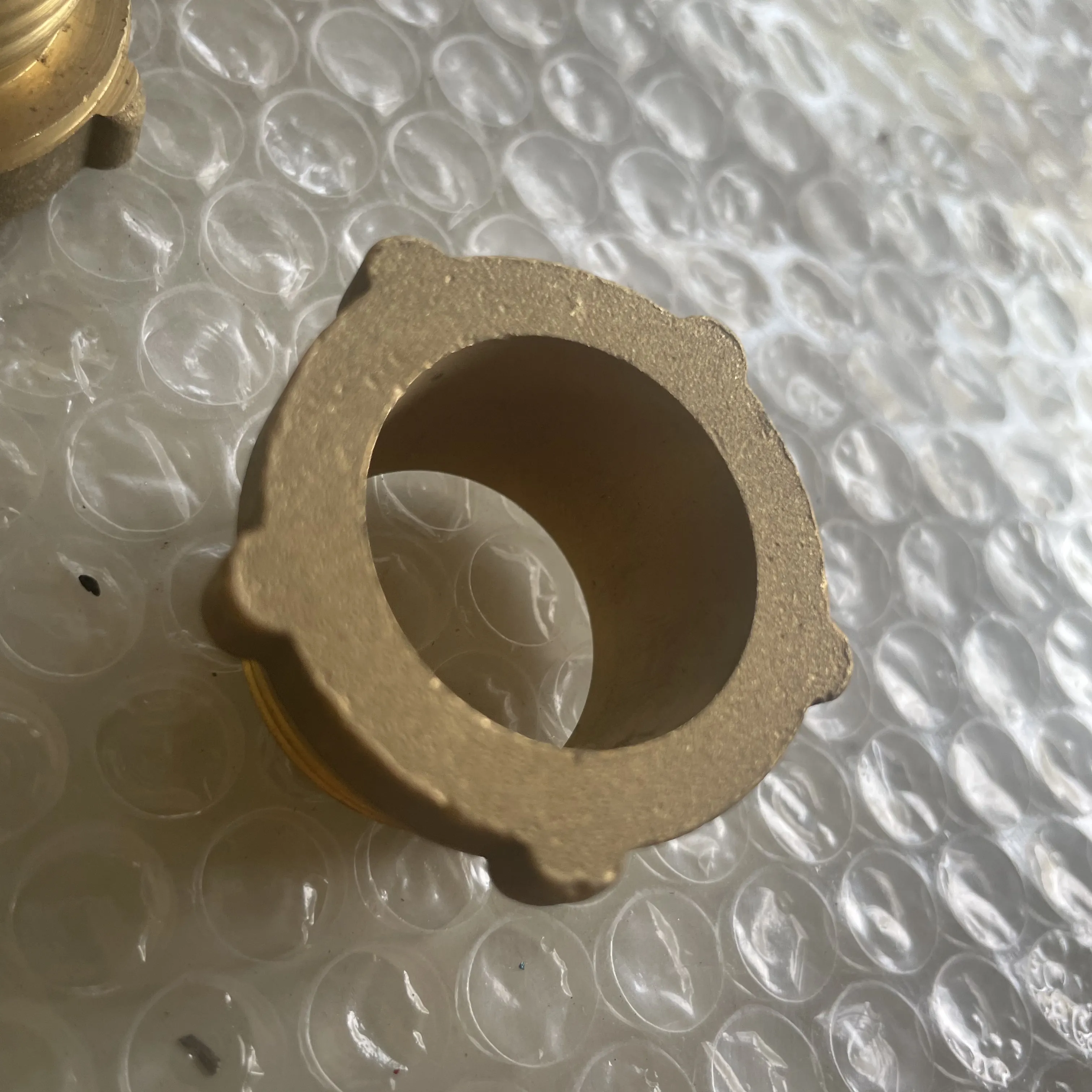
Custom Brass-Forging and Aluminum-Casting Inquiries with Precision CNC Boring, Milling and Grinding
Let’s define your requirement
Send a product link, drawing or short brief. We’ll work through the details with you.
- Confirm the specificationGrade or model, size and intended use.
- Define your orderQuantity, finish or configuration, and samples.
- Agree the quotation scopeIncluded work, key checks and delivery needs.
-
Partsdie casting aluminum partsMaterailsinternational parts as required
-
SizeCustomer's RequstMachiningCNC machining center,boring,milling,grinding,etc
-
CastingForging, Extrusion forming, gravity casting,etcTestingCMM testing and 100% by engineers
-
CertificationISO9001:2008 certificationServiceOEM/ODM service
-
Delivery timeWithin 35 days
OEM/ODM custom metal component work covers precision machining and alternative forming or casting routes. CNC machining-center work, boring, milling and grinding are available, alongside forging, extrusion forming and gravity casting. The component size follows customer requirements, with its selected material and production route to be agreed for the actual part.
Brass-forging or aluminum-casting definition
For a brass-forging or aluminum die-cast component inquiry, identify the part and confirm the material designation and intended route first. These choices give the requested geometry a manufacturing context. The resulting component definition should state which form is needed and the dimensions that connect the part to its intended assembly.
Machining operations for the component geometry
CNC machining-center work, boring, milling and grinding provide several ways to discuss the required dimensional processing. Mark the surfaces and features that need each operation, then connect them to the component's acceptance criteria. This keeps the machining scope specific without assuming a numerical tolerance or applying every available operation to one part.
CMM review and engineer inspection
Testing includes CMM and 100% inspection by engineers. Agree the dimensions and criteria to be checked so those inspection capabilities address the actual component requirements. The inspection definition should follow the same material, route and geometry selected for the part, giving its measurement review a consistent basis.
- Identify the intended metal component and agree its material and forming/casting route.
- Define the customer-required size and the features needing machining.
- Connect the CMM and engineer-inspection criteria with that part definition.
The service inquiry can then describe a specific component and a coherent set of operations. This preserves the range of forming, casting and machining choices while leaving the exact material and route attached to the design being requested.








