
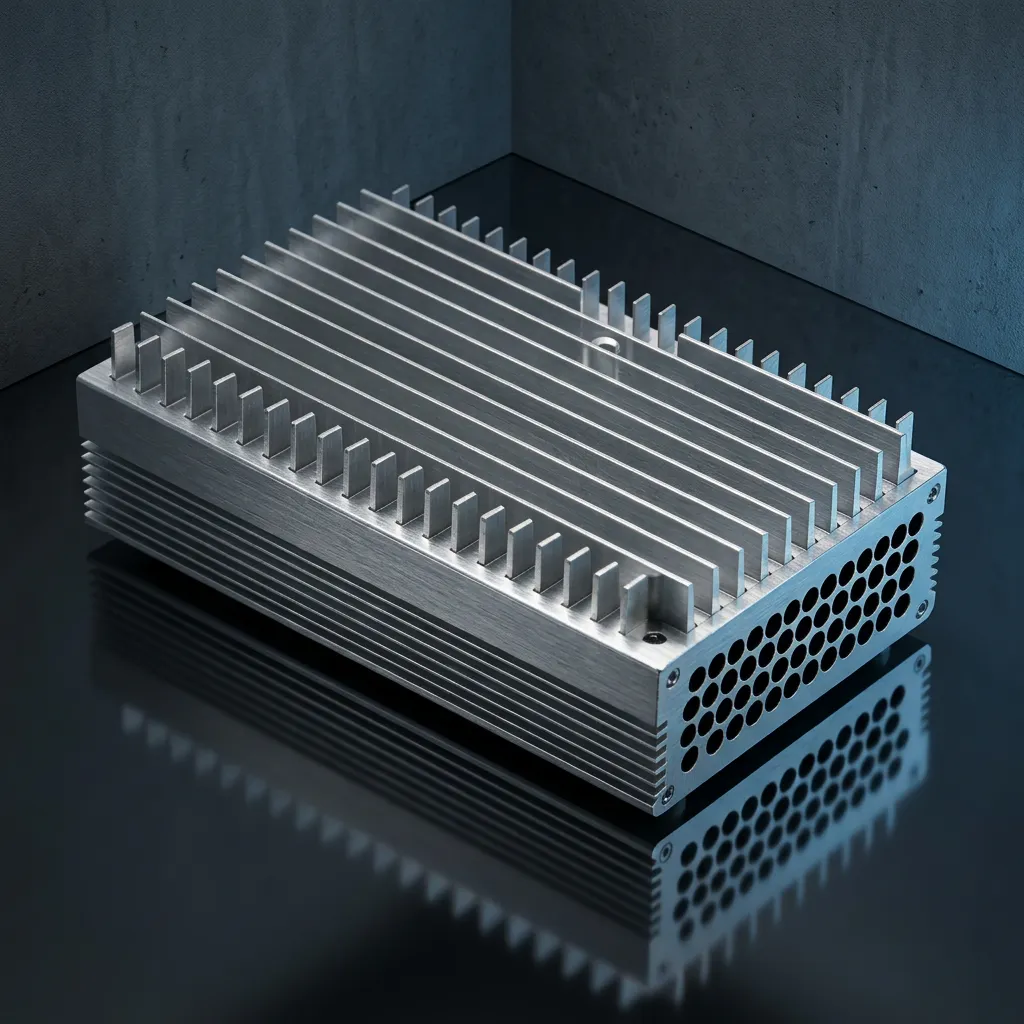
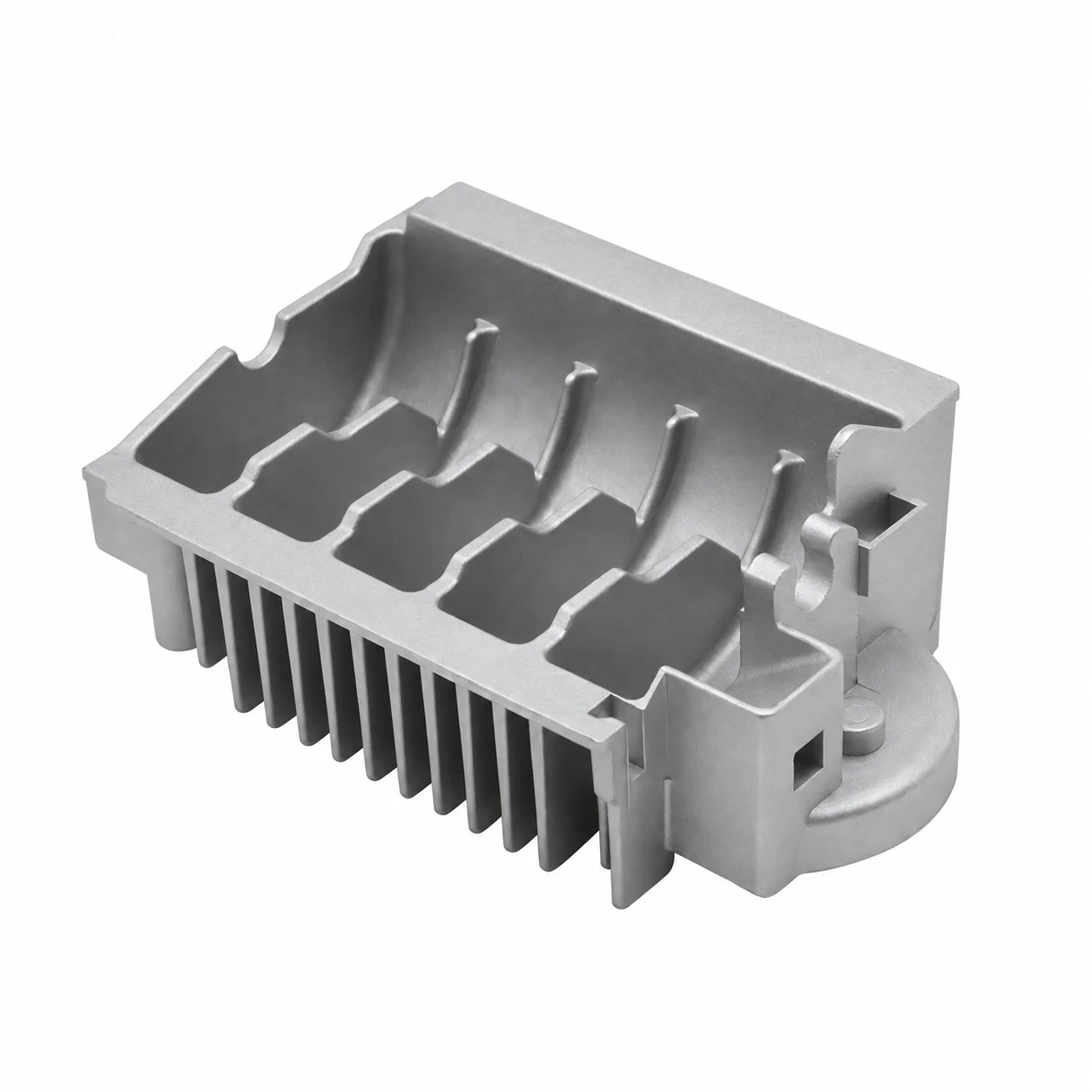
Custom Aluminum Heat Sink and Heat Exchanger Casting Parts for Electronic Power Enclosures and Chargers
Let’s define your requirement
Send a product link, drawing or short brief. We’ll work through the details with you.
- Confirm the specificationGrade or model, size and intended use.
- Define your orderQuantity, finish or configuration, and samples.
- Agree the quotation scopeIncluded work, key checks and delivery needs.
-
Component FormHousing / Enclosure
-
Material Capabilities6063General Tolerances0.01
-
Mold ClassesClass 101size5cm
-
colorall colordelevery date25
-
oxidationyesminimum order quantity1000
-
custom processingyeswarranty1 year
-
craftman-madedustilityyes
-
density2.7
Develop an aluminum thermal component around the enclosure or charger assembly it needs to serve. These heat sink and heat exchanger parts support custom processing and color requests, with the geometry, exact alloy and finished surface to be agreed for the project.
Define the heat-transfer role in the assembly
A power-enclosure or charger component needs a clear thermal and mechanical role. Identify the surfaces through which heat is intended to pass and the interfaces that locate the part in the assembly. Relating those requirements to the actual geometry provides a useful basis for discussing the requested aluminum component and its acceptance.
Turn the size into a complete part definition
The size is 5 cm, and the component drawing should establish which feature that dimension describes. Complete the remaining dimensions and interface requirements for the heat sink or exchanger you intend to commission. Select the exact aluminum grade together with this geometry, so the material and the finished component are defined as one request.
Develop the surface and color direction
Oxidation treatment and custom color requests can be discussed for the aluminum part. Match the treatment to the agreed grade and identify the areas whose surface condition matters to the assembly. The desired appearance belongs alongside the thermal and mounting requirements, allowing the finishing discussion to remain connected to the function of the component.
Keep tooling and acceptance aligned with the design
The mold classification is Class 101, and custom processing is supported. Discuss the part geometry, treatment and relevant acceptance checks together before settling the production definition. A clear design and test brief gives the enclosure or charger project a practical basis for evaluating the completed thermal component.








