
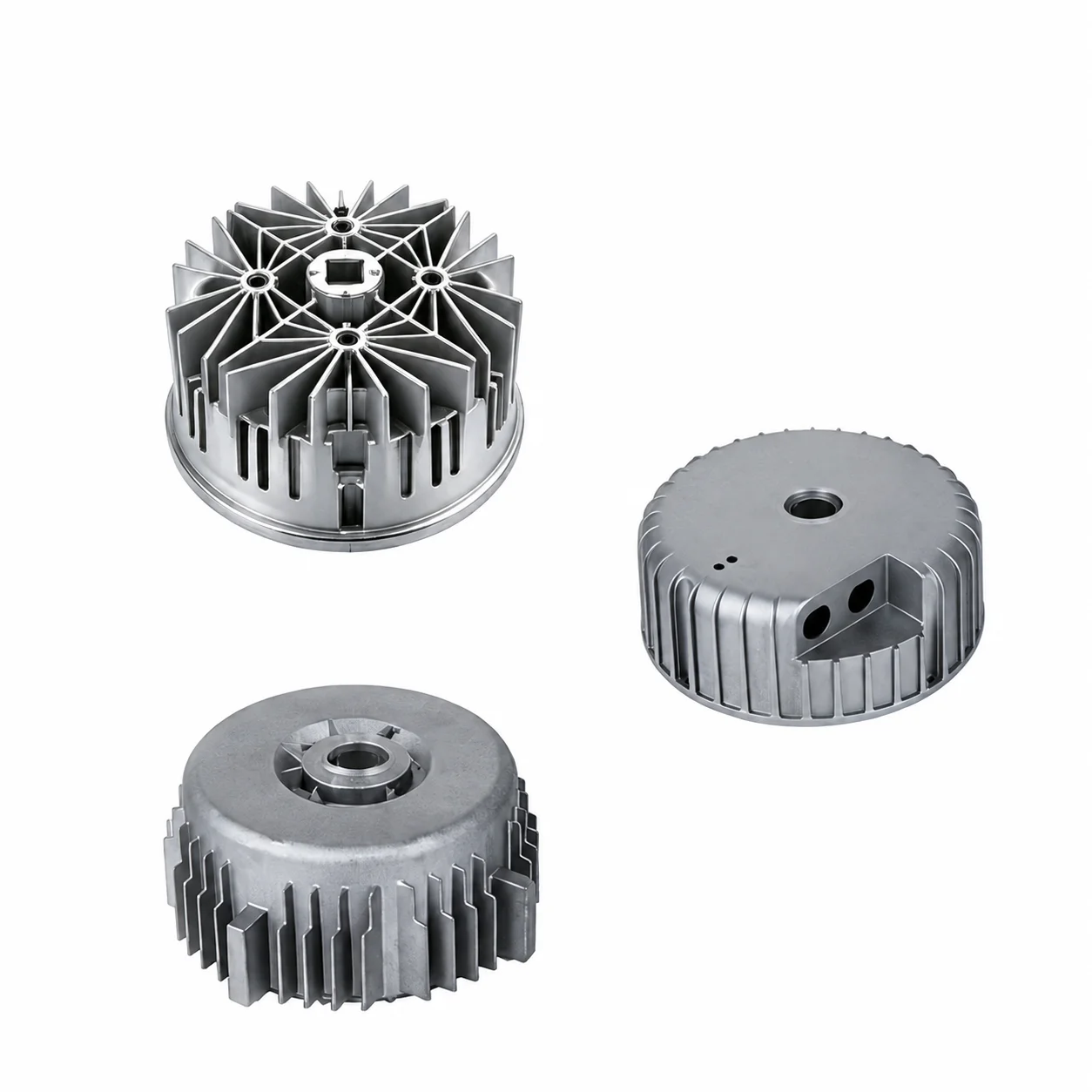
Custom Aluminum Centrifugal, Lost-Wax Investment and High-Pressure Die Casting
Let’s define your requirement
Send a product link, drawing or short brief. We’ll work through the details with you.
- Confirm the specificationGrade or model, size and intended use.
- Define your orderQuantity, finish or configuration, and samples.
- Agree the quotation scopeIncluded work, key checks and delivery needs.
-
Surface FinishPolished
-
MaterialAluminumPackagingCarton Wooden Pallet
-
ServiceDoor to DoorMOQ100pcs
-
ColorCustomized ColorDrawing FormatDrawing Format
-
Delivery time7-15 DaysSurface treatmentPolishing
-
CertificationISO9001:2015
Custom aluminum casting inquiries cover centrifugal casting, lost-wax investment casting and high-pressure die casting, with the actual method selected for the part. Polishing and custom color are available directions, and the minimum quantity is 100 pieces.
Three routes, one defined aluminum part
Choose the casting direction for the component being discussed rather than treating all three methods as one production sequence. The exact aluminum grade and component geometry help define that inquiry. High-pressure die casting identifies a manufacturing process; any operating-pressure requirement for the finished part needs its own agreed acceptance.
Color and polishing on selected surfaces
Custom color and polishing should be described in relation to the actual aluminum component. Identify the surfaces that require polishing and the required color, then agree the finished appearance and acceptance at those locations. This keeps the requested surface work connected to the part instead of assuming an unspecified palette or uniform treatment of every area.
Define the drawing and 100-piece inquiry
The minimum of 100 pieces provides a starting quantity for discussing the selected casting scope. Confirm the drawing format required for review, as well as the dimensions and interfaces that define the component. The manufacturing discussion can then cover the following decisions in a clear order.
- Assign the aluminum grade, geometry and chosen casting route.
- Identify the color requirements, polished areas and finished acceptance.
- Explain the part's function and operating conditions so its dimensional and surface requirements can be assessed for the actual use.








