
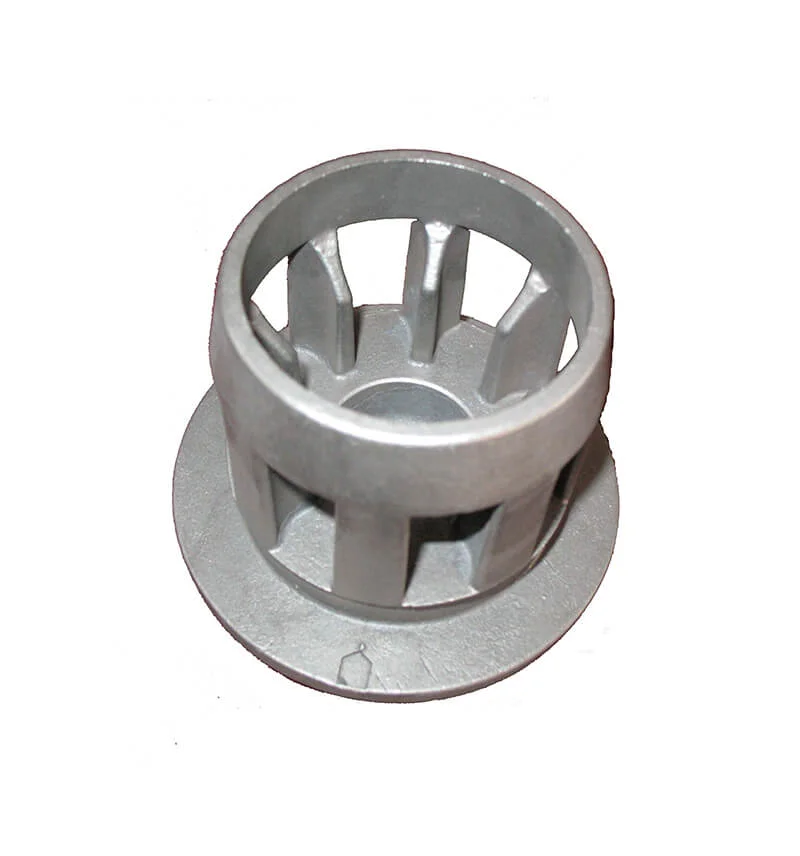
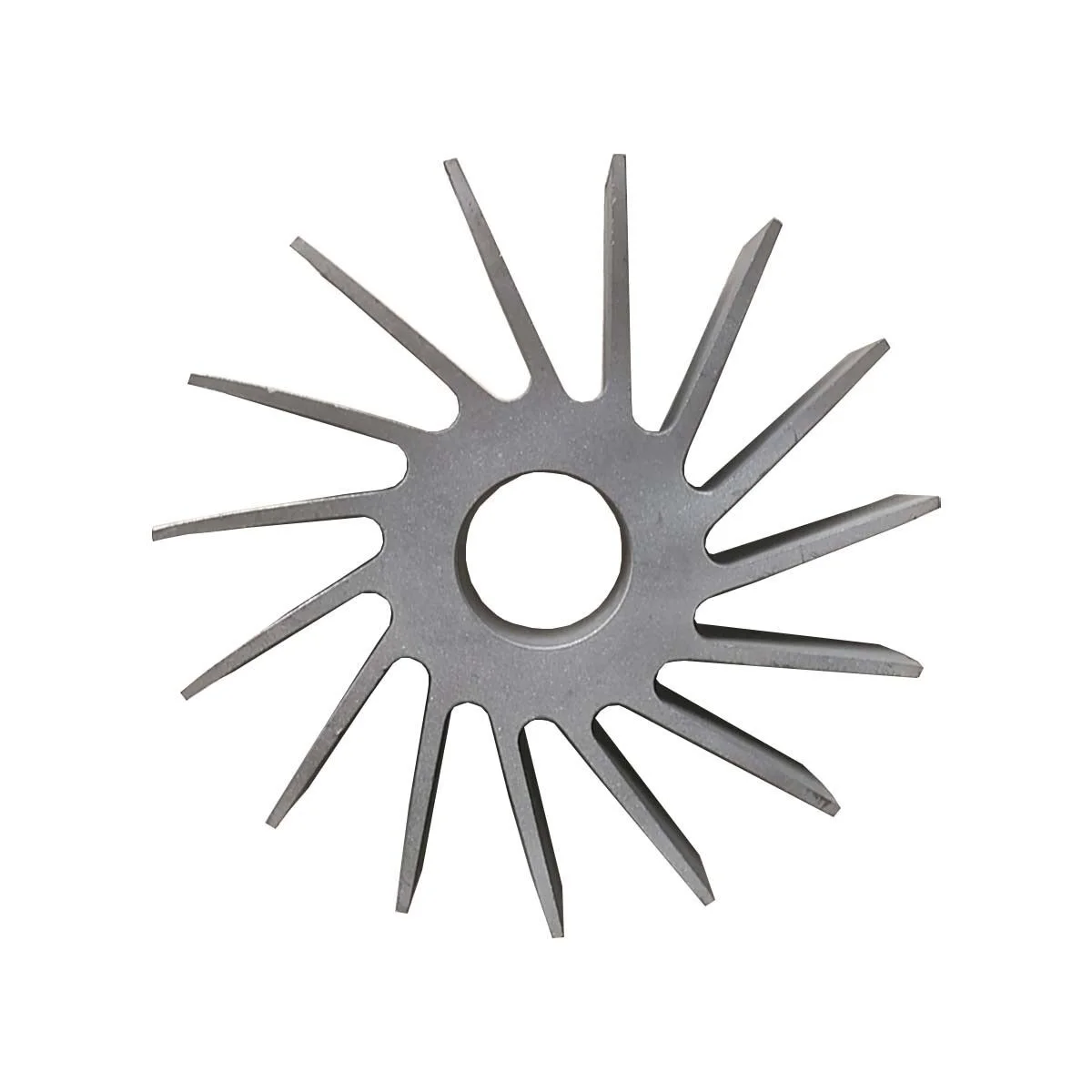
Custom Aluminum and Stainless Steel Casting Enquiries with Machining and Surface Treatment
Let’s define your requirement
Send a product link, drawing or short brief. We’ll work through the details with you.
- Confirm the specificationGrade or model, size and intended use.
- Define your orderQuantity, finish or configuration, and samples.
- Agree the quotation scopeIncluded work, key checks and delivery needs.
-
Surface FinishShot Blasted , PolishedAlloy GradeA380 , ADC12
-
production nameCasting,Lost Wax Casting,Passivation,Stainless Steel,AluminumMaterialA380, ADC12, alsi7mg
-
ApplicationAuto, Motorcycle, IndustrialTolerance0.05~0.2mm
-
finishPainted hot-dip galvanizingServiceOEM\ODM
-
processDie Casting + MachiningSurface treatmentShot Blasting, Polishing
-
certificateTS16949
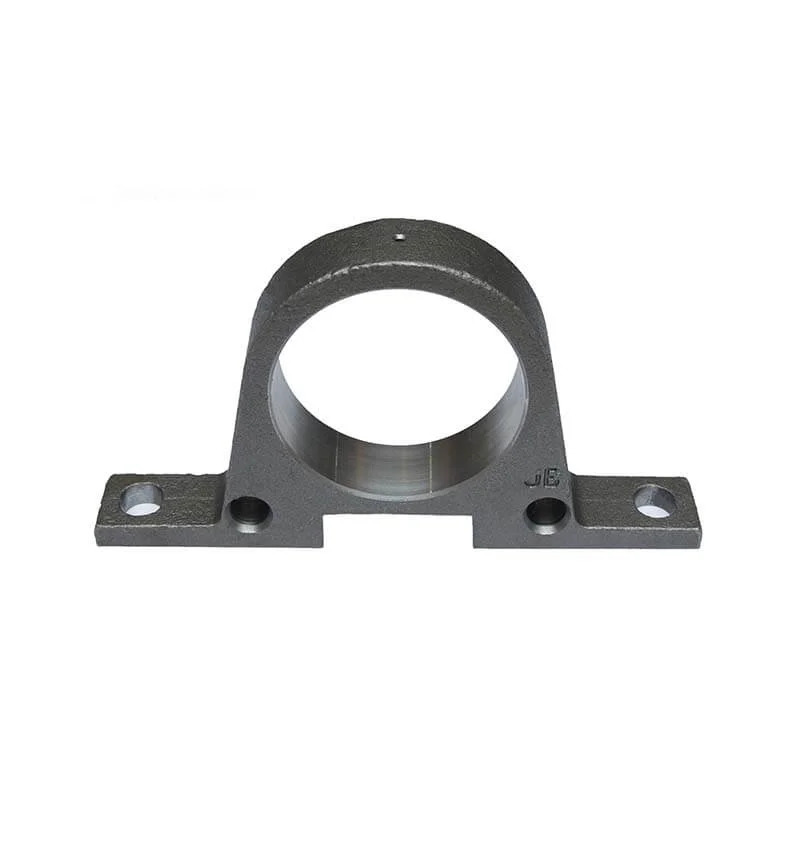
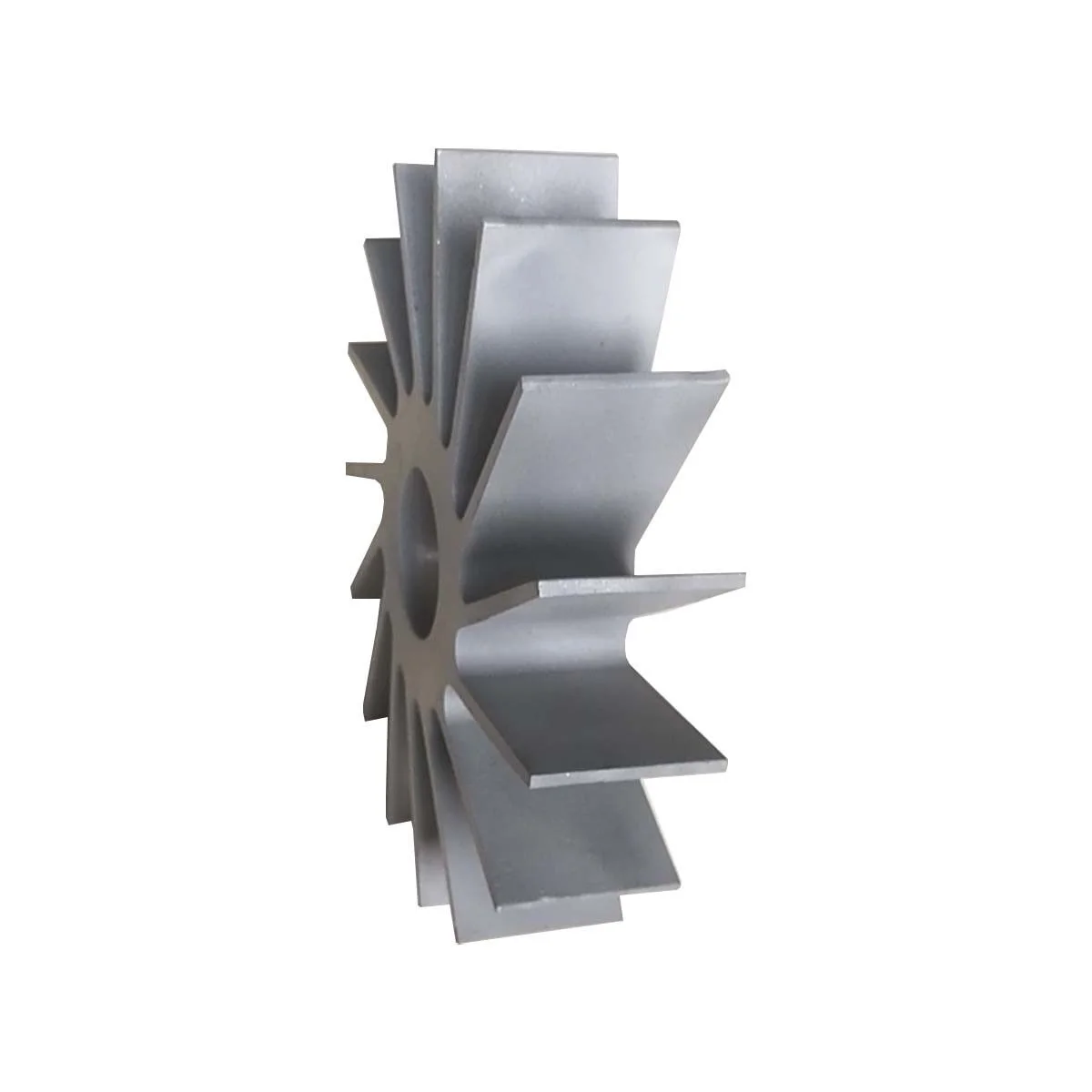
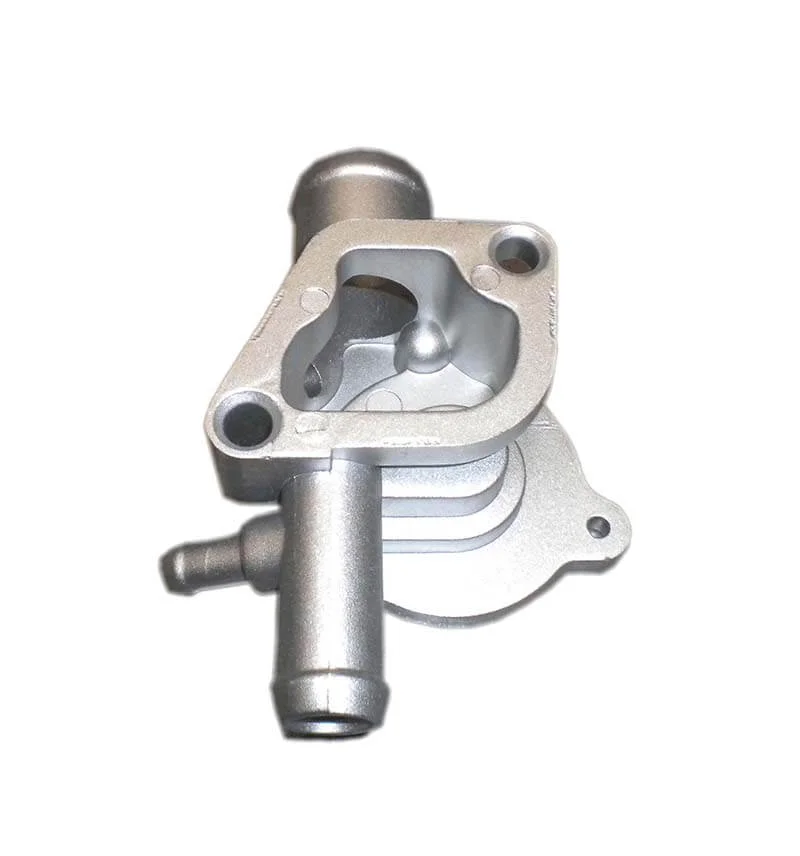
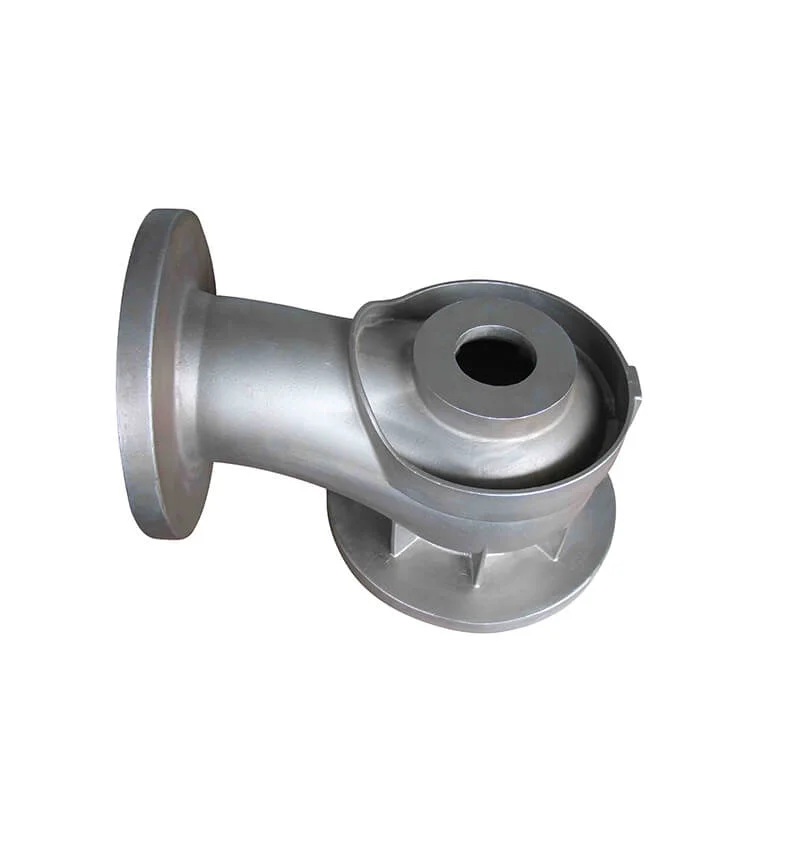
Metal casting and machining enquiries cover automotive, motorcycle and industrial components, with OEM and ODM service. Aluminum choices include A380, ADC12 and alsi7mg. Select the alloy and casting route for the actual component before coordinating machined dimensions and the surface treatment.
Choose the material and casting route together
For an A380, ADC12 or alsi7mg component, identify the alloy on the drawing and agree the intended die-casting and machining plan. For stainless-steel investment or lost-wax enquiries, confirm the material and route separately. This keeps the component process tied to the selected metal and geometry, rather than assuming that one route covers every material choice.
Allocate the 0.05–0.2mm range to drawing dimensions
The tolerance range is 0.05–0.2mm. Mark the dimensions to which the required acceptance applies and distinguish cast surfaces from machined interfaces. Agree the inspection reference and finished condition for each critical dimension; the range alone does not define every feature on a motorcycle, automotive or industrial part.
Match the surface to the selected alloy
Shot blasting, polishing, painting and hot-dip galvanizing are finishing choices to discuss for the project. Passivation enquiries should identify the stainless steel and the treatment requirement. Approve the compatible treatment sequence, affected surfaces and final appearance for the chosen alloy, including any interfaces that must retain their specified dimensions.
Set the OEM or ODM acceptance basis
An OEM enquiry can identify the component geometry, material and finished interfaces; an ODM enquiry should also explain the intended function and design conditions. Include the applicable surface and inspection criteria. If TS16949 documentation is needed, check the current certificate and its scope for the project before making it an acceptance requirement.








