Custom Alloy Steel Lost Wax Investment Casting, CNC Machining, Rapid Prototyping, Heat Treatment and Sand Blasting
Let’s define your requirement
Send a product link, drawing or short brief. We’ll work through the details with you.
- Confirm the specificationGrade or model, size and intended use.
- Define your orderQuantity, finish or configuration, and samples.
- Agree the quotation scopeIncluded work, key checks and delivery needs.
-
Surface FinishSandblasted
-
SizeCustomizedMaterialsAlloy Steel
-
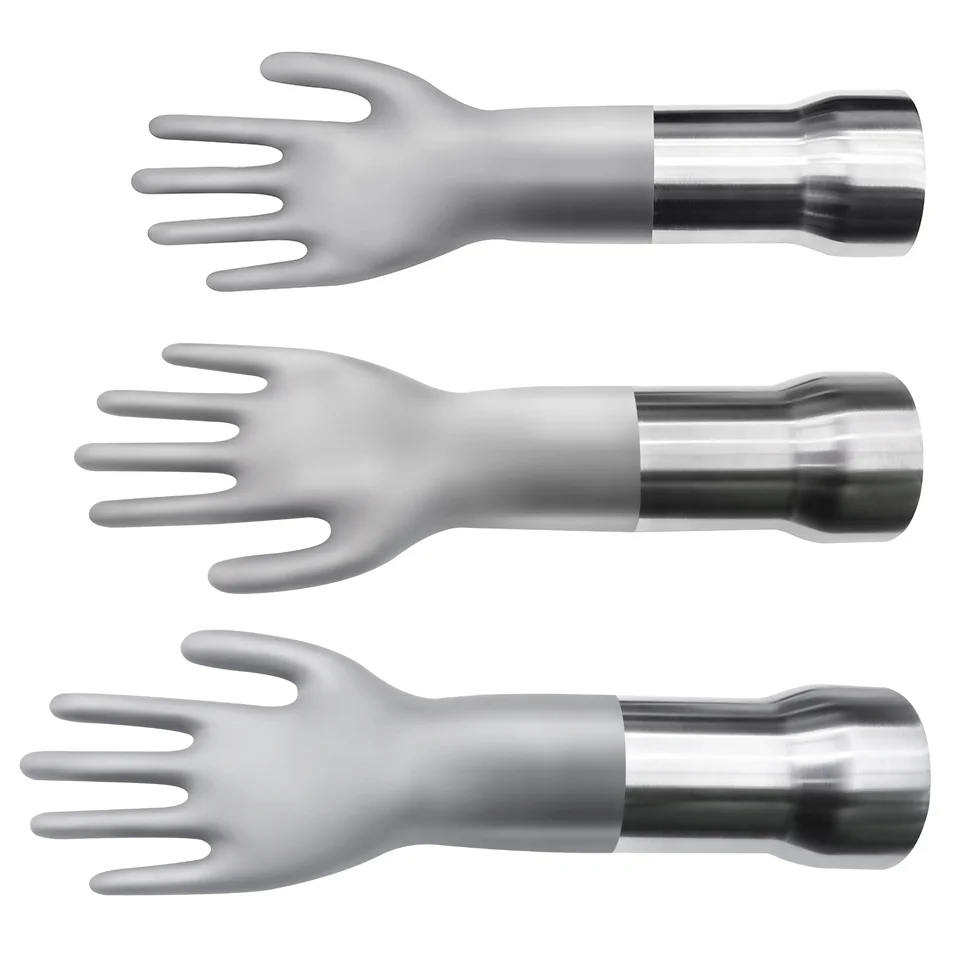
Product nameAxe HeadsProcessPrecision Lost Wax Investment Casting
-
Surface TreatmentSand BlastingServiceOEM ODM Customized
-
Dimensions40*30*20mmApplicationPetrochemical Machinery
-
UsageEngineCertificationISO 9001:2015
-
StandardGB ASTM AISI DIN BS
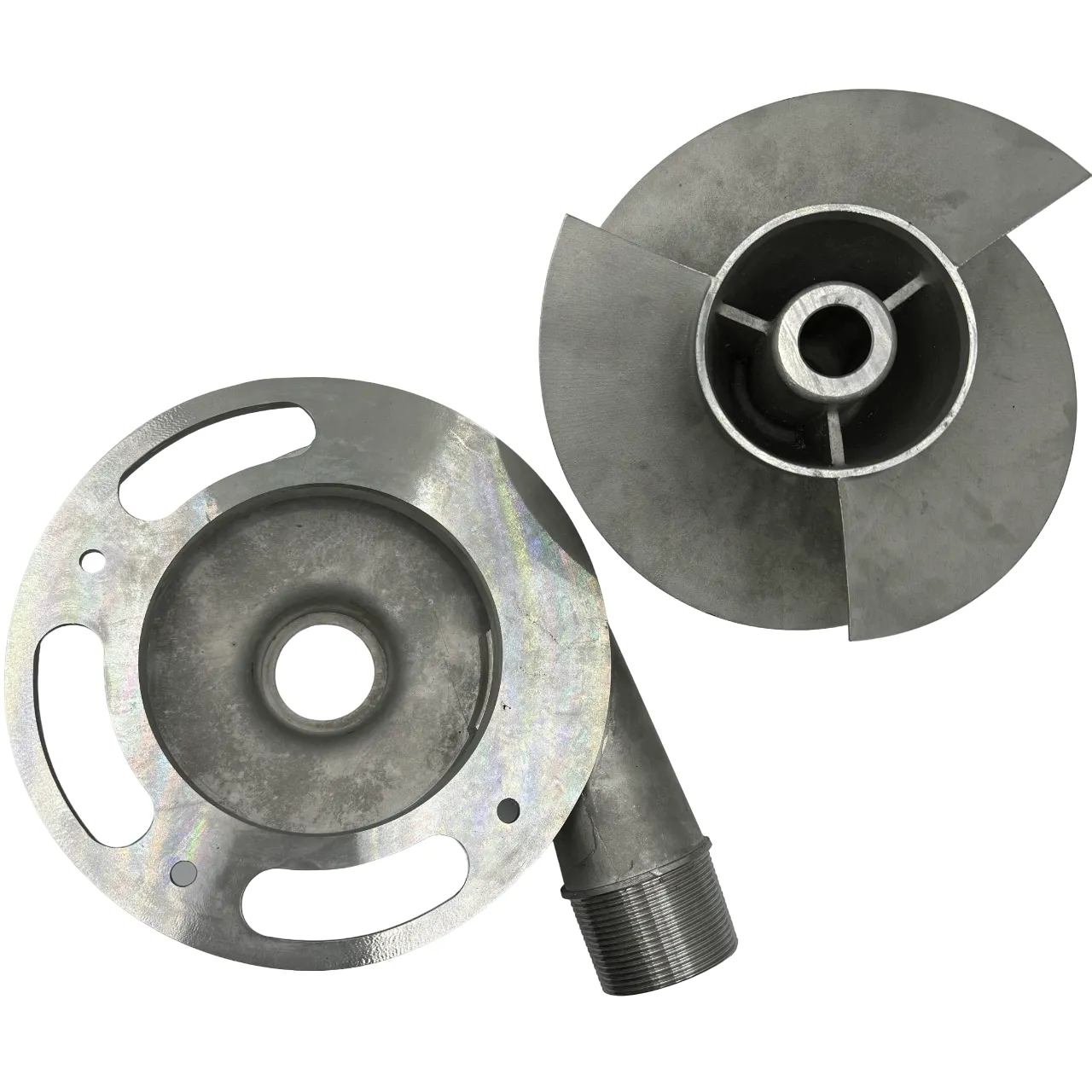
Custom alloy steel parts can be developed through precision lost wax investment casting with CNC machining, rapid prototyping, heat treatment and sand blasting. OEM or ODM enquiries should establish the component identity and required finished condition before those operations are arranged into a project proposal.
Confirm the component before prototype work
Provide the intended part name, function and drawing so the prototype scope describes the component you need. The 40×30×20 mm dimensional reference can be reviewed alongside the final custom dimensions and their axis assignments. Confirm the geometry and mating interfaces before approving the casting or prototype deliverable.
Connect casting geometry with CNC interfaces
Identify the features to be formed by investment casting and the dimensions requiring CNC machining afterward. Mark their drawing references and acceptance limits, including any interfaces that position the component in its assembly. This connects the precision requirement to particular part features and the measurements needed to accept them.
Set the alloy condition and sand-blasted surface
Specify the alloy steel grade and the material condition required for the intended duty. Define the outcome and acceptance criteria for the heat-treatment proposal, with sand blasting assigned to the relevant surfaces. Agree the finished appearance and any dimensions needing verification after those operations as part of the component review.
Define prototype and documentation acceptance
Describe what the prototype must establish and the dimensional, material or functional evidence required for approval. Identify the exact GB, ASTM, AISI, DIN or BS specifications relevant to the chosen material and part. For an ISO9001:2015 requirement, confirm the current certificate holder and covered activities, then review that documentation alongside the component-specific acceptance before proceeding with the manufacturing scope.