
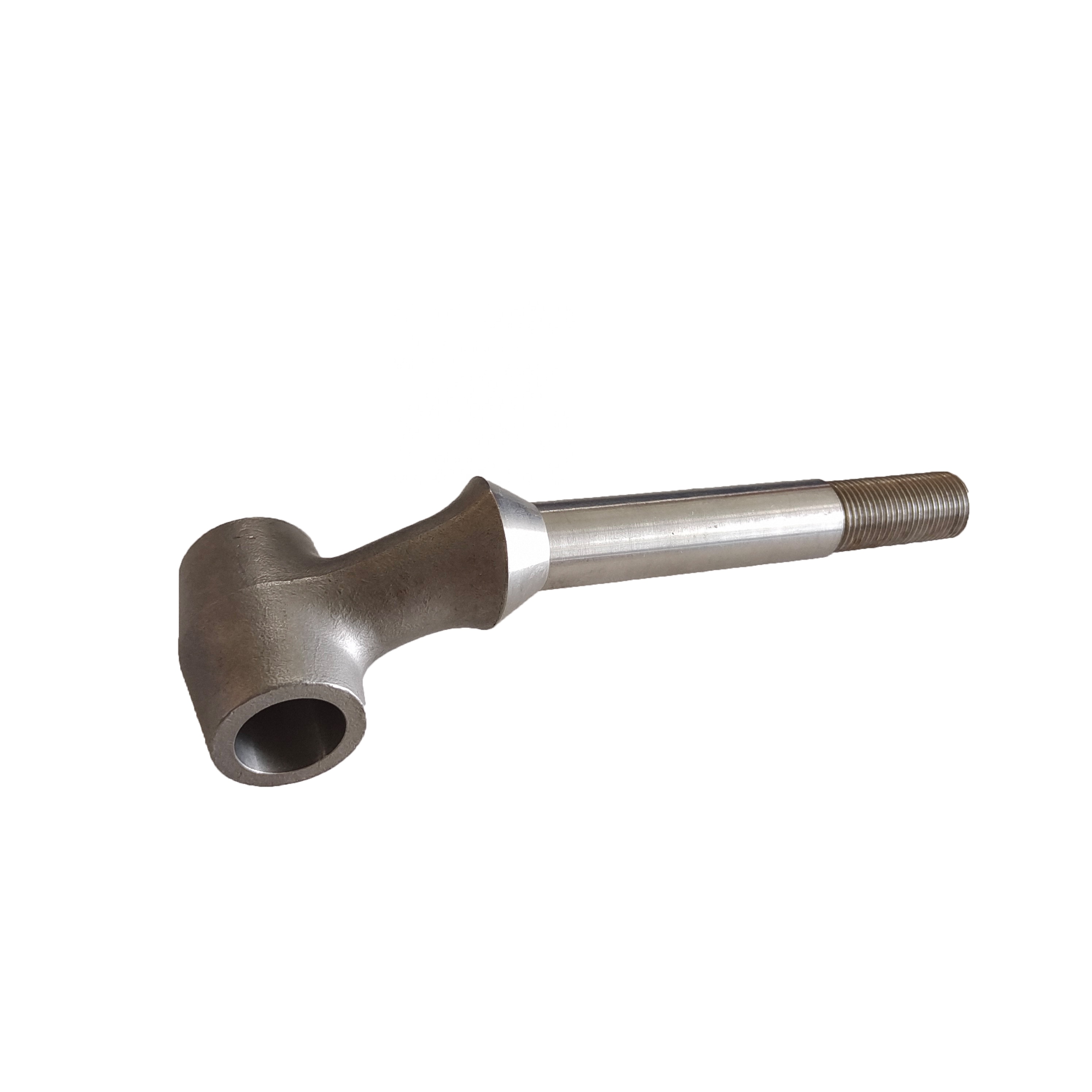
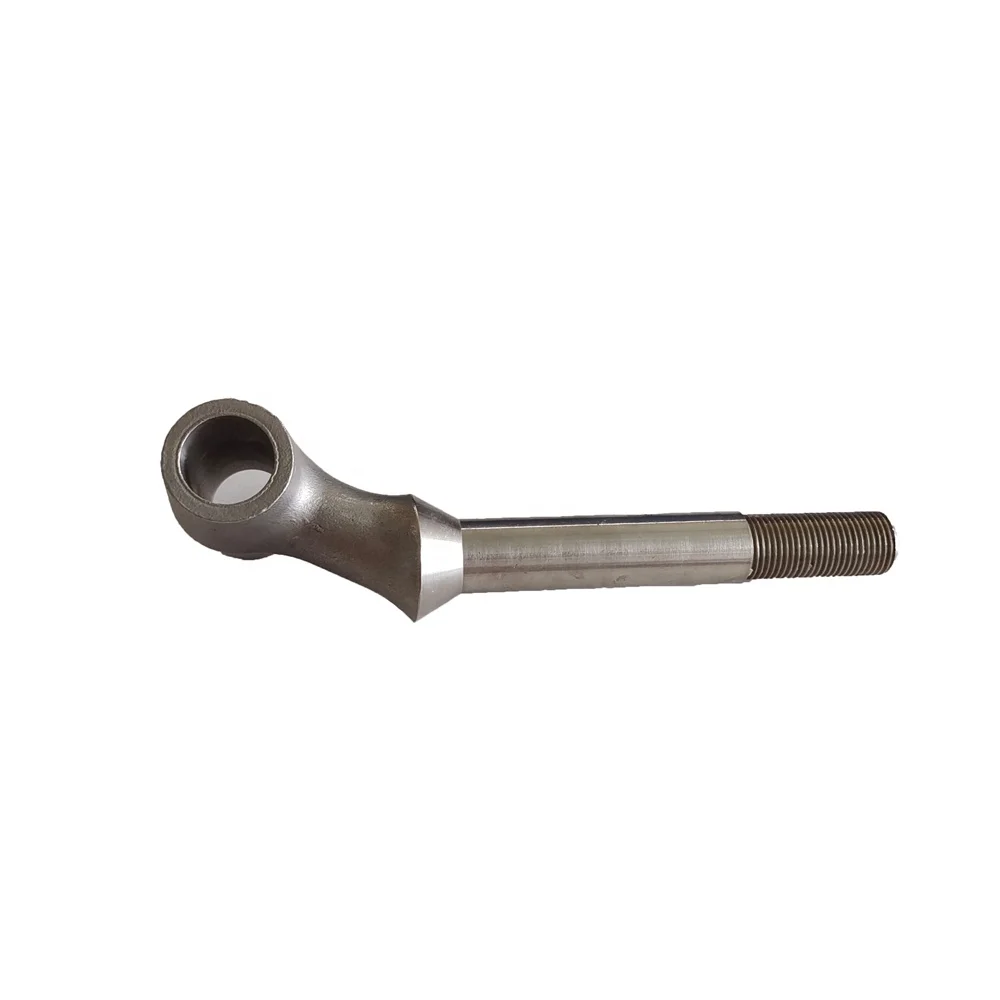
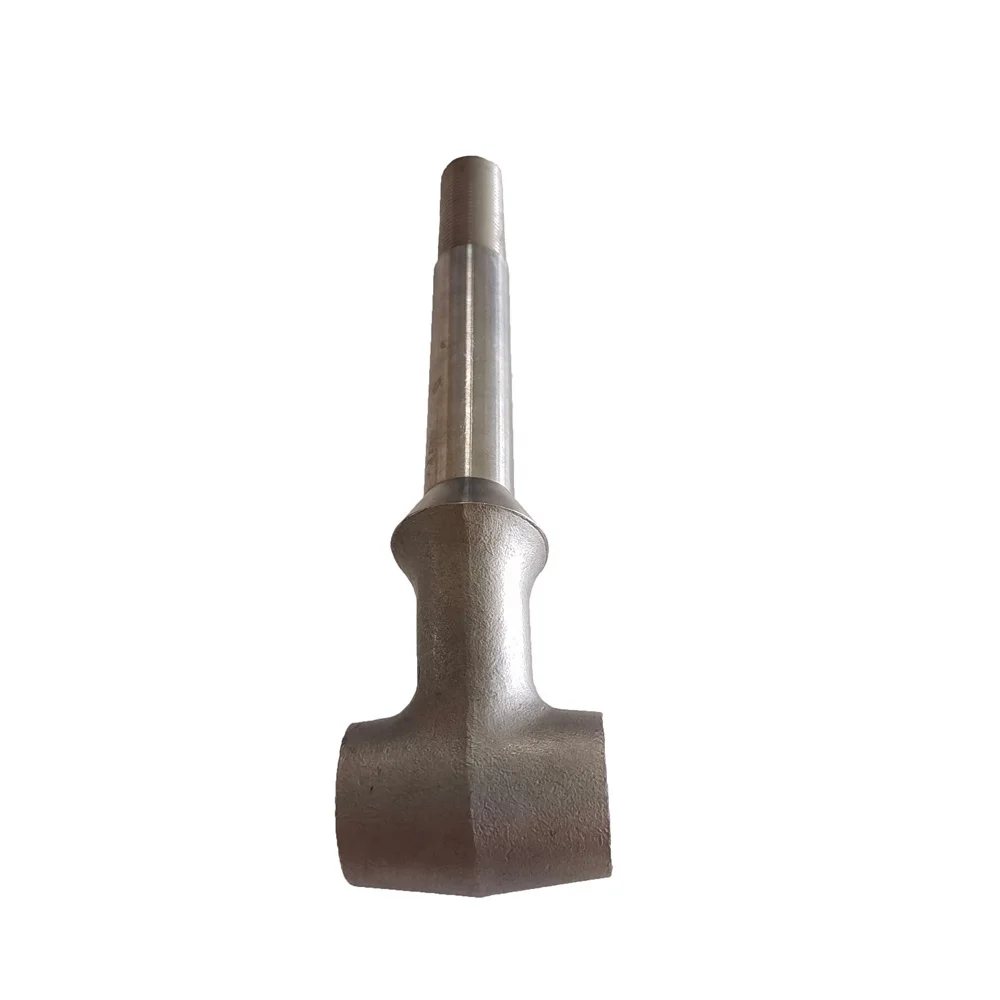
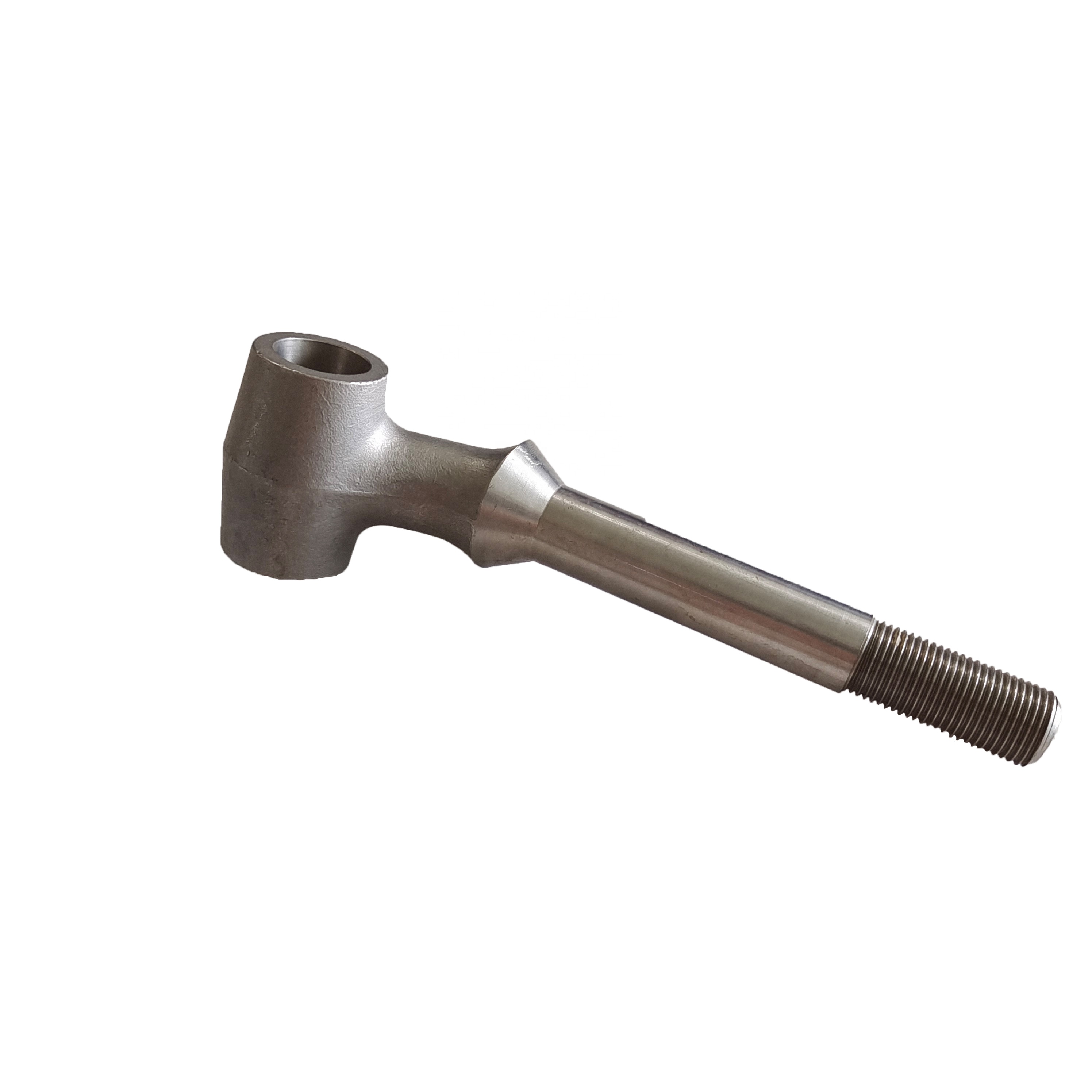
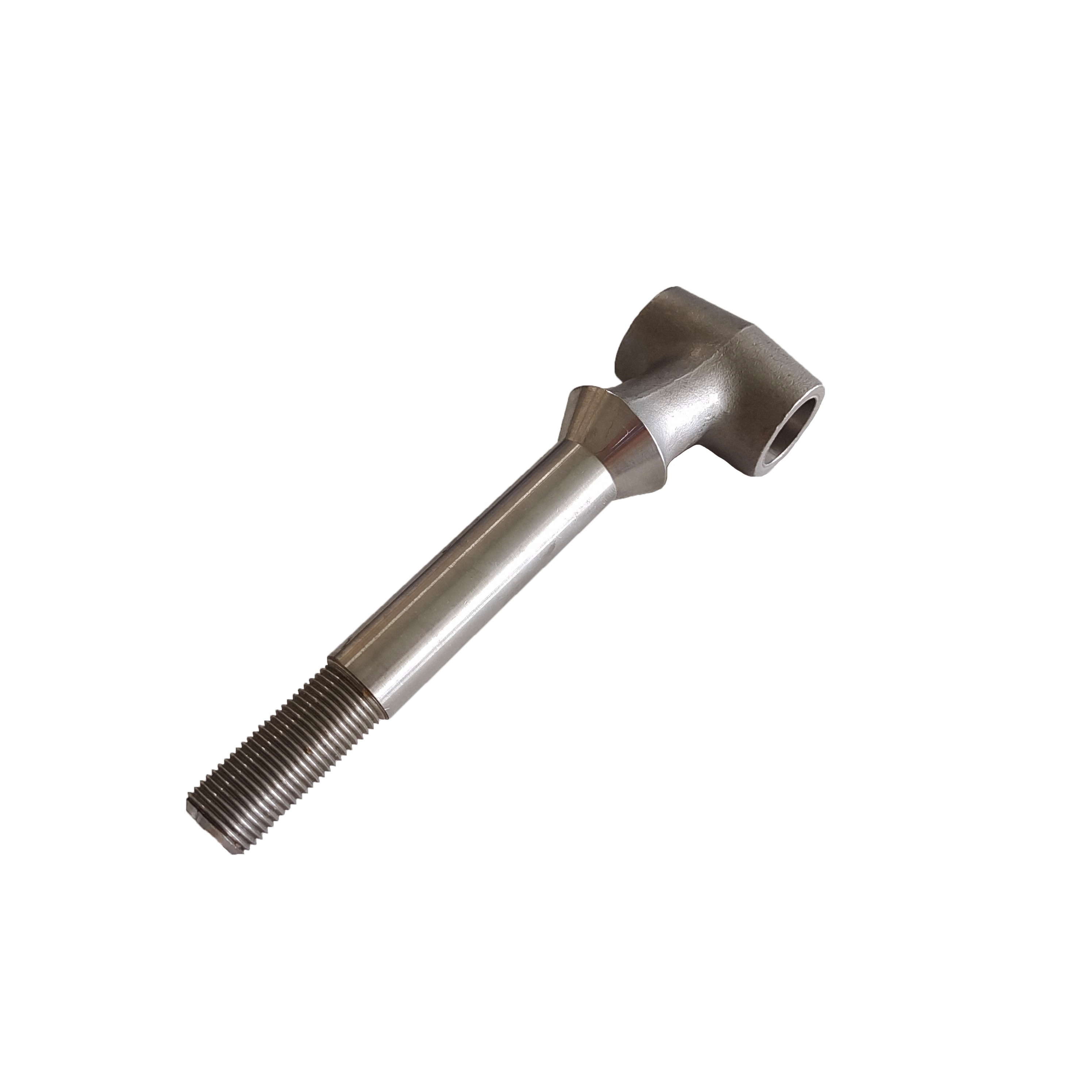
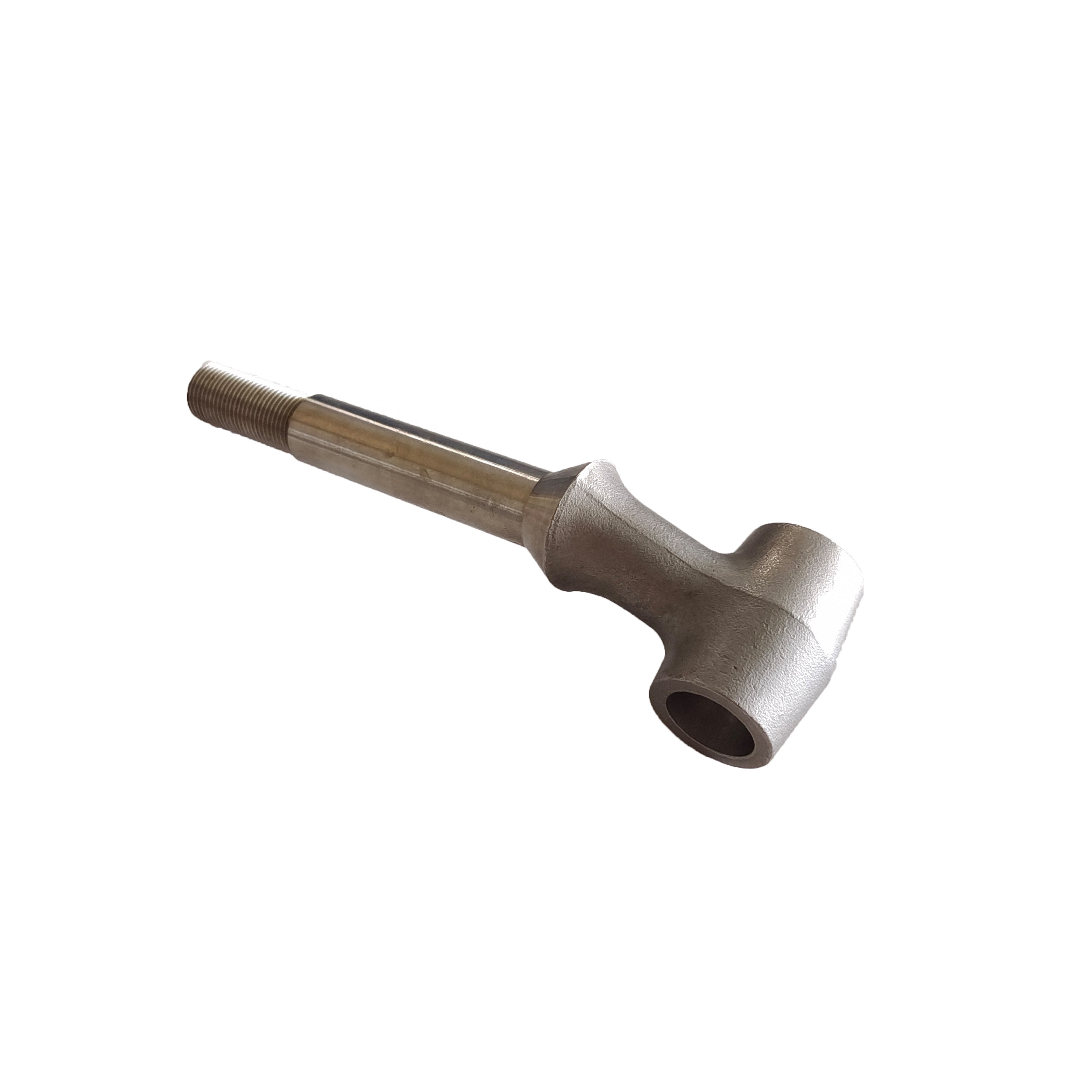
Custom 316 Stainless-Steel Mechanical Parts | Precision Investment/Lost-Wax and Lost-Foam Casting
Let’s define your requirement
Send a product link, drawing or short brief. We’ll work through the details with you.
- Confirm the specificationGrade or model, size and intended use.
- Define your orderQuantity, finish or configuration, and samples.
- Agree the quotation scopeIncluded work, key checks and delivery needs.
-
Surface FinishPowder Coated
-
Product nameCustom Casting Parts
-
ProcessCasting. Deburring .Drilling .threadingSurface treatmentPowder Coating
-
Heat treatmentTemperingMachining ProcessCNC Finishing Process
-
PackingPoly Bag + Inner Box + CartonLead Time15-35 Days
-
Casting ToleranceCT5-7TechnologyLost Foam Casting System
Custom mechanical-part inquiries center on 316 stainless steel and precision casting, with deburring, drilling, threading and CNC finishing in the work scope. Investment/lost-wax and lost-foam directions require selection for the actual component. Powder coating and tempering are additional treatment directions to define for that part.
Selecting the route for a 316 component
Establish whether investment/lost-wax or lost-foam casting applies to the selected mechanical part before agreeing its manufacturing sequence. The component geometry, material condition and intended function provide the context for that decision. Keep the 316 grade designation connected to the actual material requirement, and describe the mating interfaces and operating conditions against which the finished part will be assessed.
Drilled and threaded interfaces after casting
Deburring, drilling, threading and CNC finishing offer concrete starting points for defining post-casting work. Identify the holes, threaded connections and other interfaces required by the component drawing. The CT5–CT7 casting-tolerance reference belongs with the applicable cast dimensions; finished CNC dimensions and thread requirements need their own agreed acceptance so the two measurement scopes remain clear.
Powder-coated areas and tempering scope
Powder coating should be assigned to the actual surfaces required for the mechanical component. Define appearance and surface acceptance together with the part's assembly interfaces. Any tempering requirement must be agreed against the selected material and condition, with its process scope identified for that component. A defined route, dimensional plan and treatment scope allow the casting inquiry to address the intended mechanical task.








