Custom 304/316L Stainless Steel Silica Sol Lost Wax Casting Parts with CNC Machining
Let’s define your requirement
Send a product link, drawing or short brief. We’ll work through the details with you.
- Confirm the specificationGrade or model, size and intended use.
- Define your orderQuantity, finish or configuration, and samples.
- Agree the quotation scopeIncluded work, key checks and delivery needs.
-
Surface FinishPassivated , Shot BlastedAlloy Grade316L , 304
-
MaterialStainless Steel 304, 316L
-
ProcessSilica Sol Lost Wax Investment Casting + CNC MachiningServiceCustomized OEM
-
KeywordMulti-way Valve Manifold Casting PartsMOQSmall MOQ Acceptable
-
Lead Time20-25daysSurface FinishShot Blasting, Pickling, Passivation, Electropolishing
-
Inspection100% Dimension Inspection Before ShipmentPackingAnti-rust Plastic Bag + Carton Box
-
ApplicationFluid Control, Pipeline, Sanitary Equipment, Industrial Valve
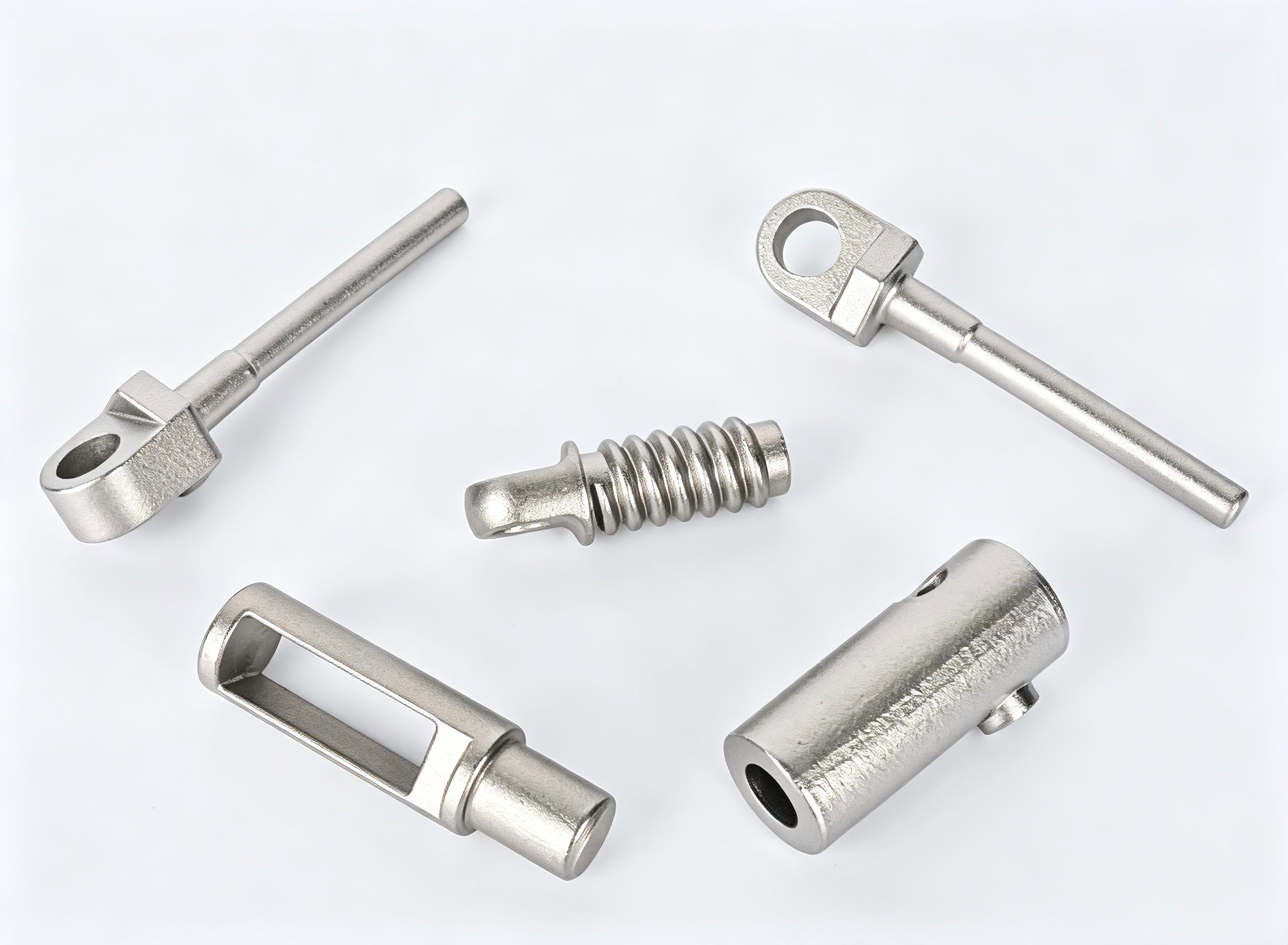
Custom OEM stainless steel parts can be produced in 304 or 316L using silica sol lost wax investment casting and CNC machining. The component drawing defines the geometry and intended service, while the selected surface finish and dimensional acceptance establish the required finished condition.
Establish the component before the casting review
Begin with the component name, drawing revision and intended function, then identify the interfaces that the part must fit. Mark the dimensions and surfaces requiring CNC machining as part of that review. This gives the casting enquiry a clear part identity and links each manufacturing requirement to the component that will be accepted.
Compare the available surface treatments
Shot blasting, pickling, passivation and electropolishing are surface-finish choices for discussion. Select the treatment against the chosen stainless material, required surface condition and application environment. Describe which surfaces receive the treatment and how they will be accepted, including any appearance or contact-surface requirements relevant to the drawing.
Define the dimensional inspection record
Quality control includes 100% dimensional inspection, with the measured characteristics and acceptance criteria to be agreed. Identify the critical dimensions, measurement references and records needed for the supplied part. Reviewing these requirements alongside the drawing helps connect CNC machining and inspection to the same finished geometry.
Connect material choice with the intended service
Choose 304 or 316L as part of the application review and state the material requirement in the order scope. Include the service environment and any functional acceptance criteria needed for the actual component. Structural support, pressure, sealing or sanitary requirements should each be defined where applicable, with the corresponding evidence agreed before the finished part is approved for use.