Custom 304/316 Stainless Steel Lock-Valve Fittings with Lost-Wax Casting, CNC and Surface Treatment
Let’s define your requirement
Send a product link, drawing or short brief. We’ll work through the details with you.
- Confirm the specificationGrade or model, size and intended use.
- Define your orderQuantity, finish or configuration, and samples.
- Agree the quotation scopeIncluded work, key checks and delivery needs.
-
Component FormFitting / Joint
-
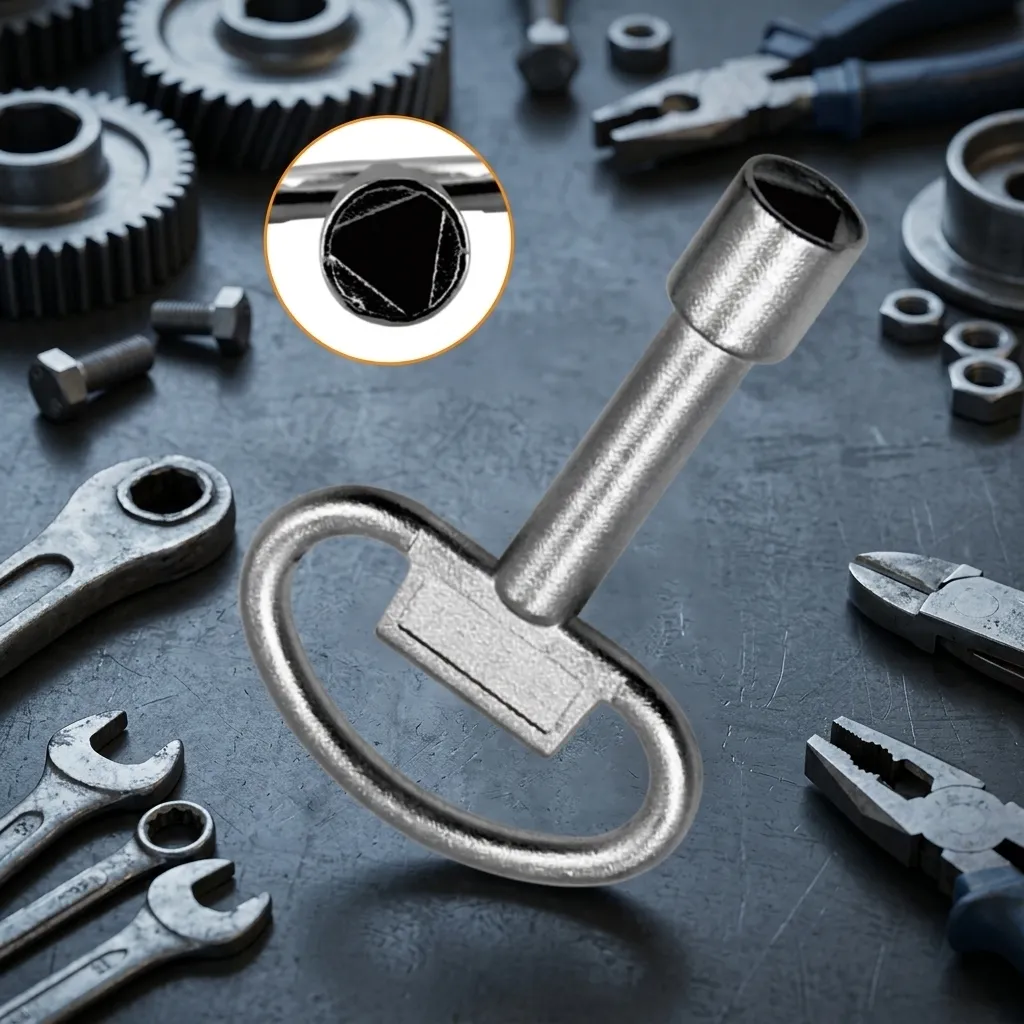
Name304 316 Stainless Steel Lock Valve Fittings Lost Wax Casting
-
MaterialStainless steelSurface treatmentNo cape burr sand hole
-
courseCasting + CNC machining + surface treatmentQuality Control100% Inspection
-
Tolerance0.2mmMachining ProcessLost Wax+CNC Mechining
-
advantagePrecision shapepackageAccording to the specific requirements of customers
Custom lock-valve fitting requests use 304 or 316 stainless-steel directions with lost-wax investment casting, CNC machining and surface treatment. One hundred percent inspection is offered for the lock-valve component, with its dimensional and surface acceptance to be defined.
Establish the fitting shape and valve connection
Select the actual stainless grade and identify the shape needed for the mating valve assembly. Define the connection dimensions and the interfaces that govern the fitting's position and fit. This makes the custom casting inquiry specific to the required component and the valve geometry it must address.
Allocate the finished dimensions to casting and CNC
The dimensional tolerance direction is 0.2 mm, with its applicable features and acceptance method to be agreed. Identify which dimensions belong to the cast condition and which require CNC work. Relate that allocation to the fitting drawing so the finished geometry and manufacturing request remain connected.
- Connection definition
- Identify the actual valve interfaces and mating dimensions.
- Application definition
- State any pressure, temperature or media requirements relevant to the actual part.
Define the treated surface and inspection criteria
Agree the required surface condition and the appearance criteria for burrs and sand holes. Include the surfaces that influence fitting assembly and identify how their acceptance will be checked. Combining those requirements with the material and dimensional definition gives the component's full-inspection offer a concrete basis for review.
The fitting inquiry should bring the selected grade, actual valve geometry and relevant application requirements together. Define the finished-part and operating acceptance needed for that assembly before finalizing the custom lost-wax and CNC work.