Custom 304/316 Stainless Steel Irregular Parts, Silica Sol Lost Wax Precision Investment Casting
Let’s define your requirement
Send a product link, drawing or short brief. We’ll work through the details with you.
- Confirm the specificationGrade or model, size and intended use.
- Define your orderQuantity, finish or configuration, and samples.
- Agree the quotation scopeIncluded work, key checks and delivery needs.
-
Surface FinishMachinedAlloy Grade316 , 304
-
SizeCustomized
-
Surface TreatmentRough machiningMaterials316 stainless steel,304 stainless steel
-
Product TypeCustom Irregular Metal CastingsCasting MethodPrecision Investment Casting
-
MaterialCustomer-Specified Metals and AlloysStainless Steel Options304, 316 and Requested Grades
-
Other MaterialsSelected to Match Project RequirementsDesign BasisCustomer Drawings or Reference Samples
-
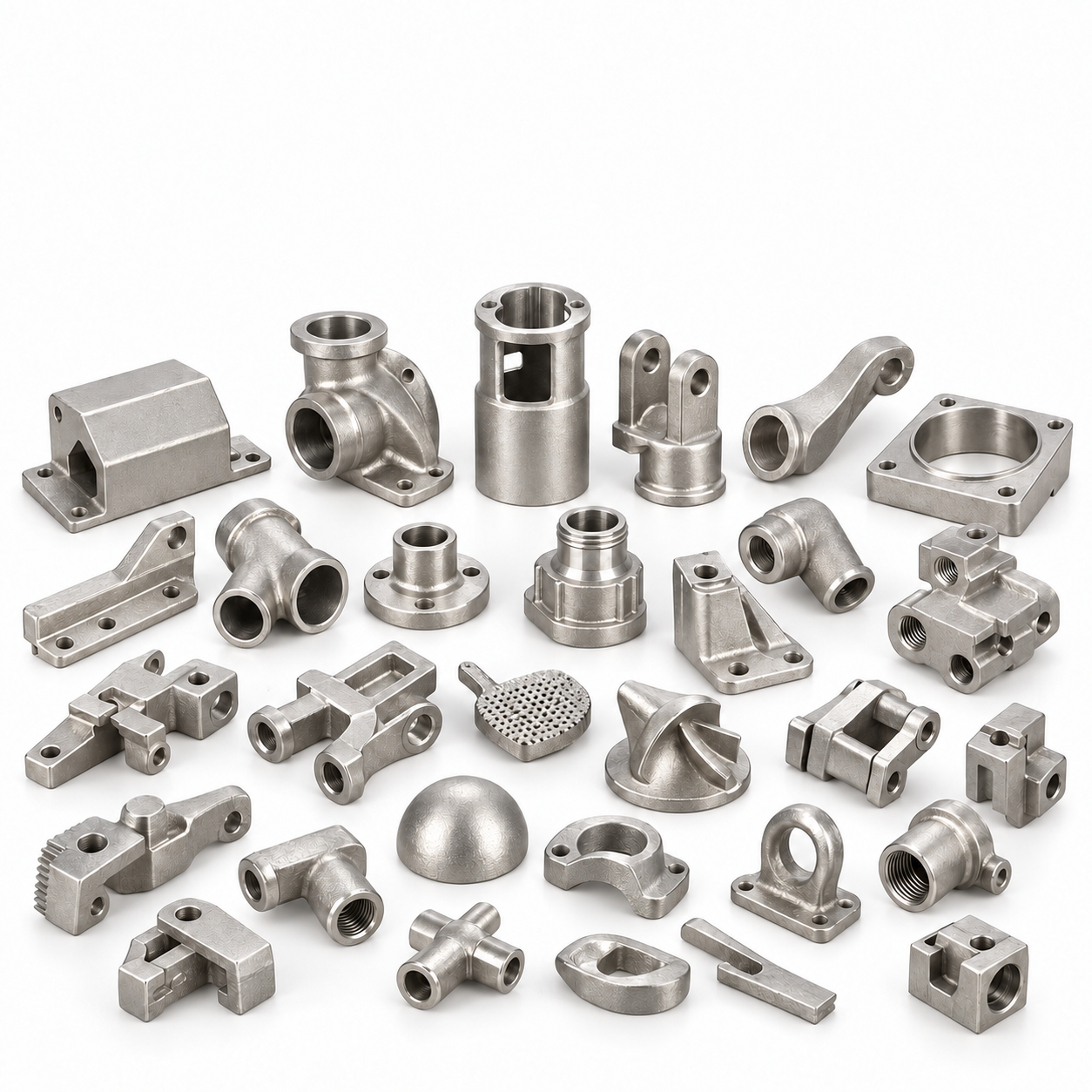
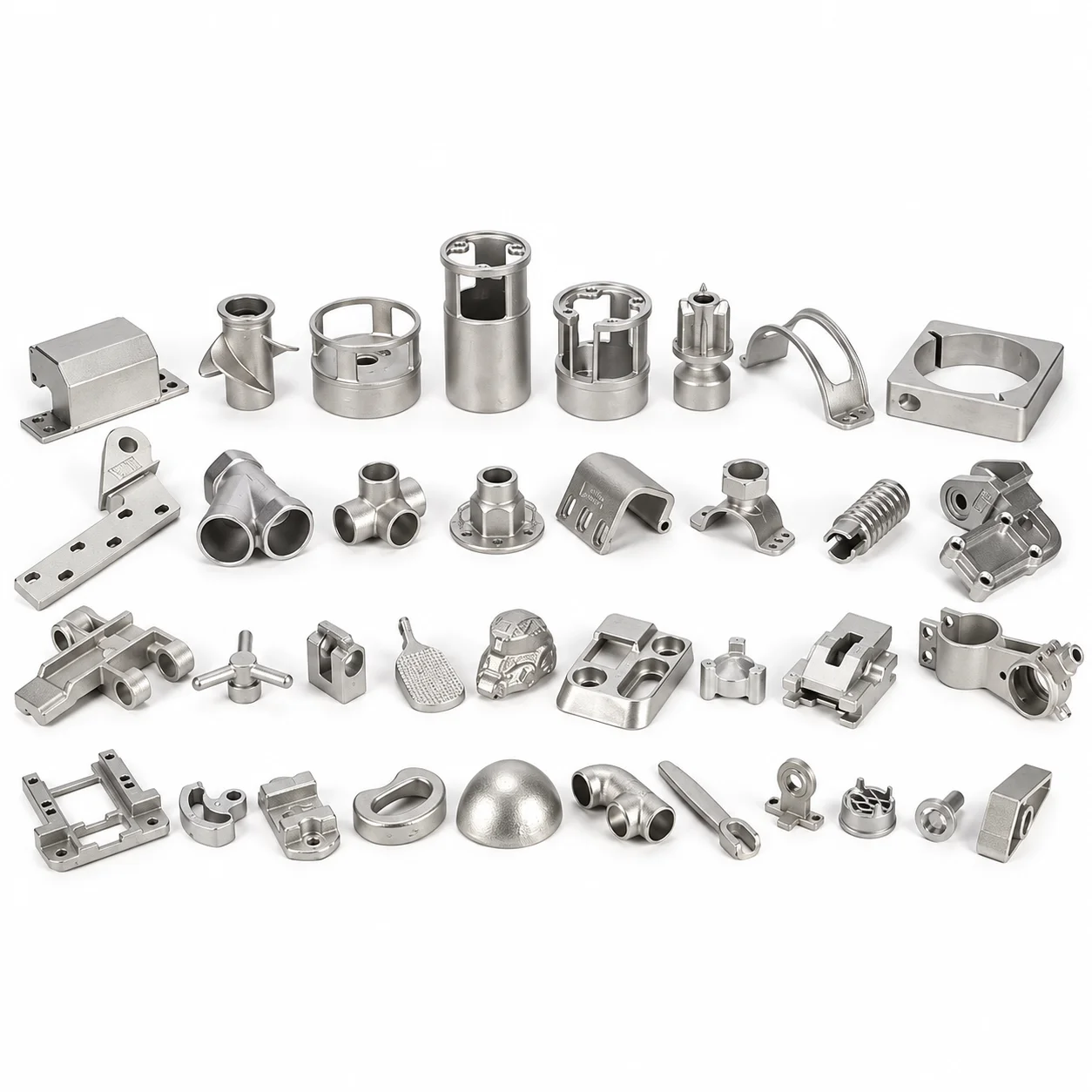
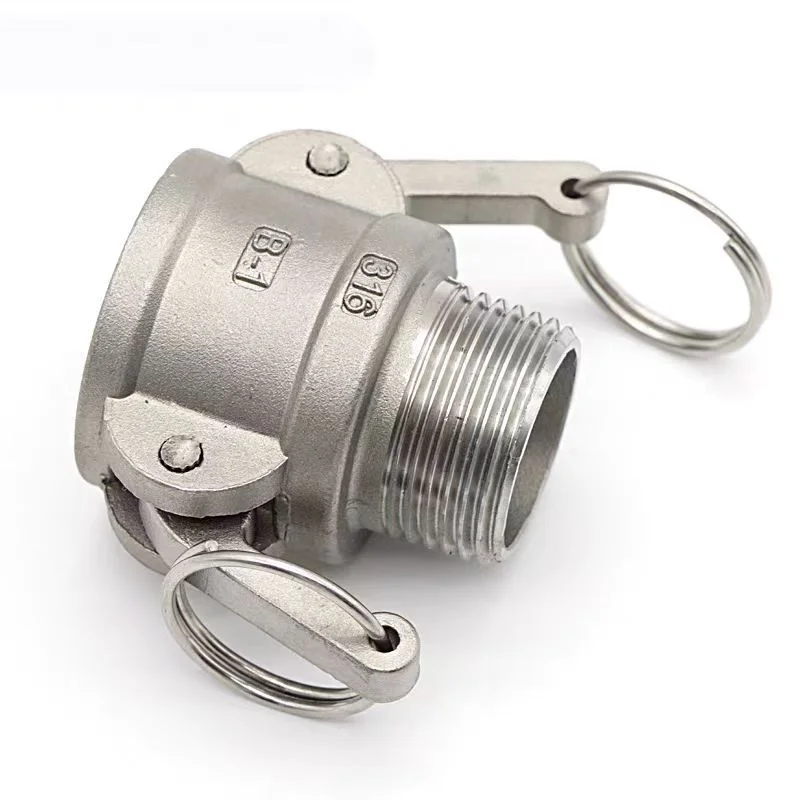
Part TypesHousings, Brackets, Couplings and MountsApplicationsMachinery, Pumps and Industrial Hardware
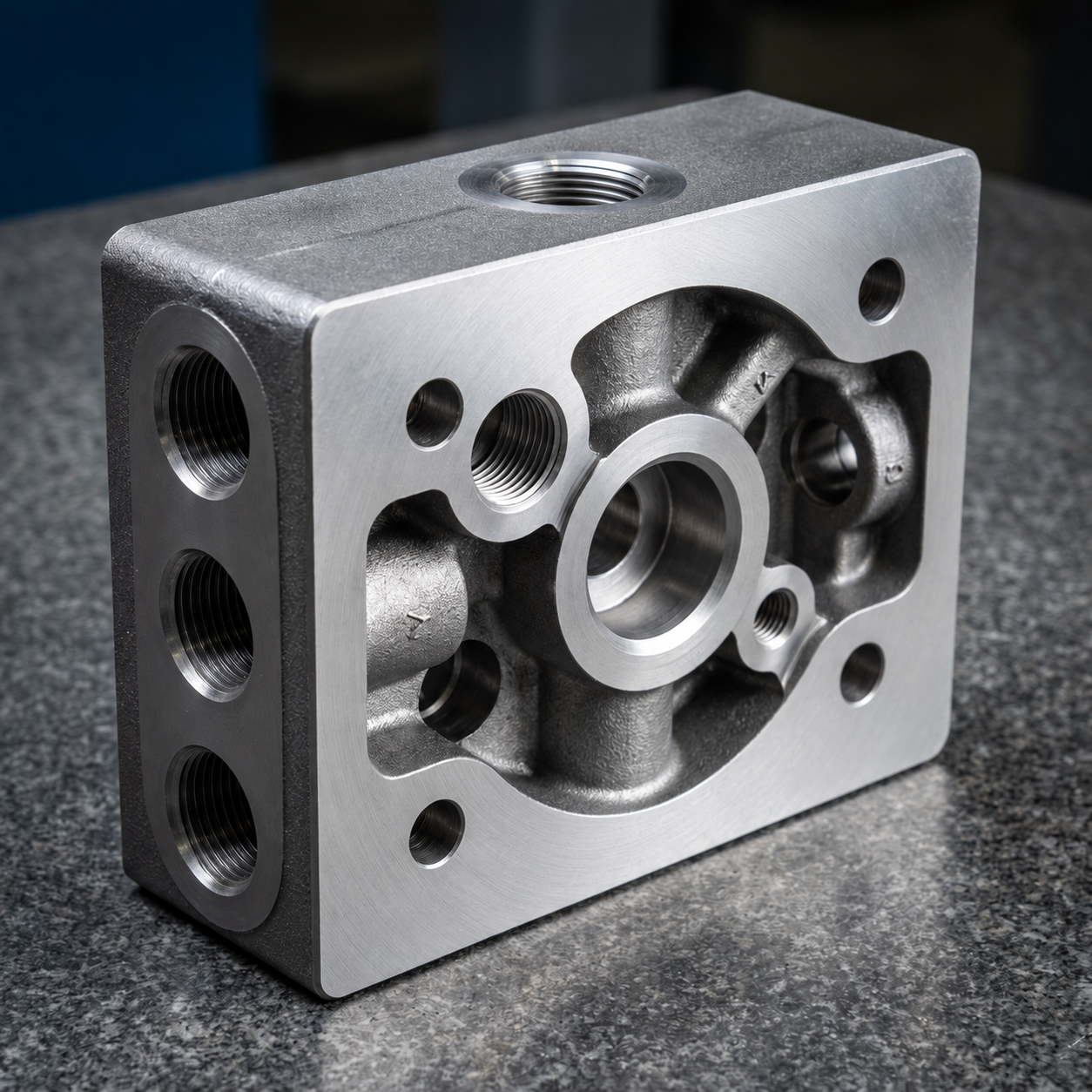
Custom irregular metal parts in 304 and 316 stainless steel are available through precision silica sol lost-wax investment casting. Rough machining is included in the service scope. Housings, brackets, couplings and mounts can be defined from customer drawings or reference samples for machinery, pumps and industrial hardware enquiries.
Describe the irregular shape and its interfaces
The component drawing or reference sample should identify the geometry that makes the part specific to the project. Show the dimensions and mating areas needed for the selected housing, bracket, coupling or mount. This gives the custom-size enquiry an actual component to address. The shape and acceptance requirements should remain consistent when discussing further manufacturing work.
Select the material and rough-machined condition
304 and 316 stainless steel are named options, with other requested grades and customer-specified metals or alloys selected for the project. Define the exact material standard for the ordered part. Identify the areas requiring rough machining and the condition expected when that work is complete. This keeps the manufacturing scope clear without treating rough machining as the entire final dimensional definition.
Relate the casting to its machinery or pump use
Machinery, pump and industrial-hardware components should have their relevant interfaces and dimensional requirements established for the actual assembly. Define the finished surface and inspection acceptance needed after the selected work. The drawing or sample, chosen grade and rough-machining scope can then be reviewed as one consistent component enquiry. These inputs provide a practical basis for assessing the custom irregular investment casting and its required finished condition.