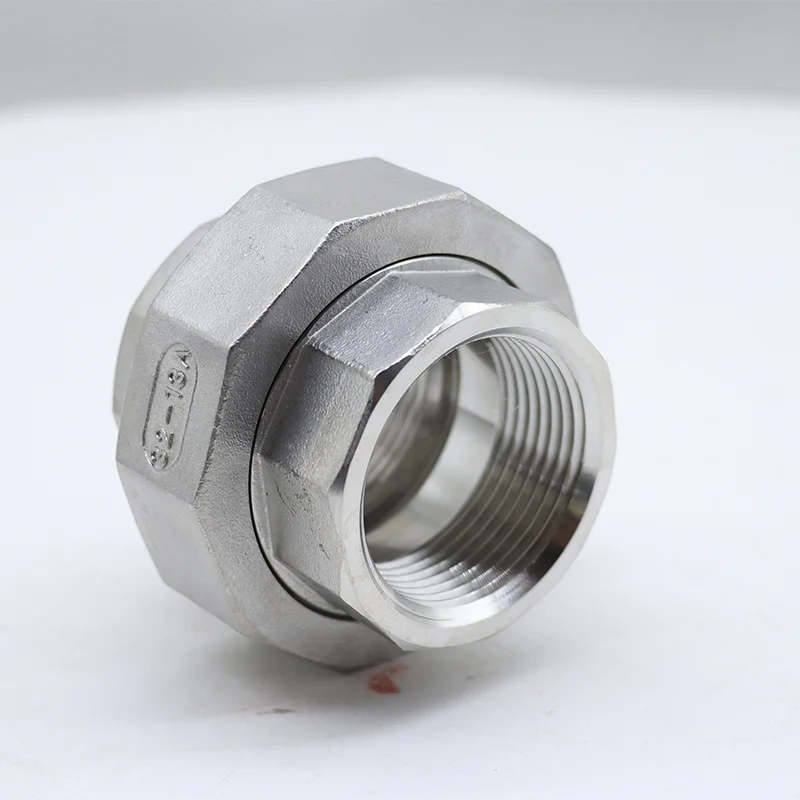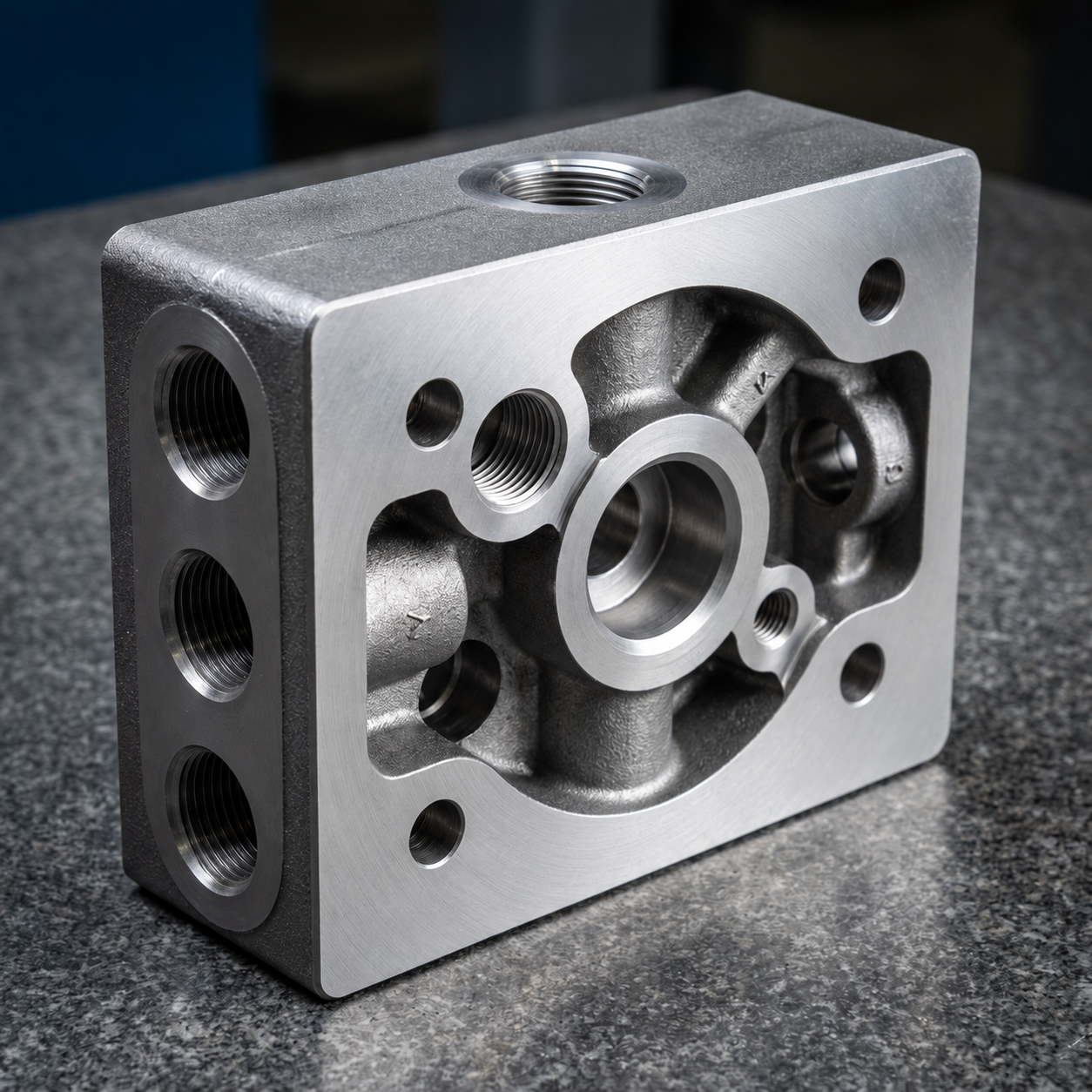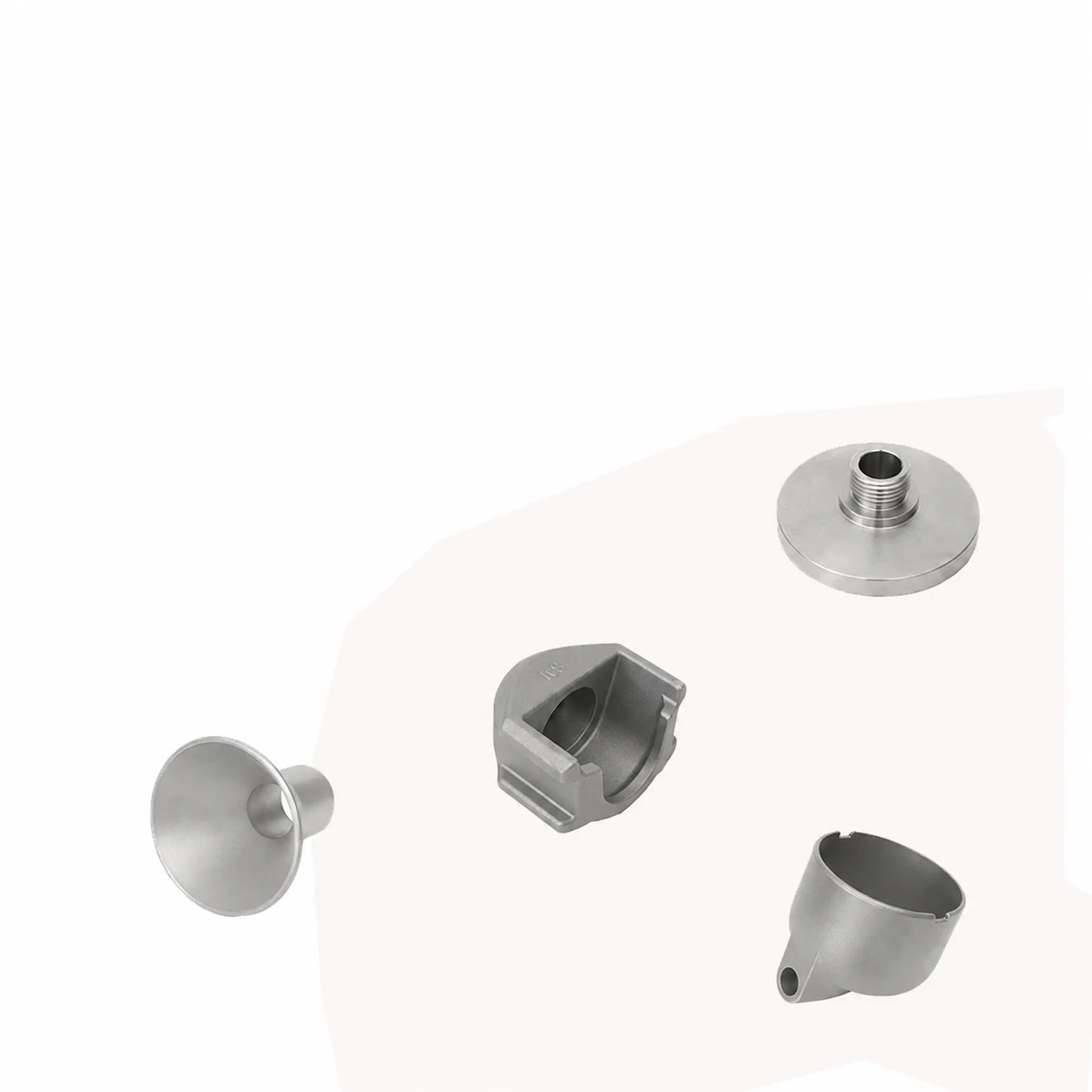
Custom 304/316 Stainless Steel Hardware, Lost-Wax Investment Casting with OEM/ODM and Iron Inquiries
Let’s define your requirement
Send a product link, drawing or short brief. We’ll work through the details with you.
- Confirm the specificationGrade or model, size and intended use.
- Define your orderQuantity, finish or configuration, and samples.
- Agree the quotation scopeIncluded work, key checks and delivery needs.
-
Product nameInvestment Metal Hardware Lost Wax Casting Services
-
CertificationISO9001/TS16949/RoHSMaterialStainless Steel
-
DimensionsCustomized DimensionProcessCasting +Machining(if Need)+surface Treatment
-
Surface treatmentCustomers' DemandServiceOEM ODM Customised
Custom metal-hardware inquiries cover 304/316 stainless-steel lost-wax investment casting with OEM/ODM support. Dimensions are customized, and the process may include machining if needed followed by the required surface treatment. Iron components are an additional material direction to define for the selected part.
Stainless hardware or a separate iron component
Choose the actual 304 or 316 requirement for the stainless-steel hardware. For iron, identify the required grade and component separately so that its material and manufacturing scope are clear. The useful selection concerns the particular hardware design and its function, rather than treating the material names as interchangeable.
Customized dimensions and optional machining
Define the component's cast geometry and the mating interfaces that establish its fit. Machining can be included where that selected geometry requires subsequent work. Agree the final dimensions and tolerances for those areas alongside the cast form, keeping the optional operations connected to the requirements of the hardware being considered.
Requested surfaces within the OEM/ODM scope
Surface treatment follows the customer's demand. Identify the visible surfaces, mating areas and acceptance requirements for the chosen material, then specify the treatment needed for those areas. The custom inquiry should connect that surface condition to the actual geometry and intended function of the component. This provides an OEM/ODM review with a defined hardware part, selected material and required work, while retaining the choice of custom dimensions and machining where needed.