
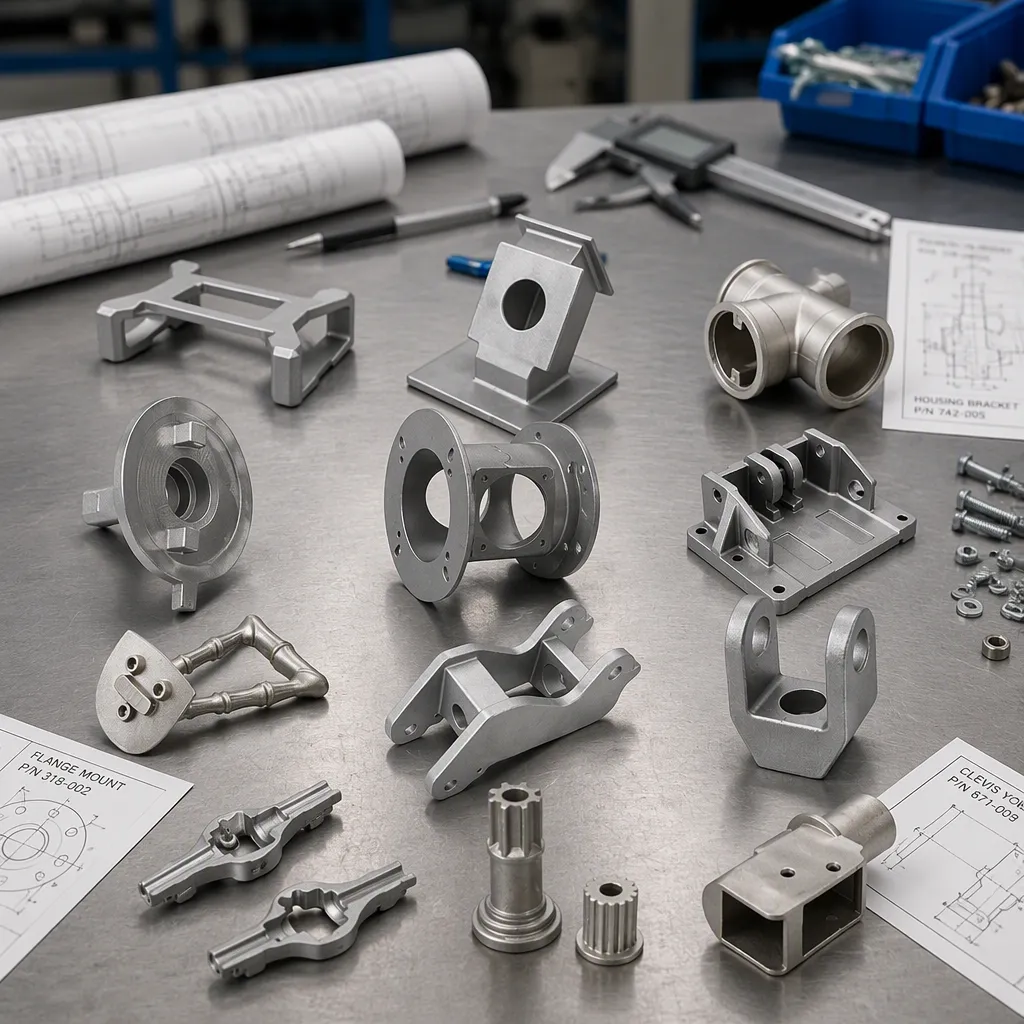
Custom 304/316 Stainless Steel and Cast Iron Lost Wax Investment Casting, CNC Machining, ISO9001
Let’s define your requirement
Send a product link, drawing or short brief. We’ll work through the details with you.
- Confirm the specificationGrade or model, size and intended use.
- Define your orderQuantity, finish or configuration, and samples.
- Agree the quotation scopeIncluded work, key checks and delivery needs.
-
SizeCustmer's Drawings
-
Surface TreatmentCustomers't RequirementMaterialsStainless Steel
-
NamePrecison 304 316 Stainless Steel Casting ServicesMaterialStainless Steel
-
Surface treatmentNo cape burr sand holeKeyword316 stainless steel silica sol precision casting
-
Quality Control100% InspectionTolerance0.02mm
-
Machining ProcessLost Wax+CNC MechiningDimensionsCustmer's Drawings
-
SurfaceCustomers't Requirement
Custom 304 and 316 stainless steel casting combines silica sol lost-wax investment processing with CNC machining. Cast-iron investment-casting enquiries are also supported with their required grade selected separately. Dimensions and surfaces follow the customer's drawing and requirements, giving each component a defined geometry and finished-condition target.
Identify cast and machined dimensions
The tolerance reference is 0.02 mm, with its convention and controlled dimensions to be agreed for the component. State the stage at which those dimensions will be accepted. CNC-machined areas should be distinguishable from general casting geometry so the drawing makes the final requirement clear. The selected 304, 316 or cast-iron grade and material standard should accompany that definition.
Define visible surface quality
Surface requirements include freedom from burrs and visible sand holes. Establish the actual acceptance criteria for those surface conditions and identify the faces to be assessed. Customer-requested treatment should also be related to the required finished appearance or condition. This gives the surface discussion a component-specific target and a clear basis for inspection.
Relate full inspection to the drawing
Inspection coverage is 100% for the custom castings, with the relevant methods and criteria established for the part. Connect those checks to the controlled dimensions, CNC areas and agreed surface condition. Review ISO9001 qualification against its current certificate object and the scope needed for the project. A consistent drawing, grade definition and acceptance plan help make the stainless steel or cast-iron enquiry useful for evaluating the complete finished component.








