
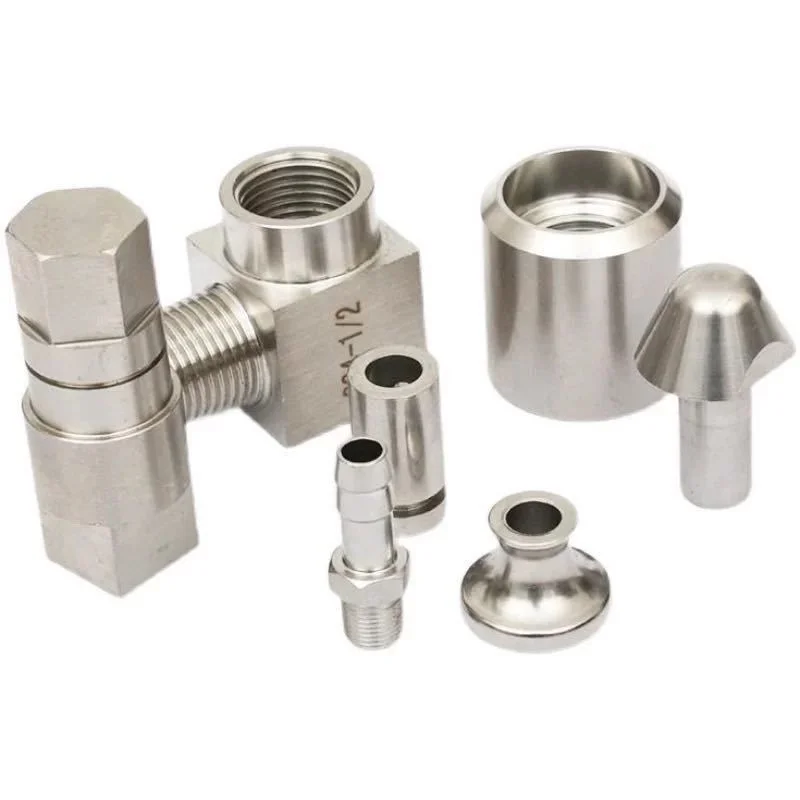
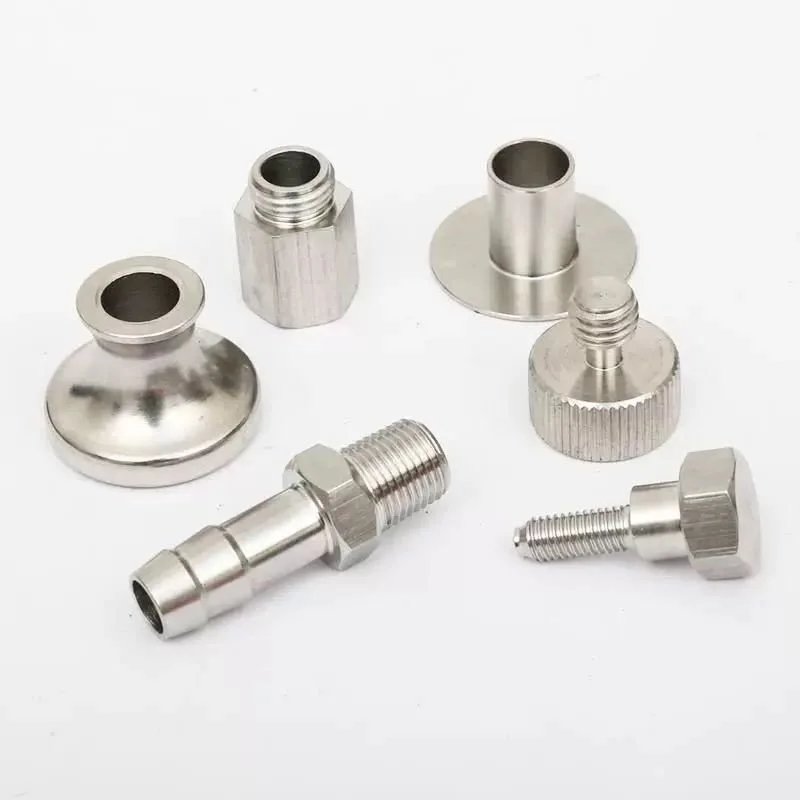
Custom 304/201 Stainless Steel and Carbon Steel Mechanical Parts with Investment Casting, Broaching and CNC Machining
Let’s define your requirement
Send a product link, drawing or short brief. We’ll work through the details with you.
- Confirm the specificationGrade or model, size and intended use.
- Define your orderQuantity, finish or configuration, and samples.
- Agree the quotation scopeIncluded work, key checks and delivery needs.
-
Surface FinishSandblasted , Polished
-
CNC Machining or NotCNC MachiningTypeBroaching, Laser Machining, Milling
-
Material CapabilitiesAluminum, Brass, Stainless SteelMicro Machining or NotMicro Machining
-
Product nameCasting hardwareMaterialAluminum , Stainless steel, Carbon steel, Brass, Plastic , etc.
-
ProcessCastingSurface treatmentAnodizing/Polishing/Plating/Painting/Sandblasting
-
SizeCustomer's RequstCertificationISO, CE
-
Drawing FormatSTEP(.stp),IGES (igs),SolidWorks(.sldprt),AutoCAD(.dwg/.dxf),PDFPortYantian Port
-
Tolerance0.01mmServiceOEM, ODM
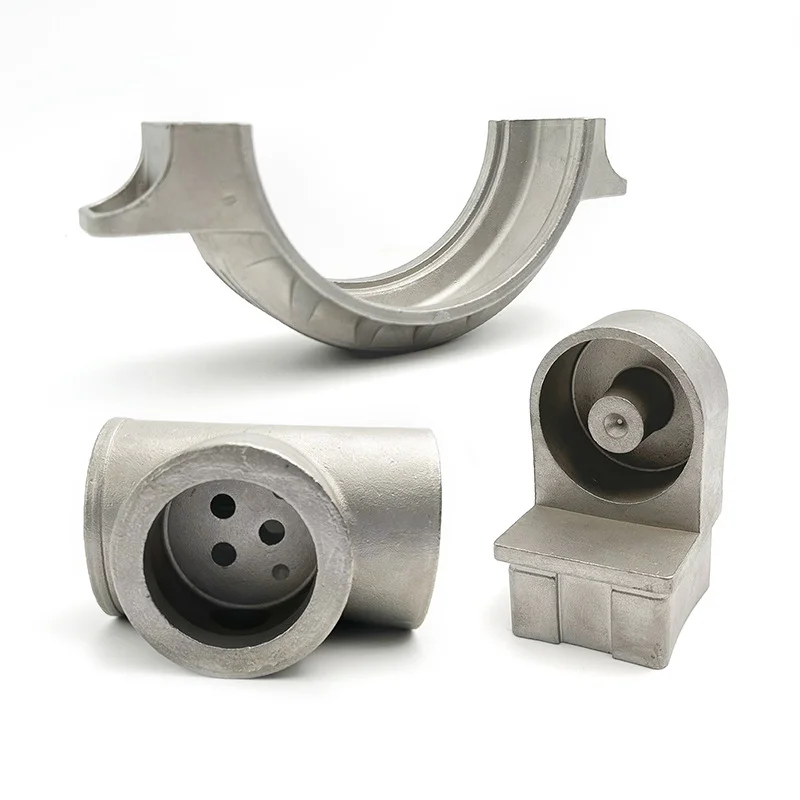
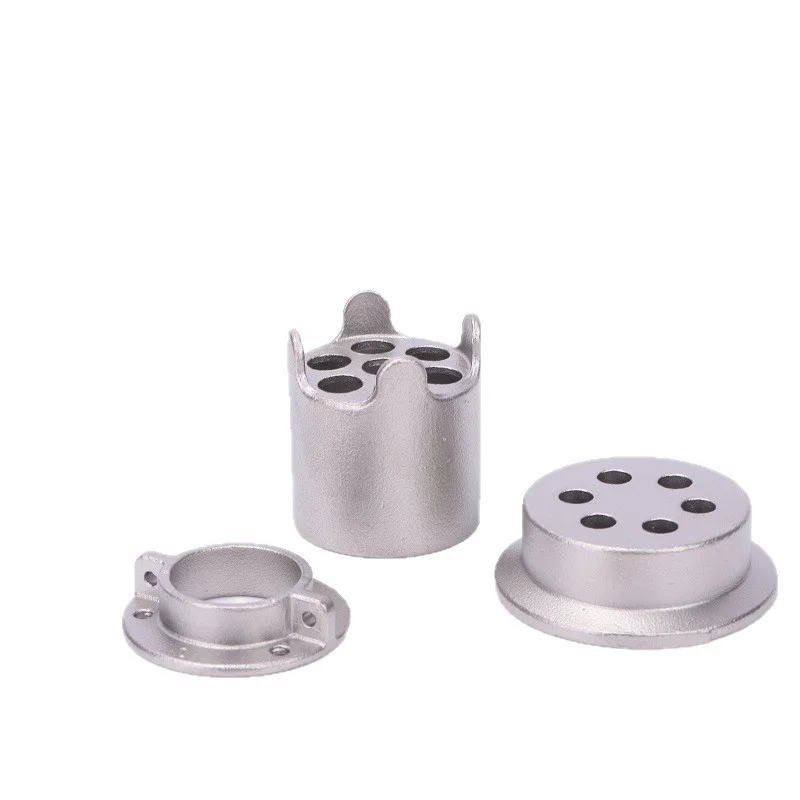
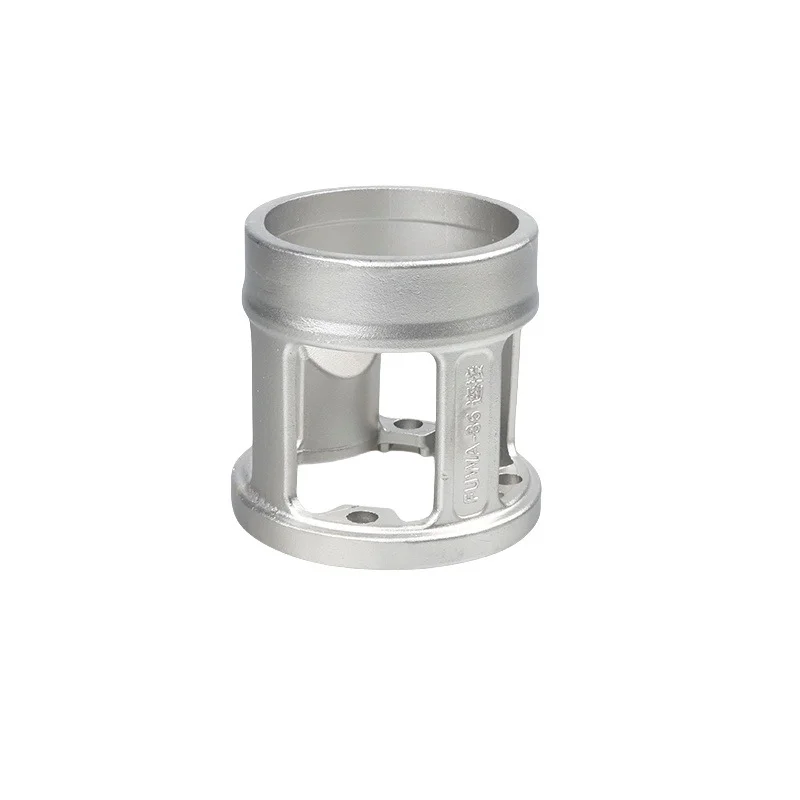
Develop mechanical hardware through the material, cast geometry and finished features required by the design. This OEM/ODM service combines investment casting and CNC machining requests, including 304 or 201 stainless steel and carbon steel components with customer-defined sizing.
Which areas require broaching or other machining?
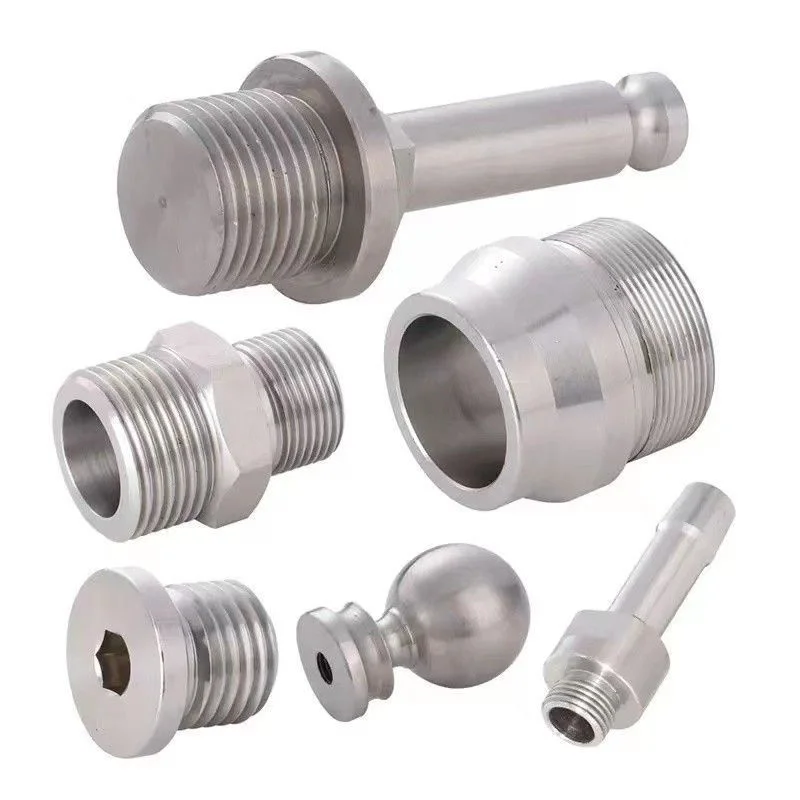
Broaching, laser machining and milling are available process directions, together with micro machining. Identify the features for which each operation is needed and relate them to the component's interfaces. A clear feature definition gives the casting and machining discussion a specific purpose, without assuming that every part requires the full process menu.
Which material belongs to the finished hardware?
304 and 201 stainless steel are named requests alongside carbon steel in this custom mechanical work. The broader material service also includes aluminum, brass and plastic work. Select the actual grade and manufacturing route for the requested component, keeping its material requirements connected to its cast form and machined surfaces.
How should the surface be developed?
Anodizing, polishing, plating, painting and sandblasting are finishing directions to consider for the chosen material. Define the treatment areas and the required surface condition for the hardware. Relating the finish to the interfaces and machined features helps describe the completed component, rather than treating appearance as a separate decision made after the geometry.
Which geometry files can define the enquiry?
STEP/STP, IGES/IGS, SolidWorks SLDPRT, AutoCAD DWG/DXF and PDF inputs can support the custom request. The tolerance is 0.01 mm, with its application to the actual features to be agreed. Keep the geometry revision, grade, machining details and surface acceptance together so the finished hardware has a consistent manufacturing definition.








