Custom 2205 Duplex Stainless-Steel Investment Castings | In-House CNC Machining and Nitriding, CT4–CT7
Let’s define your requirement
Send a product link, drawing or short brief. We’ll work through the details with you.
- Confirm the specificationGrade or model, size and intended use.
- Define your orderQuantity, finish or configuration, and samples.
- Agree the quotation scopeIncluded work, key checks and delivery needs.
-
Surface FinishShot Blasted , Polished
-
Manfacturing ProcessInvestment Casting + CNC Machining
-
Material Grades304, 304L, 316, 316L, 2205, 2207 and moreToleranceCT4-CT7
-
Weight0.005-100kgSurface TreatmentNitriding, Shot Blasting, Shot peening, Polishing, Electroplating
-
ApplicationAutomotive, Railway, Marine, Industrial Machinery, AgricultureTesting and InspectionSpectrometer, Ultrasonic, X-Ray, Chemical and Mechanical Analysis, NDT
-
Drawing Format2D/(PDF/CAD)3D(IGES/STEP)CertificateISO9001
-
LogoCustomized Logo
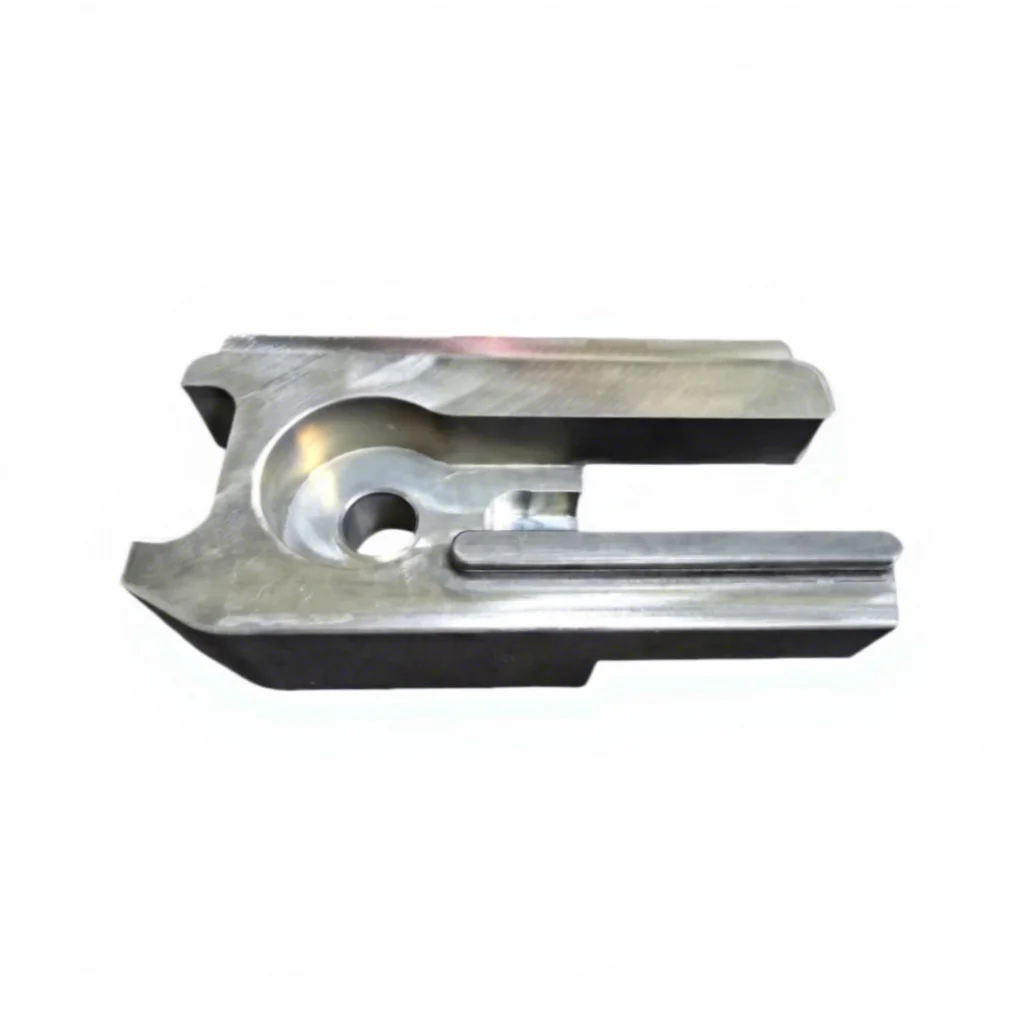
Custom 2205 duplex stainless-steel investment-casting parts include in-house CNC machining and nitriding services. Other material references are 304, 304L, 316, 316L and 2207, with CT4–CT7 as the casting-tolerance reference. Select the actual designation, component geometry and treatment scope to establish the requested supplied part.
Material specification and controlled CNC areas
Agree the actual grade and its applicable material specification for the component. Define the cast dimensions governed by CT4–CT7 and the interfaces requiring CNC machining. Identify their finished fit and measurement criteria, connecting the selected material and investment-casting geometry to the machining acceptance needed for the part's intended function.
Nitriding and four additional surface directions
Surface choices include nitriding, shot blasting, shot peening, polishing and electroplating. Select the work appropriate to the actual grade and required condition. Define the treated areas and the dimensional and surface criteria after processing, relating those requirements to the component's important CNC-machined interfaces and supplied geometry.
Spectrometer, ultrasonic, X-ray and analysis
Testing directions include spectrometer, ultrasonic, X-ray, chemical and mechanical analysis, and NDT. Agree the actual methods, areas and acceptance required for the chosen material and part. Connect that testing scope to the cast geometry, controlled dimensions and selected surface work, establishing the inspection requirements relevant to the supplied component.
Application, drawing files and custom logo
Applications include automotive, railway, marine, industrial machinery and agriculture. Drawing inputs are 2D PDF/CAD and 3D IGES/STEP, with customized logo. Define the actual component and operating requirements, including any application-specific qualification needed. Relate the geometry, chosen grade and logo/treatment areas to the dimensional and test acceptance for the requested investment casting.