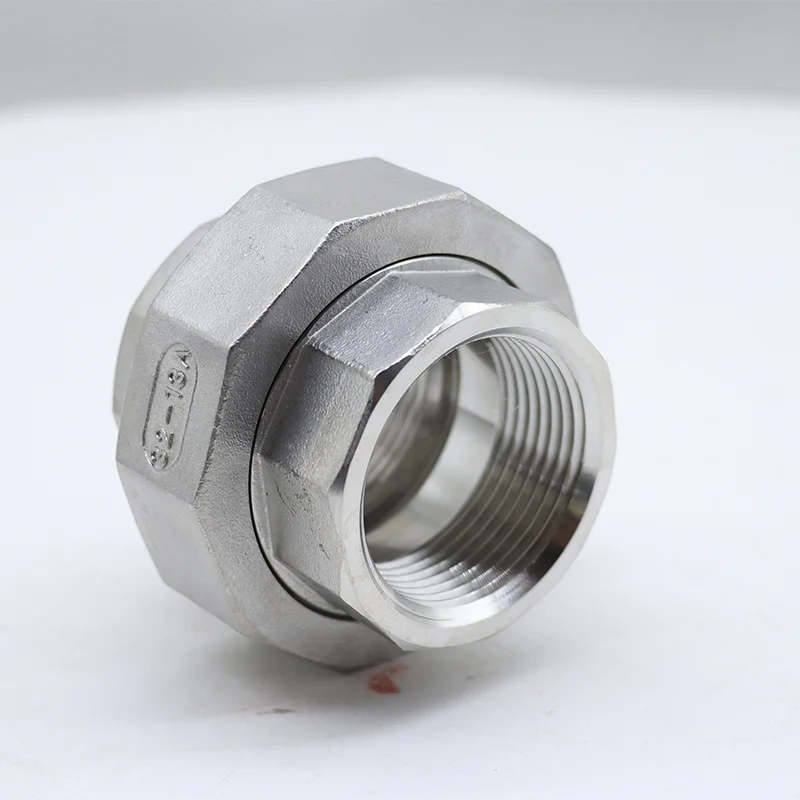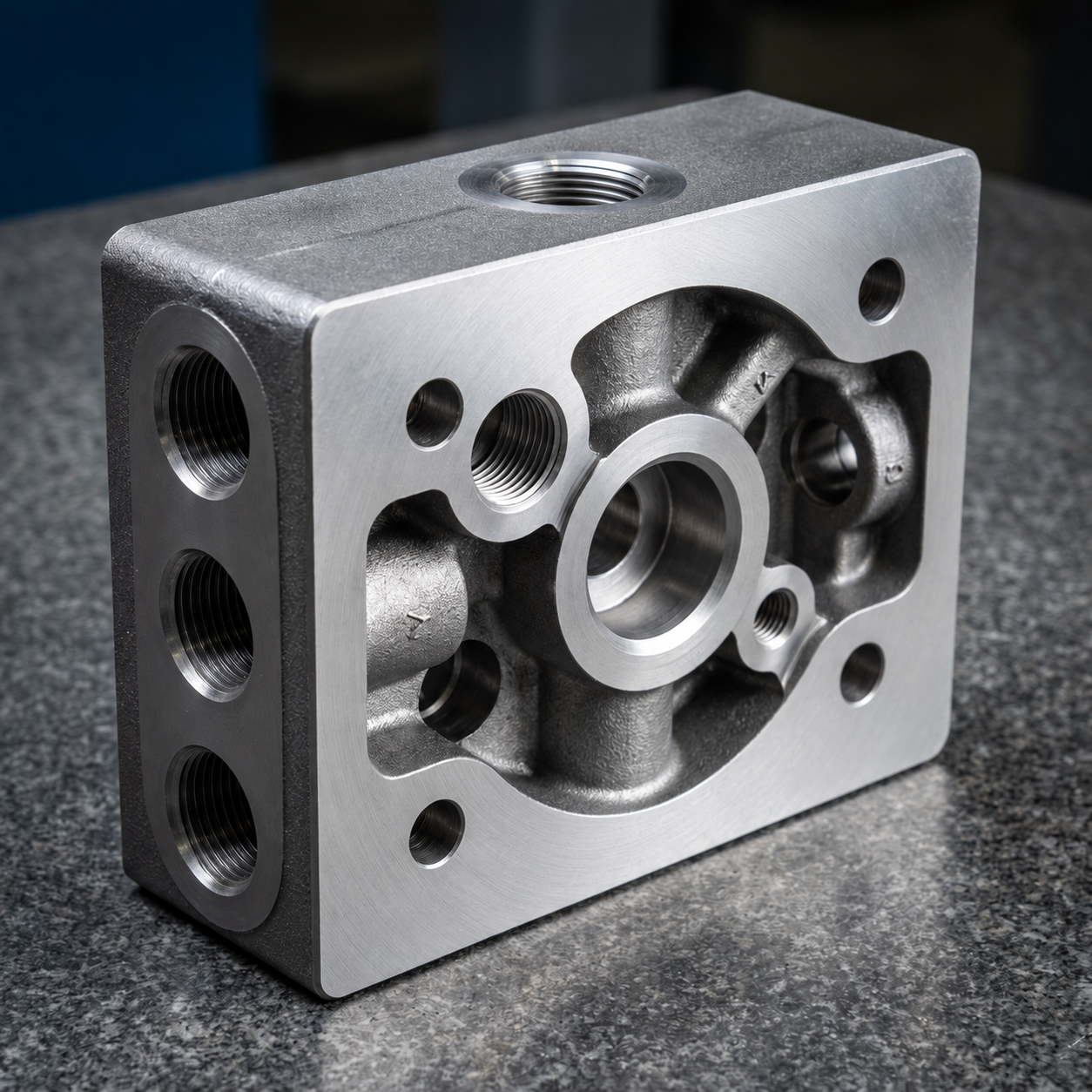
Corrosion-Resistant 304 and 316 Stainless Steel Precision Investment Castings for Marine and Food Equipment
Let’s define your requirement
Send a product link, drawing or short brief. We’ll work through the details with you.
- Confirm the specificationGrade or model, size and intended use.
- Define your orderQuantity, finish or configuration, and samples.
- Agree the quotation scopeIncluded work, key checks and delivery needs.
-
Surface FinishPowder Coated , Shot BlastedAlloy GradeA380 , ADC12
-
Size1500*1500*1100
-
Surface TreatmentAnodizing, Powder Coating, Plating, Painting, SandMaterialsAluminum alloy, zinc alloy, magnesium alloy
-
Casting Processstainless steel castingPrimary Materialstainless steel casting (304, 316 Stainless Steel Alloy)
-
Alloy GradeADC12, A380, Zamak SeriesTolerance Range±0.02mm to ±0.05mm
-
Machine Tonnage88T - 3500TApplicationCorrosion resistant marine and food equipment
-
Surface FinishPowder Coating, Anodizing, Shot BlastingSecondary ProcessCNC Machining, Drilling, Tapping
-
MOQ PolicyNo MOQ, 1 piece acceptableCertificationISO9001, IATF16949, RoHS
304 and 316 stainless steel precision investment-cast components support corrosion-resistant marine and food-equipment enquiries. CNC machining, drilling and tapping are available secondary operations. Define the selected grade, component geometry and actual service requirements before agreeing the dimensional and finished-surface acceptance for the part.
Keep the stainless component separate from alternative alloy enquiries
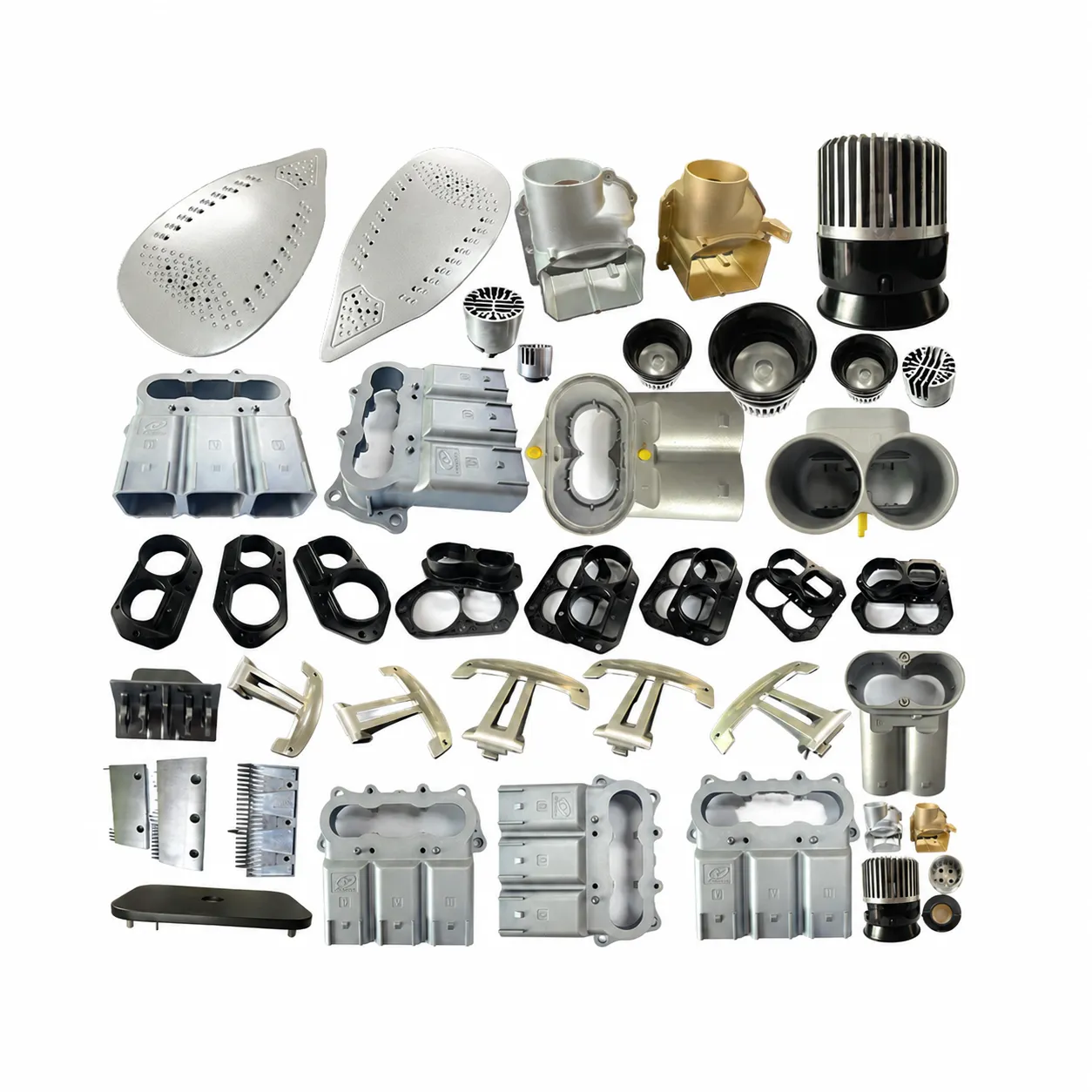
304 and 316 are the primary stainless choices. Other material enquiries include aluminum, zinc and magnesium alloys, with ADC12, A380 and Zamak-series designations requiring the actual grade and route to be specified. Keep those alternative-alloy requirements tied to their own manufacturing route and compatible finish when reviewing the component.
Assign the signed tolerance to the required dimensions
The tolerance reference spans ±0.02 mm to ±0.05 mm. Identify the component dimensions and acceptance stage governed by that range, including any CNC-machined, drilled or tapped areas. Establish the measurement units and dimensional scope for the actual drawing so the precision enquiry has a clear component-specific basis.
Match the finished surface to the selected material and use
Anodizing, powder coating, plating, painting and shot blasting are surface-treatment choices to review for the actual material. Select a compatible treatment and define the required condition for the relevant surfaces. For the marine or food-equipment project, identify the intended service exposure and component acceptance requirements alongside that material and finish selection.
Review the qualification required by the order
ISO9001, IATF16949 and RoHS qualification can be reviewed for its current object and scope. Confirm which documentation applies to the selected material, surface treatment and component use. Keep that qualification review aligned with the drawing and actual service requirements for the particular investment-cast component.