Carbon-Steel Mechanical Equipment Investment-Casting Parts | Machining and Ra0.8 Surface Requirements
Let’s define your requirement
Send a product link, drawing or short brief. We’ll work through the details with you.
- Confirm the specificationGrade or model, size and intended use.
- Define your orderQuantity, finish or configuration, and samples.
- Agree the quotation scopeIncluded work, key checks and delivery needs.
-
Product nameCustom Metal Parts
-
ProcessInvestment Casting+machiningMaterialMetal
-
surface treatmentRa 0.8Weight range0.02 to 30kg
-
Quality ControlISO9001:2015FinishAccording to customer's request
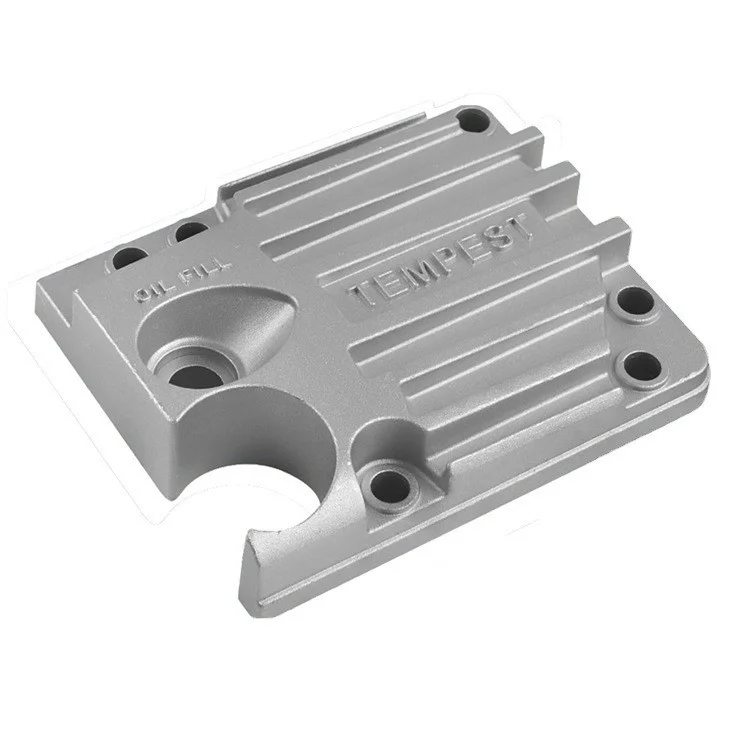
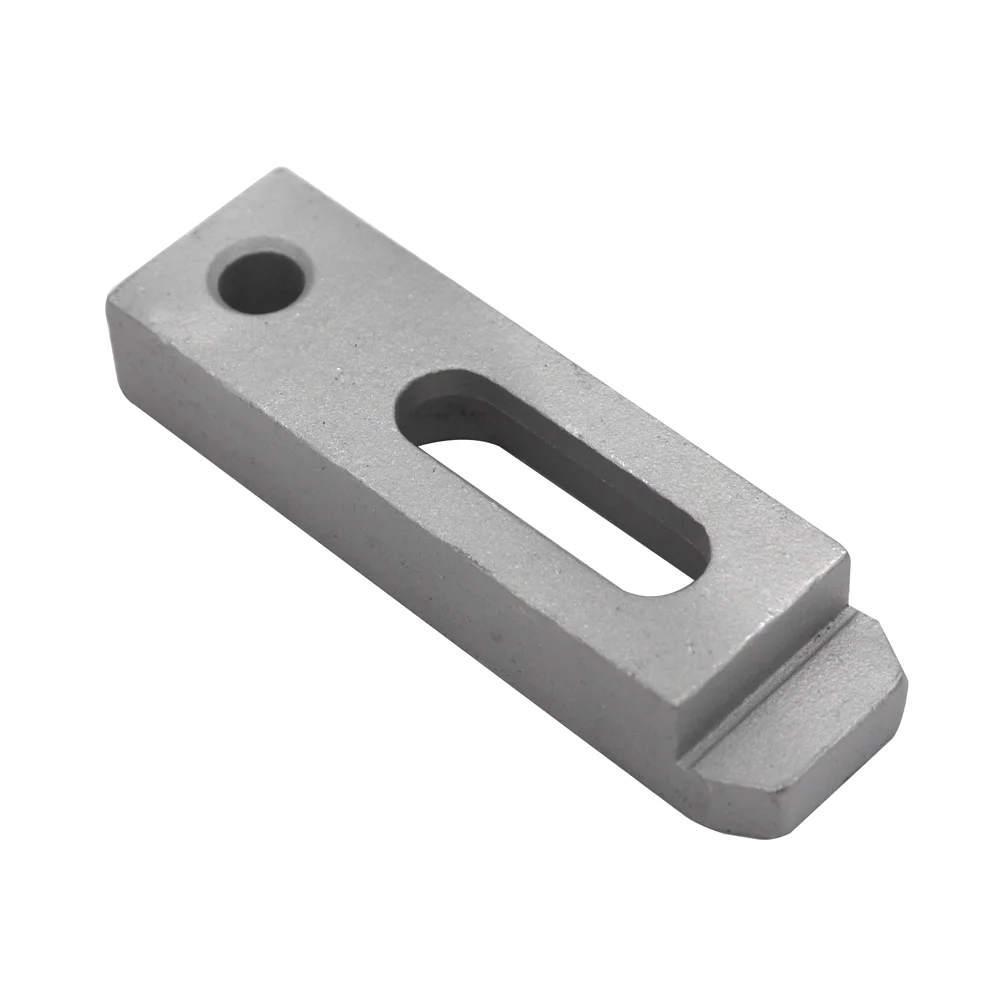
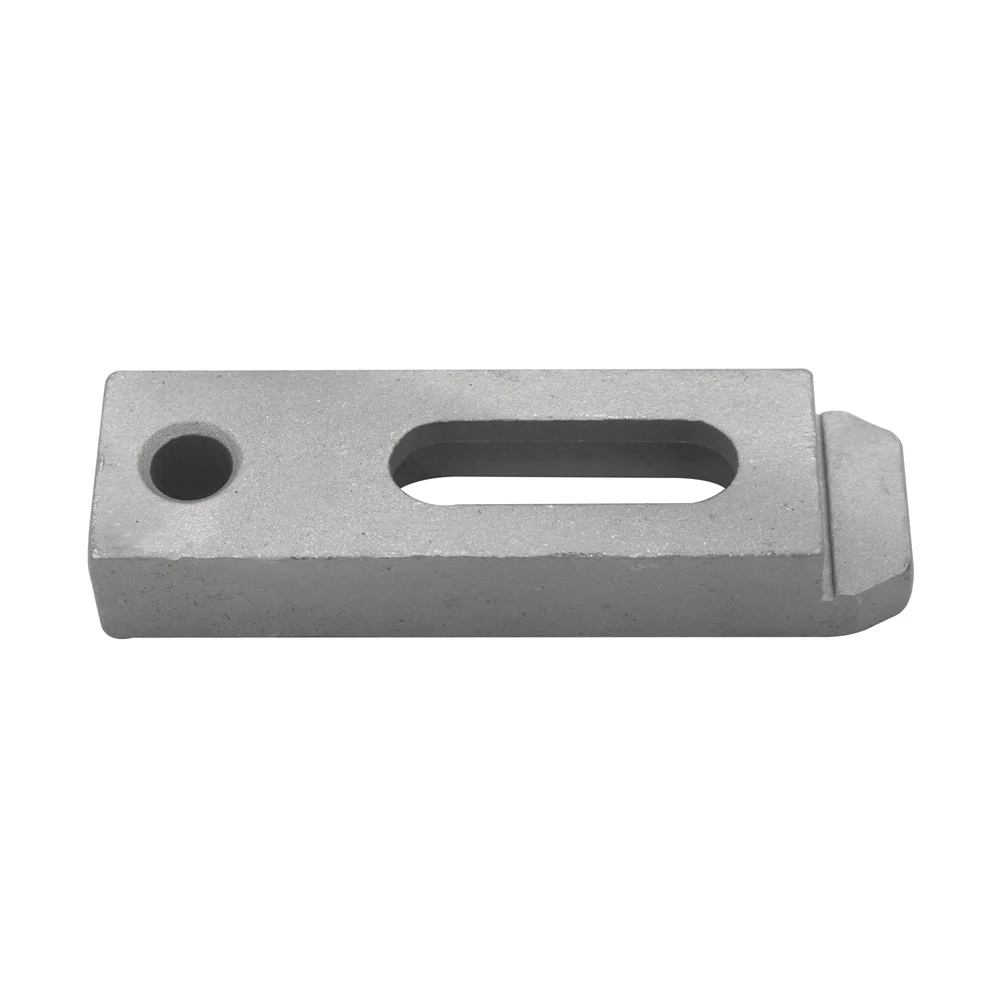
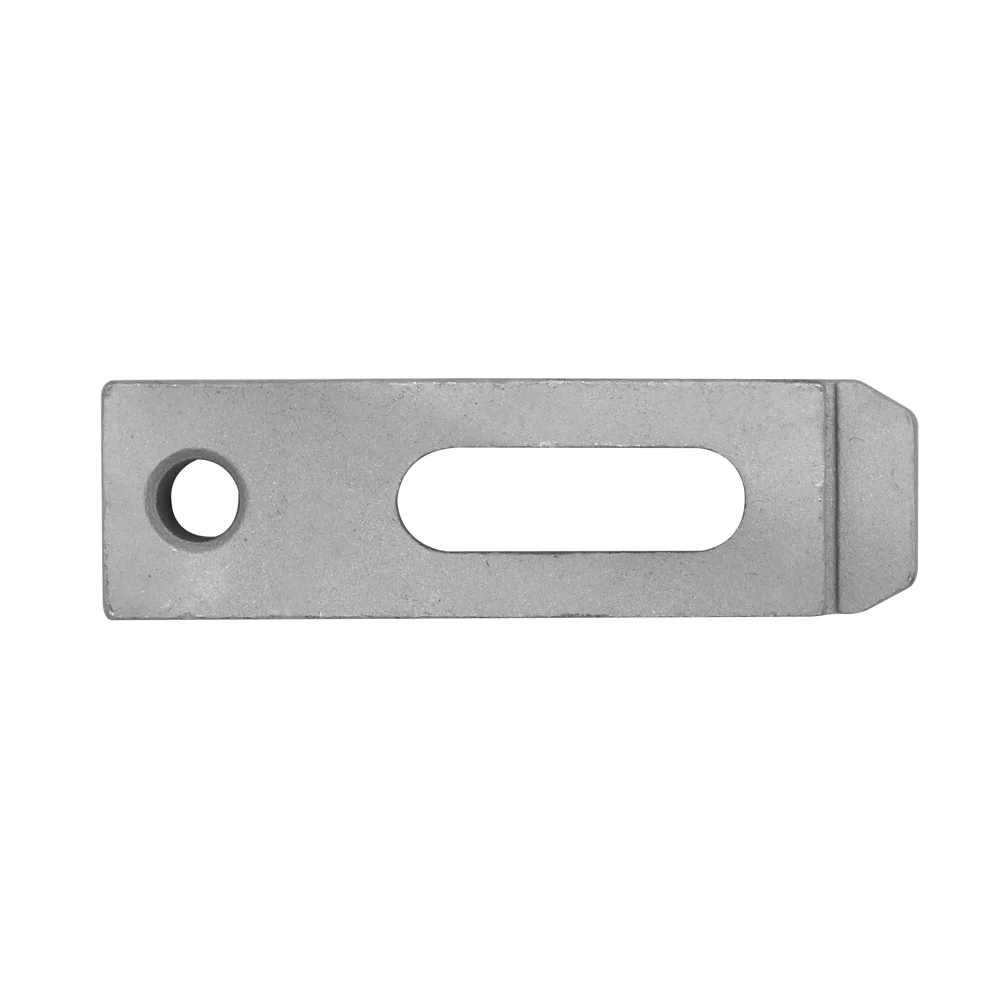
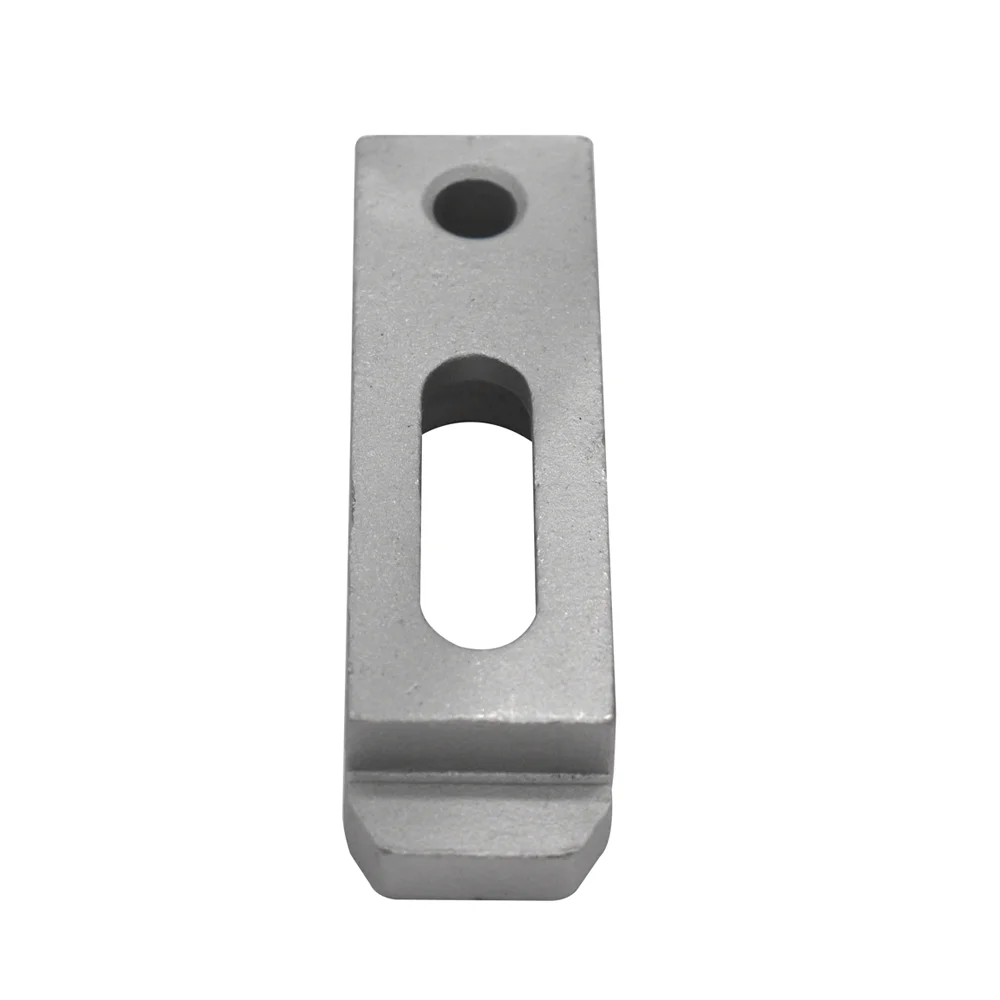
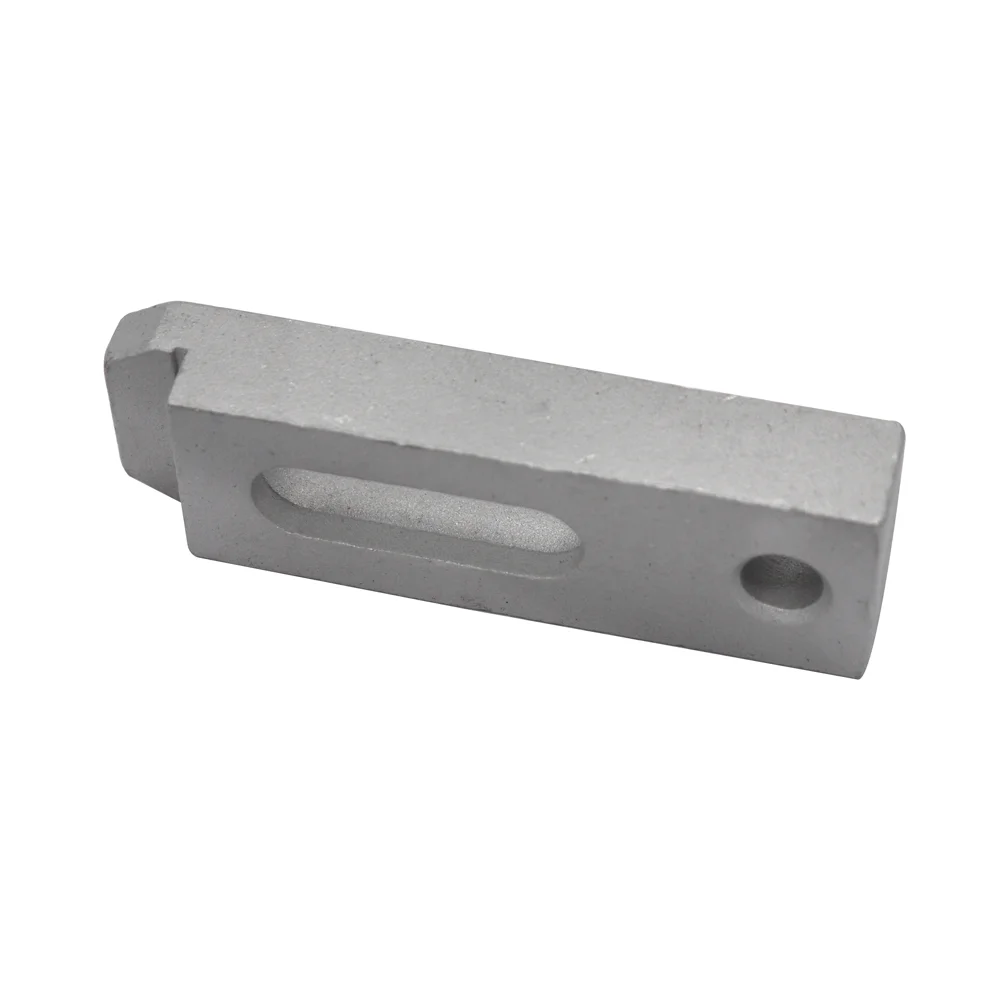
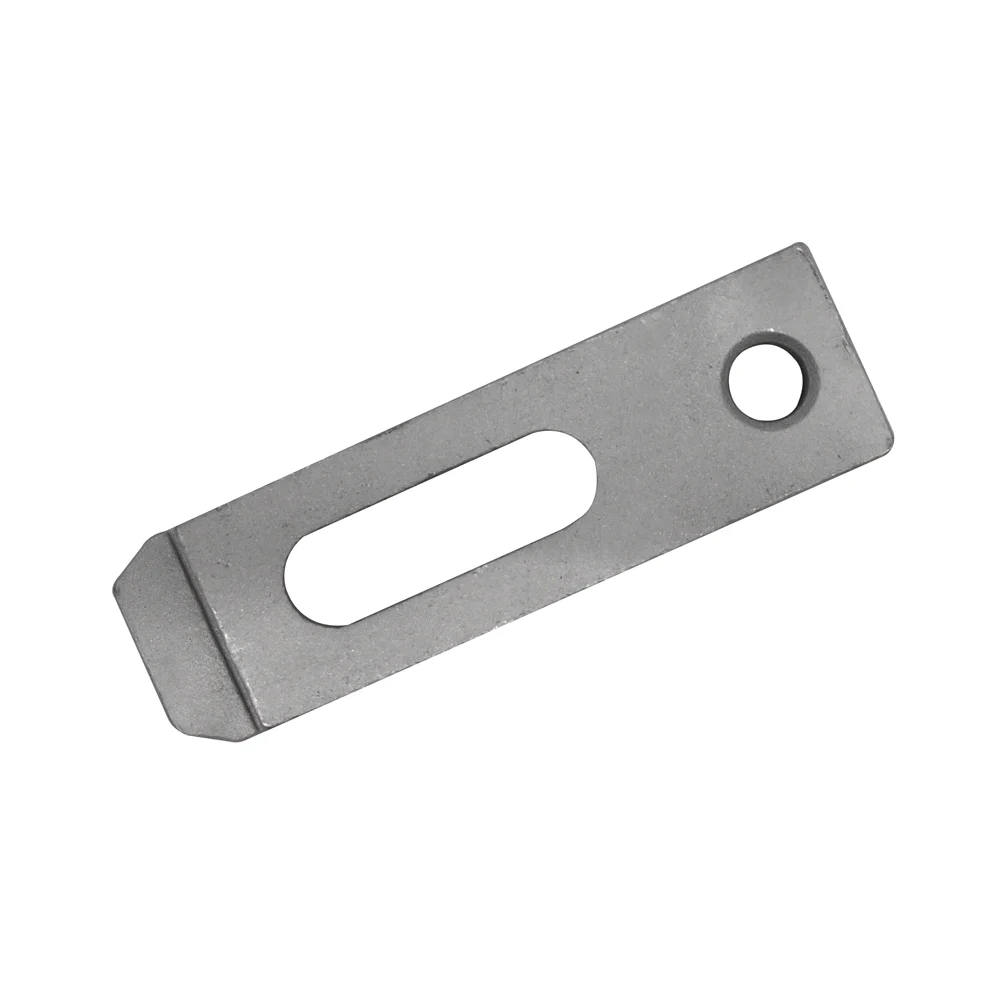
Custom steel and carbon-steel mechanical equipment parts combine investment casting with machining. The surface reference is Ra0.8, with the finished condition made to customer requirements. Material designation, equipment-part geometry and the actual machined surfaces define the component request and the acceptance needed for its intended use.
Carbon-steel geometry for the equipment component
Identify the steel grade and the actual part required within the mechanical equipment. Define the important dimensions, mating areas and supplied condition for that geometry. Connect those requirements to the investment-casting and machining task, agreeing which areas are controlled in the supplied component and how their dimensional acceptance will be established.
Ra0.8 surfaces and measurement requirements
Agree the unit, controlled areas and measurement criteria associated with the Ra0.8 requirement. Relate the chosen surfaces to the part's intended function and the work included in its manufacture. Identify the dimensions and finish condition needed after machining, so surface acceptance addresses the actual equipment component rather than an undefined overall requirement.
Machining scope and customer-selected finish
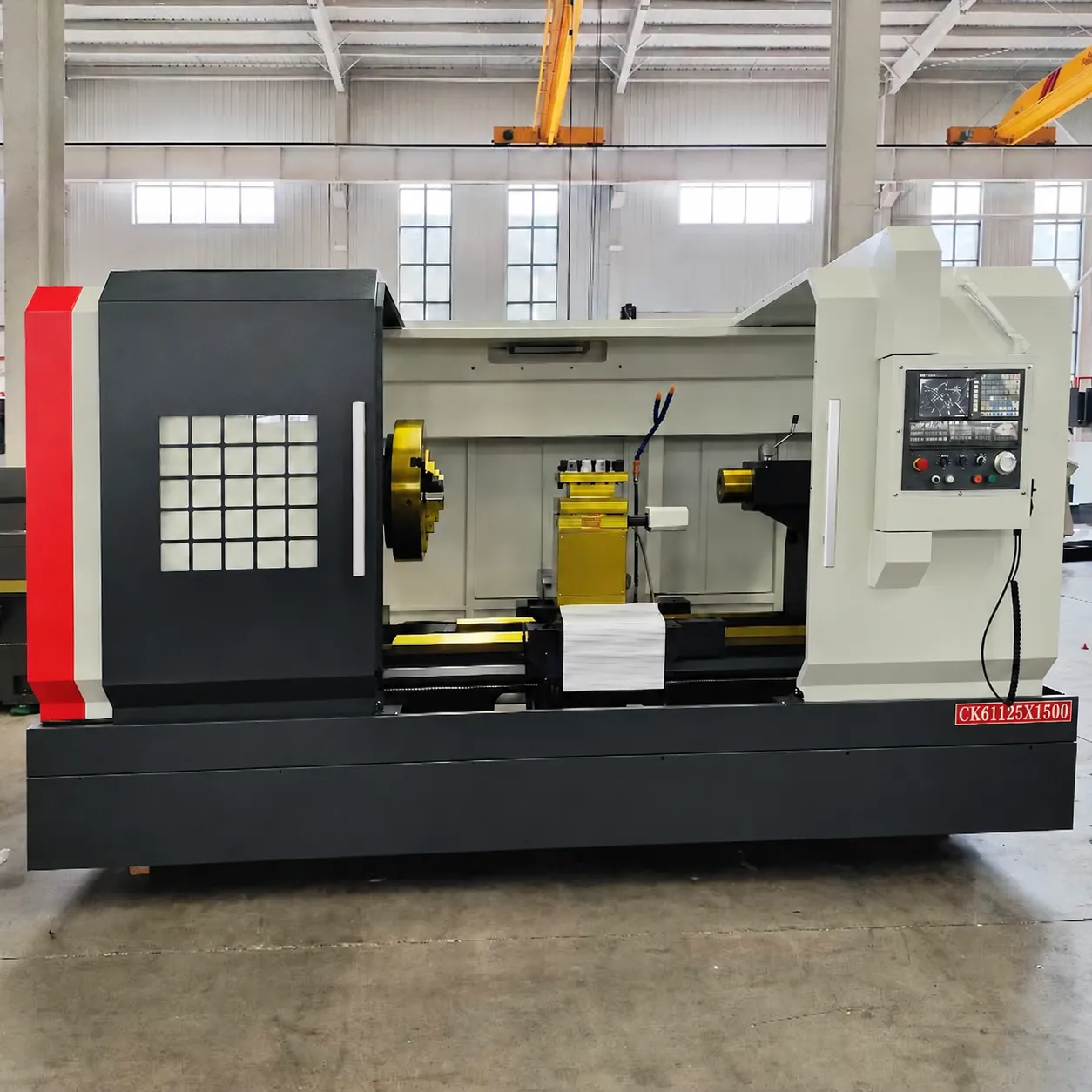
Specify the required machining operations for the selected cast part and define the surfaces included in the finished condition. Agree the customer's requested finish alongside the material and geometry. Bring together the controlled dimensions, surface requirements and inspection acceptance for those areas, establishing the supplied part that the mechanical equipment task requires. Mark which supplied surfaces carry the Ra0.8 requirement.