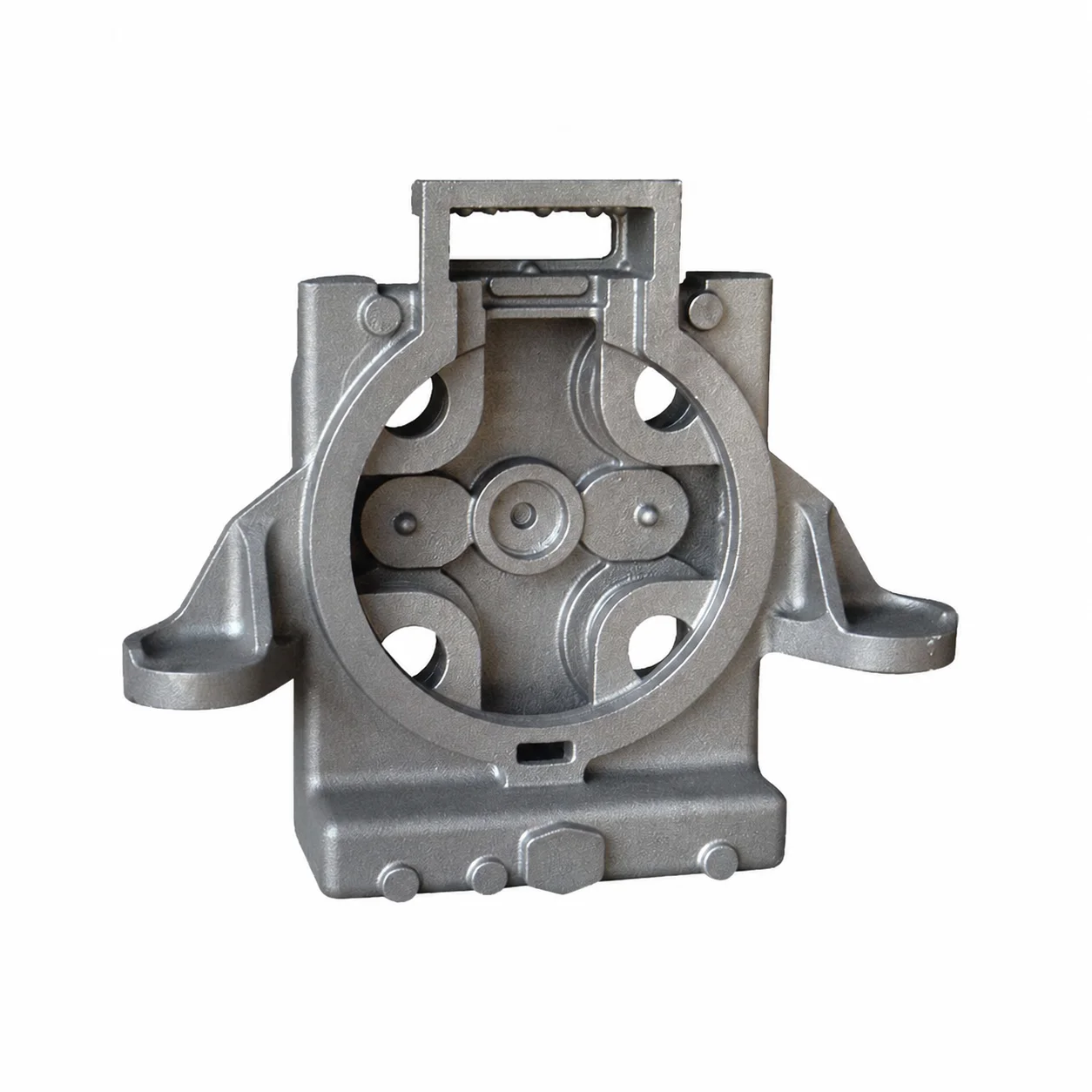
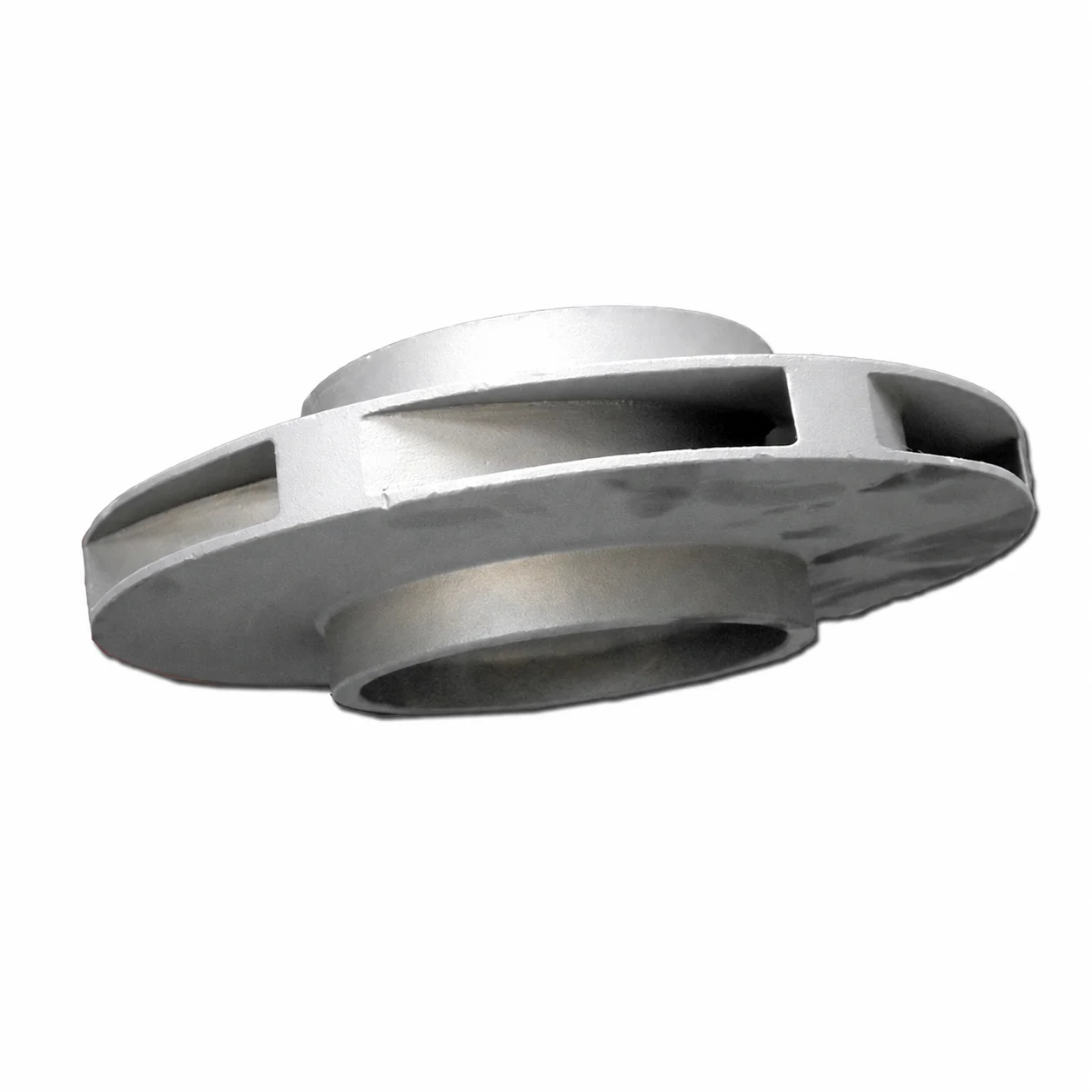
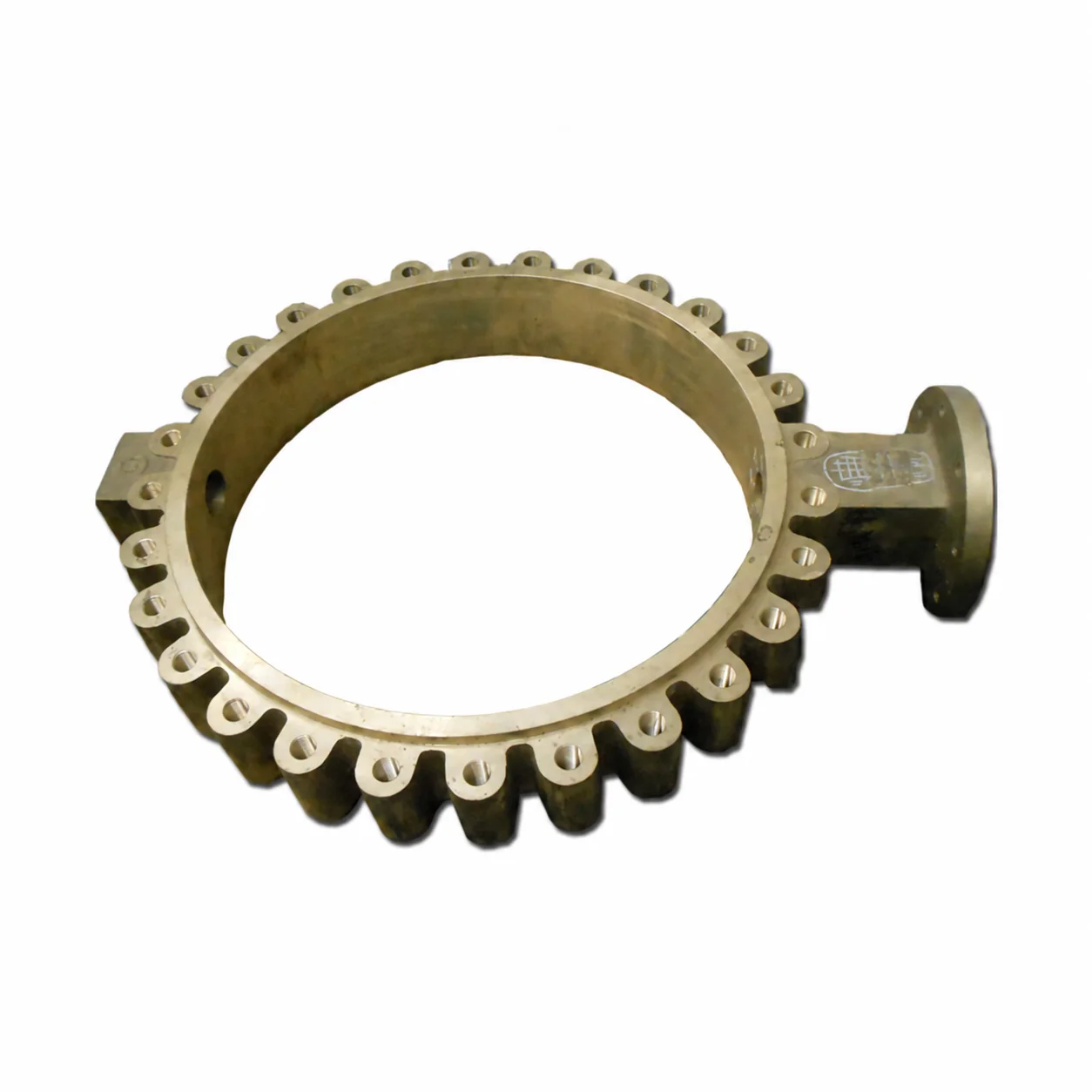
Aluminum Machinery Parts | Precision Investment-Casting/Machining or Die Casting with Deburring/Chromate
Let’s define your requirement
Send a product link, drawing or short brief. We’ll work through the details with you.
- Confirm the specificationGrade or model, size and intended use.
- Define your orderQuantity, finish or configuration, and samples.
- Agree the quotation scopeIncluded work, key checks and delivery needs.
-
MaterialAluminum
-
ApplicationMachinery PartsSurface treatmentaccording to require
-
Product nameDie casting partsDelivery time15-25 Days
-
Machining ProcessDie Casting-deburring-surface TreatmentFinishChromate
-
Quality Control100 % InspectionMOQ100
-
Casting Toleranceaccording to drawing
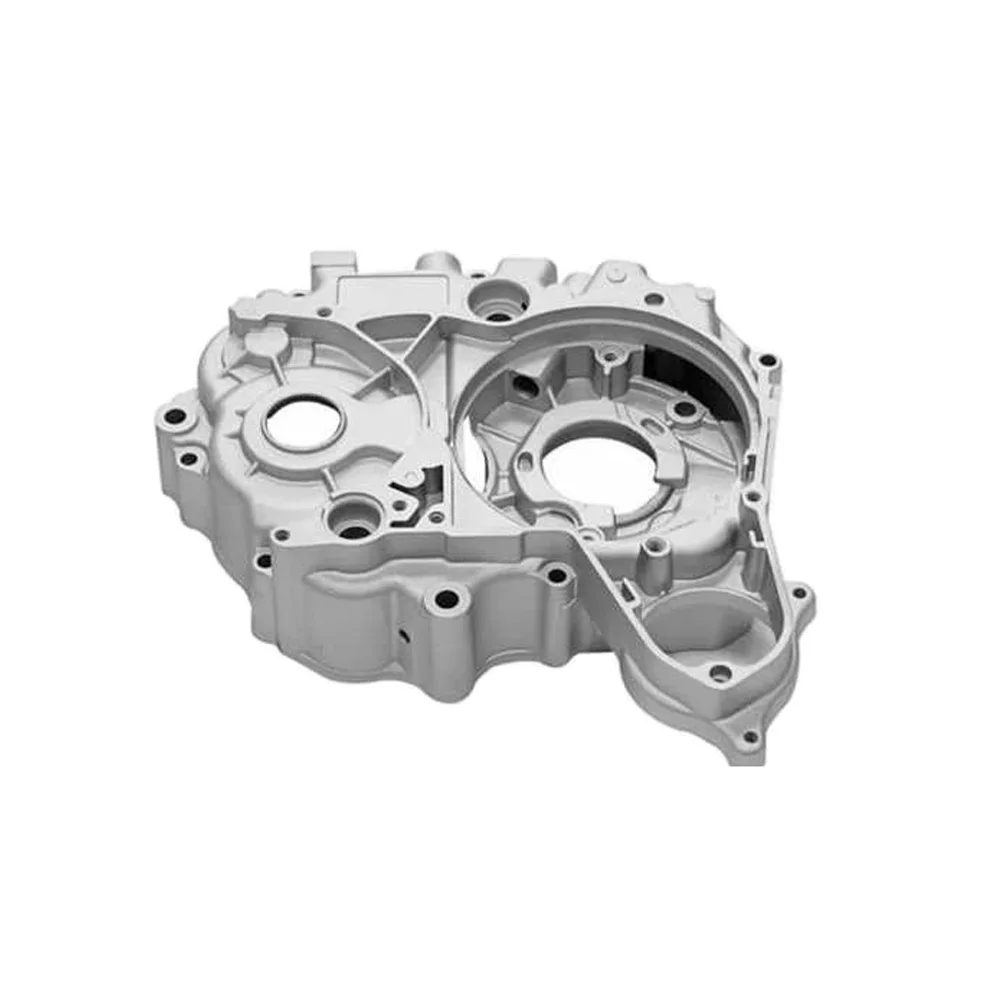
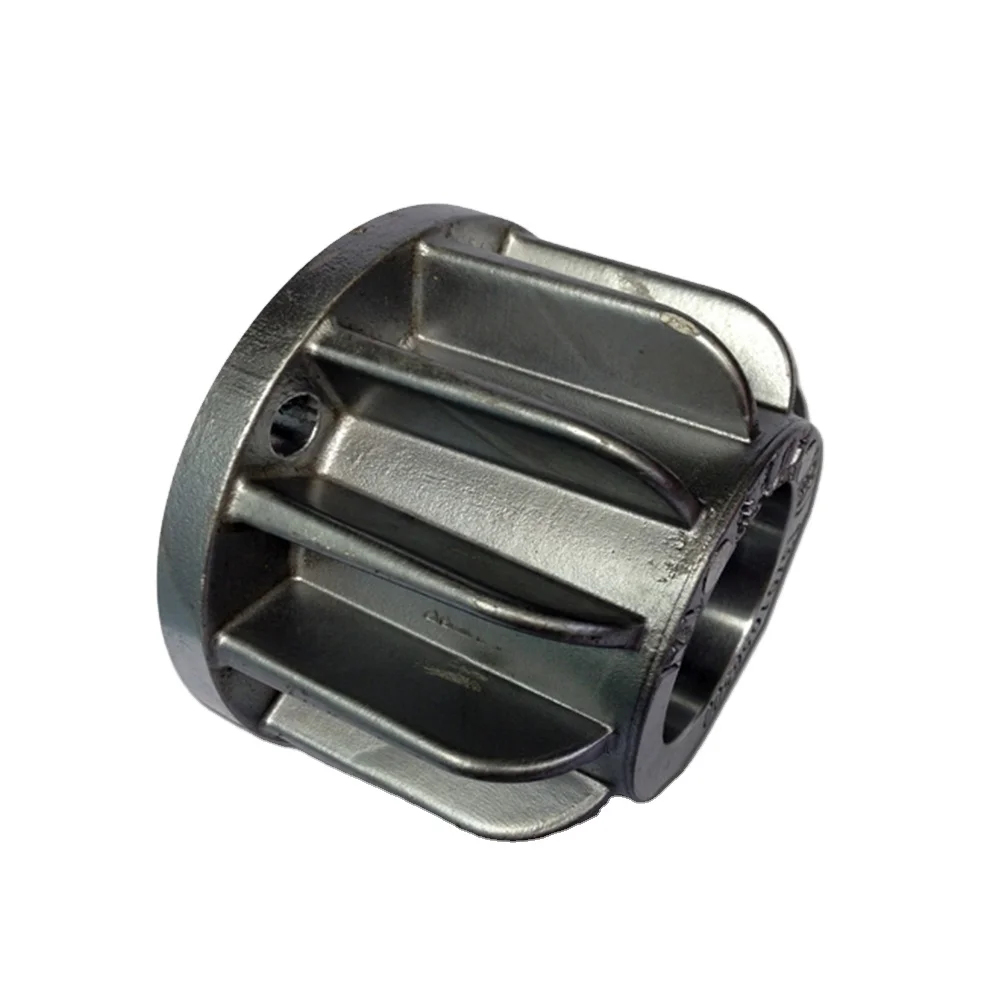
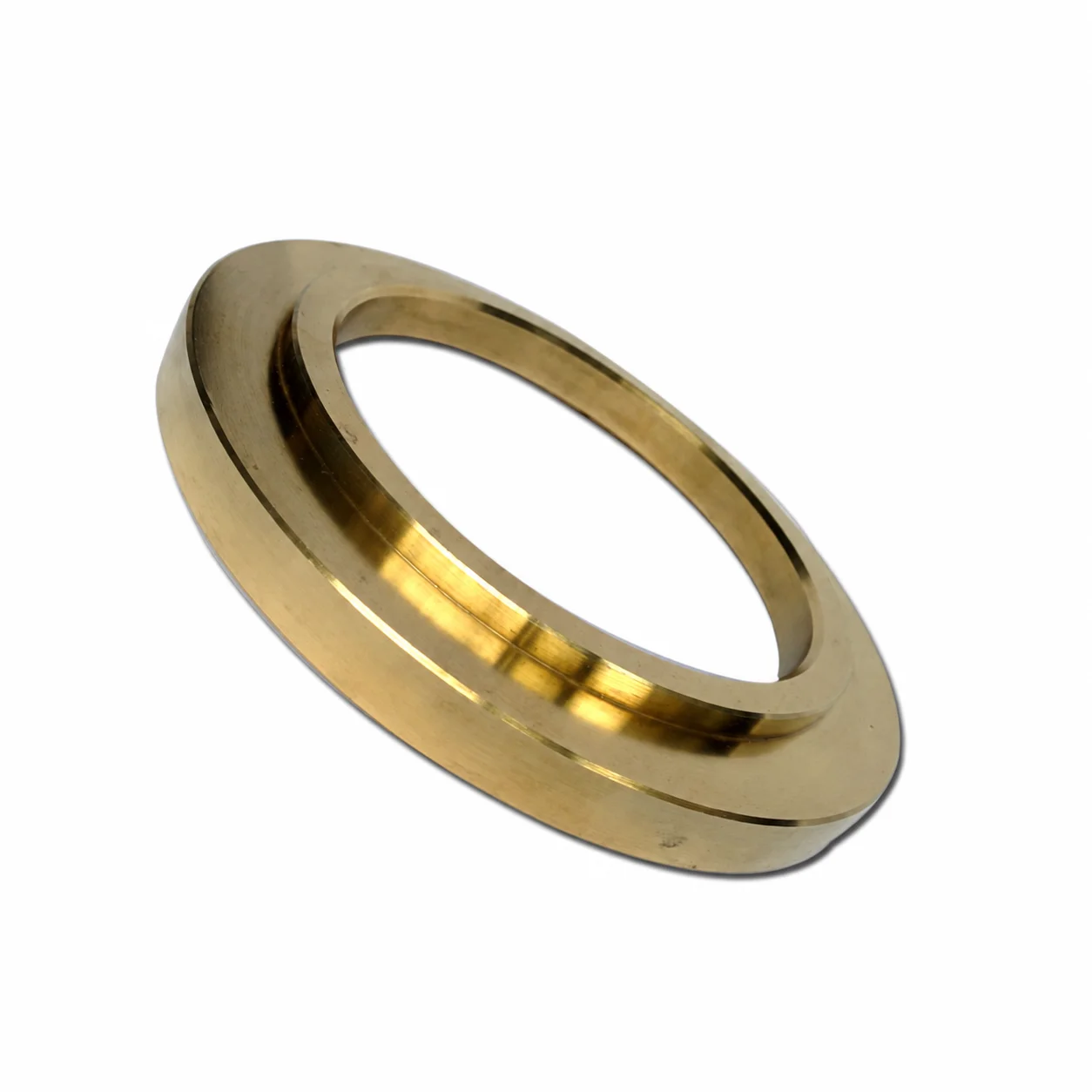
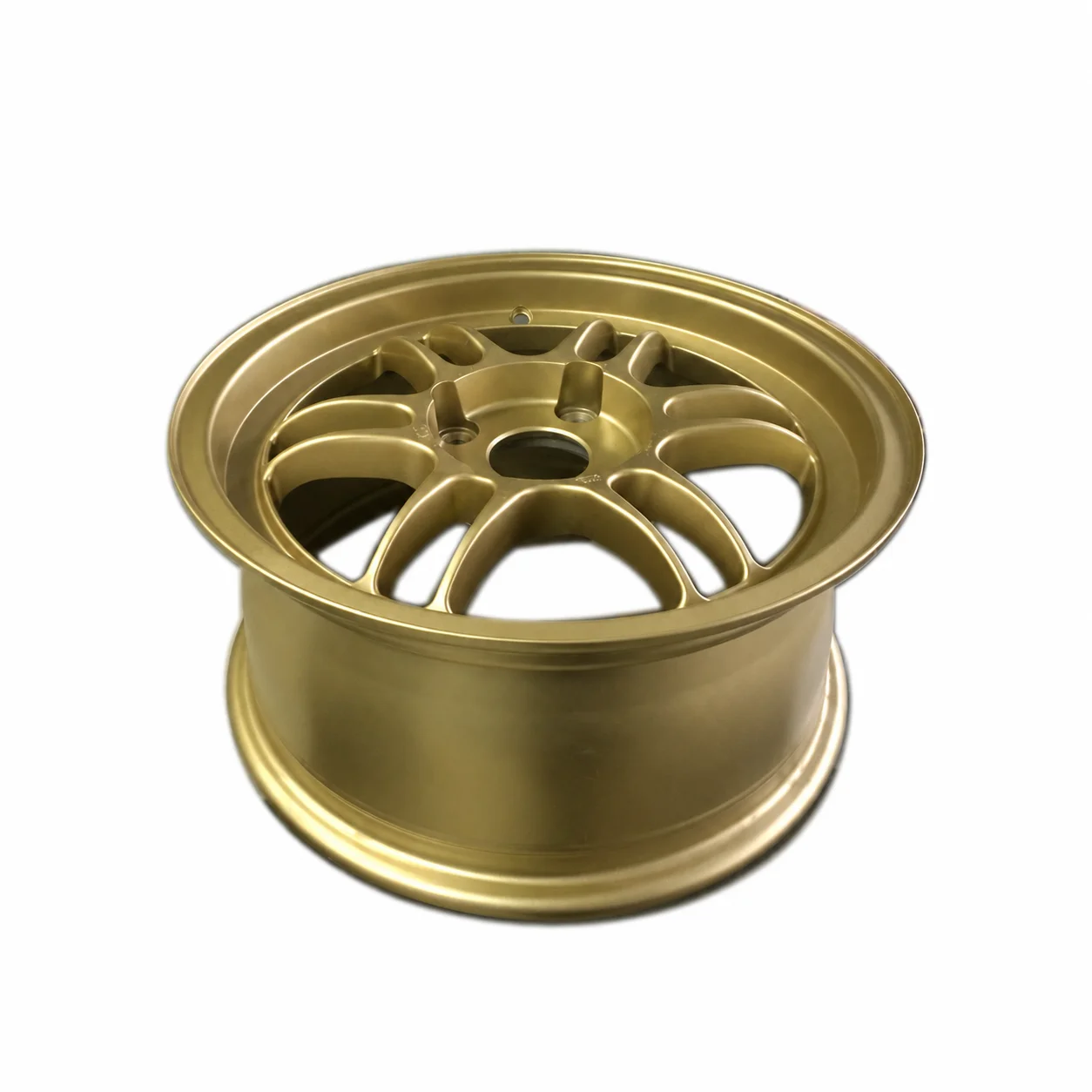
Aluminum machinery-part casting includes precision investment-casting and machining directions alongside die-cast components. The actual part requires a selected manufacturing route. For die-casting work, the sequence includes deburring and surface treatment, with chromate as a finish direction and casting tolerances defined by the drawing.
Choose the route for the aluminum component
Identify the machinery part and actual aluminum grade, then define the investment or die-casting scope for its geometry. Specify the machining work required for that component. Keep the selected route tied to the physical part so that the casting and subsequent operations address the same dimensions and supplied condition.
Define deburred and chromate-treated areas
Die casting, deburring and surface treatment form the stated die-cast process sequence. Identify the areas requiring deburring and describe the chromate-treated condition needed for the request. Surface treatment can follow the actual requirements, so agree the selected finish and its applicable areas with the component definition rather than leaving the treatment scope implicit.
Use drawing tolerances for inspection acceptance
Casting tolerances follow the drawing, and the machinery-part work includes 100% inspection. Identify the controlled dimensions and define their acceptance in the intended supplied condition, with the drawing revision explicit. Bring the dimensional requirements, deburred areas and selected surface condition together in the inspection criteria, so that the aluminum component can be reviewed against its actual machining and casting requirements.