
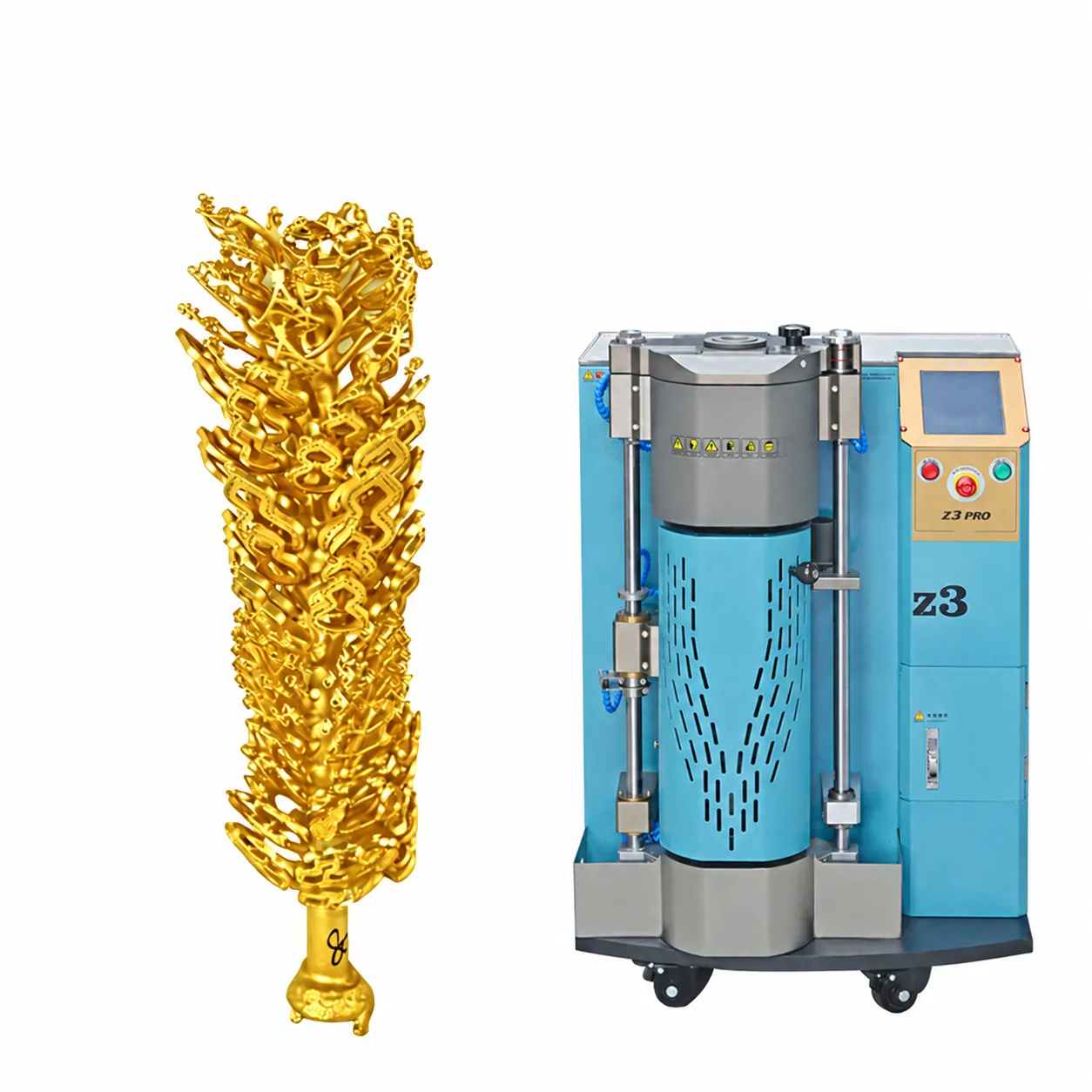
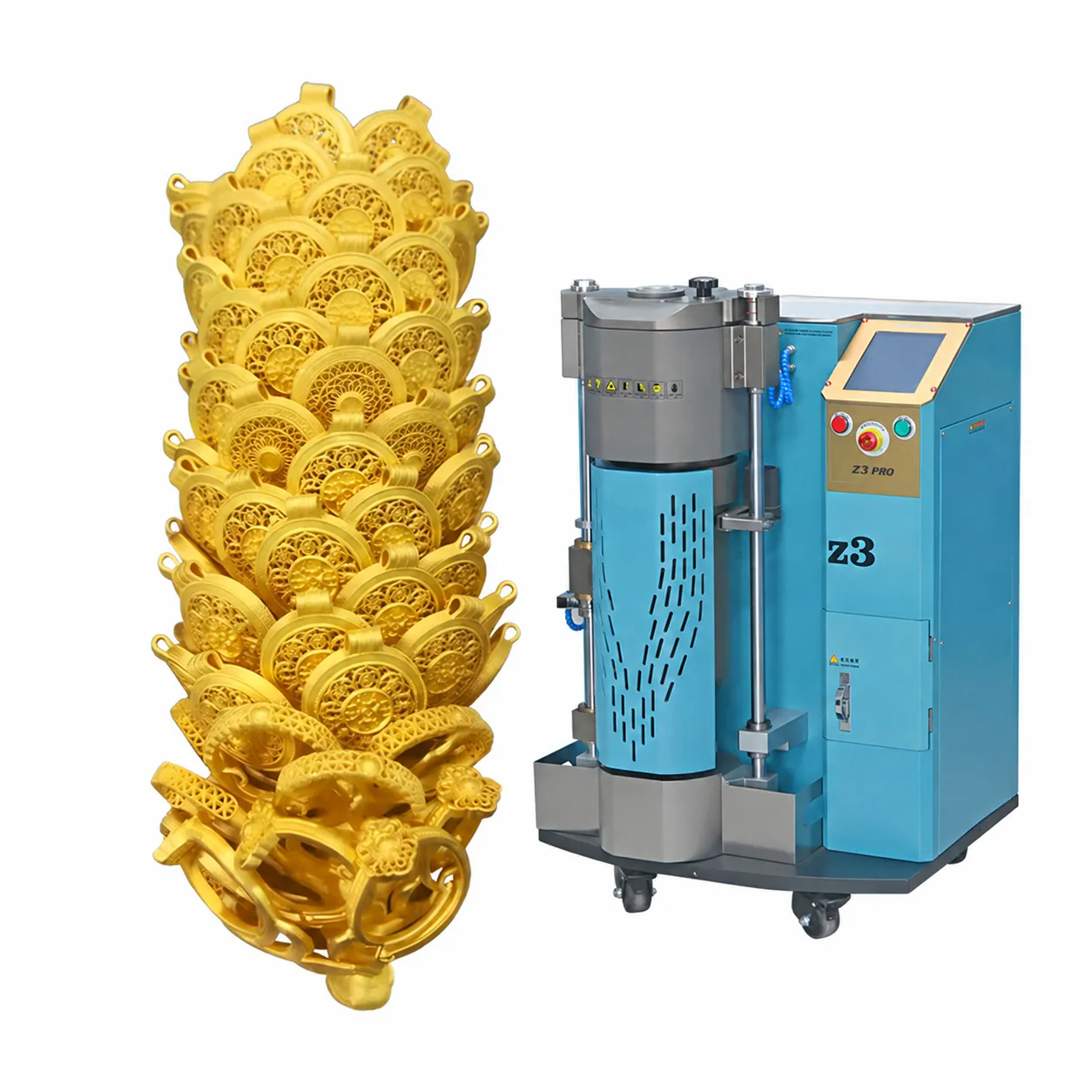
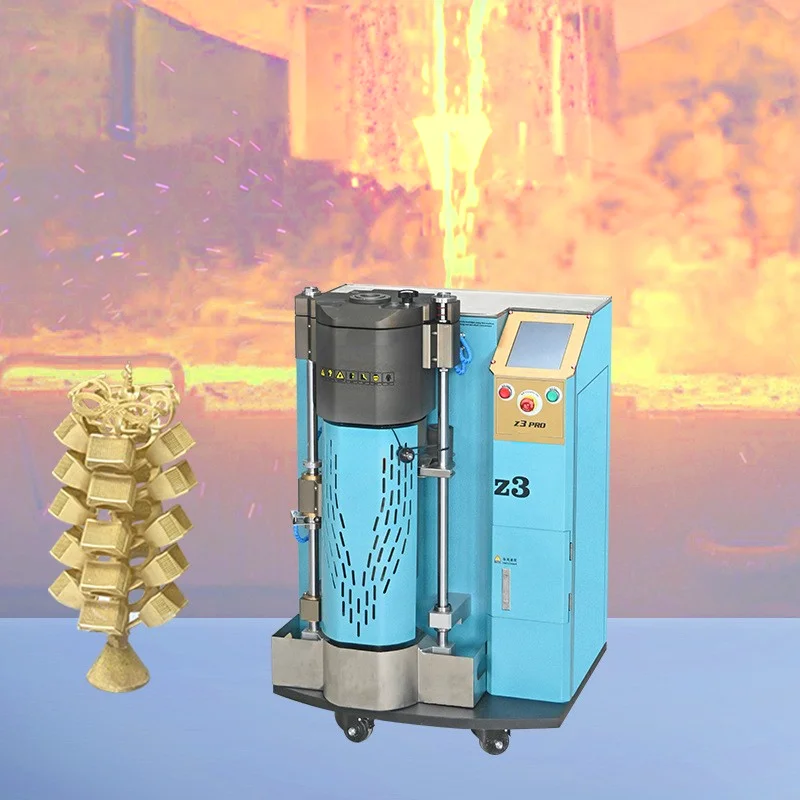
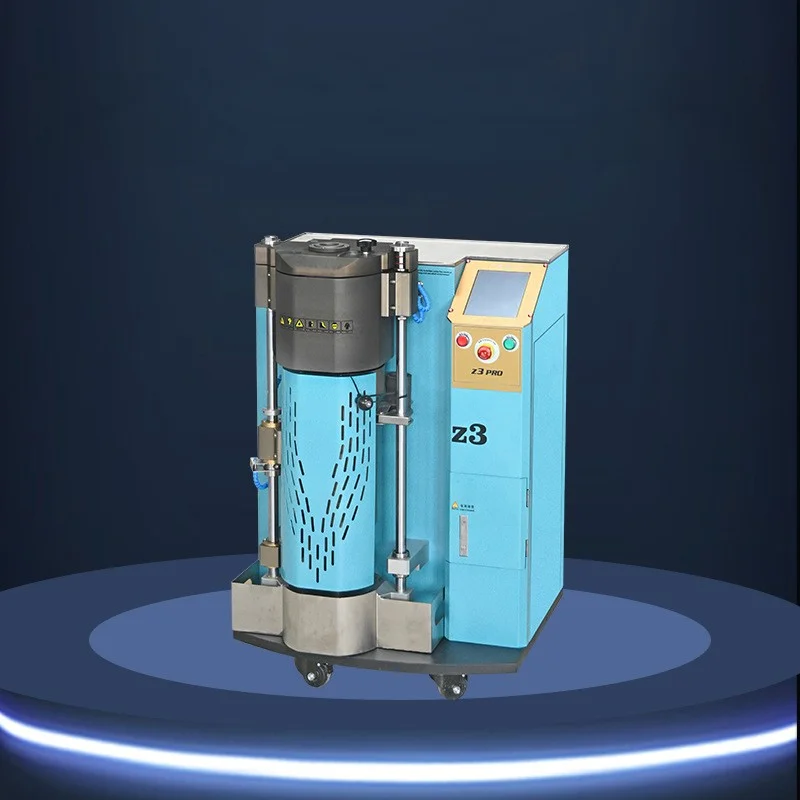
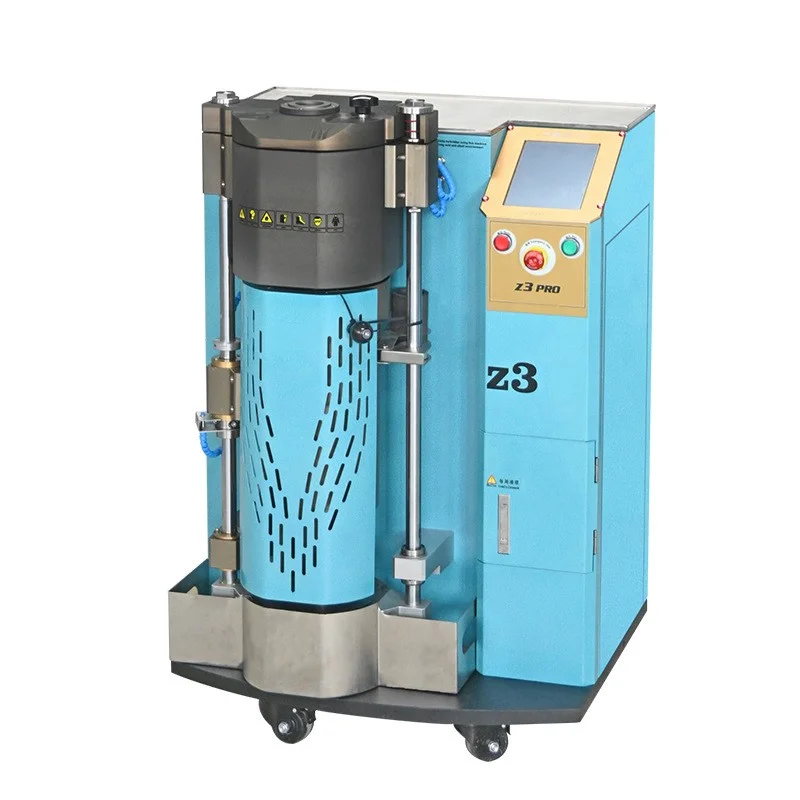
Vacuum-Pressure Jewelry Casting Machine for Gold/Silver/Copper: Lost-Wax, 3kg Melt Capacity and Up to 12000W
Let’s define your requirement
Send a product link, drawing or short brief. We’ll work through the details with you.
- Confirm the specificationGrade or model, size and intended use.
- Define your orderQuantity, finish or configuration, and samples.
- Agree the quotation scopeIncluded work, key checks and delivery needs.
-
Equipment Supply Voltage220V
-
machine typevacuum casting machinevoltage220V 50Hz
-
power(w)Up to 12000 Wwarranty1 Year
-
key selling points3 kg large melt volume, 3 min fast melting, 0.2% low lossweight (kg)80
This vacuum-pressure jewelry casting machine is offered for gold, silver and copper lost-wax work. Its technical directions include 3 kg melt capacity, a 220V 50Hz supply and power up to 12000 W, with the actual alloy, load and machine configuration to be agreed.
Match melt capacity to the selected jewelry alloy
Confirm the reference metal and load basis for the 3 kg melt capacity. Identify the actual gold, silver or copper alloy and the jewelry work the machine must address. Keeping that definition with the requested casting setup makes capacity selection relevant to the real material and job.
Plan for the electrical and machine configuration
The supply direction is 220V 50Hz and power is up to 12000 W. Confirm the configuration and installation requirements for the machine and the intended facility. Include the vacuum, pressure and process requirements needed for the actual lost-wax setup as part of the equipment-selection discussion.
Define melting-time and loss acceptance
The melting-time direction is 3 min and the loss direction is 0.2%. Agree the actual alloy and reference load, the timing basis and the loss-measurement definition used for acceptance. These conditions connect the performance discussion to the machine configuration and jewelry process being considered.
Confirm the one-year warranty and service scope
A one-year warranty is offered, with its coverage and conditions to be agreed. Identify the installation, service and machine-acceptance scope for the order. Bring the material/load definition, electrical configuration and performance criteria into that discussion so the equipment request has a clear practical basis before purchase.








