
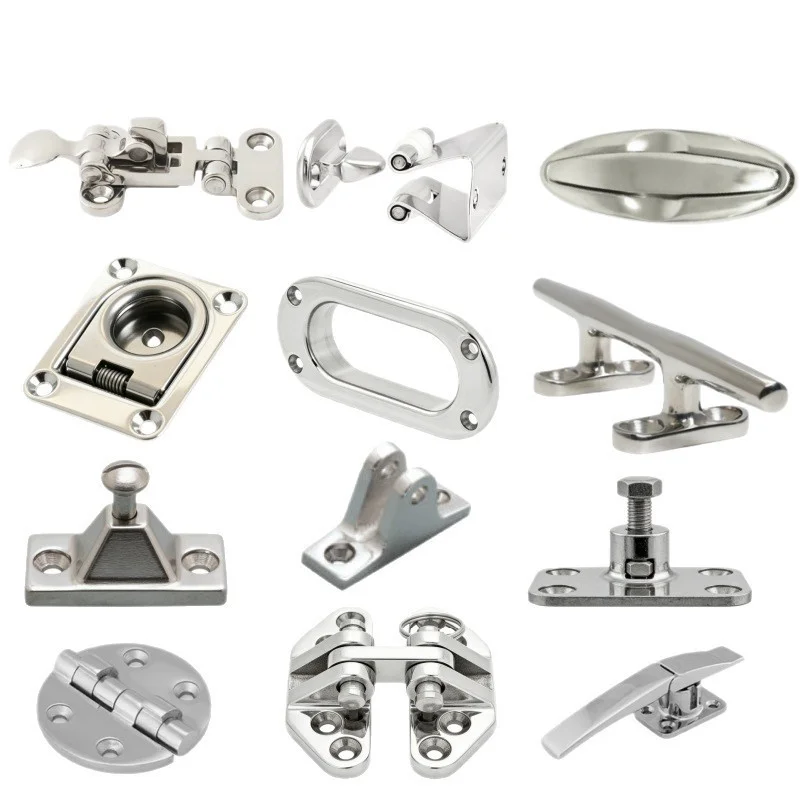
Relia Custom Vacuum Lost Wax Investment Casting Service for Stainless Steel and Aluminum Alloy Parts
Let’s define your requirement
Send a product link, drawing or short brief. We’ll work through the details with you.
- Confirm the specificationGrade or model, size and intended use.
- Define your orderQuantity, finish or configuration, and samples.
- Agree the quotation scopeIncluded work, key checks and delivery needs.
-
Surface FinishSandblasted , Polished
-
Sizecustomizable
-
Surface TreatmentcustomizableMaterialscustomizable
-
Product nameCustom Lost Wax Investment Casting PartsMaterialStainless Steel Carbon Stee Aluminum Alloy Cast Iron Brass Copper
-
BrandReliaToleranceCT4 CT5 CT6 CT7 Custom Precision Toleranc
-
MOQ1 Piece Small MOQ AvailableSurface FinishPolishing Sandblasting Powder Coating Painting Galvanizing Passivation
-
Casting TypeLost Wax Casting Silica Sol Investment Casting Water Glass CastingShell MaterialSilica Sol Water Glass Composite Shell
-
Heat Treatmentnormalizing Quenching Tempering Annealing Solution AgingInspection EquipmentCMM Spectrometer Hardness Tester Roughness Tester X-ray NDT
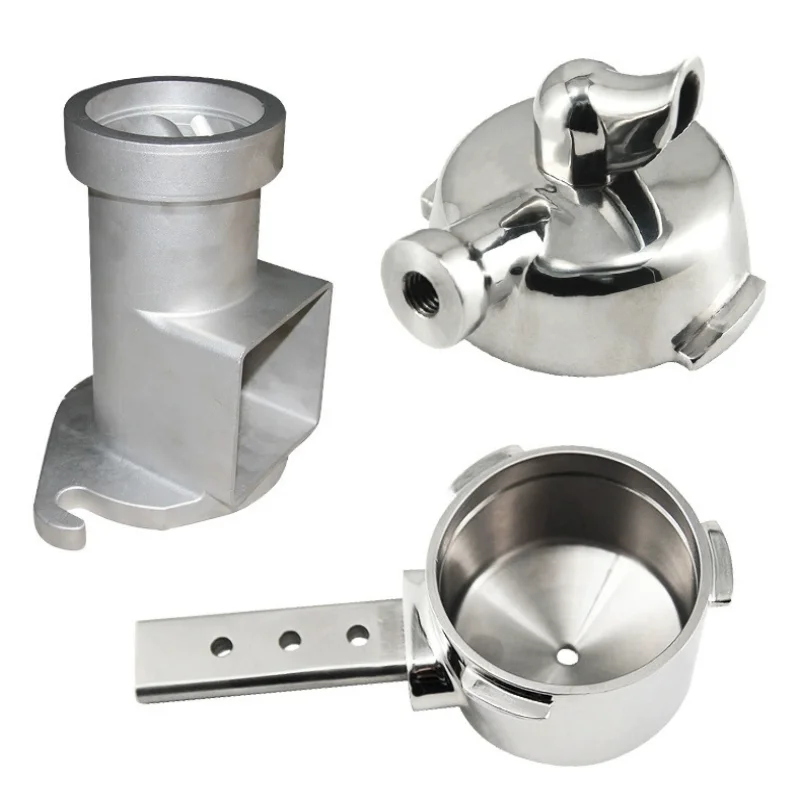
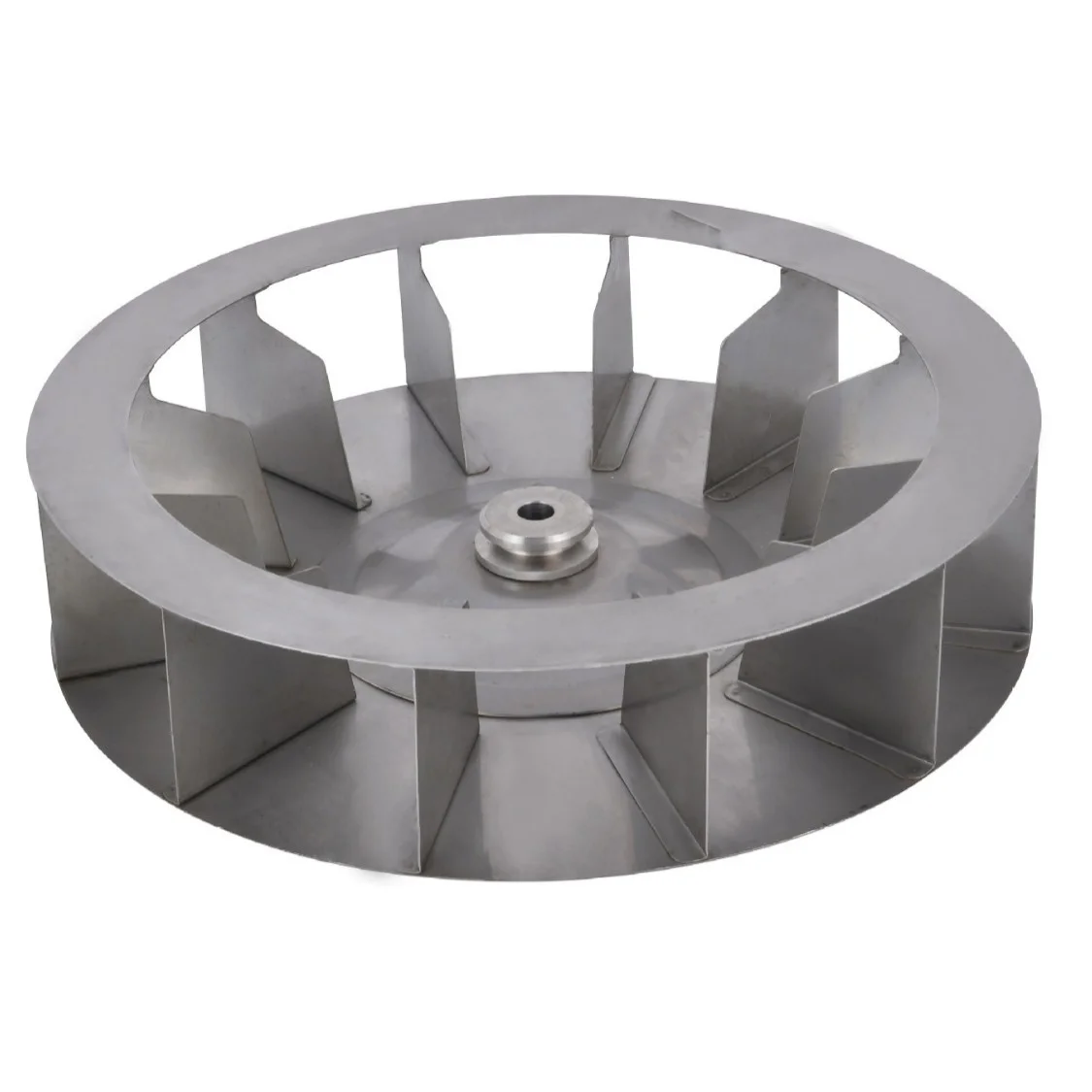
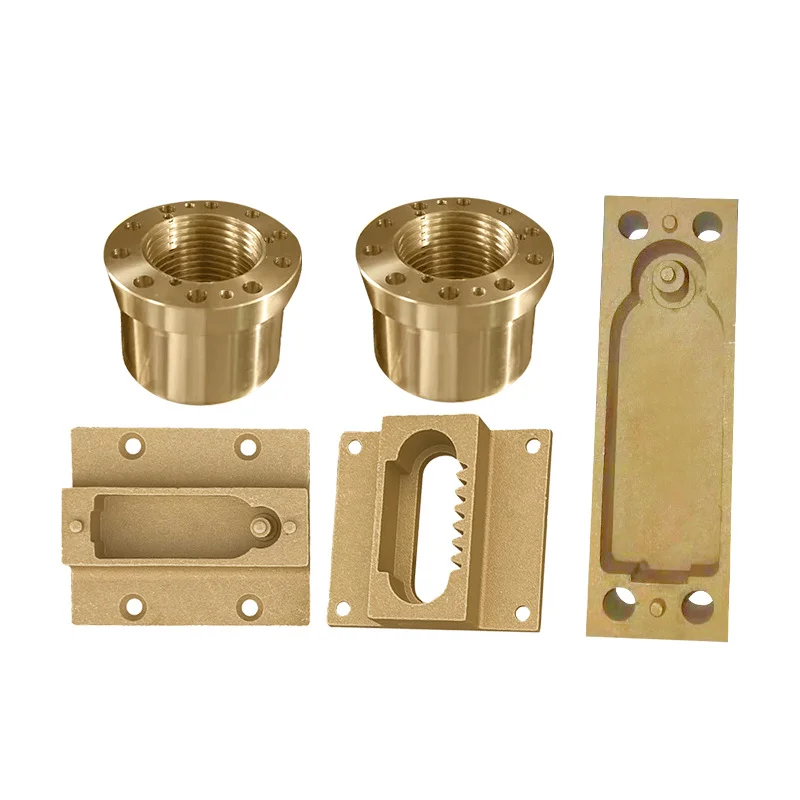
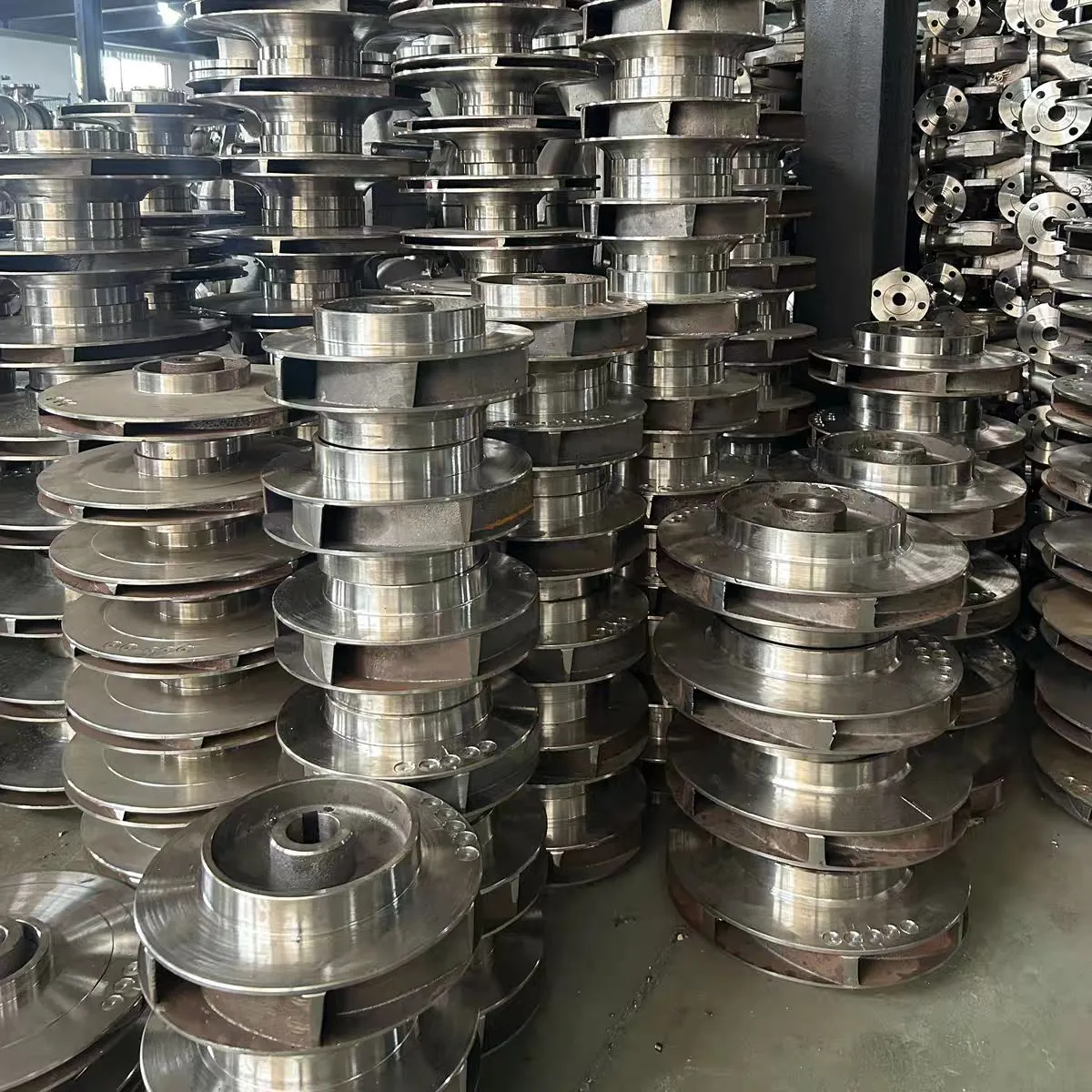
Relia custom casting enquiries cover stainless steel, carbon steel, aluminum alloy, cast iron, brass and copper, with sizes and surfaces tailored to the component. Vacuum lost wax investment casting requirements can be discussed alongside silica-sol and water-glass routes. Select the material and finished geometry before agreeing the process configuration.
Pair the shell route with the drawing tolerance
Casting choices include lost wax, silica-sol investment and water-glass casting, with silica-sol, water-glass and composite shell options. Tolerance choices include CT4, CT5, CT6 and CT7 with custom requirements for the drawing. Agree the appropriate shell/process and feature acceptance for the selected alloy, including the actual vacuum-process requirement where it forms part of the project.
Set the alloy condition through heat treatment
Heat-treatment choices cover normalizing, quenching, tempering, annealing, solution treatment and aging. Choose the treatment sequence for the specified alloy and required material condition. Define the condition and acceptance needed for the component duty so that the selected treatment relates to the actual metal and geometry, rather than every material receiving the same sequence.
Specify the finished surface and affected faces
Surface options include polishing, sandblasting, powder coating, painting, galvanizing and passivation. Identify the compatible treatment for the chosen material and the faces where it applies. Agree the appearance and dimensional acceptance after treatment, keeping those requirements connected to the approved component drawing and its tolerance plan.
Inspect the casting against component criteria
Inspection equipment includes CMM, spectrometer, hardness tester, roughness tester, X-ray and NDT. Select the methods for the dimensions, material condition and surfaces requiring acceptance on the custom casting. Define the checked features, acceptance criteria and records alongside the chosen shell, heat treatment and finish so that the complete configuration can be reviewed on a consistent basis.








