OEM Zinc/Aluminum/Alloy-Steel Casting Directions | High-Pressure Die/Investment, Magnesium/Brass & Custom Color
Let’s define your requirement
Send a product link, drawing or short brief. We’ll work through the details with you.
- Confirm the specificationGrade or model, size and intended use.
- Define your orderQuantity, finish or configuration, and samples.
- Agree the quotation scopeIncluded work, key checks and delivery needs.
-
MaterialAluminumin/zinc /magnesium/brass
-
ServiceDie casting/One-stop customized serviceCertificationIATF 16949
-
SizeCustomer's Drawing RequiredQuality Control100% Inspection
-
Product nameCustom Casting PartsProcessCasting +Machining(if Need)+surface Treatment
-
PackingCustomers Specific RequirementColorCustormer's Requirements
-
ApplicationWide range of fields
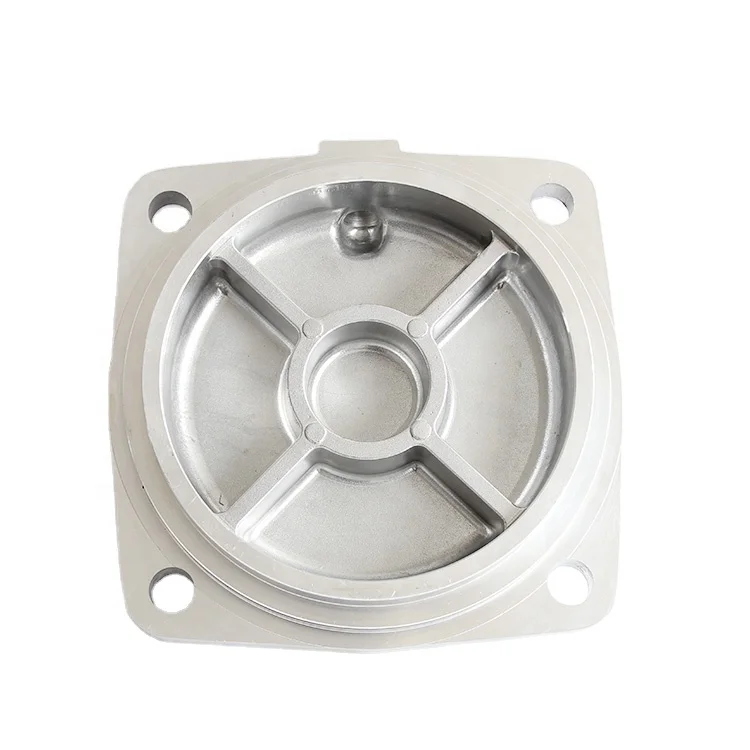
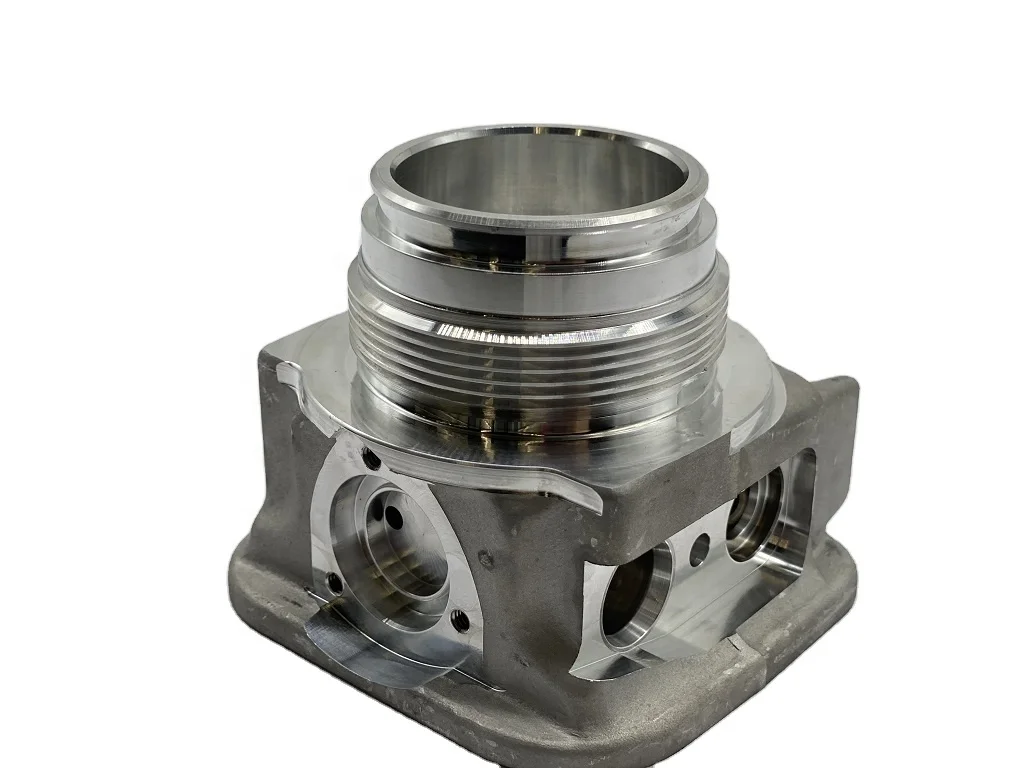
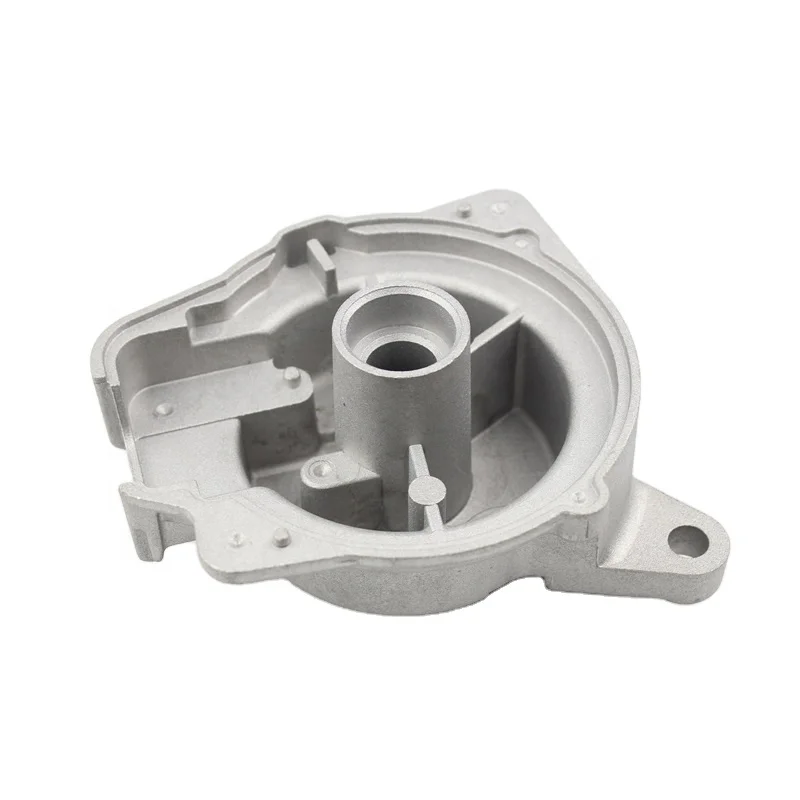
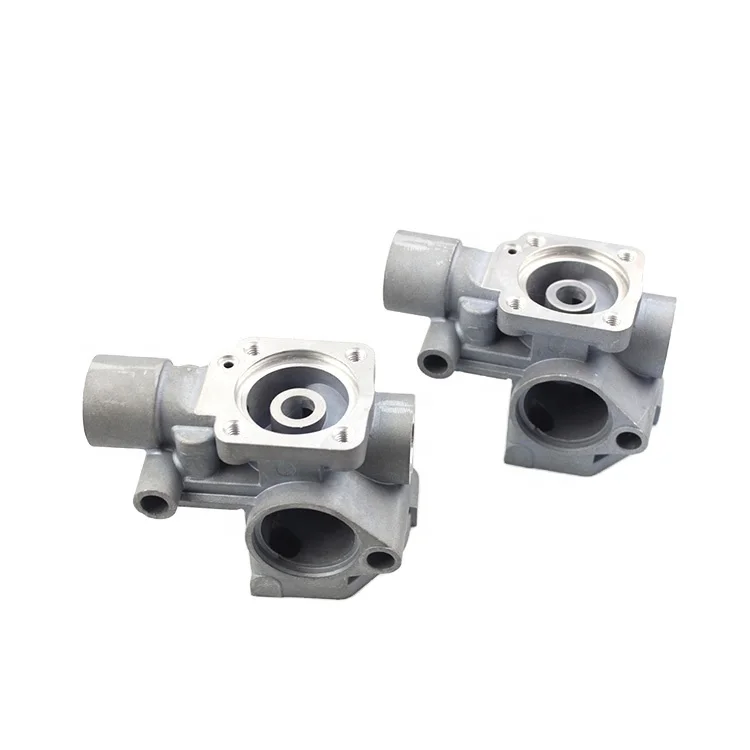
OEM custom casting directions include high-pressure die casting and investment casting with zinc, aluminum and alloy-steel material directions. Magnesium and brass are further material choices. Integrated customization covers drawing-required size, optional machining, surface treatment and customer-required color, with 100% inspection for the requested parts.
Select the grade and compatible casting method
Identify the actual zinc, aluminum, alloy-steel, magnesium or brass grade and describe the component geometry. Agree a compatible high-pressure die- or investment-casting route for that selected material. Keep the route specific to the part rather than treating the metal and process directions as an automatic combination for every request.
Define drawing dimensions and optional machining
Size follows the customer's drawing requirements. Identify the controlled dimensions and the areas needing machining after casting, then agree their finished tolerances. The optional processing scope should describe the actual component interfaces and dimensions rather than assume the same machining work for every custom casting.
Coordinate surface and color acceptance with full inspection
Specify the required surface treatment and color for the chosen alloy, including the areas affected and the desired finished result. Define the dimensional and surface characteristics covered by 100% inspection of the custom parts. Agree the methods and criteria used to assess those characteristics, together with any records needed for acceptance. Connect the inspection plan with the selected material, casting route, drawing requirements and finished color or treatment.