
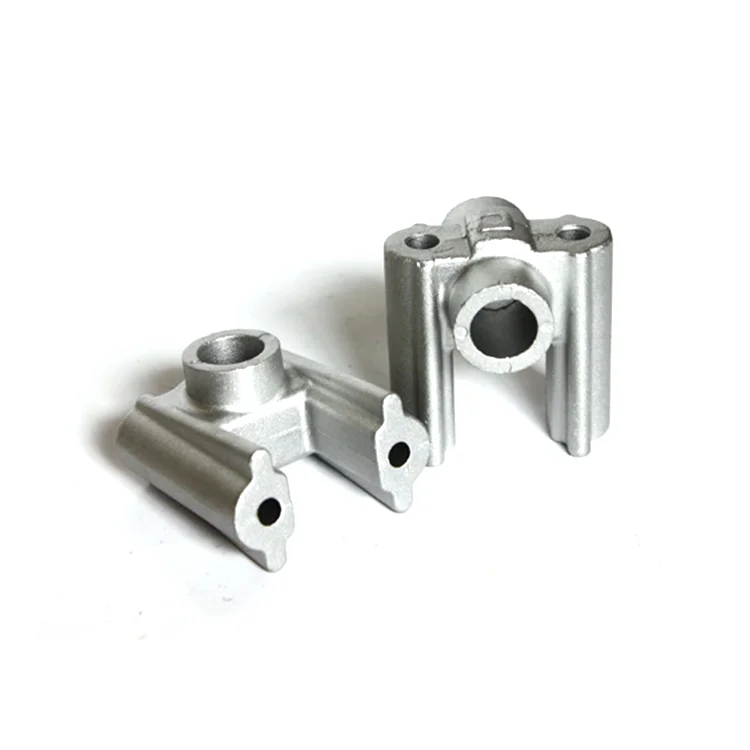
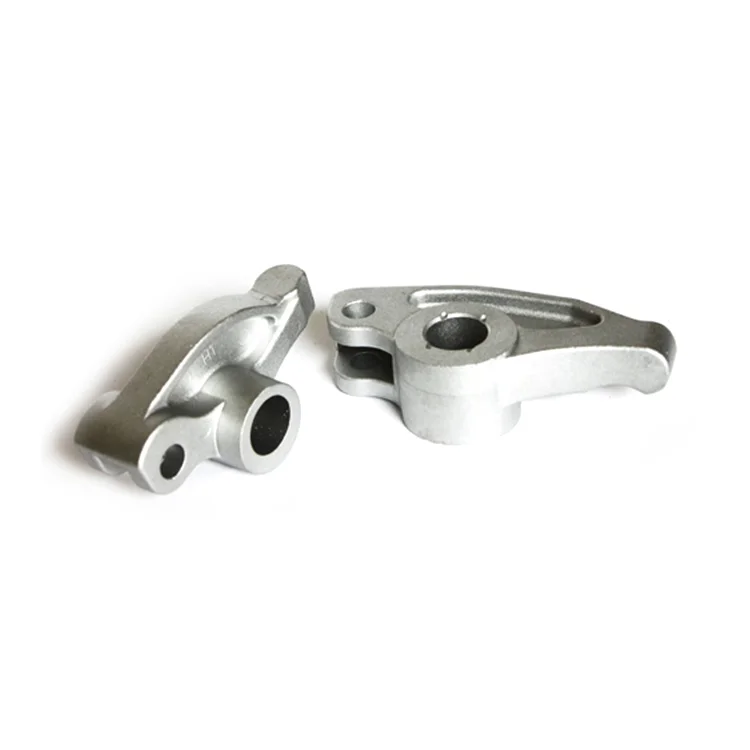
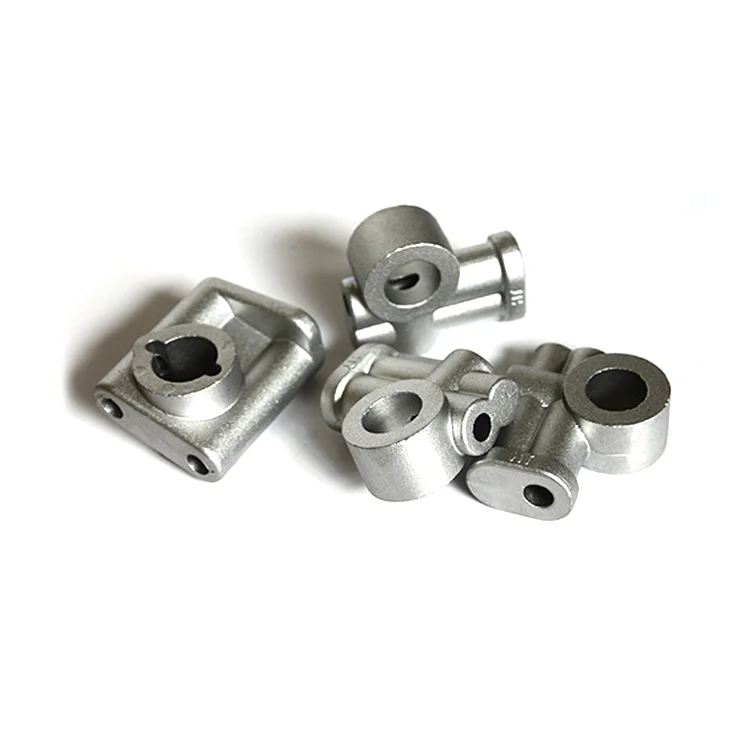
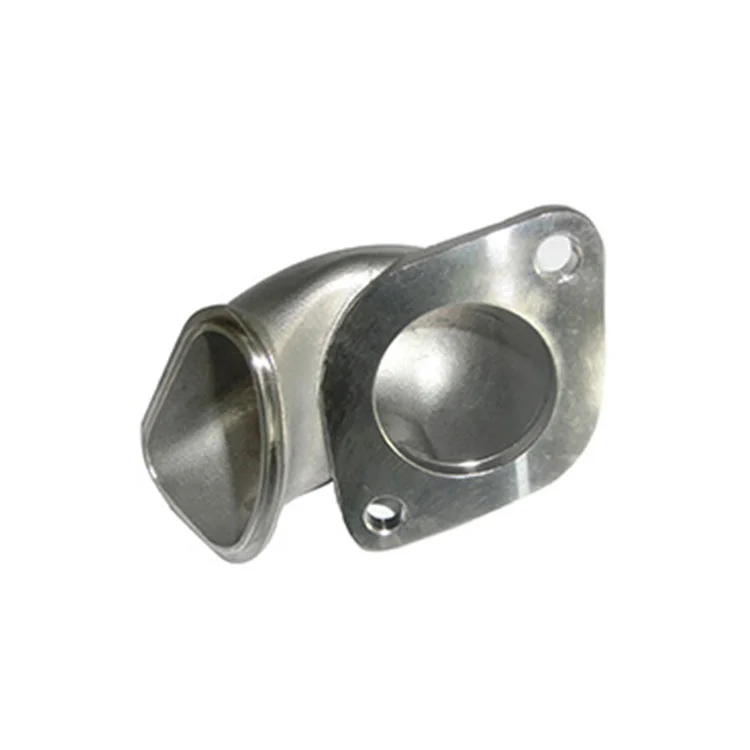
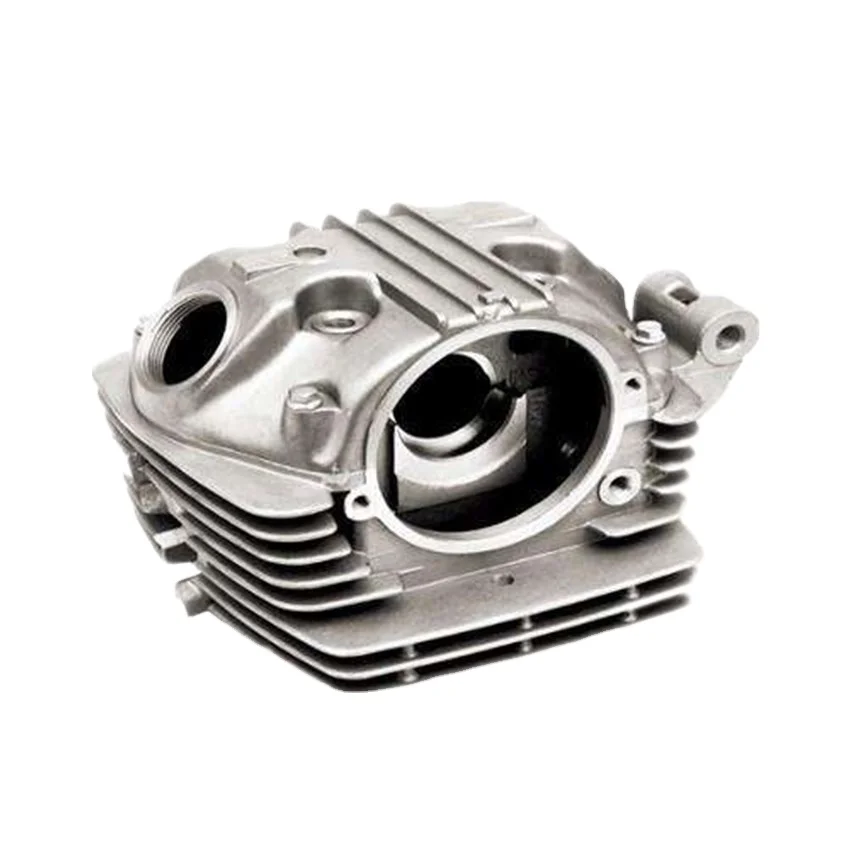
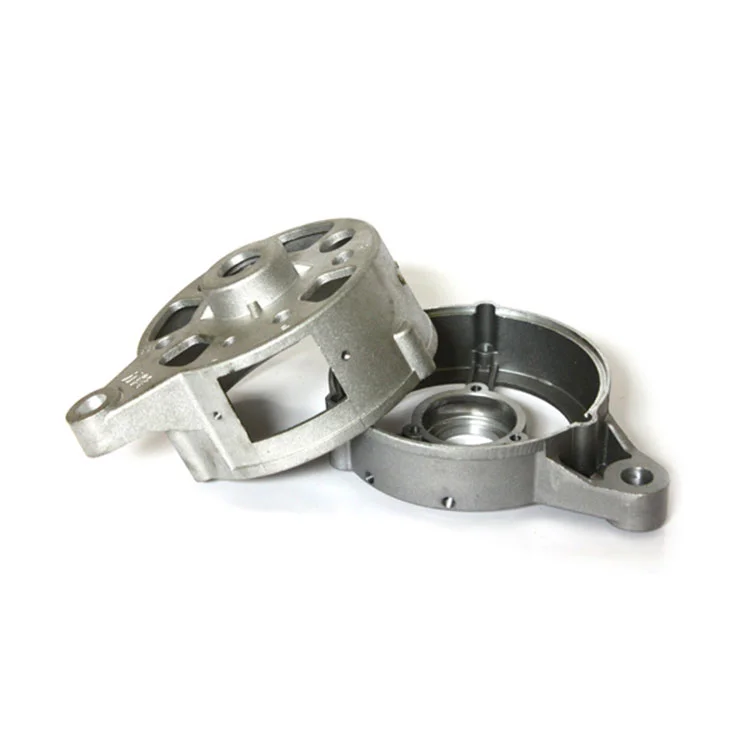
OEM/ODM Stainless-Steel Precision Investment/Die Castings | CNC ±0.005mm/ISO2768-mk and CT4–CT9 Scope
Let’s define your requirement
Send a product link, drawing or short brief. We’ll work through the details with you.
- Confirm the specificationGrade or model, size and intended use.
- Define your orderQuantity, finish or configuration, and samples.
- Agree the quotation scopeIncluded work, key checks and delivery needs.
-
Surface FinishPowder Coated , Polished
-
ServiceOEM ODM
-
MaterialStainless steel, Carbon steel, Alloy steelApplicationIndustry Machinery, Automotive, Electricity
-
Machining ProcessCNC Lathe, CNC milling centerHeat treatmentAnnealing, Quench and temper, Solid solution
-
Surface treatmentZinc plating, Painting, Powder Coating, Electro polishingQuality ControlPFMEA, PPAP, APQP, Control Plan, MSA
-
Machining tolerance+/-0.005mm, ISO2768-mkCasting toleranceCT4-CT9
-
CertificateISO 9001
OEM/ODM custom steel casting work includes stainless steel, carbon steel and alloy steel, with investment/die-casting directions and CNC lathe/milling-center processing. The casting-tolerance range is CT4–CT9. Machining references are ±0.005mm and ISO2768-mk, with the actual controlled dimensions and requirements to establish for the selected component.
Cast dimensions versus machined dimensions
Assign the CT4–CT9 casting requirements to the actual cast geometry and identify the interfaces needing CNC work. Define which machined dimensions require the selected precision reference. Agree their measurement basis and acceptance, connecting the casting and machining stages to the actual supplied part rather than applying one requirement to every area.
Material, heat condition and four surface directions
Select the actual stainless, carbon or alloy-steel designation and manufacturing route. Heat-treatment choices are annealing, quenching/tempering and solid solution. Surface directions include zinc plating, painting, powder coating and electropolishing; choose the material-appropriate work and covered areas, agreeing the supplied condition and acceptance after the selected operations.
PFMEA, PPAP, APQP, Control Plan and MSA
These quality methods support definition of the custom manufacturing task. Agree the actual quality-plan scope and inspection requirements for the component. Relate them to its material, cast dimensions, CNC interfaces and selected treatments, establishing the acceptance criteria needed for the supplied OEM/ODM part and its intended function.
Industrial machinery, automotive and electrical components
Identify the actual component and its required duty within the intended application. Define the drawing geometry and interfaces that govern its supplied condition. Connect those requirements to the selected grade, manufacturing stages and quality methods, agreeing the dimensional, treatment and inspection acceptance for that specific component request.








