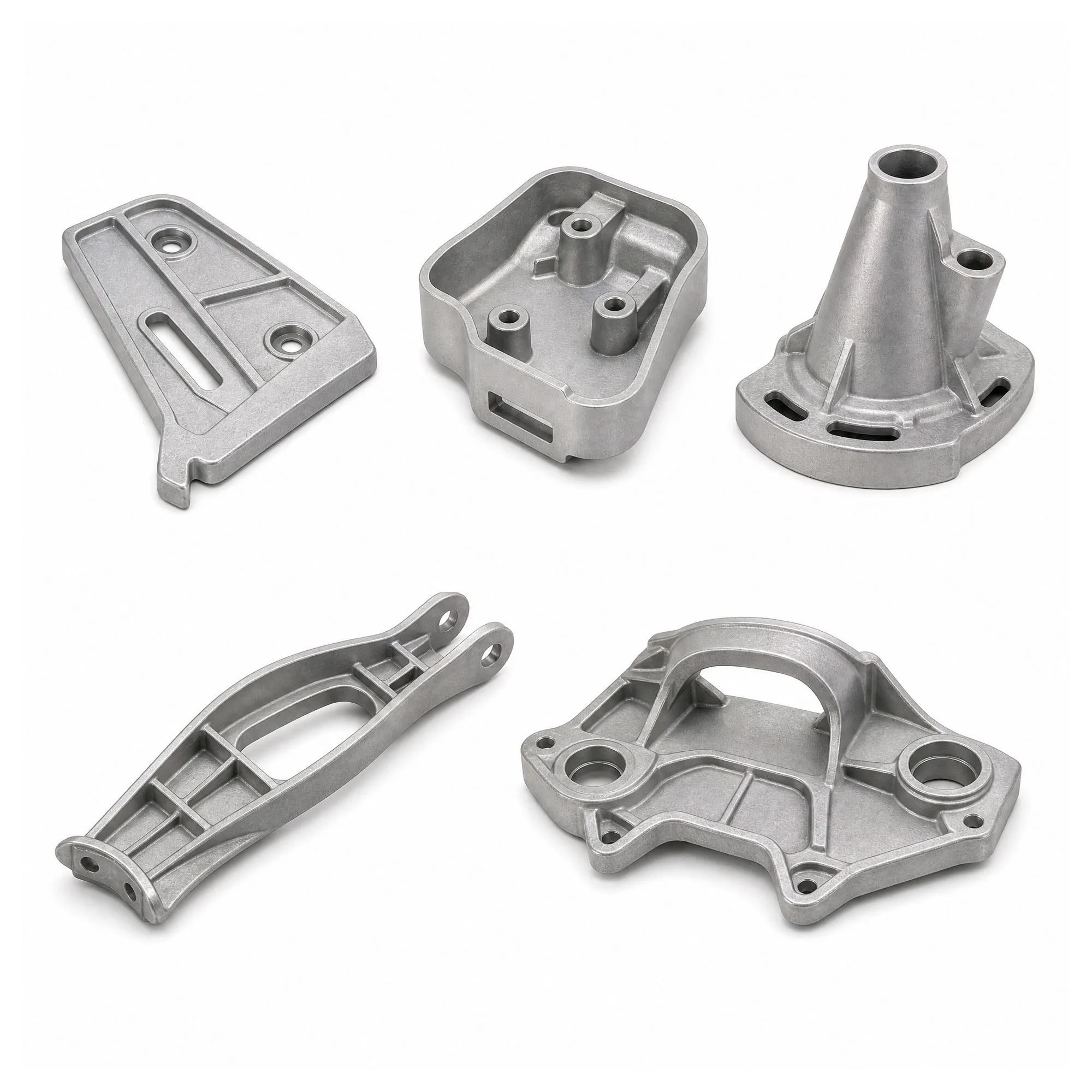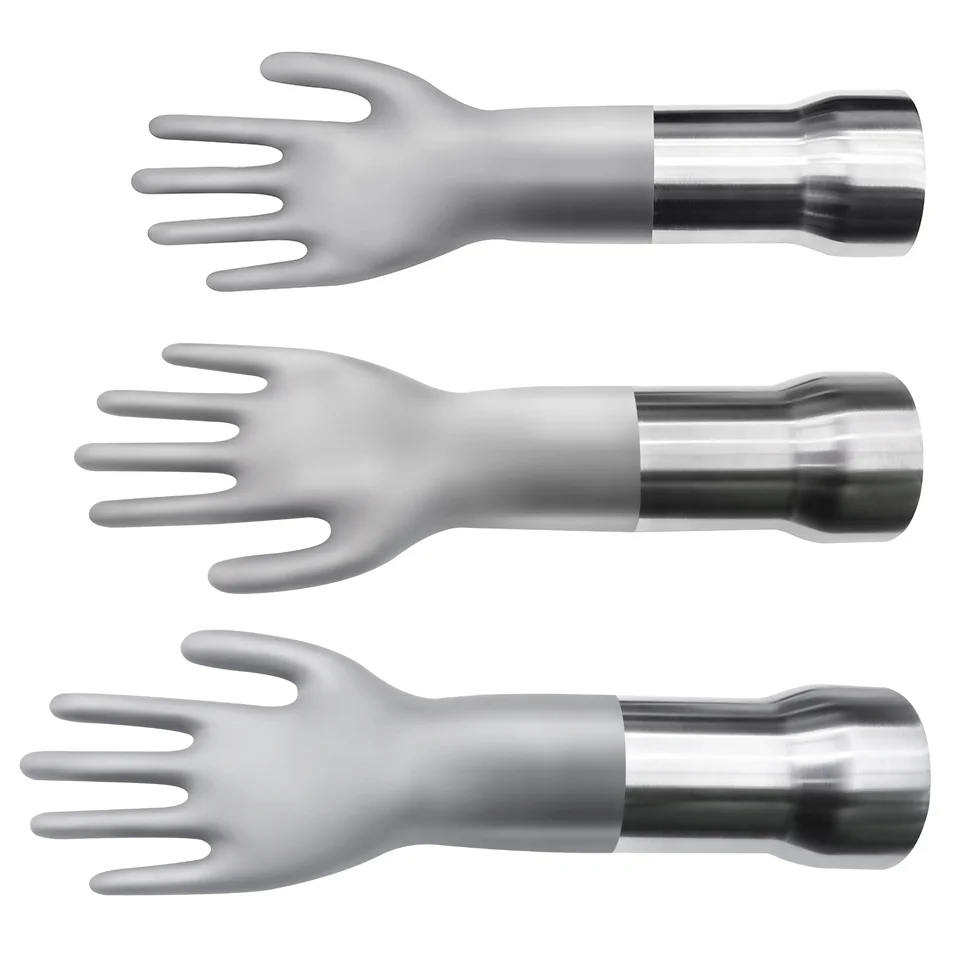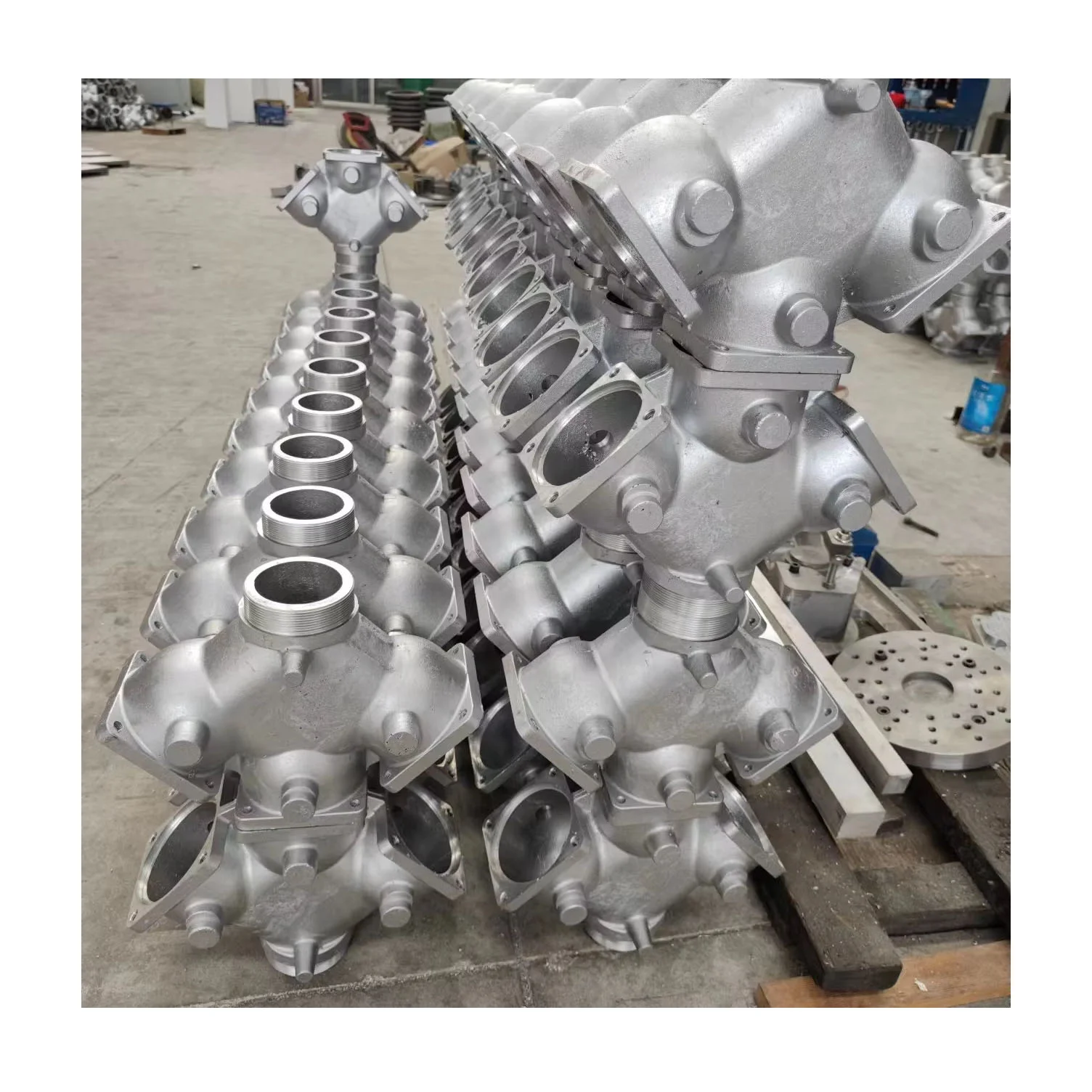
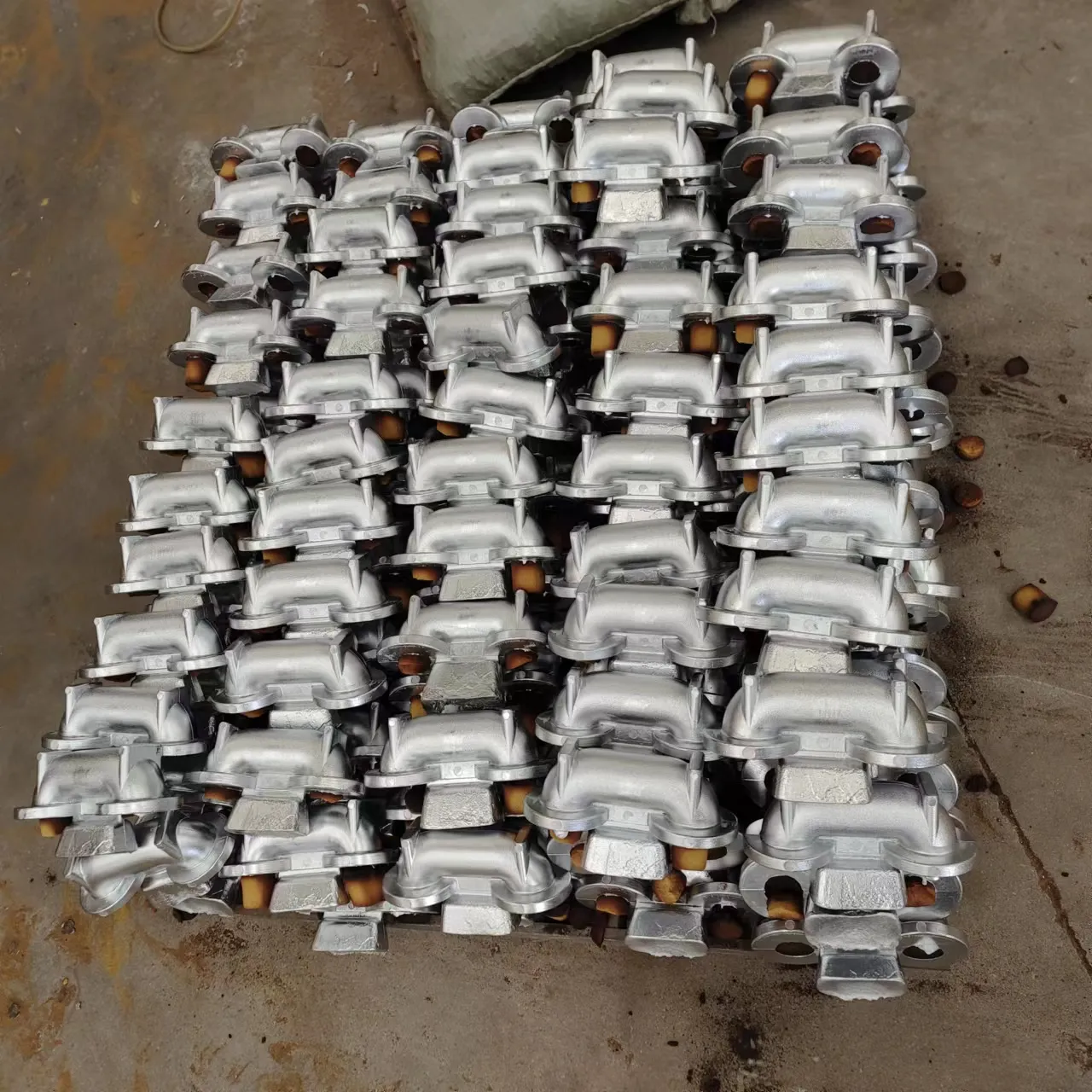
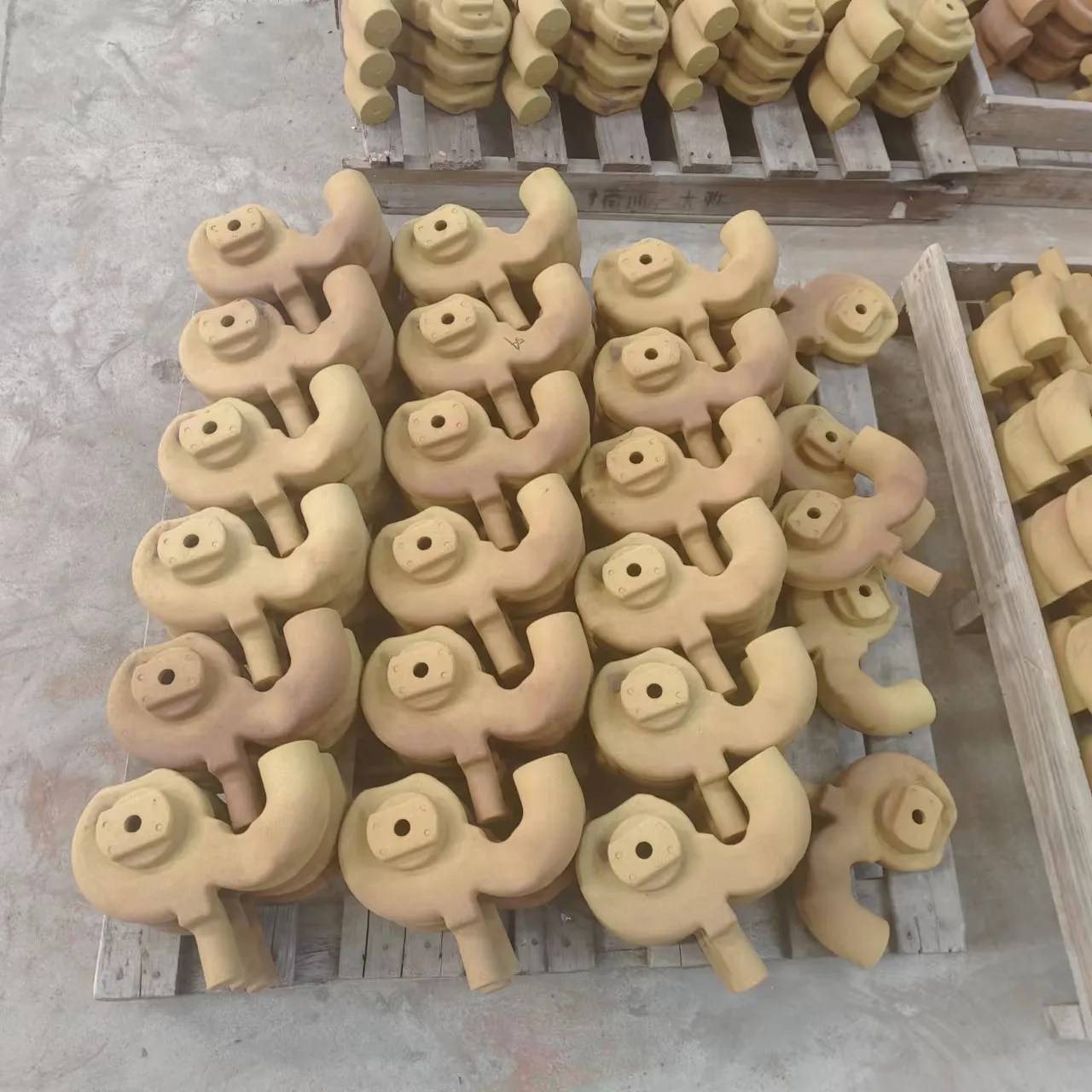
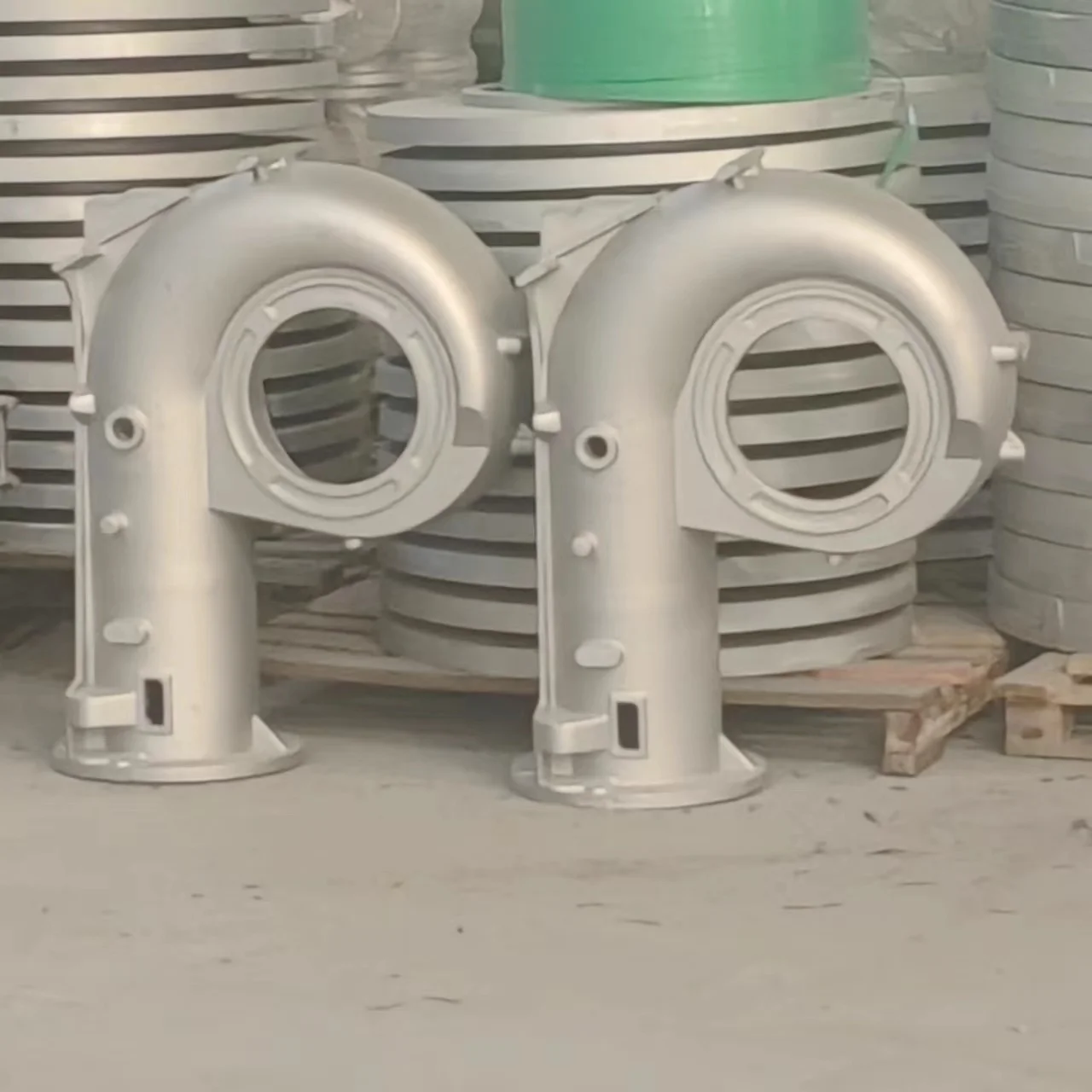
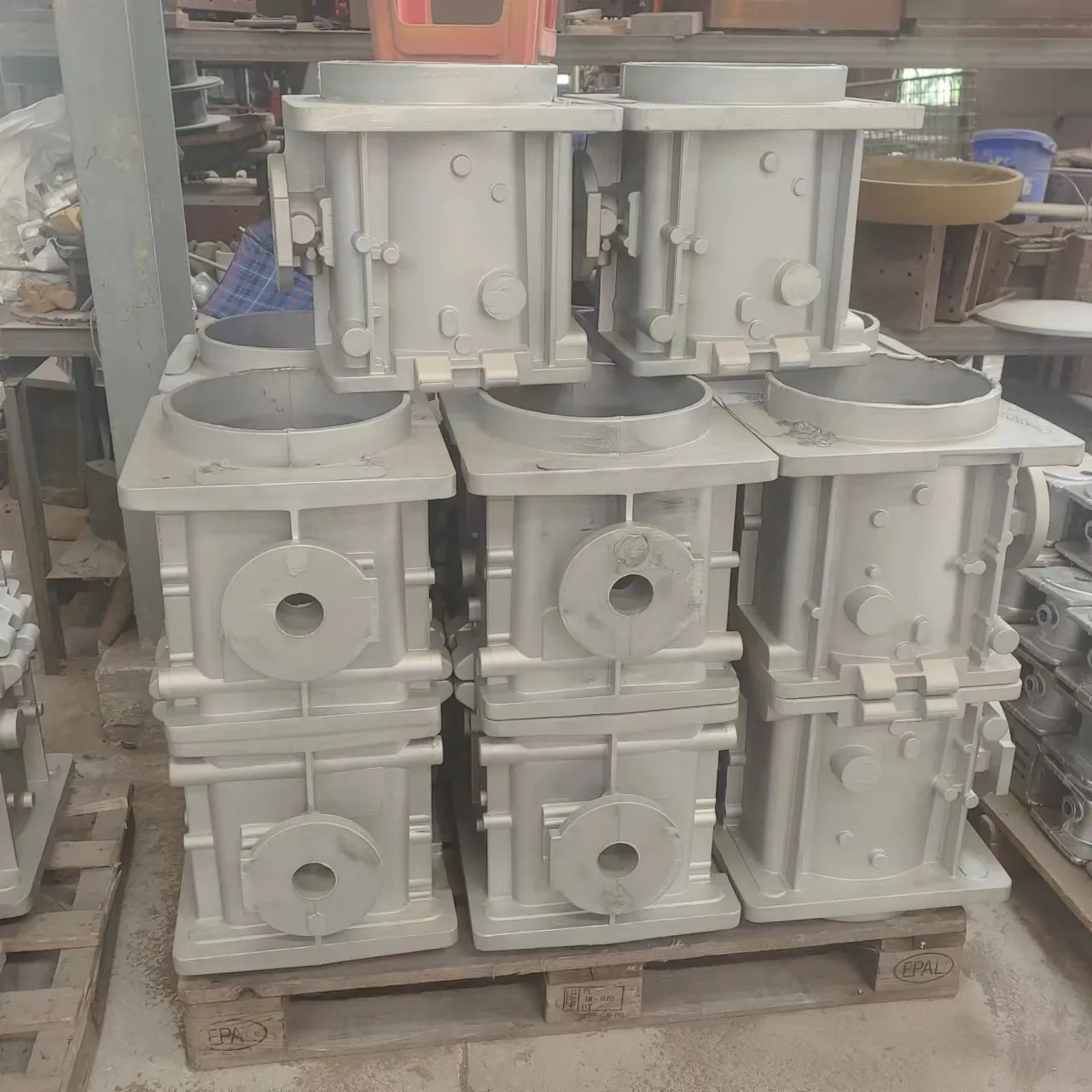
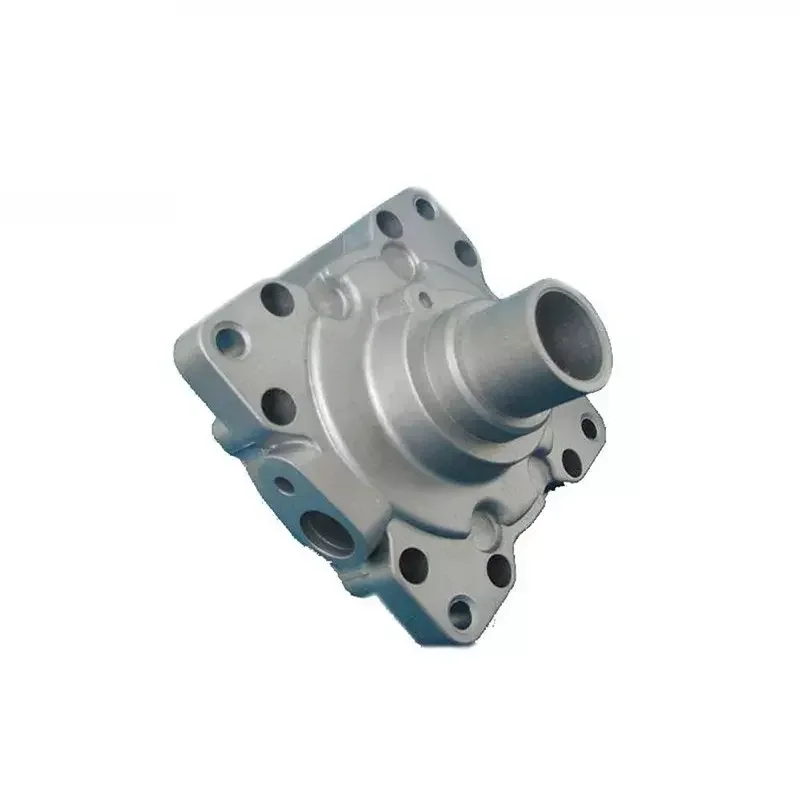
OEM/ODM Custom Aluminum Sand Casting with Precision CNC Machining, T6 Treatment Requests and 100% Checking
Let’s define your requirement
Send a product link, drawing or short brief. We’ll work through the details with you.
- Confirm the specificationGrade or model, size and intended use.
- Define your orderQuantity, finish or configuration, and samples.
- Agree the quotation scopeIncluded work, key checks and delivery needs.
-
Product name:Casting partsMaterial:Steel, Iron, Aluminum, Alloy
-
size:customer requestQuality Management:100% checked
-
Heat treatment:T6 heat treatmentProcessing:Precision CNC machining
Define an aluminum sand-cast component through the form required from casting and the surfaces needed on the finished part. The OEM/ODM service supports custom sizes, precision CNC machining and 100% checking, with material and treatment choices to be settled for the component.
Select the metal and intended material condition
Aluminum is the focus of this sand-casting enquiry, while steel, iron and alloy requests are also within the broader material scope. Identify the grade required for the part and the material condition needed by the design. T6 heat treatment is a direction to discuss with the selected alloy, rather than a common treatment to apply to every named metal.
Separate the sand-cast form from machined interfaces
Custom sizing lets the casting request begin with the component geometry. Precision CNC machining can then be discussed for the areas requiring finished dimensions or a defined interface. Keep the cast shape and the machining requirements linked to the same part definition, so each processing stage has a clear relationship to the completed component.
Use the checking coverage with defined criteria
Parts receive 100% checking as part of quality management. Agree which dimensions, material-condition requirements and surfaces need to be evaluated for the requested part. A design-specific acceptance brief makes that coverage useful to the component enquiry, while leaving the actual numerical tolerances and checks to be defined for its geometry.
- Select the alloy and the required condition for the component.
- Distinguish the sand-cast geometry from CNC-finished areas.
- Agree the acceptance checks for the completed custom part.