
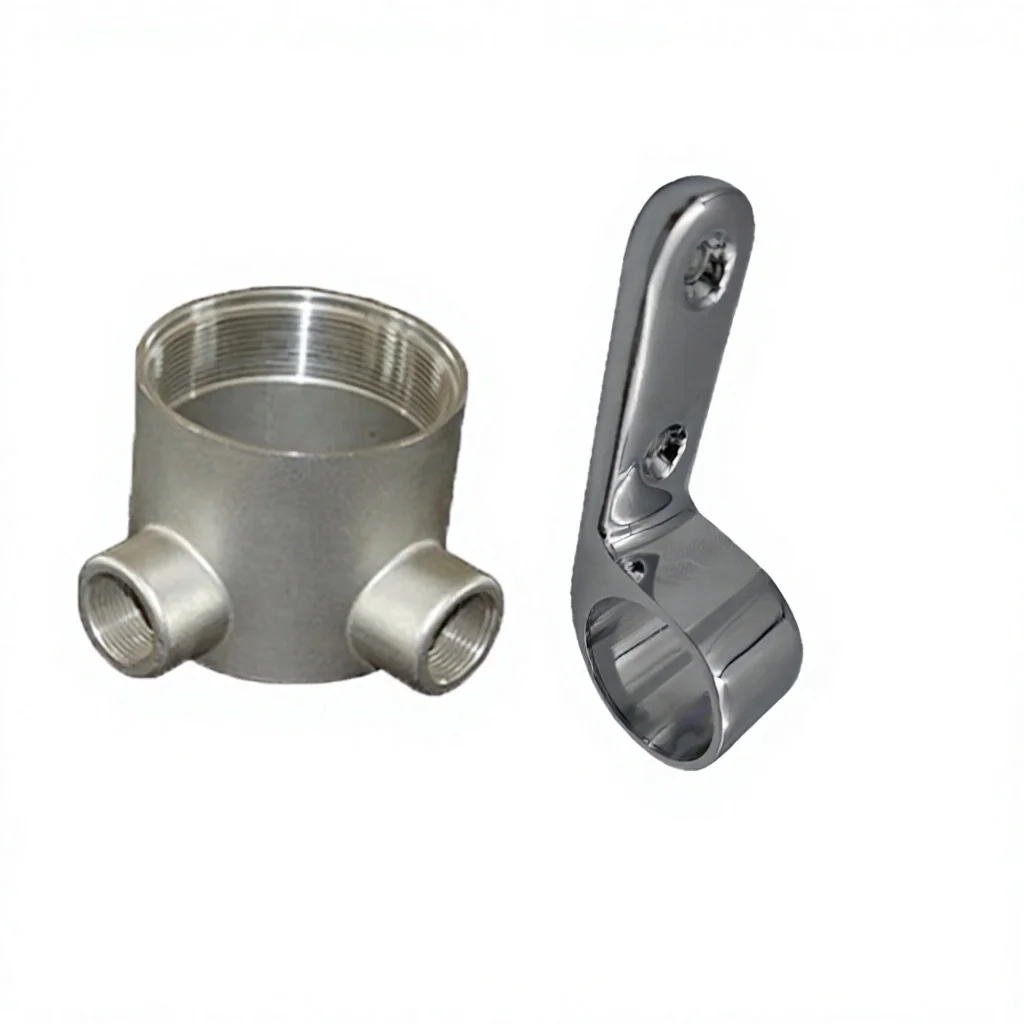
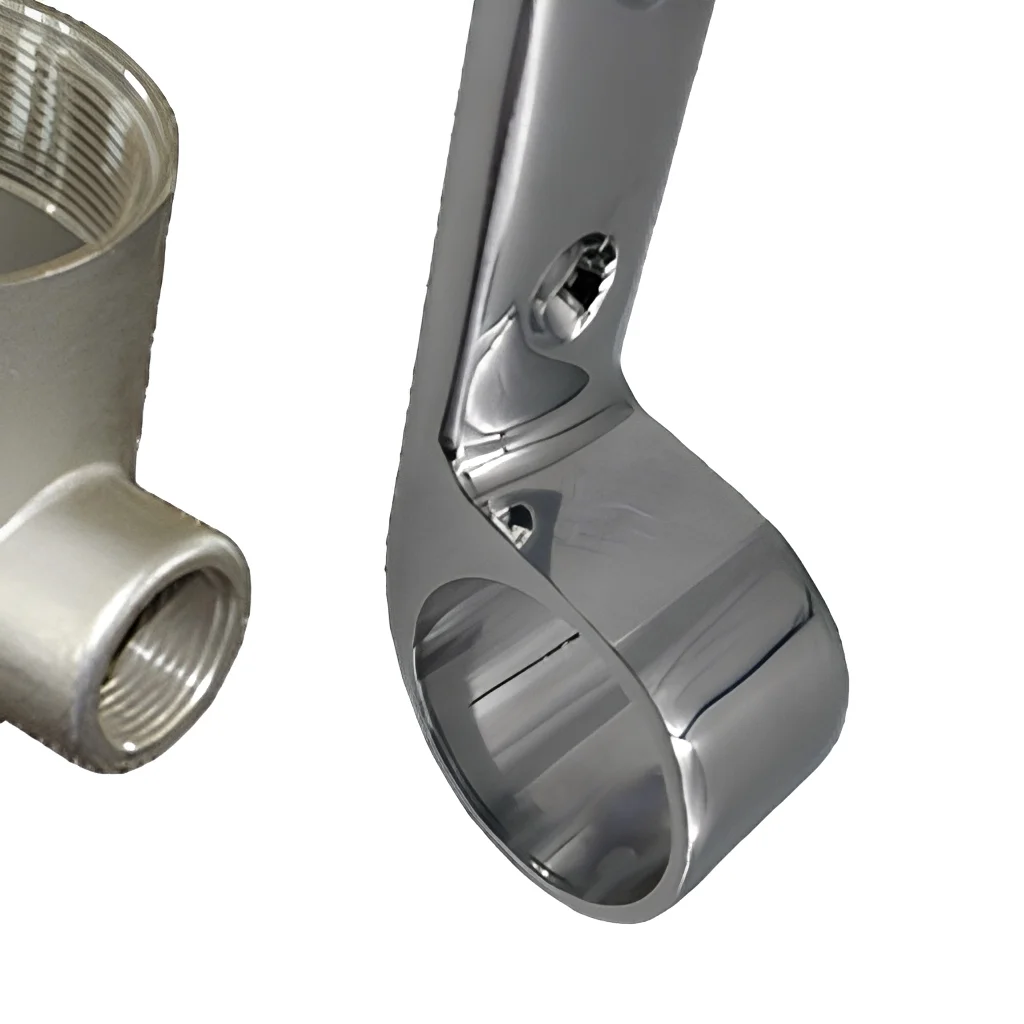
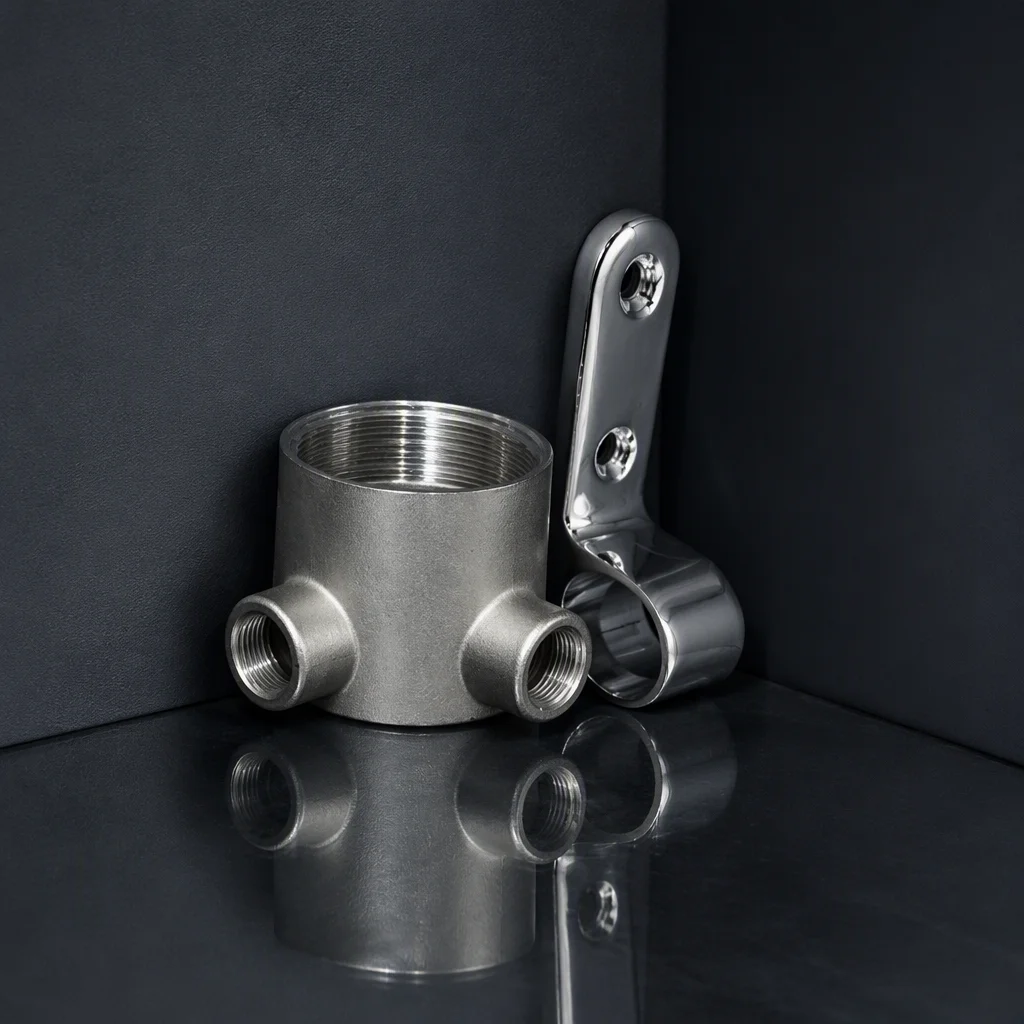
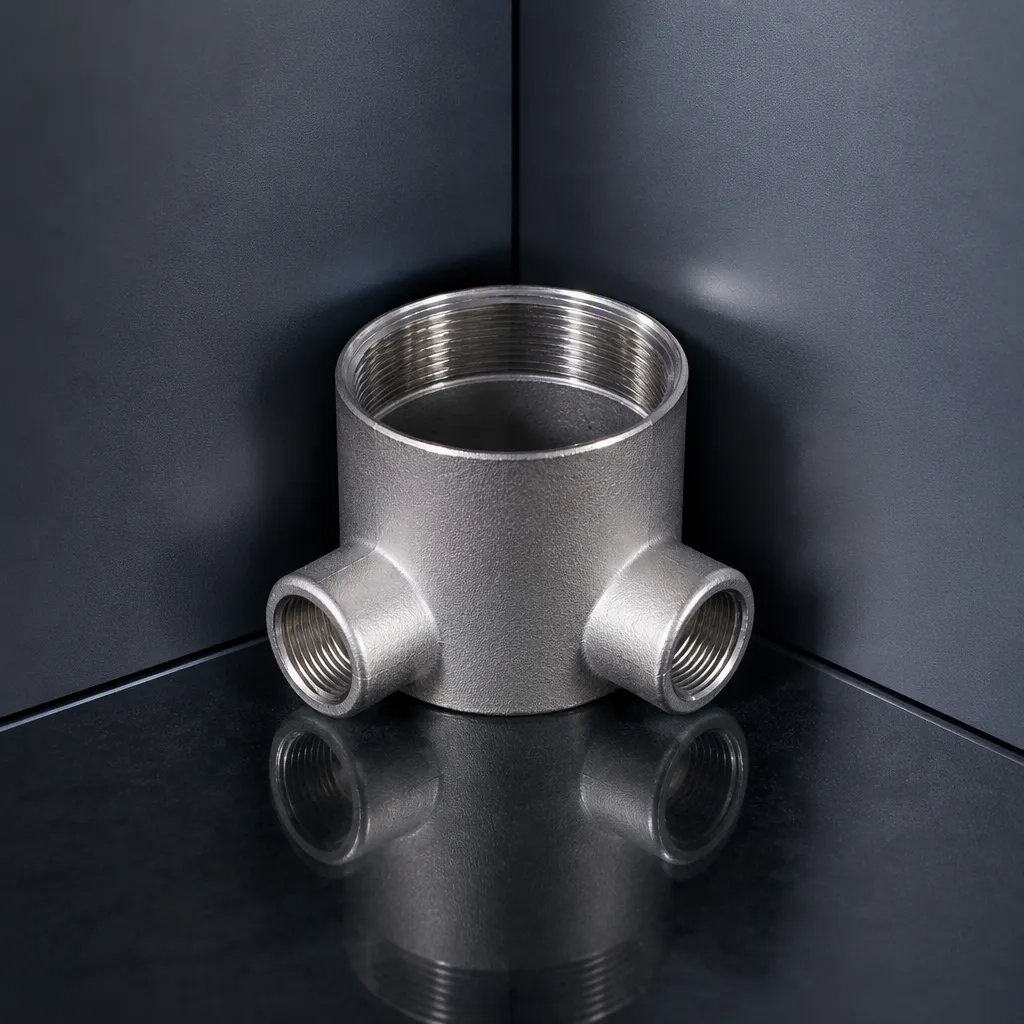
OEM Custom Stainless Steel Lost Wax Investment Cast Crafts with CNC Turning and Tapping
Let’s define your requirement
Send a product link, drawing or short brief. We’ll work through the details with you.
- Confirm the specificationGrade or model, size and intended use.
- Define your orderQuantity, finish or configuration, and samples.
- Agree the quotation scopeIncluded work, key checks and delivery needs.
-
MaterialStainless Steel
-
ApplicationIndustryProcessCasting +Machining(if Need)+surface Treatment
-
CertificationISO 9001KeywordCustomized Precision Casting
-
MOQ100Machining ProcessLost Wax+CNC Mechining
-
MachiningTapping CNC Turning MachiningTechnologyPreicison Casting
-
DimensionsCustomized Dimension
OEM custom stainless steel crafts and industrial components use lost wax investment casting with CNC machining available where needed. CNC turning and tapping are named machining services, with custom dimensions and surface treatment incorporated into the selected component plan.
Define the turned interfaces
Identify the stainless grade and component geometry for the actual craft or industrial duty. Mark the interfaces requiring CNC turning and establish their final dimensions and acceptance. Keep those requirements connected to the casting geometry, so the finished-part review distinguishes the cast form from the surfaces accepted after machining.
Make tapped-hole requirements explicit
Tapping provides a specific operation to discuss for the chosen component. Define the thread specification, location and acceptance required by the actual design, including how the threaded area relates to its mating part. Agree the relevant inspection criteria with the drawing so the thread discussion addresses the intended fit and function.
Choose the finished surface for the design
Surface treatment forms part of the manufacturing scope for the custom work. Specify the selected treatment and the faces receiving it, then agree the final appearance and dimensional requirements. Review any treated interface alongside the turning or tapping requirements, keeping the finished geometry and surface result consistent for the part's intended duty.
Connect quality scope to component approval
ISO9001 quality-system scope can be reviewed with the project requirements. Define the inspection characteristics and records needed for the chosen stainless component, using its actual dimensions, threads and finished surfaces as the basis. The final OEM review should align the selected material, casting route and machining/finishing plan with those acceptance criteria.








