
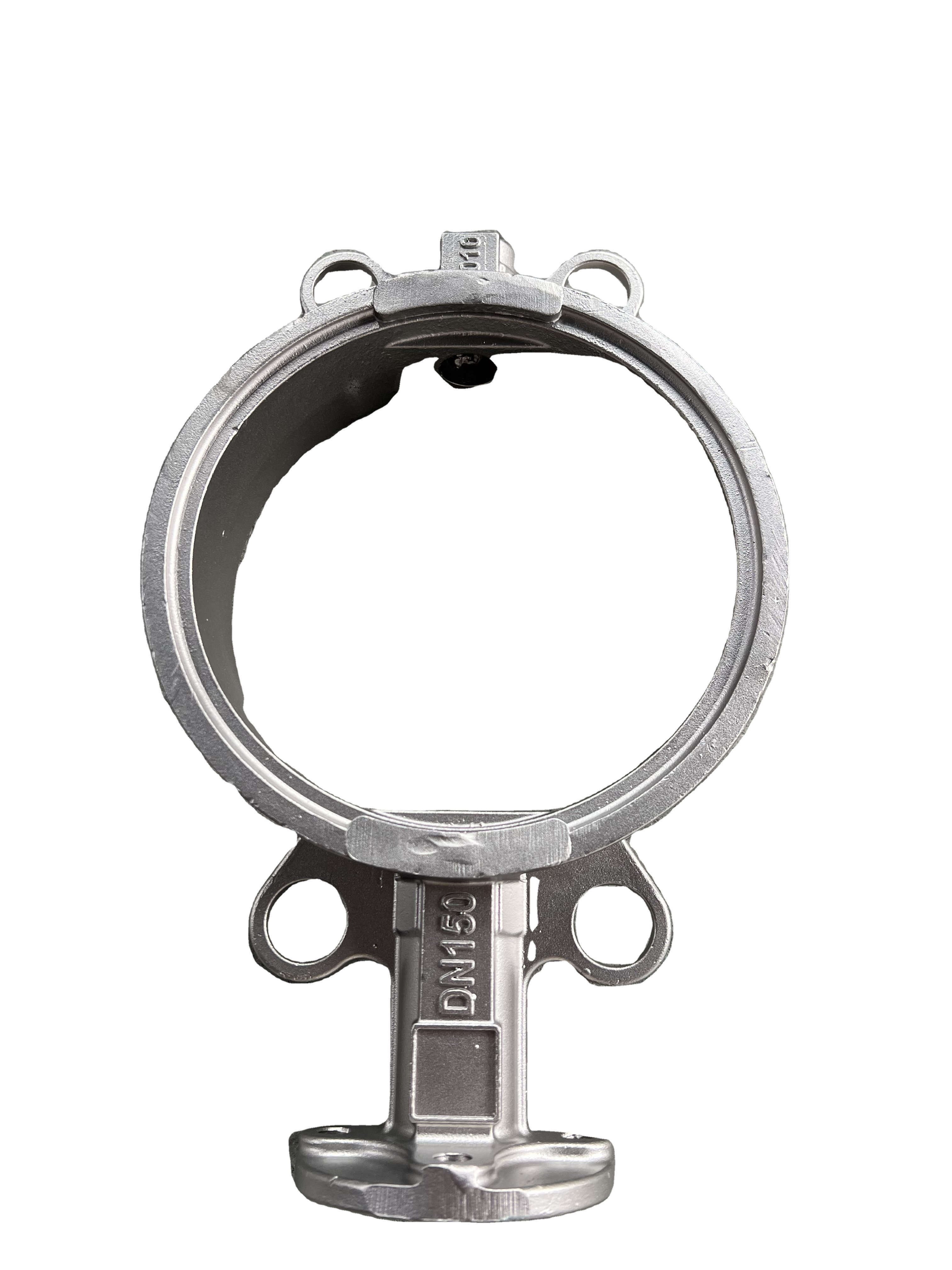
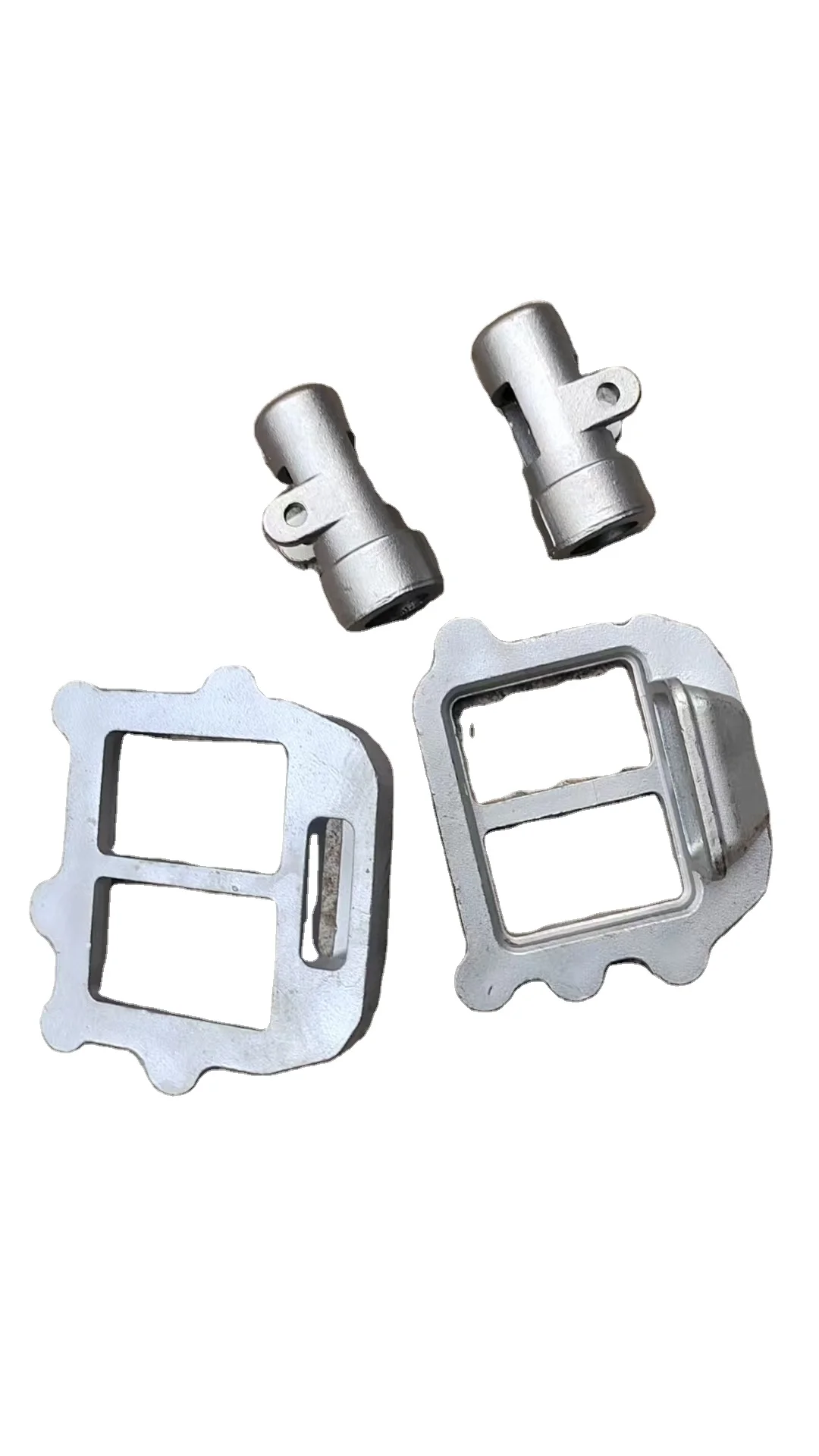
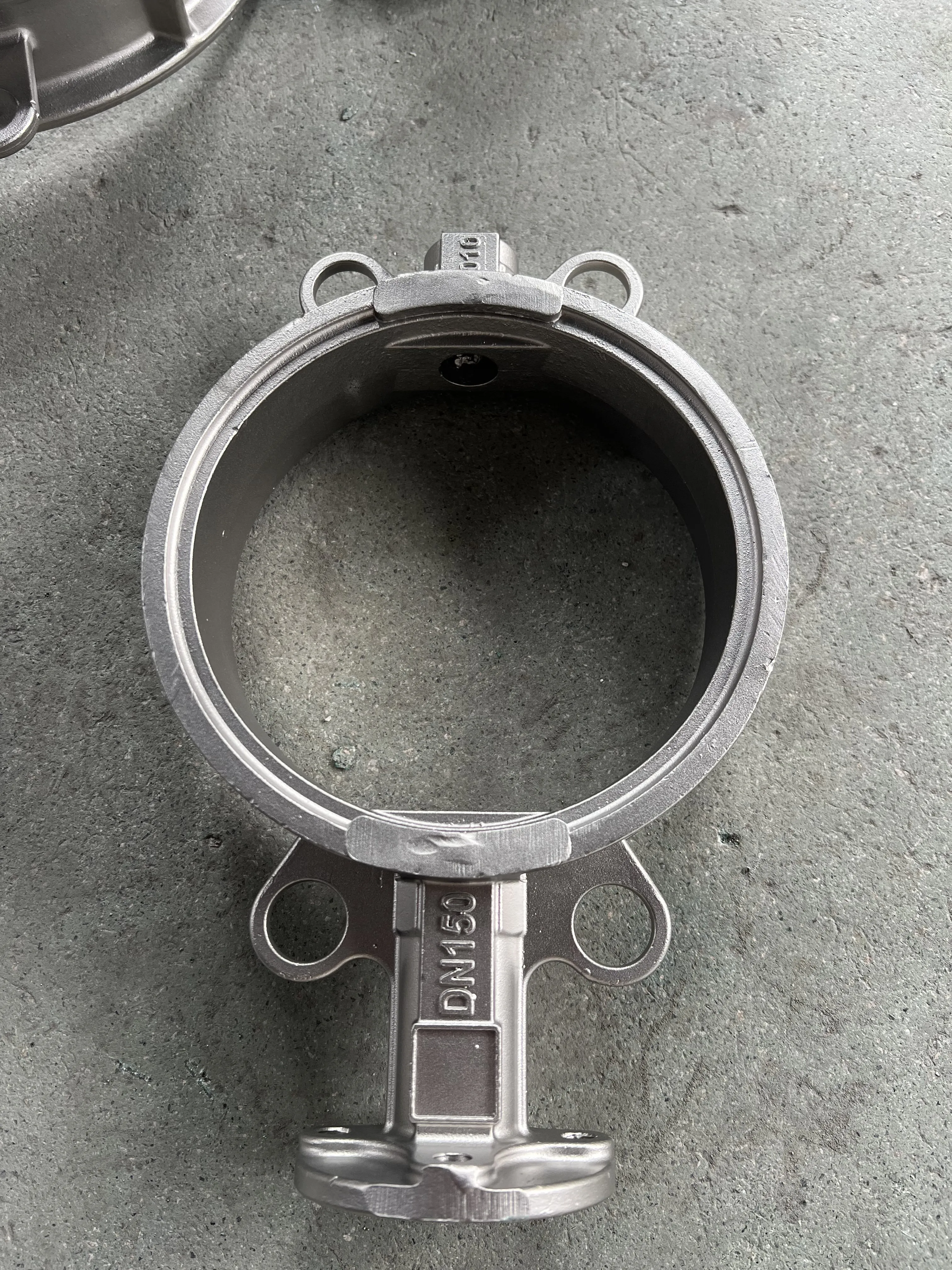
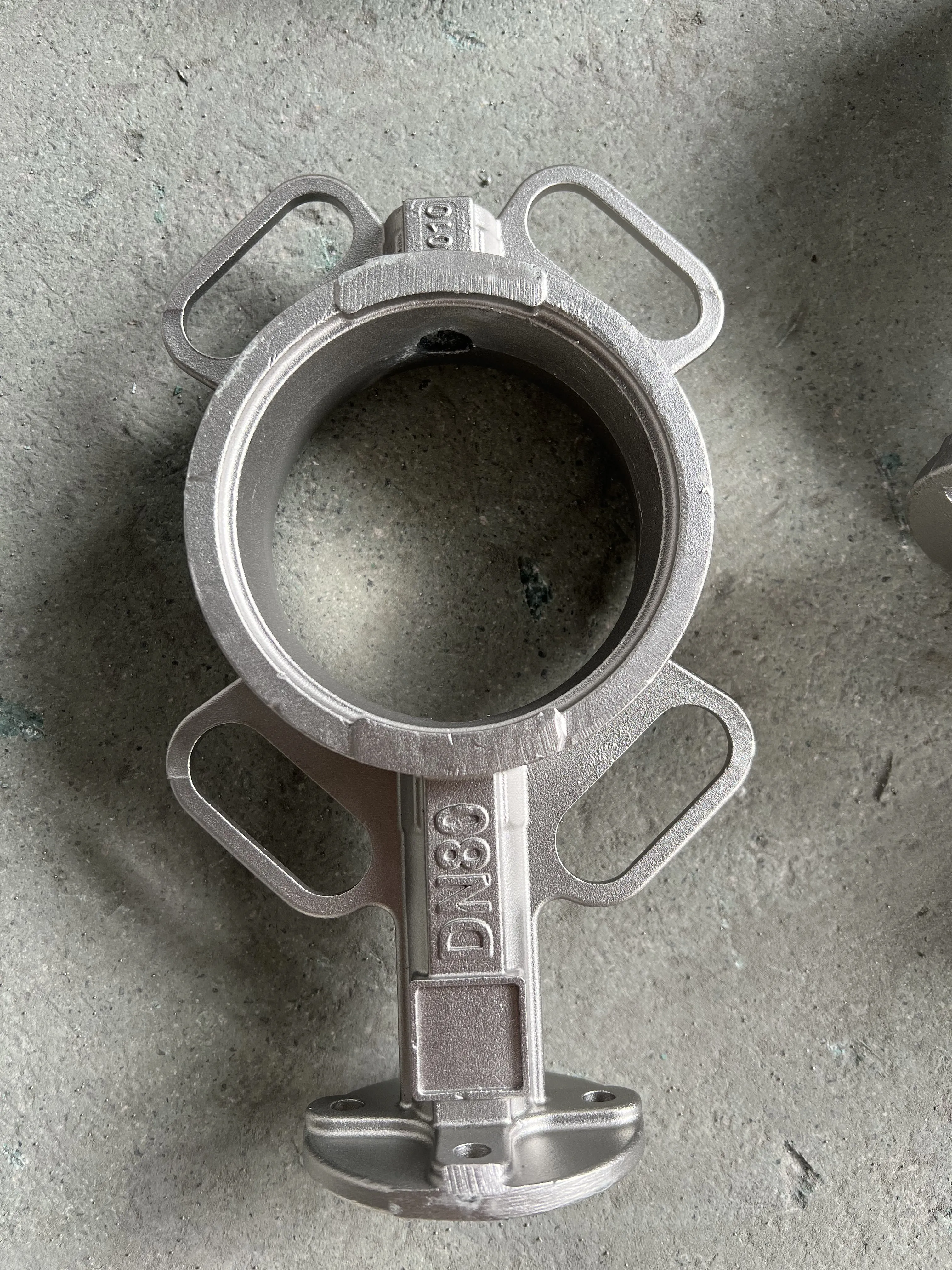
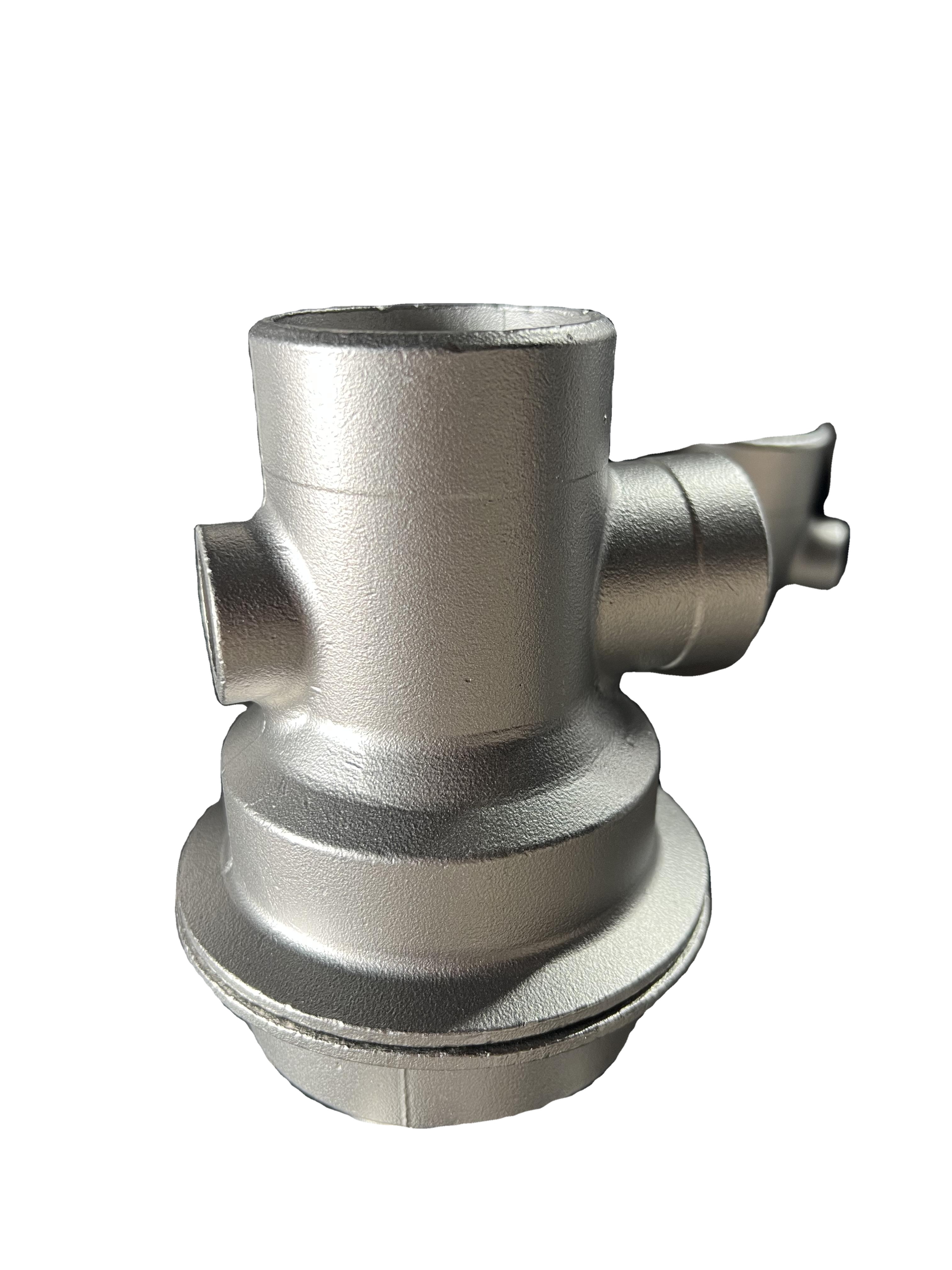
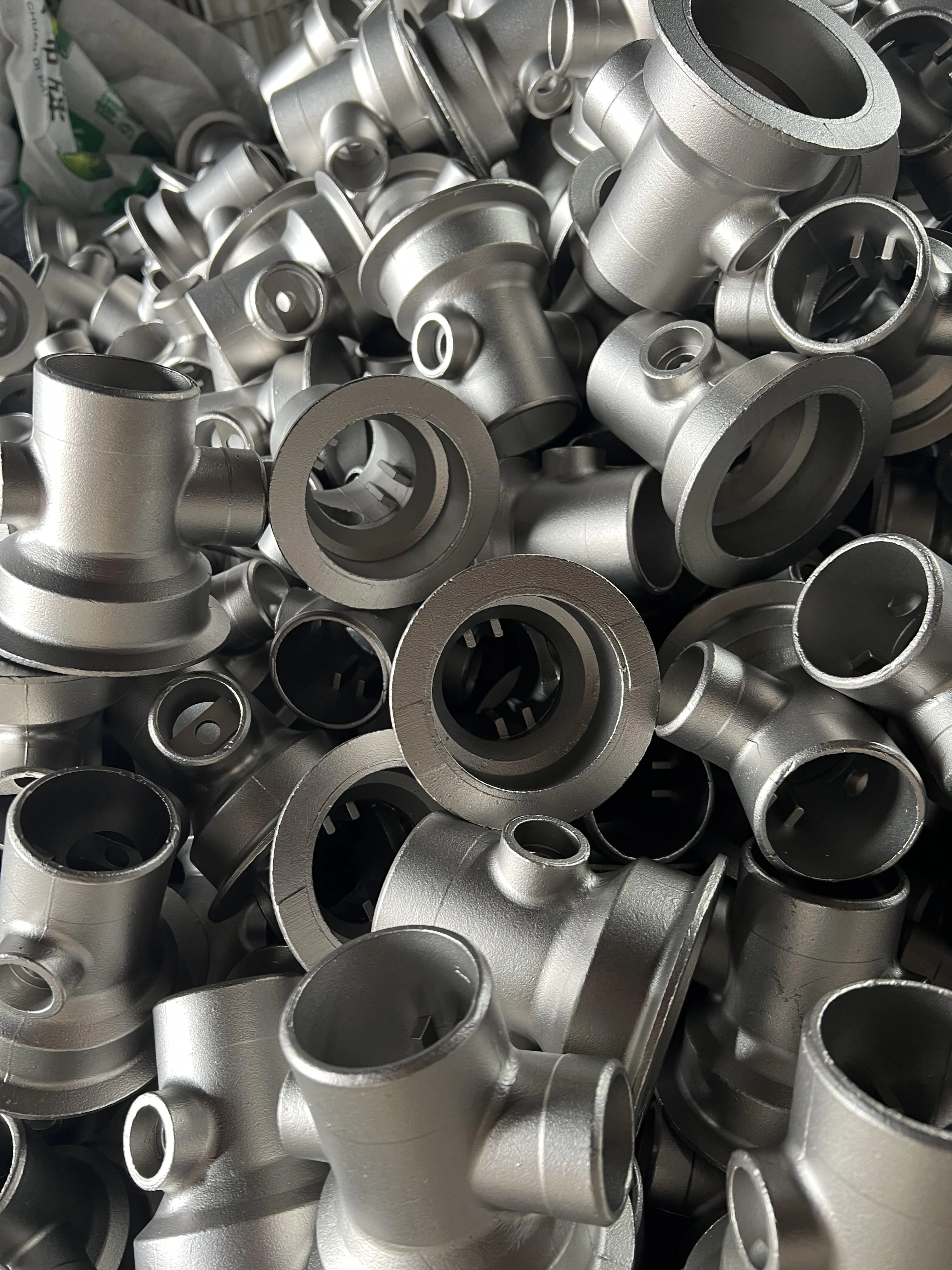
OEM Custom DN150/DN80 Butterfly Valve Bodies, 304 Stainless Steel Lost-Wax Casting
Let’s define your requirement
Send a product link, drawing or short brief. We’ll work through the details with you.
- Confirm the specificationGrade or model, size and intended use.
- Define your orderQuantity, finish or configuration, and samples.
- Agree the quotation scopeIncluded work, key checks and delivery needs.
-
Component FormValve Body
-
MaterialStainless Steel
-
Surface treatmentCustomers' DemandProduct nameCustom Casting Parts
-
ProcessCasting +Machining(if Need)+surface TreatmentQuality ControlStrictly 100% Inspection
-
MOQ1 PieceLead Time30-45days
-
PackingPoly Bag + Inner Box + CartonNameOEM Casting Processing Products
-
Tolerance0.01mm
Custom butterfly-valve bodies are available in a 304 stainless-steel lost-wax casting direction. DN150 and DN80 are nominal-size inquiries to define against the actual body design. The OEM service includes machining if needed and surface treatment to customer requirements, with a one-piece minimum.
DN150 or DN80 body geometry
Select the nominal-size direction and establish the body drawing, connection geometry and valve interfaces. The chosen 304 material requirement should be considered with those dimensions and the intended application. This gives the inquiry a defined valve body rather than treating a DN label alone as a complete component specification.
The 0.01 mm reference and optional work
A 0.01 mm tolerance reference is available for the custom casting inquiry. Identify the drawing features to which the agreed value applies and define the tolerance sign and acceptance scope. Machining can be included where the selected body needs it, with the cast form and finished interfaces reviewed as parts of the same manufacturing request.
Body surfaces and inspection acceptance
Specify the surface treatment required for the actual material and body surfaces. The 100% inspection scope covers the custom butterfly-valve bodies, with the dimensional, material and surface checks agreed for the order. Also define the operating medium, pressure and temperature conditions and any required pressure acceptance for the selected component. From a one-piece inquiry, the OEM discussion can connect the nominal size, interfaces and required checks to the particular body being considered.








