
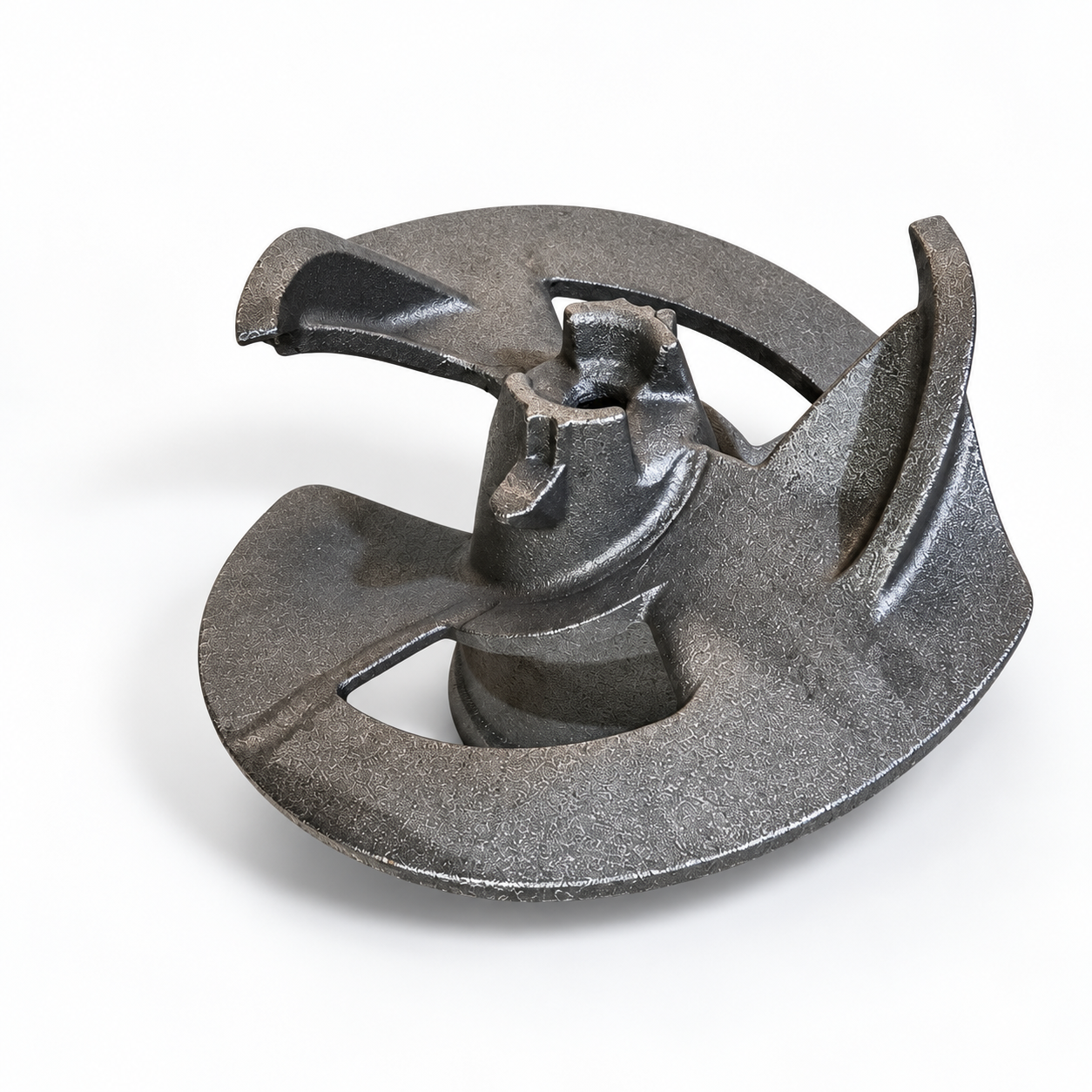
OEM Carbon Steel Sand-Cast Pump Impeller and Rotor Parts with CNC Turning and Milling
Let’s define your requirement
Send a product link, drawing or short brief. We’ll work through the details with you.
- Confirm the specificationGrade or model, size and intended use.
- Define your orderQuantity, finish or configuration, and samples.
- Agree the quotation scopeIncluded work, key checks and delivery needs.
-
Component FormImpeller / Rotor
-
CNC Machining or NotCNC MachiningTypeMilling, Turning
-
Material CapabilitiesAluminum, Stainless Steel, Steel Alloys, BrassMaterialCarbon Steel
-
Product nameProfessional Precision Cnc Machining PartsSurface treatmentCustomer's Request
-
OEM/ODMAccecptedProcessCNC Turning Milling
-
ServiceCustomized OEMApplicationConstruction Parts
-
ColorCustomized ColorEquipment3/4/5 Axis Center Machining
-
PackingPoly Bag + Inner Box + Carton
Custom carbon-steel pump-impeller and rotor-component requests combine a sand-casting direction with CNC turning and milling. OEM/ODM support includes selected 3/4/5-axis machining and customer-defined color or surface requirements for the actual industrial pump component.
Define the impeller or rotor interfaces
Provide the component geometry and the mating-pump details that determine assembly fit. Choose the carbon-steel grade and state the rotating-component service acceptance required for the intended pump. These decisions give the inquiry a specific component identity without assuming that a general impeller or rotor name defines the correct part.
Connect the casting to turning and milling
Identify the starting sand-cast geometry and the areas requiring CNC processing. Mark the finished dimensions that control the component's fit and agree the required turning or milling scope. The cast condition and machined condition can then be discussed together against the drawing used to accept the completed part.
Select the axes needed for the geometry
Equipment directions include 3/4/5-axis center machining. Specify the operations and access needed by the selected part, then agree dimensional and inspection acceptance for those areas. The axes describe a processing direction, while the actual component requirements define the work to be supplied.
Agree the final surface and wider component scope
Color and surface treatment follow customer requirements, so identify the exact appearance and finished condition needed. Broader material inquiries include aluminum, stainless steel, steel alloys and brass, with construction-part machining as an additional application direction. Define those requests separately from the carbon-steel pump component so each has its own geometry, material and acceptance.
Add the casting, machining and finish requirements to the selected component drawing with the quantity. This gives the OEM/ODM order a clear basis for the pump part being developed.








