
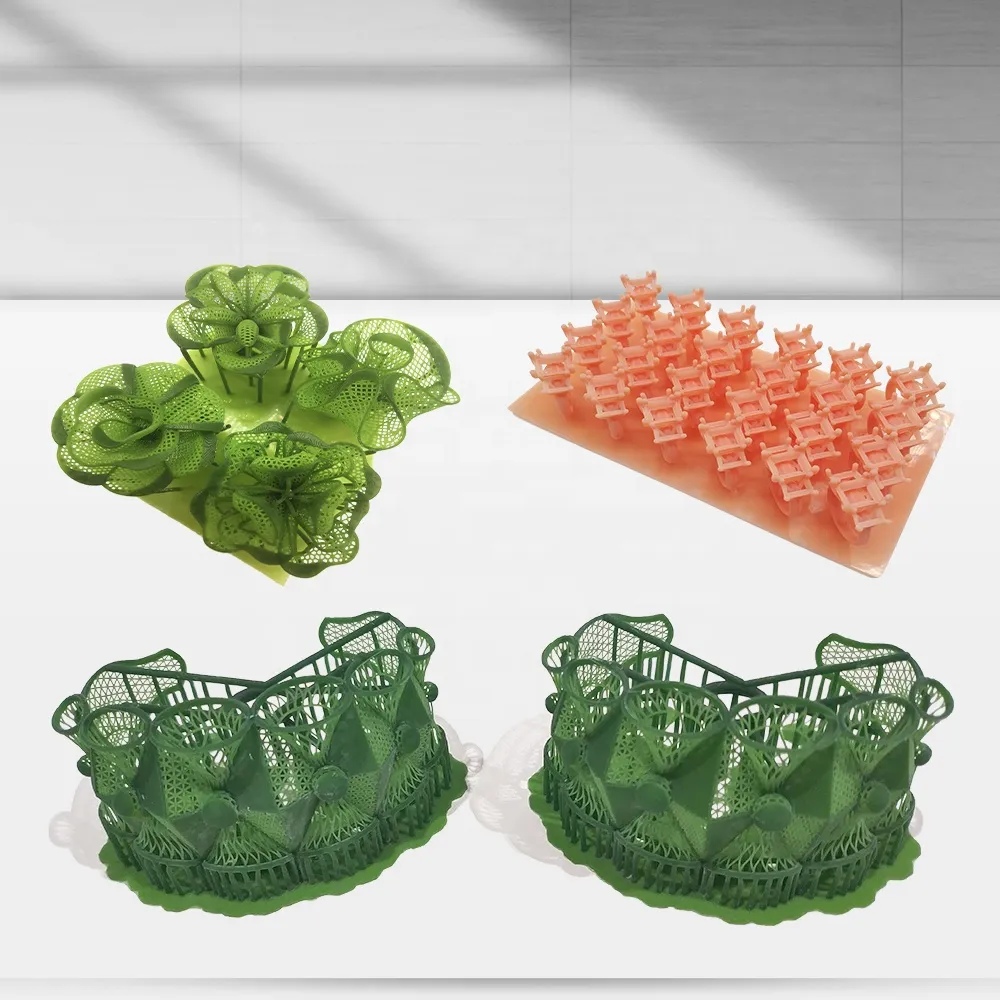
High Wax Castable Jewelry Resin for Mono 2K 4K 6K 8K SLA DLP LCD 3D Printing
Let’s define your requirement
Send a product link, drawing or short brief. We’ll work through the details with you.
- Confirm the specificationGrade or model, size and intended use.
- Define your orderQuantity, finish or configuration, and samples.
- Agree the quotation scopeIncluded work, key checks and delivery needs.
-
CAS No.High wax plus resinPurity99.9%
-
EINECS No.Lost wax resinMolecular FormulaJewelry resin
-
Other NamesJewelry casting resinProduct TypeSynthetic Resin And Plastics
-
colorGreen, Yellow,
-
ApplicationJewelry castingcompatible printerSLA DLP LCD
-
FeatureFinest detailViscosity100-450 MPa.s
-
Density1.05-1.18 g/cm3Hardness64-68 D
-
Flexural strength49-58 MPaTensile strength42-62 MPa
-
Elongation at break11-20
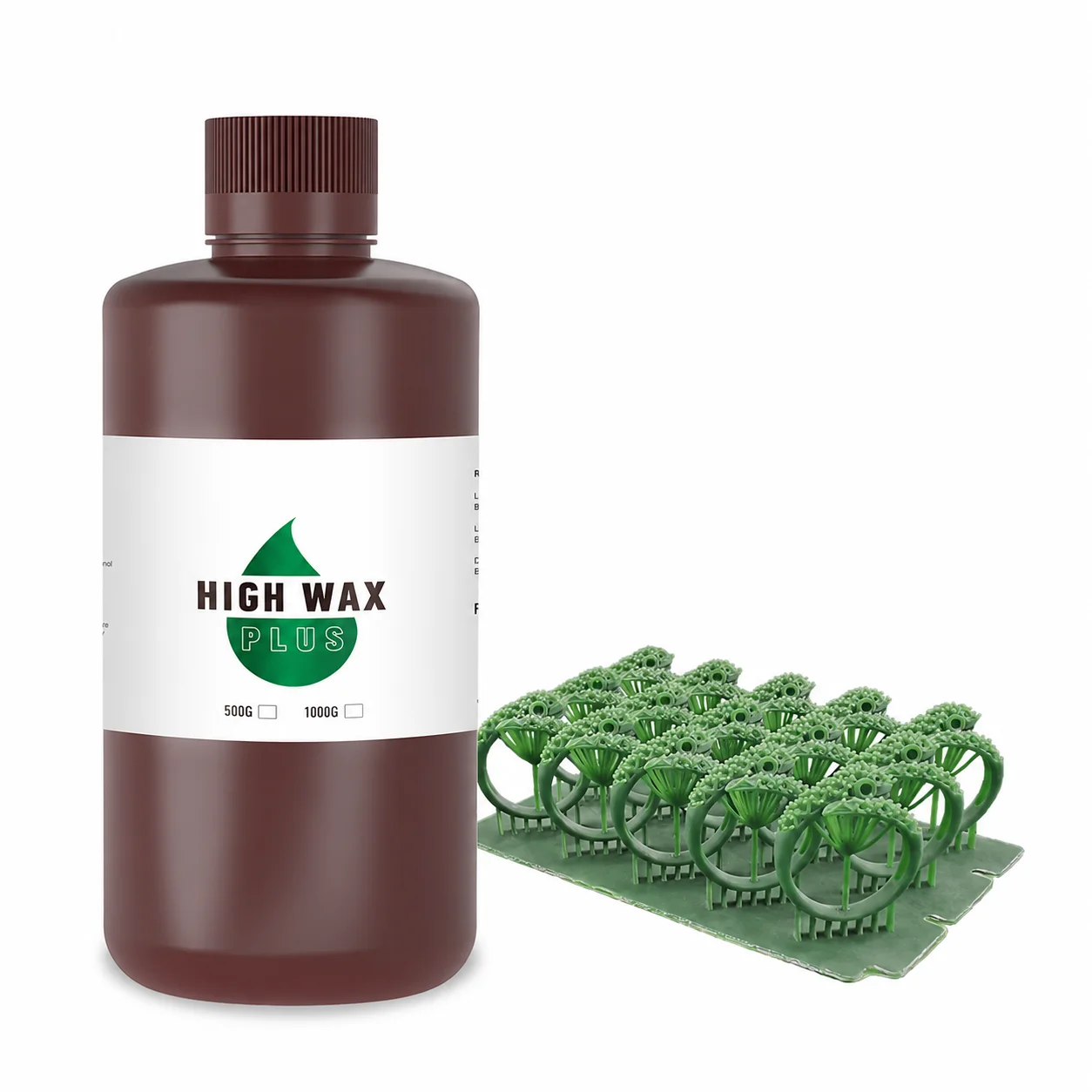
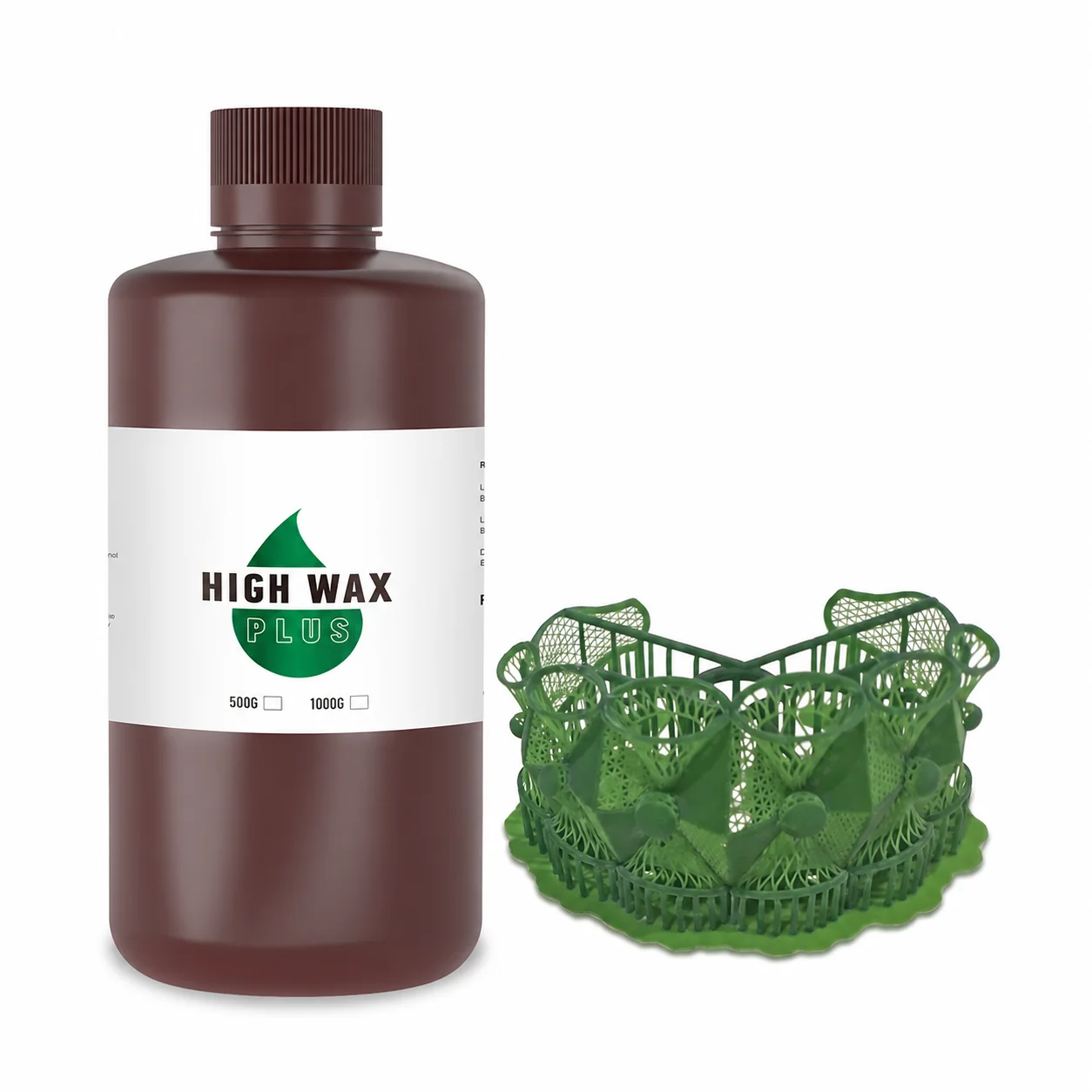
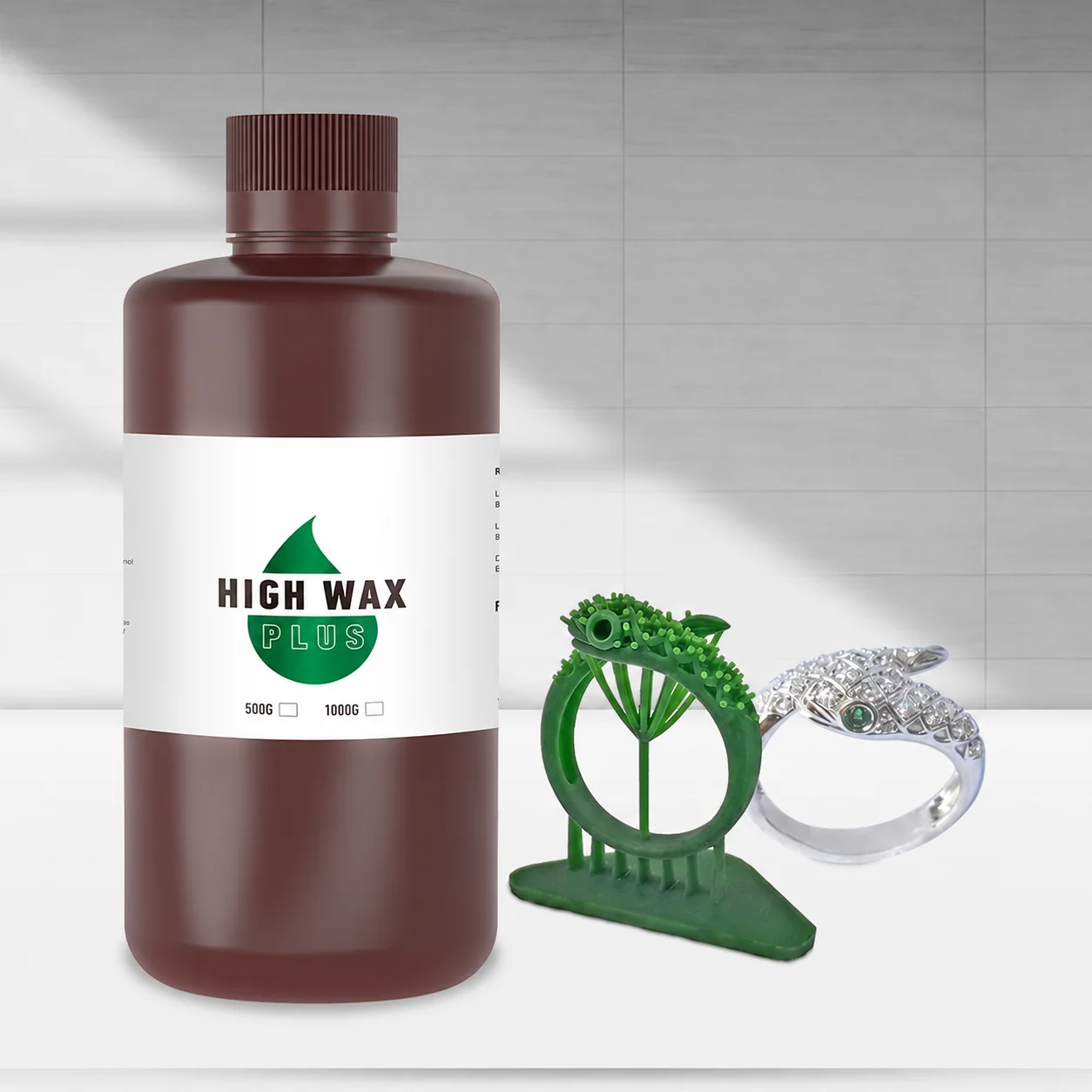
High-wax castable jewelry resin is intended for fine-detail patterns used in a lost wax casting workflow. Green and yellow color choices can be discussed for SLA, DLP and LCD printing, with the resin profile matched to the actual printer and the jewelry pattern you want to produce.
Choose the profile for the actual printer
Mono 2K, 4K, 6K and 8K describe printer classes relevant to the enquiry. Identify the exact printer, light source and resin version, then confirm the exposure and post-processing profile for that combination. This gives a printing trial a defined starting point and makes the result easier to evaluate for the intended jewelry work.
Review detail in a representative jewelry pattern
Use a pattern representative of your jewelry design to assess detail reproduction in the chosen green or yellow resin. Agree the dimensional and surface acceptance needed for the printed pattern before judging the casting result. A trial of the complete printing and casting workflow helps connect the resin choice with the finished jewelry requirements.
Compare properties on the same test basis
Material properties include hardness 64–68 D, flexural strength 49–58 MPa and tensile strength 42–62 MPa. Confirm the curing and test conditions before comparing those values with another resin. Viscosity notation and the unit for elongation at break also need confirmation in the technical data sheet so material comparisons use a consistent basis.
Obtain the resin-specific casting instructions
Request the technical and safety data sheets for the selected resin, together with its printing, post-processing and burnout instructions. Define any purity requirement by the measured substance and test method needed for the order. Use the confirmed workflow and a casting trial to agree acceptance before adopting the resin for a jewelry production process.