Custom ZAMAK 3 and ZAMAK 5 Zinc Alloy Die Casting with Chromate Conversion and CNC Machining
Let’s define your requirement
Send a product link, drawing or short brief. We’ll work through the details with you.
- Confirm the specificationGrade or model, size and intended use.
- Define your orderQuantity, finish or configuration, and samples.
- Agree the quotation scopeIncluded work, key checks and delivery needs.
-
Surface FinishAnodized , Powder Coated
-
SizeOEM/ODM Supported (Size, Material, Surface Finish)Surface TreatmentMill Finish, Anodizing, Powder Coating, Electropla
-
MaterialsZinc, Aluminum, Magnesium, Stainless Steel, etc.Tolerance Standard±0.05mm, Custom Tolerance Available
-
Die Casting ProcessHigh-Pressure Die Casting, Precision Die CastingApplication FieldAutomotive, Electronics, Industrial Machinery, Medical Devices
-
Quality CertificationISO 9001, IATF 16949, RoHS CompliantLead Time7-15 Days for Samples, 20-30 Days for Mass Production
-
Drawing Format3D.STP. STEP . IGS . PRT . X_TPackageCustomers Specific Requirement
-
ProcessDie casting moldQuality Control100% Inspection, CMM, Projector, Caliper, Salt Spray Test
-
Service TypeOEM/ODM Custom Manufacturing / Prototyping
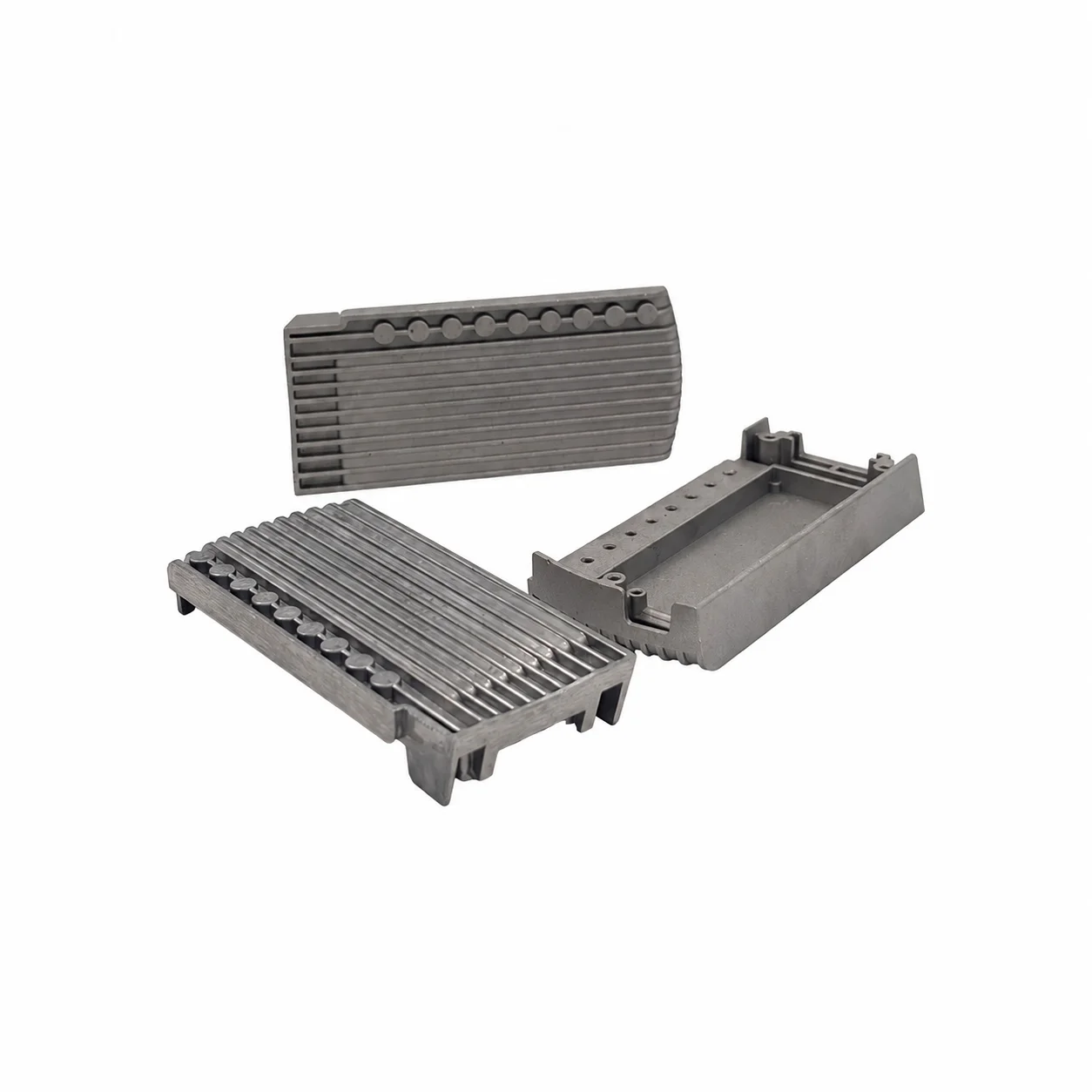
ZAMAK zinc-alloy parts can be developed through a casting, CNC and finishing brief for the actual component. This OEM/ODM offering identifies ZAMAK 3 and ZAMAK 5, chromate conversion and custom manufacturing or prototyping, with size and surface requirements selected for the project.
Choose between ZAMAK 3 and ZAMAK 5
Specify which zinc-alloy grade belongs to the component and keep that choice associated with its geometry. The wider material scope also includes aluminum, magnesium and stainless steel, with the manufacturing route agreed for each request. High-pressure and precision die casting are process choices to discuss for the accepted part.
Define chromate conversion as a treatment requirement
Agree the chromate-conversion treatment and accepted surface condition for the selected zinc component. Mill finish, anodizing and powder coating are also within the finishing discussion, subject to the actual material and part. Where RoHS or another project requirement applies, confirm the treatment chemistry and relevant documentation rather than inferring compliance from a treatment name.
Bring CNC and casting acceptance together
CNC machining should be scoped to the areas that need further work on the component. The stated tolerance is ±0.05mm, with custom tolerance available, so identify the dimensions requiring each accepted value. STP/STEP, IGS, PRT and X_T drawings provide the digital definition for comparing the proposed casting and machining work.
Review the prototype against the component criteria
Quality control includes 100% inspection, CMM, projector, caliper and salt spray testing. Establish the required test acceptance and duration for the particular part before judging its finished condition. Automotive, electronics, industrial machinery and medical-device projects should retain their own component acceptance requirements, with applicable ISO 9001 or IATF 16949 documentation confirmed where needed.