
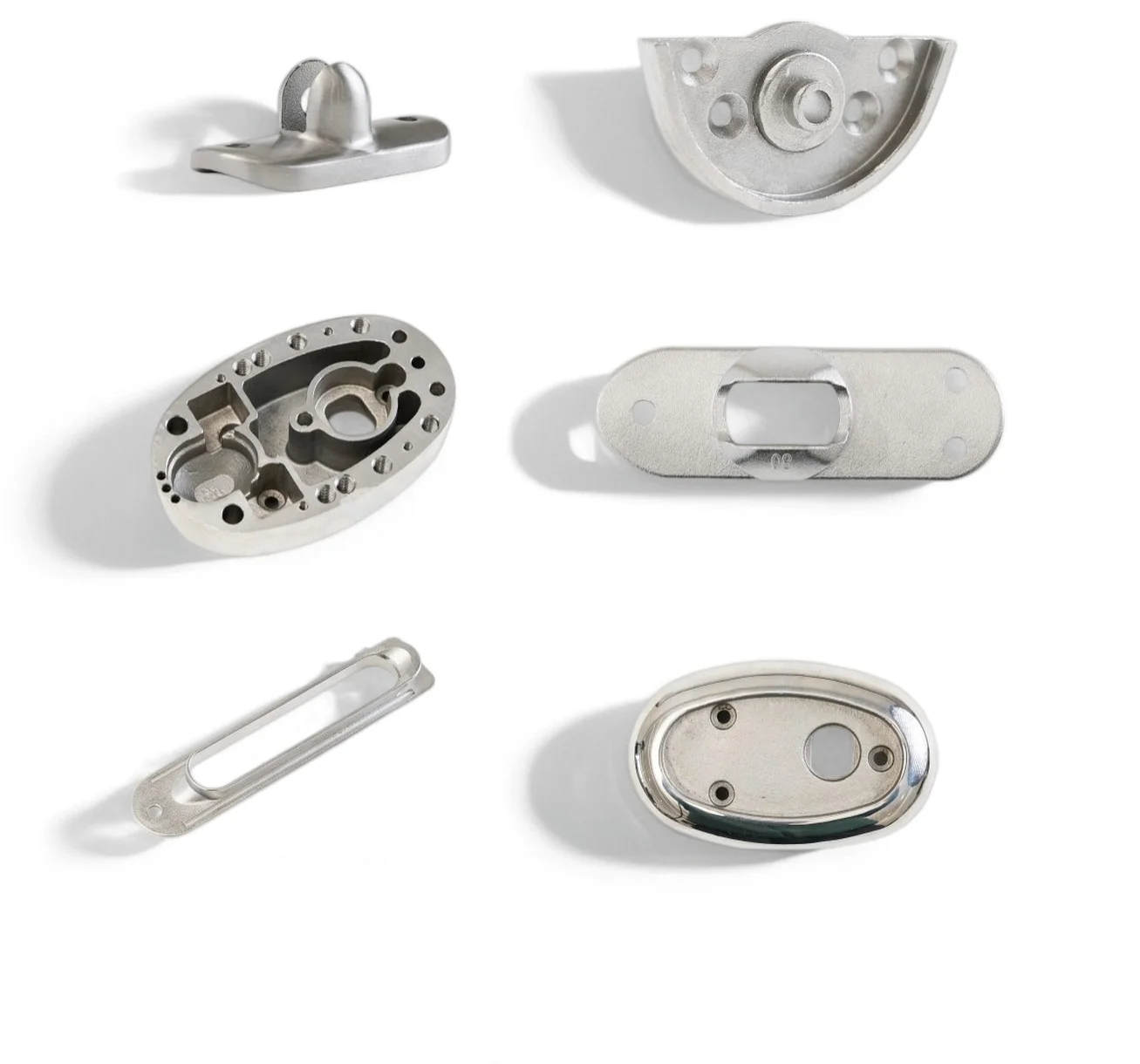
Custom OEM Lost Wax Stainless Steel Investment Castings with CNC Machining and CT4–CT6 Tolerances
Let’s define your requirement
Send a product link, drawing or short brief. We’ll work through the details with you.
- Confirm the specificationGrade or model, size and intended use.
- Define your orderQuantity, finish or configuration, and samples.
- Agree the quotation scopeIncluded work, key checks and delivery needs.
-
Surface FinishSandblasted , PolishedAlloy Grade316 , 304
-
Material304, 316, 310, 1.4301 carbon steel etc
-
Processlost wax casting, investment castingNameOEM Investment Casting
-
CertificationISO9001:2015Casting ToleranceCT4-CT6
-
Surface treatmentSand Blasting, PolishingApplicationMachinery, Industrial Parts
-
Quality Control100% InspectionMachining ProcessCNC Precision Machining
-
Lead Time25-30 Days
Machinery and industrial component enquiries can combine OEM lost wax investment casting with CNC precision machining. The casting scope includes CT4–CT6 tolerances, with sand blasting or polishing selected for the required surface. Start with the chosen steel and the dimensions that define the finished component.
Which steel belongs on the component drawing?
Stainless-steel choices include 304, 316, 310 and 1.4301. Specify the required designation rather than treating the choices as interchangeable. For a carbon-steel enquiry, identify the carbon grade separately and connect it to the component duty, geometry and material acceptance. This gives the casting review a defined material basis.
Assign CT4–CT6 and CNC requirements separately
Use the CT4–CT6 range when agreeing the casting requirement for the machinery part. Mark the interfaces that require CNC finishing and give those dimensions their own drawing criteria. Separate cast geometry from the finished machined condition so that precision is evaluated at the correct stage for each critical interface.
Define the industrial casting's finished surface
Choose sand blasting or polishing for the component's specified surfaces. Identify the faces requiring the selected condition and agree the appearance and dimensional acceptance after treatment. The finished surface should be reviewed with the CNC interfaces so that both refer to the approved component drawing.
Set the scope of the full inspection
The industrial steel-casting service includes 100% inspection, with methods and acceptance defined for the component. Identify the dimensions, surface criteria and records required for that check. If ISO9001:2015 certification documentation is needed, confirm its current validity and applicable scope alongside the casting's inspection requirements.








