
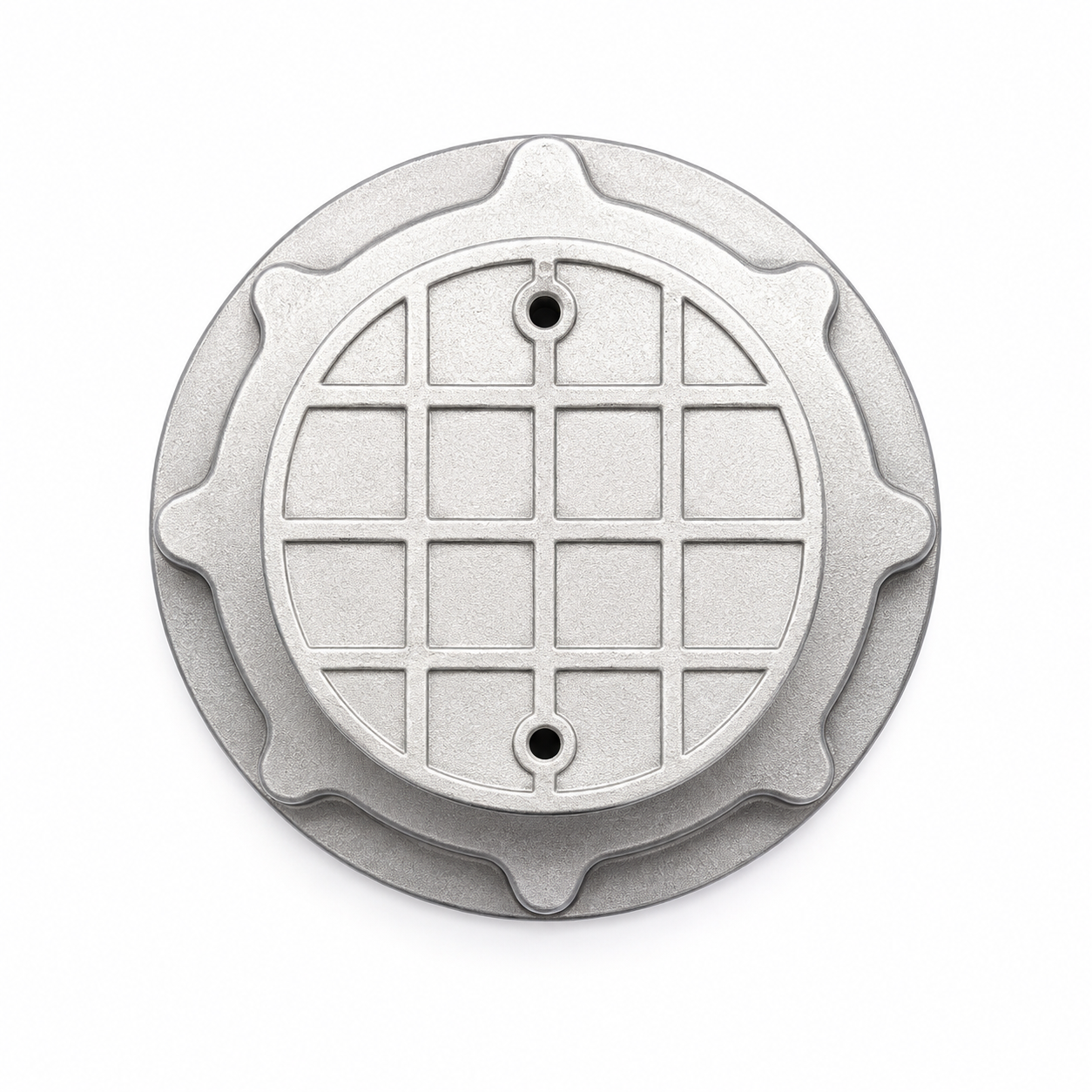
Custom Magnesium, Zinc Alloy and Aluminum Housing Castings with Deburring, Drilling and Threading
Let’s define your requirement
Send a product link, drawing or short brief. We’ll work through the details with you.
- Confirm the specificationGrade or model, size and intended use.
- Define your orderQuantity, finish or configuration, and samples.
- Agree the quotation scopeIncluded work, key checks and delivery needs.
-
Component FormHousing / Enclosure
-
Product nameDie Casting Part
-
ProcessCasting. Deburring .Drilling .threadingCertificationISO9001
-
ServiceCustomized OEMSizeCustomer's 3D Drawing
-
Surface treatmentCustomers' DemandToleranceCustomer's Drawing Request
-
StandardClient SpecificationColorCustomized Color
-
Quality ControlStrictly 100% Inspection
Custom housing castings are defined through the material, 3D geometry and processed features required by the component. This OEM service addresses magnesium, zinc-alloy and aluminum housing inquiries, with casting, deburring, drilling and threading included in the manufacturing discussion.
Develop the housing from its 3D geometry
The customer's 3D drawing establishes the size of the housing. Identify the required alloy and the dimensions that connect the part to its intended assembly, then agree the casting route for that design. Aluminum gravity-die-casting work should be defined for the selected component, with its material and geometry kept together in the proposal.
Scope deburring, drilling and threading explicitly
Deburring, drilling and threading are the stated secondary operations. Identify the areas requiring each operation and the thread or dimensional acceptance relevant to those features. This turns a broad housing request into a processed-part definition while keeping the remaining cast geometry visible in the same component brief.
Apply the customer's standard to the finished housing
Tolerance follows the customer's drawing request, and the standard follows the client specification. Establish the required surface treatment and customized color alongside those dimensional conditions, so the accepted housing has one coherent finished definition. The specified 100% inspection should use the features and acceptance criteria selected for that component.
- Confirm the alloy and the required housing dimensions on the 3D drawing.
- Identify deburred, drilled and threaded areas with their accepted condition.
- Connect the chosen surface treatment and color to the finished component requirements.
Where ISO9001 documentation is part of procurement, confirm the applicable holder and scope. The agreed drawing and client specification should remain the reference for assessing the proposed housing.








