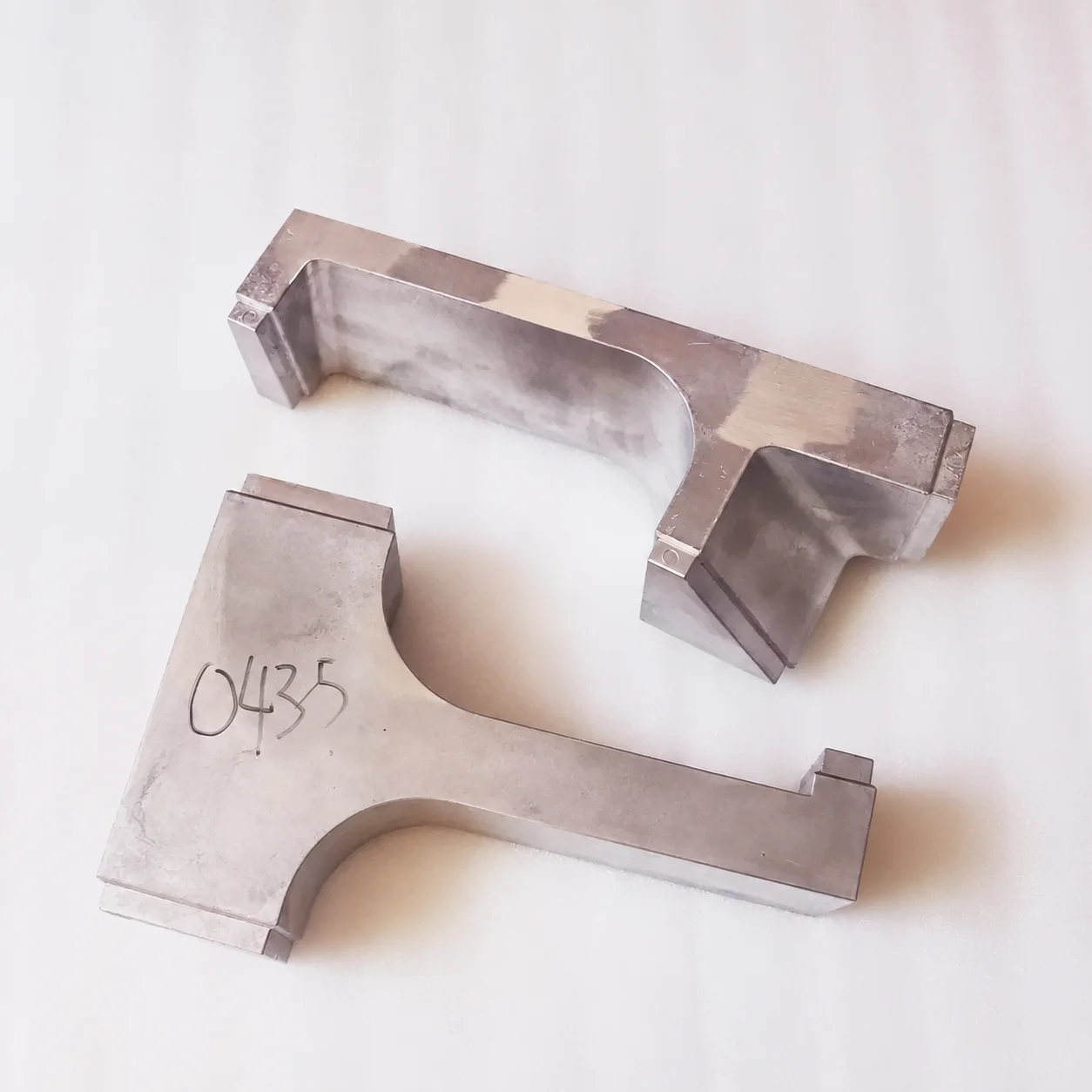
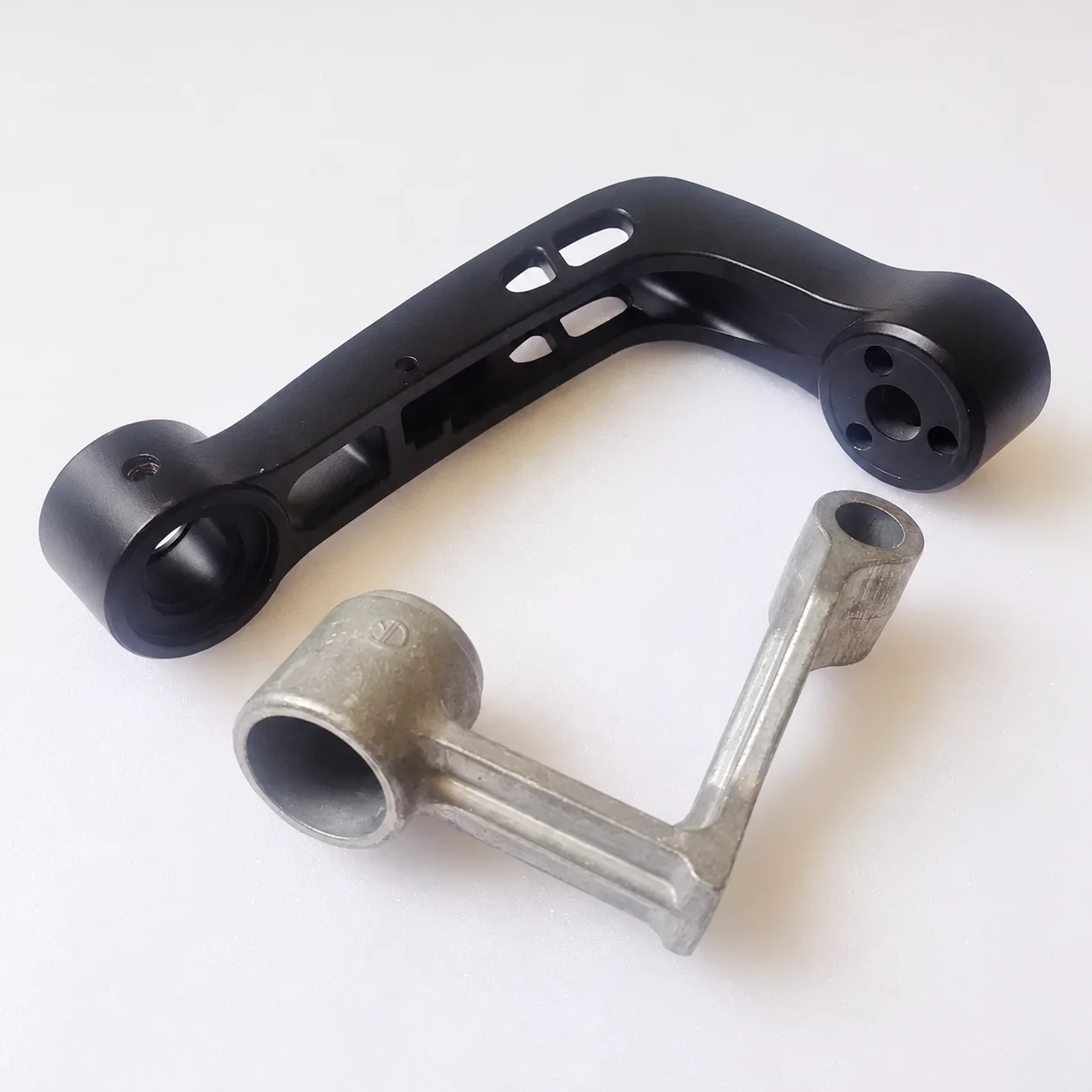
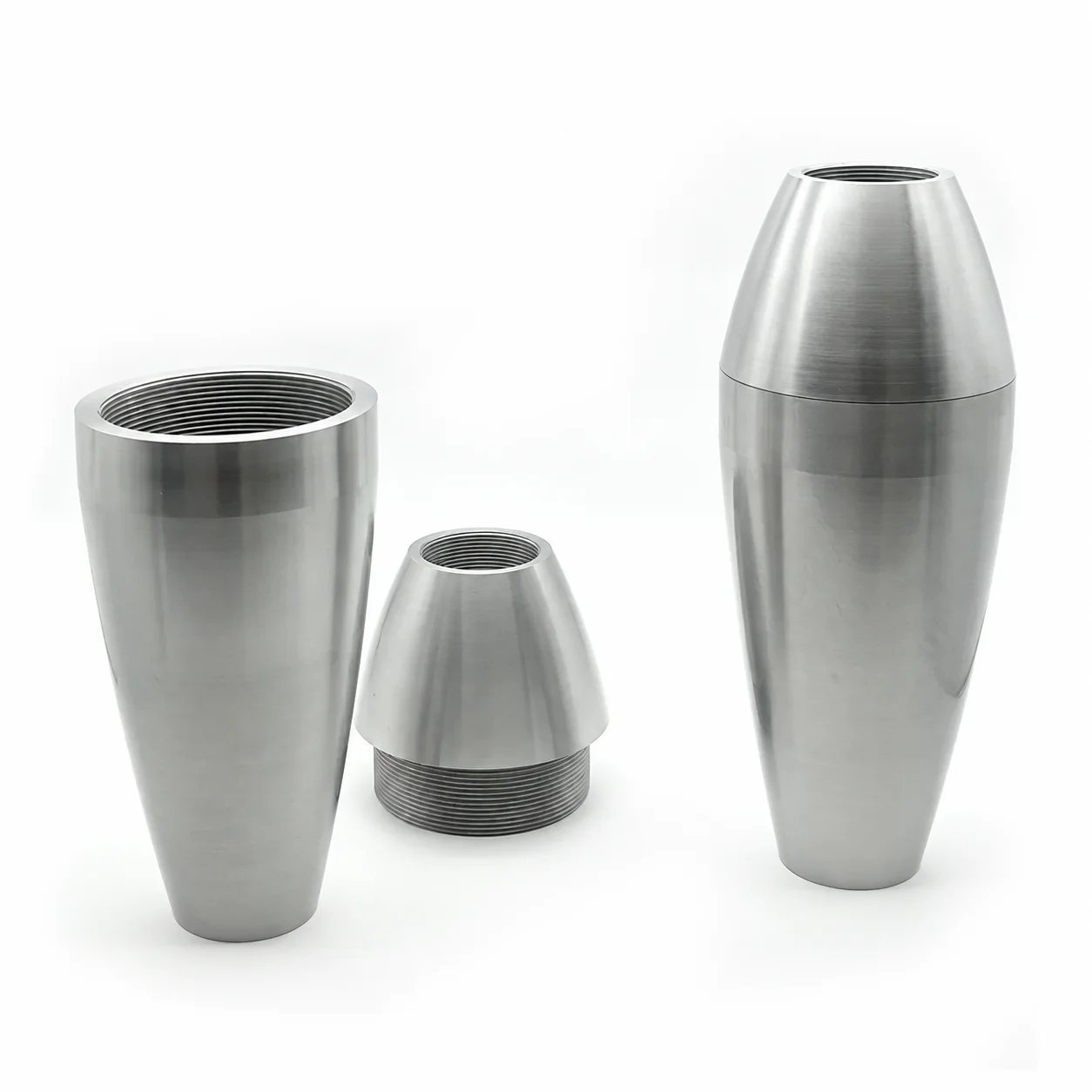
Custom Iron, Zinc, Stainless Steel, Aluminum Alloy and Brass Precision Sand/Lost Wax Investment/Die Casting Services
Let’s define your requirement
Send a product link, drawing or short brief. We’ll work through the details with you.
- Confirm the specificationGrade or model, size and intended use.
- Define your orderQuantity, finish or configuration, and samples.
- Agree the quotation scopeIncluded work, key checks and delivery needs.
-
Product namecasting services
-
MaterialCustomer's RequirementsColorCustormer's Requirements
-
SizeCustomer's Drawing RequiredSurface treatmentCustomers' Demand
-
CertificationISO9001StandardCustomers' Drawings
-
ToleranceCustomer's Drawing RequestQuality ControlStrictly 100% Inspection
-
ServiceDrawing Custom
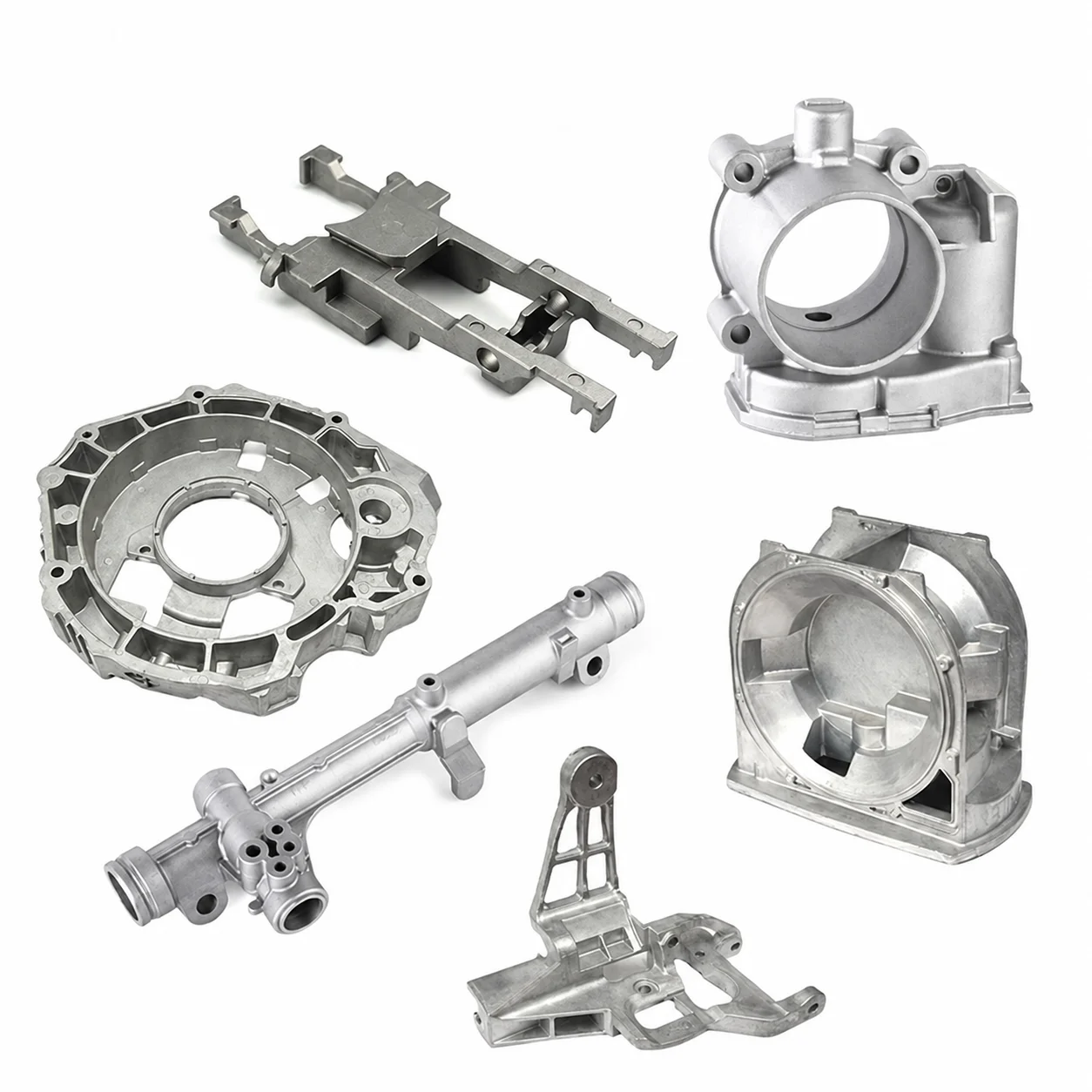
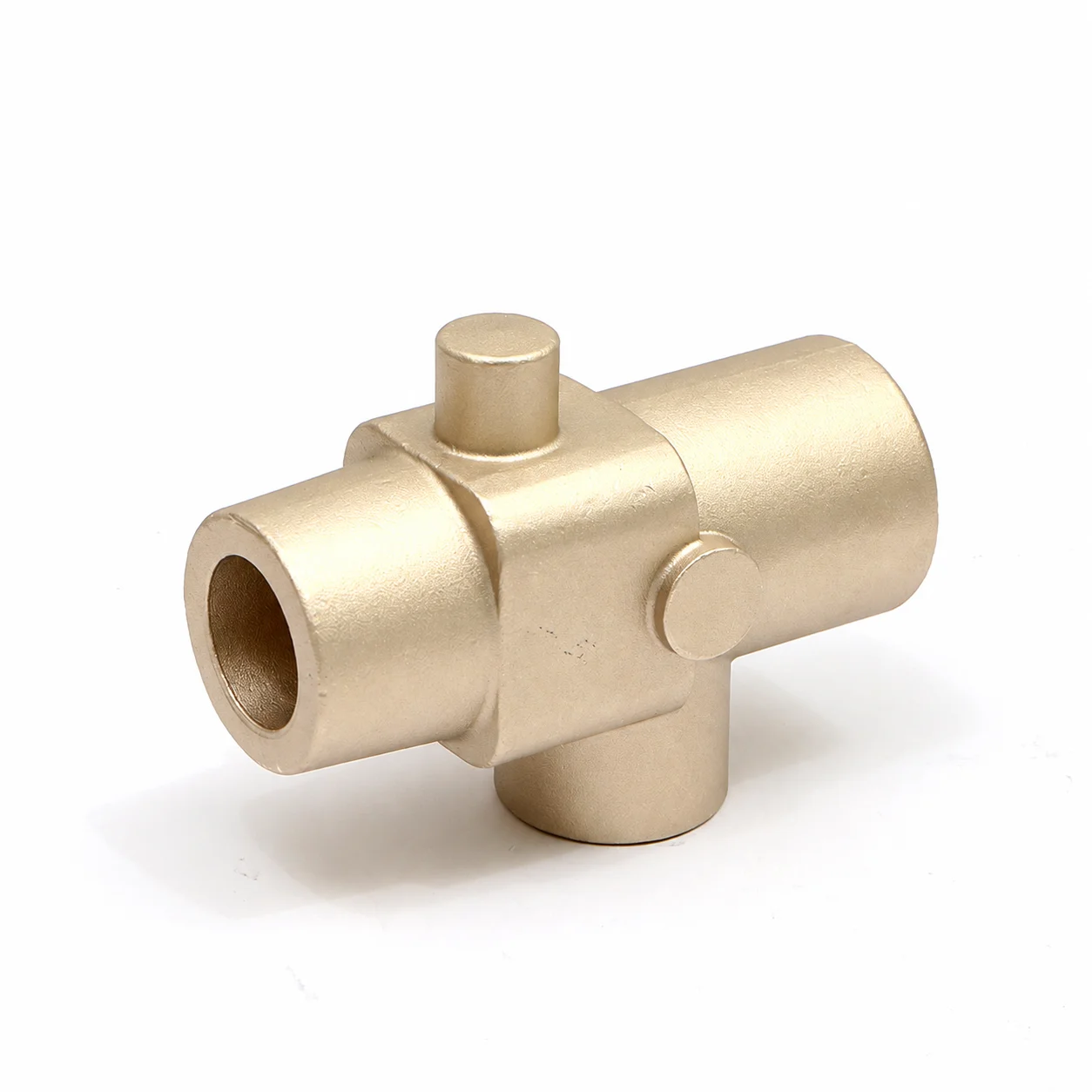
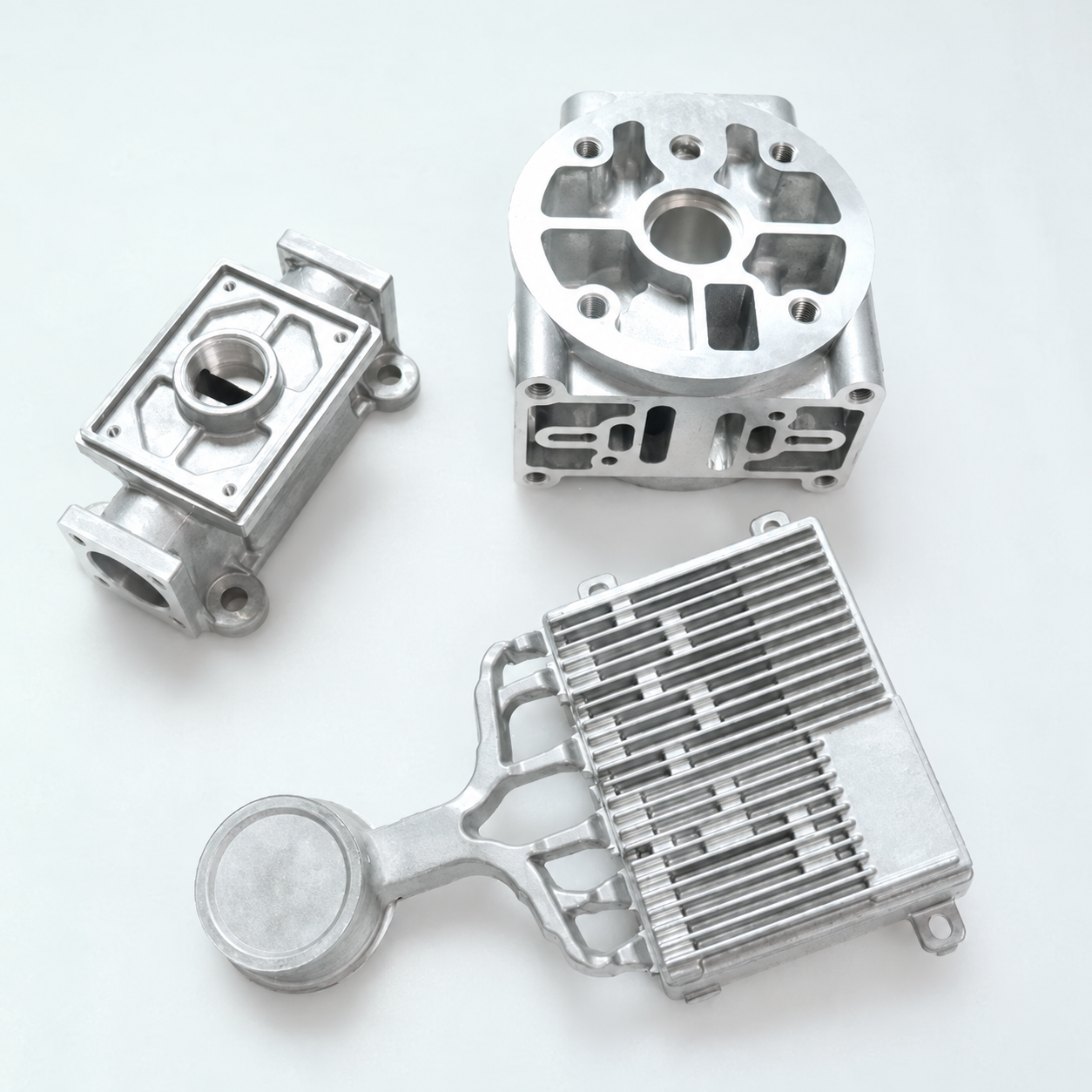
Drawing-custom casting services cover iron, zinc, stainless steel, aluminum alloy and brass material directions. Sand casting, precision lost wax investment casting and die casting are offered process directions. The customer's drawing defines the component size, tolerance and part requirements, with material, surface treatment and color selected for that design.
Five metal families and the chosen casting route
Select the exact grade within the required metal family before agreeing the casting route for the component. The appropriate route depends on the actual part definition and selected material. Keep those choices together when identifying the geometry to produce, so a broad casting-service menu becomes a clear request for a particular metal part.
Drawing tolerances and custom appearance
Mark the dimensions and tolerances that govern the component's fit and function on the drawing. Specify the governing part requirements with the same drawing revision. Surface treatment and color are customized, with the actual finish method and accepted appearance to agree for the selected metal. Identify the surfaces requiring that treatment and any dimensional acceptance that applies after finishing.
Full inspection for the drawing-defined part
The drawing-custom casting work includes 100% inspection. Define which material, dimensional and surface checks form that inspection for the selected component. Agree the acceptance criteria and records required by its intended duty. Confirm the project quantity with the final grade, casting route and appearance requirements so the requested part and its inspection plan describe the same finished component.