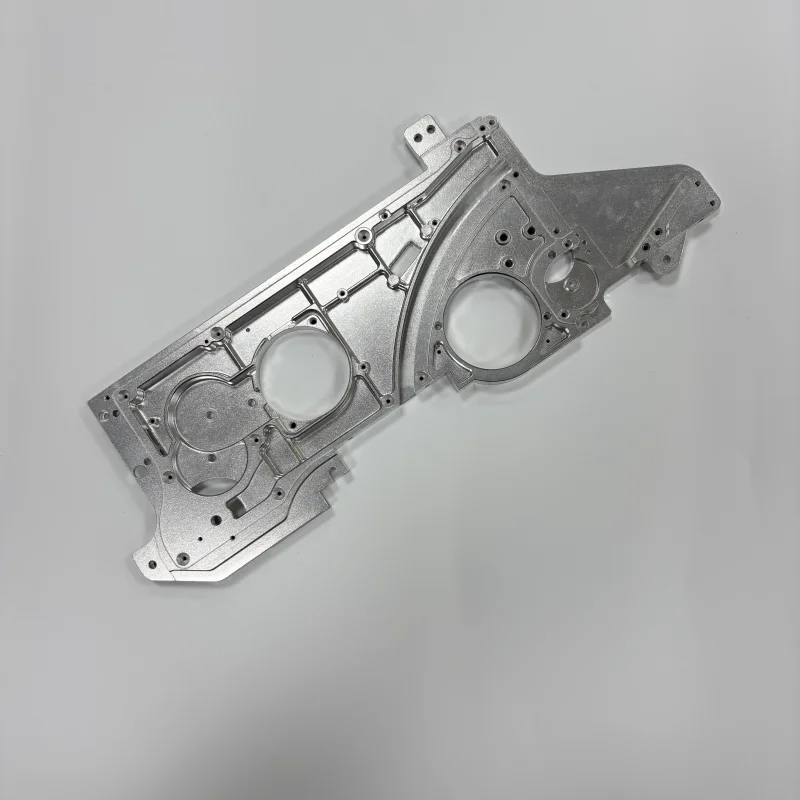
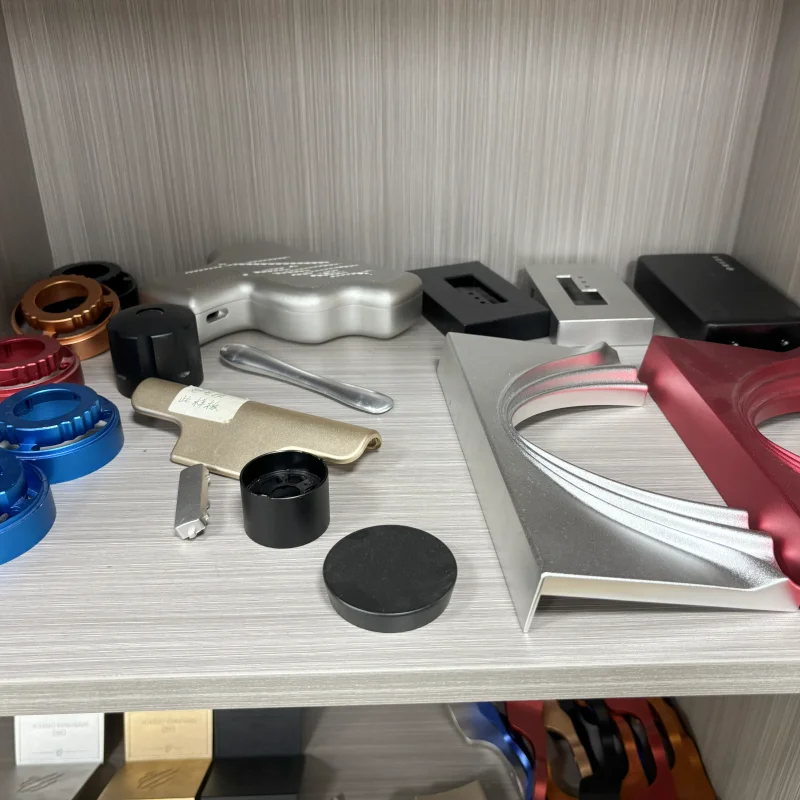
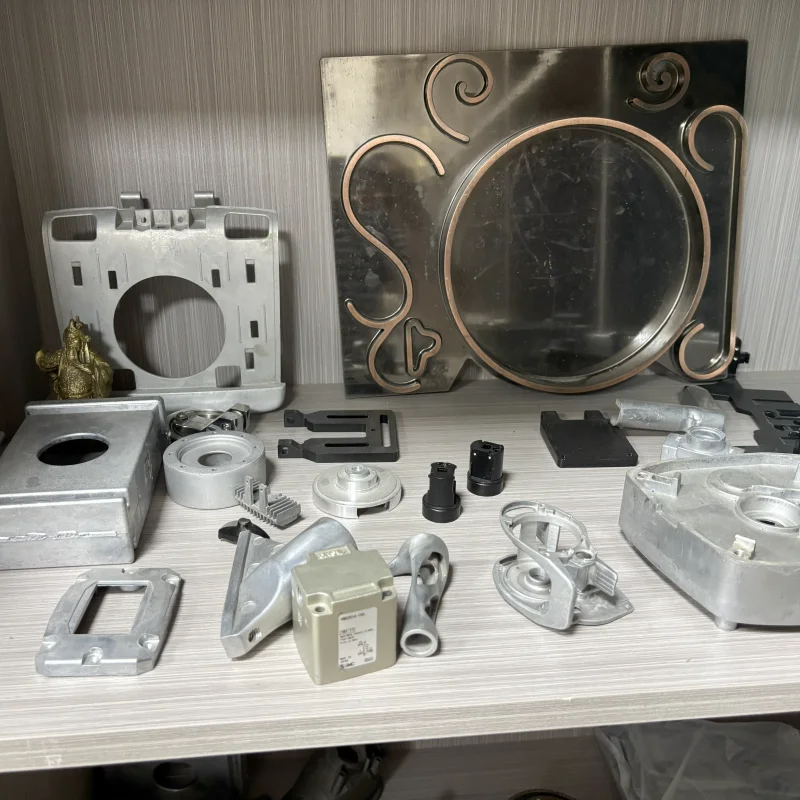
Custom High Precision Aluminum Alloy Die Casting Parts for Electronics with OEM and ODM Service
Let’s define your requirement
Send a product link, drawing or short brief. We’ll work through the details with you.
- Confirm the specificationGrade or model, size and intended use.
- Define your orderQuantity, finish or configuration, and samples.
- Agree the quotation scopeIncluded work, key checks and delivery needs.
-
MaterialAluminumSurface treatmentCustomers' Demand
-
ApplicationElectronicsProcessDie Casting+Machining+surface Treatment
-
ServiceOEM ODM CustomizedCertificationISO9001/TS16949/RoHS
-
PackingCustomers'requirementMOQ1000 Pcs
-
Drawing Format2D/(PDF/CAD)3D(IGES/STEP)TypeOEM Casting Parts
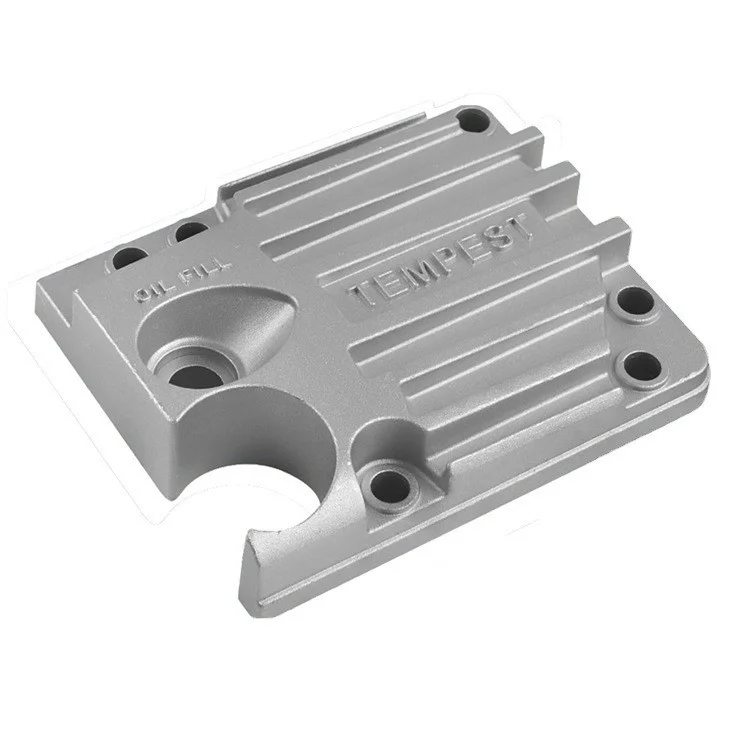
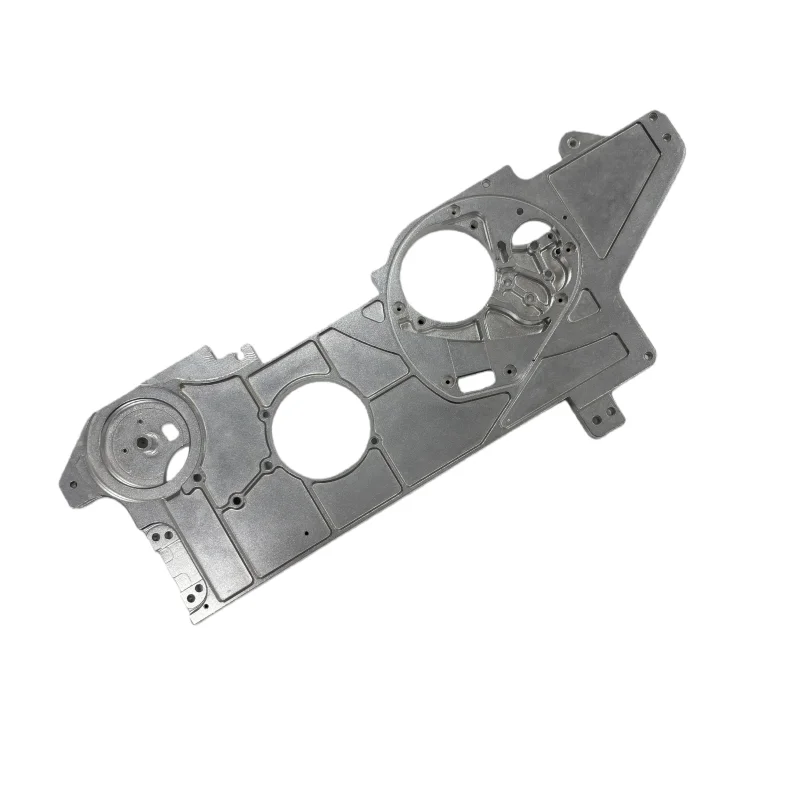
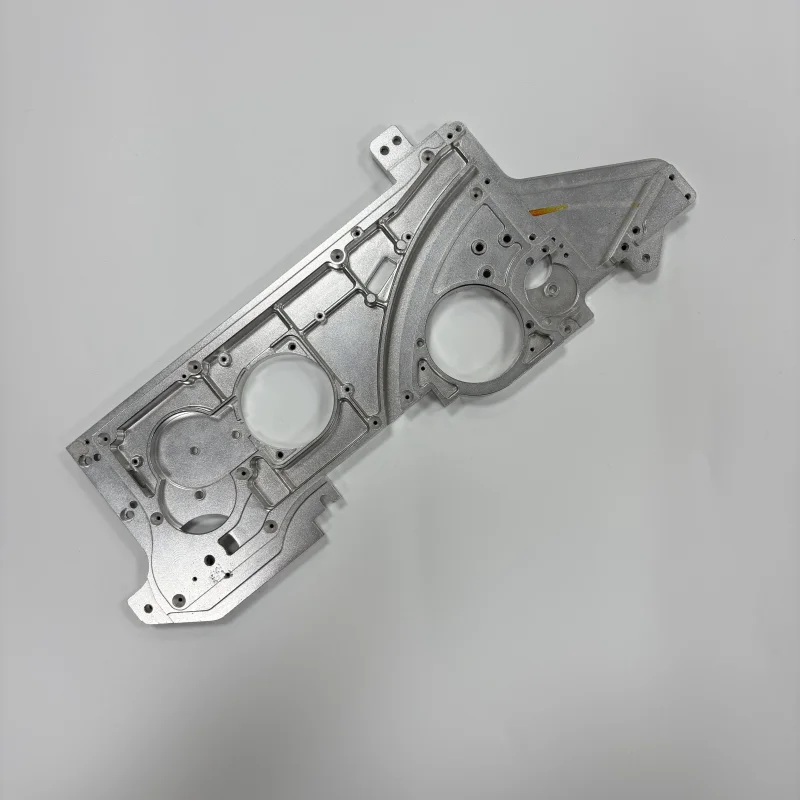
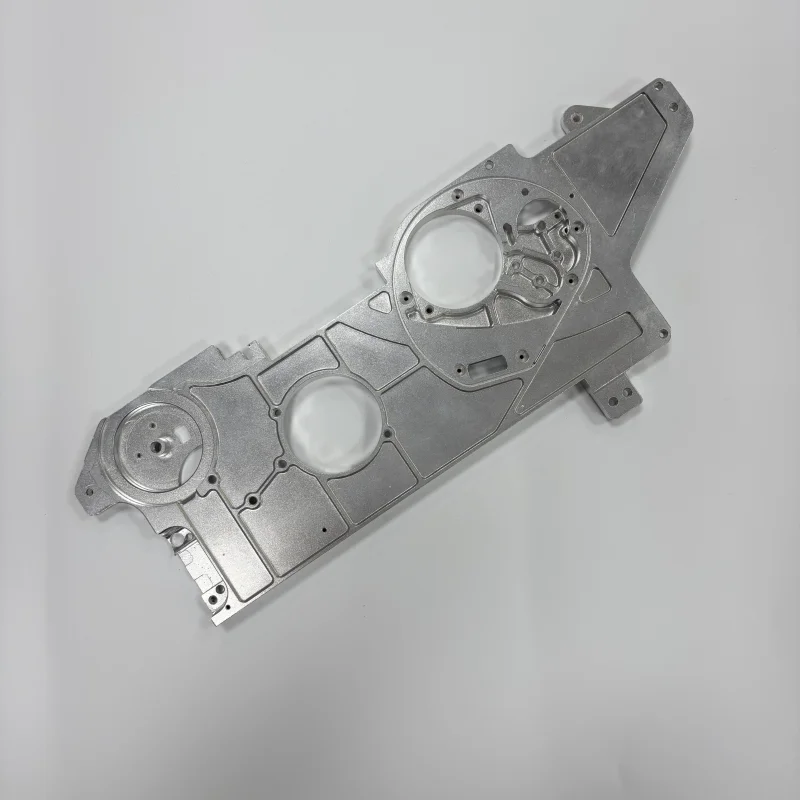
Custom aluminum alloy die castings can be defined around the requirements of an electronics component. This OEM and ODM service combines die casting, machining and customer-specified surface treatment, so the enquiry can address the required part condition as well as its shape.
Define the electronic component before selecting the alloy
Identify the component that the casting will become and the aluminum grade required for that design. The electronics application does not by itself establish a particular alloy, geometry or operating condition. Keep those choices explicit in the component brief, together with the dimensions that determine its relationship to the surrounding assembly.
Connect machining and surface treatment to the same part
Machining and surface treatment form part of the production scope alongside die casting. Mark which areas require machining and describe the surface condition expected after the chosen treatment. This gives the enquiry a clear distinction between the casting shape and the finished condition that will be assessed.
Use the actual drawing formats to communicate acceptance
2D PDF or CAD drawings and 3D IGES or STEP files can support the request. Provide the controlling drawing revision and identify the dimensions or surfaces that require particular acceptance criteria. A precision enquiry is more useful when those requirements are attached to the relevant geometry than when accuracy is left as a general adjective.
Match documentation to the ordered component
If the project requires quality-system or compliance documentation, identify the required document and its applicability during the enquiry. Confirm the holder and scope against the selected material and part. Documentation and technical acceptance can then be considered together before the manufacturing proposal is approved.