
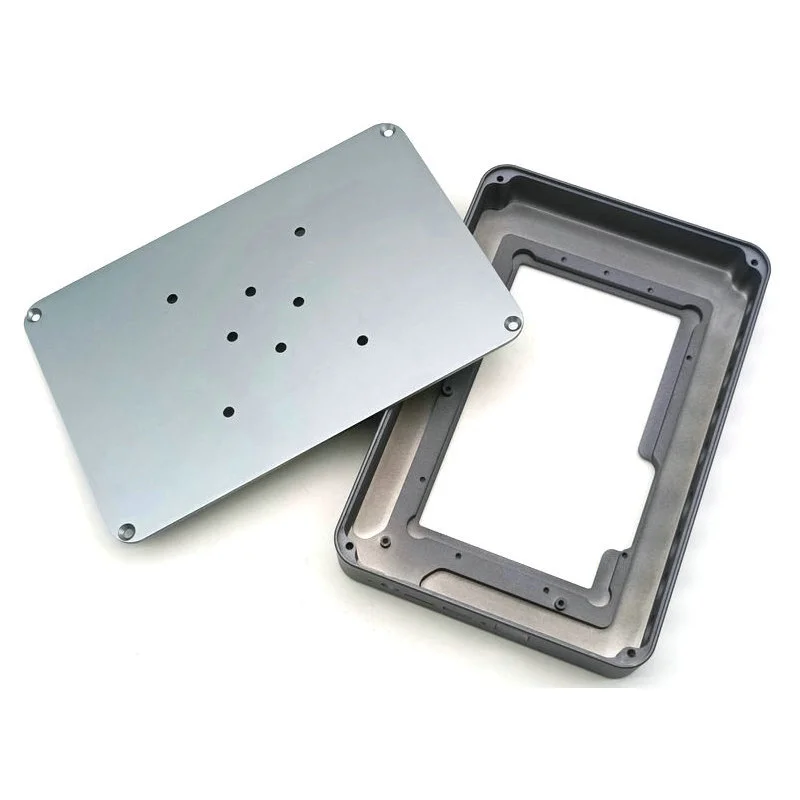
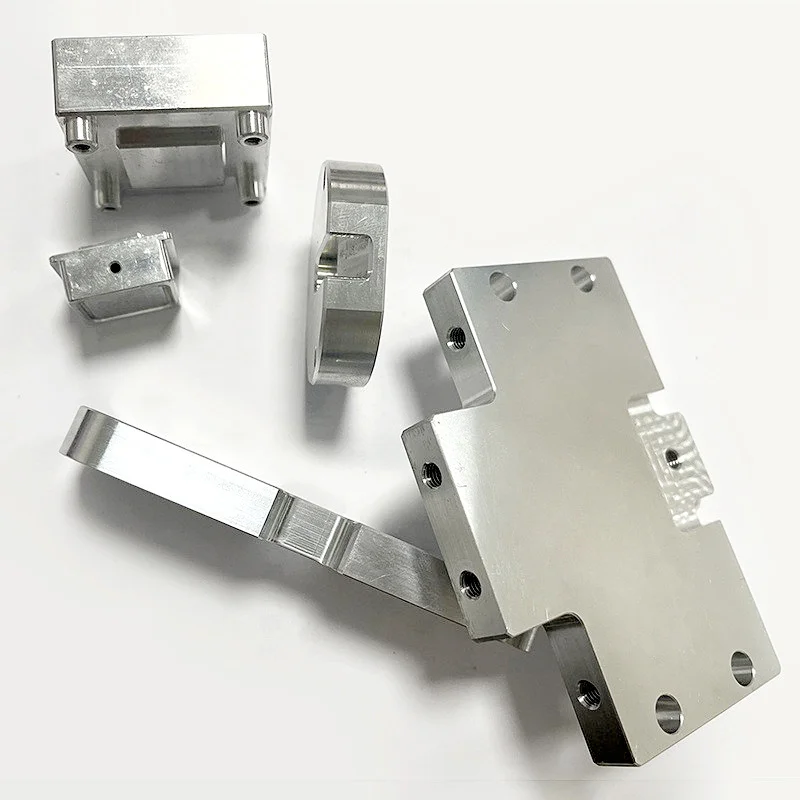
Custom CNC and Casting Services for Brass, Steel, Zinc and Precious Metals, Including Medical-Application Inquiries
Let’s define your requirement
Send a product link, drawing or short brief. We’ll work through the details with you.
- Confirm the specificationGrade or model, size and intended use.
- Define your orderQuantity, finish or configuration, and samples.
- Agree the quotation scopeIncluded work, key checks and delivery needs.
Bring a custom metal component into focus through its material and manufacturing route. This service covers CNC and casting requests involving brass, steel, zinc and precious metals, including enquiries connected with medical applications where the component's intended role needs a clear definition.
Set one material direction for the component
The material discussion can begin with brass, steel, zinc or a specified precious metal. These are separate material directions for custom work rather than one shared alloy composition. A defined grade gives the component a clearer identity and allows the manufacturing discussion to stay connected to the actual metal required for the project.
Choose the relationship between casting and CNC work
Gravity casting, investment casting and die casting are process directions to discuss for the requested form. CNC work concerns the features to be machined, while the casting enquiry concerns the shape to be produced. Considering these decisions together helps describe a custom component without assuming that every material or geometry follows an identical route.
Frame the medical enquiry around its intended use
For a medical-application project, the component's function is an essential part of the manufacturing brief. Its actual role determines which material, dimensional, surface and validation requirements need to be addressed. Keep the intended use explicit when discussing production suitability, and agree what evidence and acceptance criteria apply to that particular component.
Connect the part definition to the proposed route
A useful custom project brings its geometry and finished requirements into one consistent definition. Relate the selected metal to the casting form and any requested CNC features, then settle the surface and inspection needs for the proposed route. This keeps the enquiry centered on the actual component being commissioned.
- Identify the required metal and grade.
- Define the component geometry and finished features.
- Agree intended use and acceptance requirements.








