

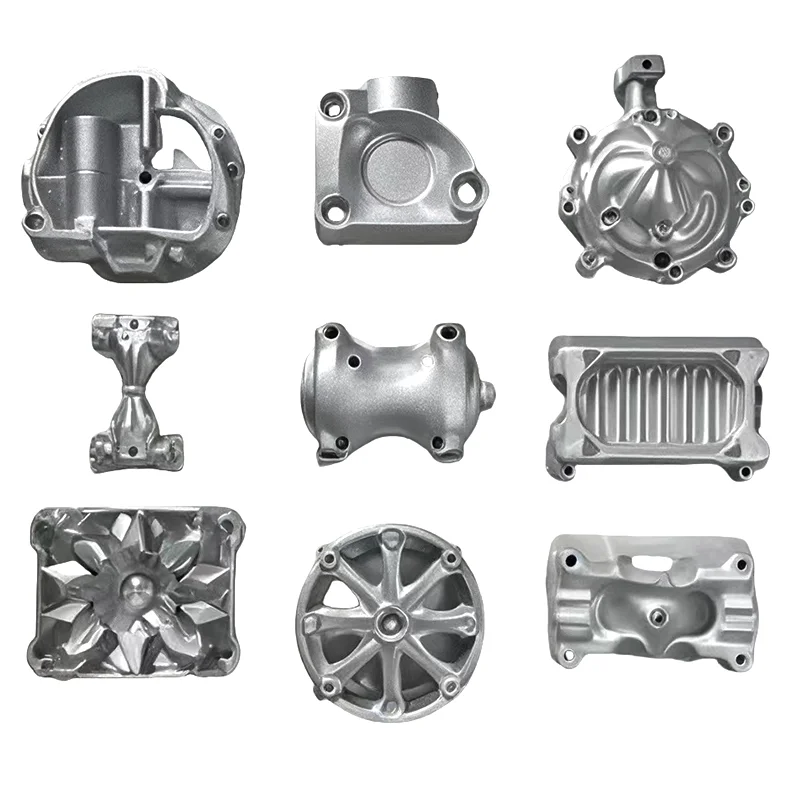
Custom Bronze-Statue/Copper/Brass Precision Investment & Pressure/Die Casting | Drawing-Based Metal Parts
Let’s define your requirement
Send a product link, drawing or short brief. We’ll work through the details with you.
- Confirm the specificationGrade or model, size and intended use.
- Define your orderQuantity, finish or configuration, and samples.
- Agree the quotation scopeIncluded work, key checks and delivery needs.
-
Product nameCustom Die Cast Parts Casting Service
-
MaterialAluminum,Stainless Steel,lron,Aluminum Alloy,BrassDrawing Format2D/(PDF/CAD)3D(IGES/STEP)
-
CertificationISO9001/TS16949/ROHSSizeCustomer's Drawing Required
-
Surface TreatmentCustomers' DemandToleranceCustomer's Drawing Request
-
Quality ControlStrictly 100% InspectionApplicationIndustry,Medical,Agriculture,etc
-
PackageBubble + Carton + Wooden Case
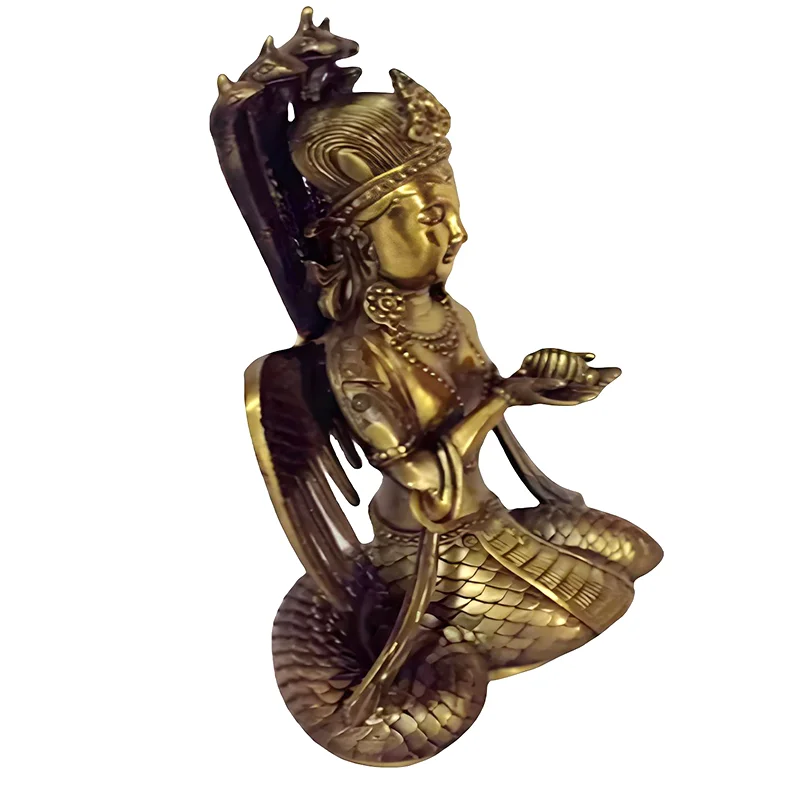
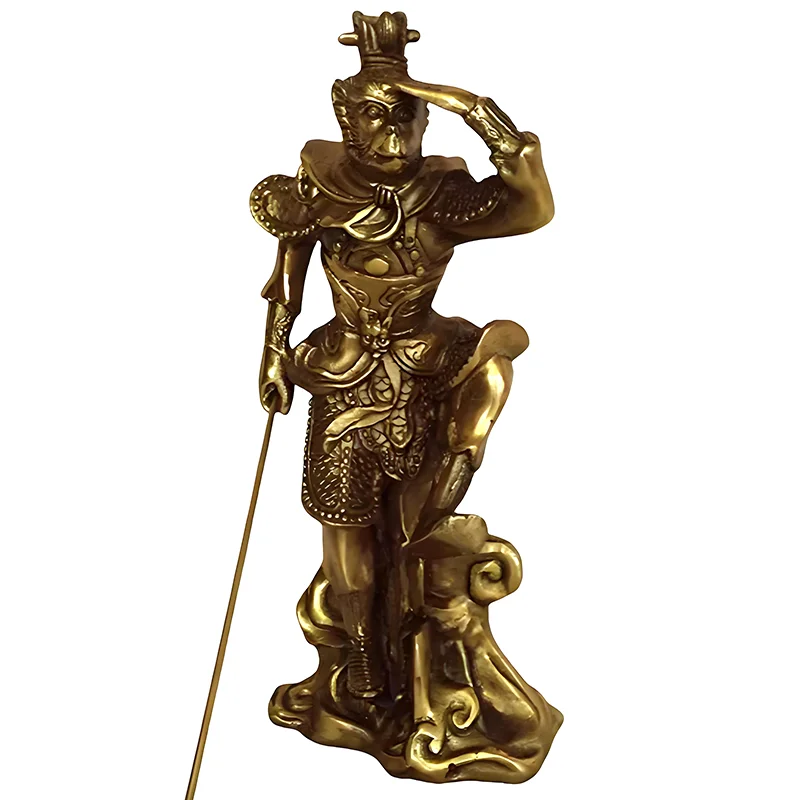
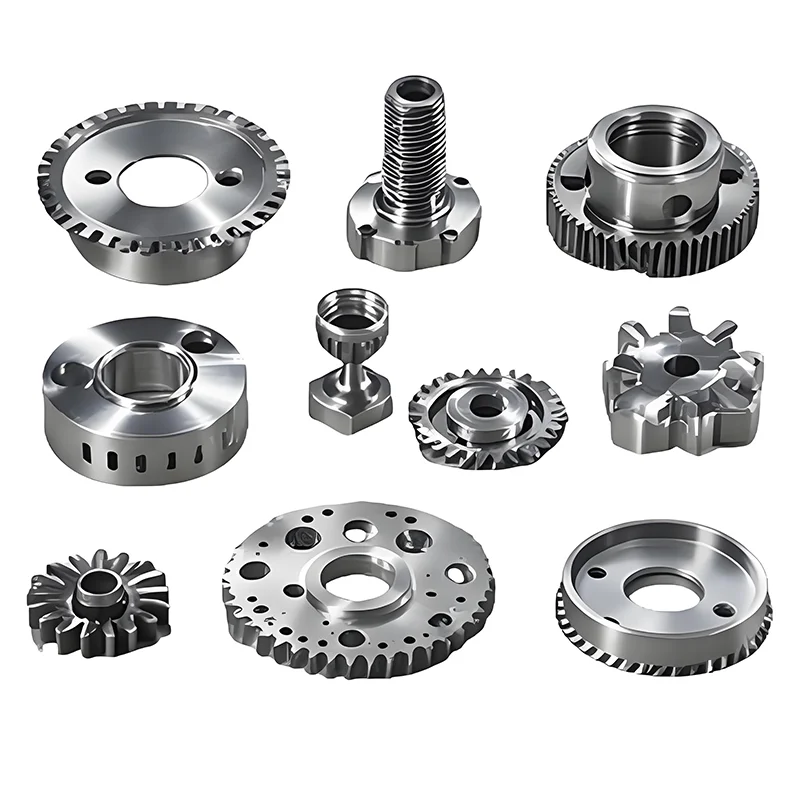
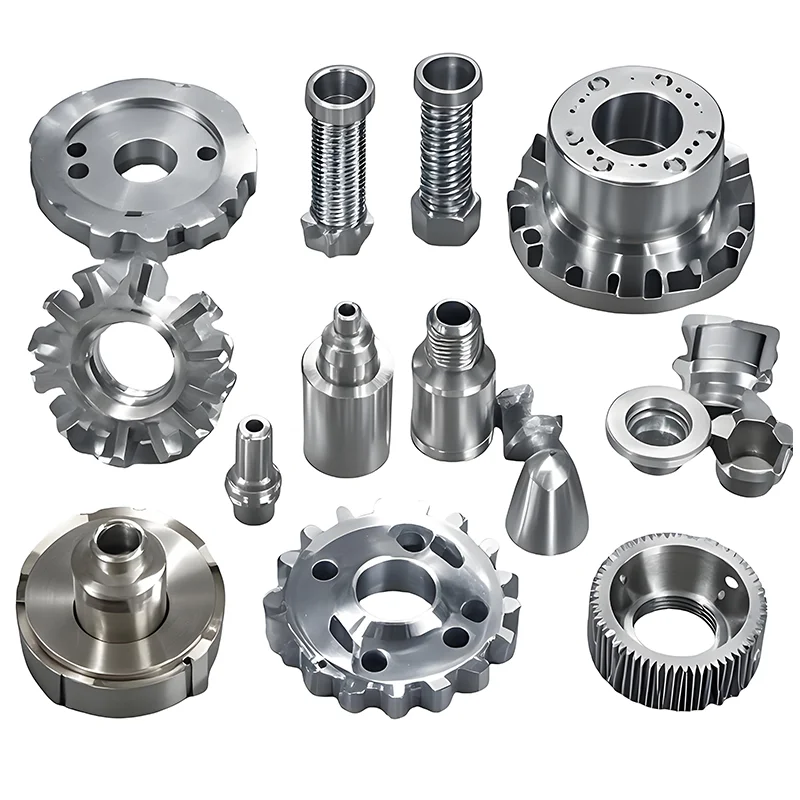
Custom precision metal-casting directions include bronze statue parts and copper or brass components, with investment and pressure/die casting among the process directions. Aluminum and aluminum alloy, stainless steel and iron are additional material choices. Define the actual component and compatible metal-route combination before setting the dimensional and surface requirements.
Establish the statue or component scope
A bronze statue part calls for a specific geometry and selected bronze grade. For copper, brass or another metal component, identify its own material and casting route. These directions provide choices for a custom request rather than one process automatically applying to every metal.
Use 2D and 3D inputs for drawing-based dimensions
Drawing inputs include 2D PDF/CAD and 3D IGES/STEP. Size and tolerance follow the customer's drawing requirements. Identify controlled dimensions and the required surface result together so the selected casting route can be considered against the actual part definition.
Define finish and full inspection acceptance
Surface treatment follows the customer's demand, while custom cast parts undergo strict 100% inspection. Specify the characteristics to be inspected and their acceptance criteria for the selected metal and finish. Agree the records needed to evaluate those characteristics.
Match the part to its application requirements
Industrial, agricultural and medical uses are application directions. Describe the actual service conditions and component requirements for the chosen use. For medical components, establish the relevant part-specific approval and acceptance requirements separately from selecting the metal or casting process.








